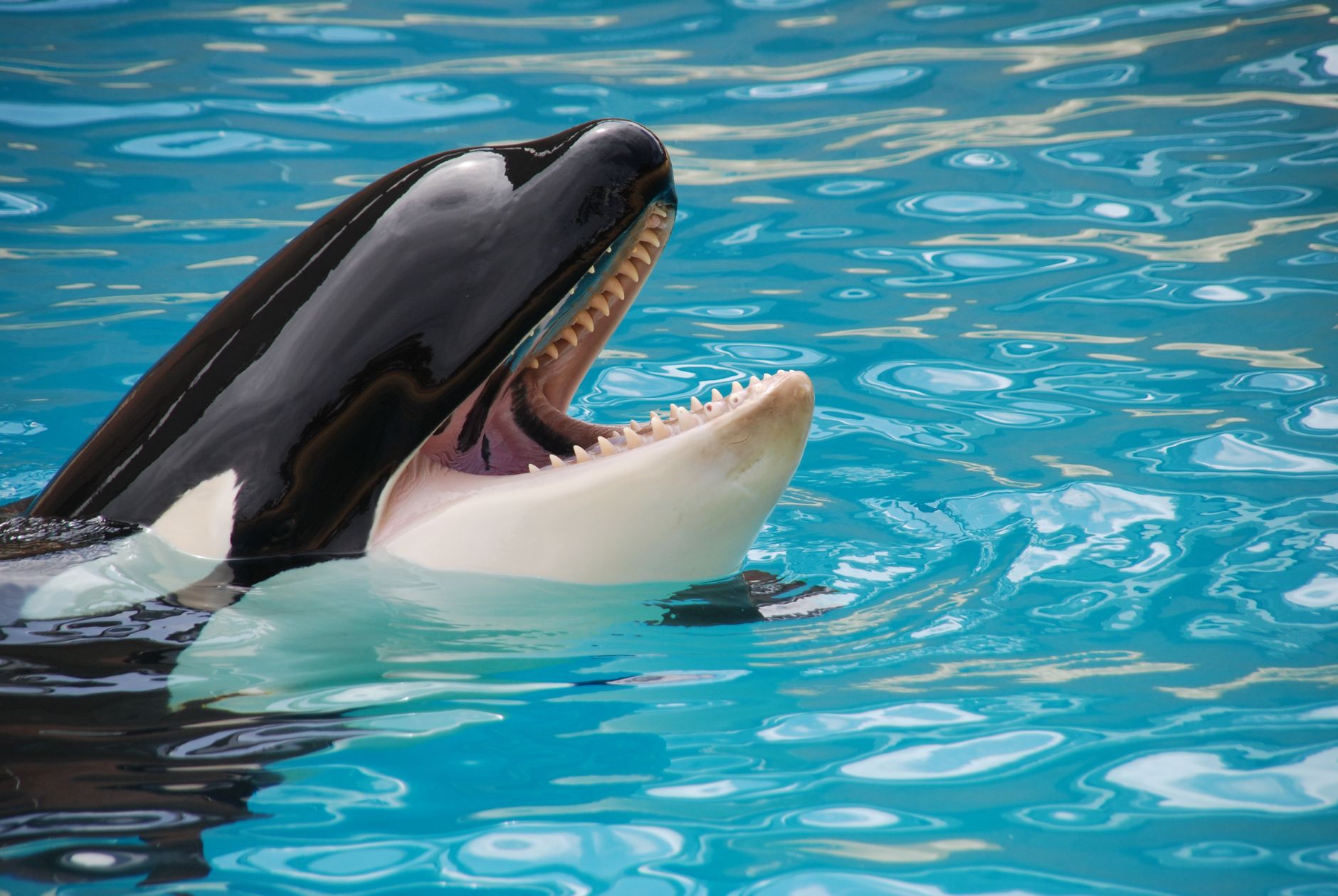

Nature tourism constantly finds itself at a crossroads where the human desire to connect with wildlife clashes with the biological reality of species. Along the coast of Baja California Sur, a region globally renowned for its crystal-clear waters and rich marine ecosystem, a fundamental precedent has just been set in the country’s environmental legislation. The official decision to end authorizations for entering the water alongside killer whales does not stem from caprice, but from the rigorous evaluation of an experimental season that left more doubts than certainties regarding the welfare of these apex predators.
For independent travelers seeking meaningful and environment-conscious experiences, this measure represents an opportunity to rethink how we approach the ocean. Far from being bad news for ecotourism, the suspension is shaping up as an exercise in institutional maturity that prioritizes conservation over commercial inertia. Throughout this report, we will examine the scientific motives behind the resolution, the socioeconomic impact on local communities, and the legitimate avenues that still exist to marvel at the presence of orcas without compromising their natural habitat.
The La Ventana Experiment and the Fragile Balance of the Sea of Cortez
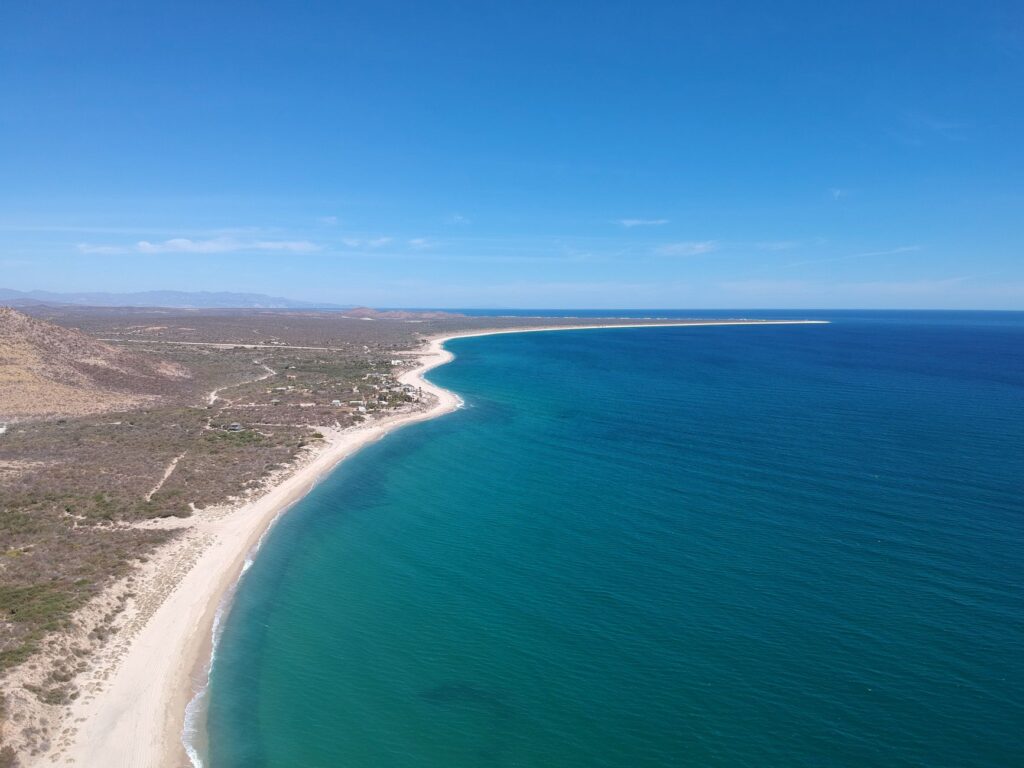
The coastal town of La Ventana, situated opposite Cerralvo Island in Baja California Sur, became the epicenter of an unprecedented pilot program over the past twelve months. Authorized under strict supervisory regulations, the project allowed local tour operators to guide small groups of adventurers on controlled immersions with resident and transient orcas. The initial promise was seductive: to prove that water-based and high-visual-impact tourism could coexist with scientific research and environmental protection through regulated quotas.
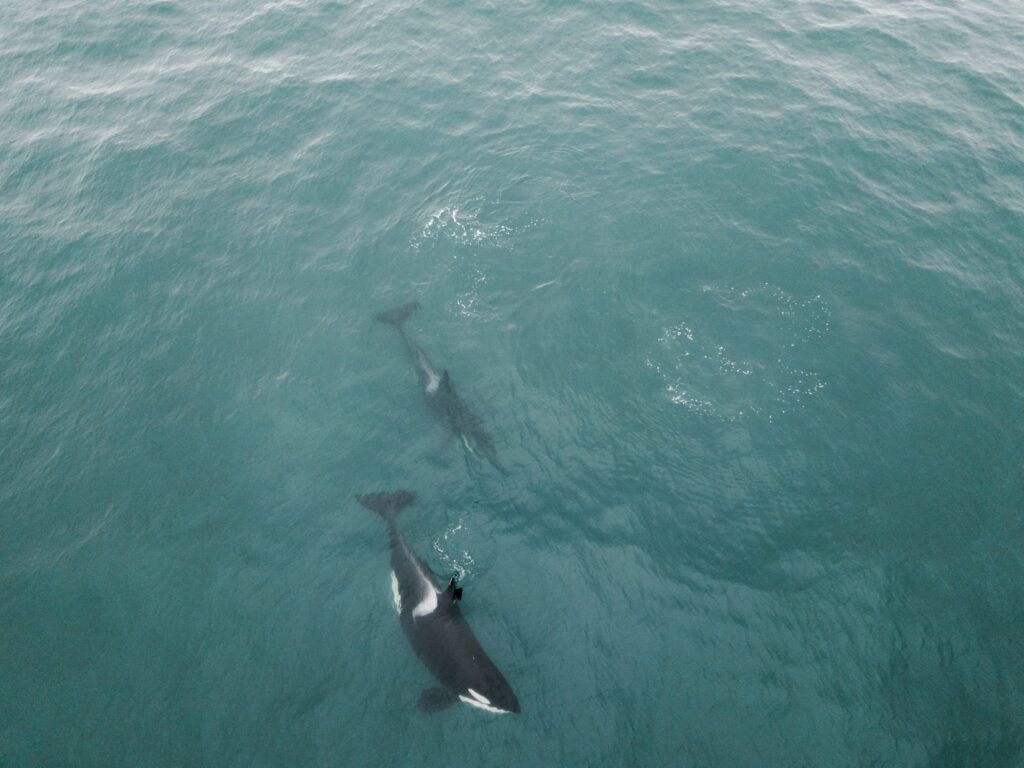
However, biological reality proved far more complex than administrative manuals. Orcas, belonging to the dolphin family, possess intricate social structures, highly developed intelligence, and dynamic hunting patterns. During the trial period, marine mammal specialists documented significant behavioral alterations. The constant presence of boats and swimmers in the water began to interrupt the pods’ feeding tactics, while generating acoustic and visual stress levels that affected their natural movement through the Gulf of California.
The Science Behind the Ban: Stress and Behavioral Alteration
The core argument prompting the cancellation of permits lies in reports drafted by marine biologists and independent conservation organizations. When a human enters the water alongside a pod of orcas actively hunting, the group’s dynamic shifts radically. Mothers with calves displayed heightened defensive attitudes, altering diving routes and expending valuable energy needed for rearing and survival in the open sea.
Direct human interference breaks the delicate ecological balances that take decades to consolidate in these marine populations. Unlike other more passive species, killer whales are highly territorial apex predators or have extremely wide ranging patterns. Forcing a close interaction in their own element not only jeopardizes the physical safety of inexperienced swimmers facing an unpredictable wild animal, but violates the basic tenet of responsible ecotourism: observing without altering or conditioning wildlife behavior.
Local Voices and Socioeconomic Impact on the Community
Any environmental regulation measure generates ripple effects across local economies that depend directly on visitor influxes. In La Ventana and surrounding villages, tourism service providers, boat captains, and certified guides had invested considerable resources into adapting their operations to the regulated swimming model. News of the suspension has elicited mixed reactions, ranging from anxiety over temporary income loss to the recognition that uncontrolled massification would have ruined the area’s primary attraction in the long run.
True sustainable adventure requires renouncing the immediate gratification of touching nature to guarantee its permanence for the future.

Community leaders and fishing cooperatives transitioned into tourism now face the challenge of redesigning their commercial offerings. The goal is to shift toward a purely surface-based watching model that maintains international interest without crossing the ethical line of direct interaction. This paradigm shift requires a coordinated effort in environmental education, where the value of the trip lies not in the adrenaline of swimming beside the animal, but in the privilege of contemplating it in absolute freedom from the deck of a respectful vessel.
Mexico’s Legal Framework and the Future of Cetacean Protection
Mexican federal legislation regarding marine mammal protection, backed by Official Mexican Standard NOM-131-SEMARNAT, establishes strict guidelines for watching whales and other cetaceans. However, the specific case of orcas presented legal loopholes due to the novelty of tourist demand and the historical scarcity of massive interactions along the country’s coasts. The suspension issued following the trial period in La Ventana acts as a preventative emergency brake while permanent modifications to the regulatory framework are drafted.
Environmental law experts note that decisions of this nature strengthen Mexico’s position as a destination committed to international biodiversity treaties. By halting a commercial niche before it turns into an uncontrolled industry, the country avoids mistakes made in other global regions where cetacean swimming tourism caused irreversible damage to local populations. The lesson learned is clear: sovereignty over natural resources must be exercised based on scientific evidence rather than temporary economic pressure.
How to Ethically Observe Orcas from a Vessel
Forsaking underwater swimming does not mean closing the door on the watching experience; on the contrary, it opens the path to a much more contemplative and secure observational mode. Seeing an orca breach a few meters from the gunwale, hearing the powerful blow of its respiration, and watching the dorsal fin cut the water’s surface with absolute grace offers a profound emotional connection that requires neither neoprene nor diving fins.
To achieve a truly ethical experience, selecting tour operators that comply with rigorous safety distance protocols, reduced speed limits, and low-acoustic-emission motor technology is paramount. These vessels operate under the supervision of naturalist guides who interpret animal behavior without invading their living space, turning every sea excursion into a valuable lesson in marine ecology and absolute respect for wildlife.

Practical guide
When to go: The optimal season for orca watching in Baja California Sur generally concentrates between the winter and spring months (November to April), when cold currents draw greater prey abundance to the Gulf of California.
How to get there: The nearest international airports are La Paz (LAP) or San José del Cabo (SJD), from where you can rent a vehicle to drive the scenic highway to La Ventana or El Sargento.
Selecting operators: Prioritize local cooperatives that hold official environmental certifications and exclusively promote vessel-based watching, rejecting any offers for swimming or diving with cetaceans.
Recommended gear: Waterproof windbreaker, high-quality binoculars with image stabilization, telephoto camera lens to avoid unnecessary approaches, biodegradable sunscreen, and layered clothing.
Code of conduct: Always maintain silence aboard when animals are nearby, never throw any waste into the sea, and strictly follow captains’ instructions regarding safety distances.
Responsible accommodation: Look for eco-lodges or small boutique hotels managed by local residents implementing efficient water and energy management practices.
The Beat of the Free Sea
The marine horizon of Baja California Sur guards secrets that defy human comprehension and remind us of the vastness of the natural world to which we belong. When a dorsal fin cuts the turquoise waters of the Gulf of California with the certainty of one who inhabits their rightful home, it transmits a lesson of uncompromised freedom. The decision to halt orca swimming is not a door closing on the traveler, but a threshold opening toward a nobler, humbler, and deeper way of traveling. At the end of the journey, the true privilege does not consist of touching wildlife, but of having the wisdom to let it be.
Source in EN: Solo Female Adventure Travel & My Life’s a Movie (https://mylifesamovie.com/mexico-suspends-swimming-with-orcas/)