
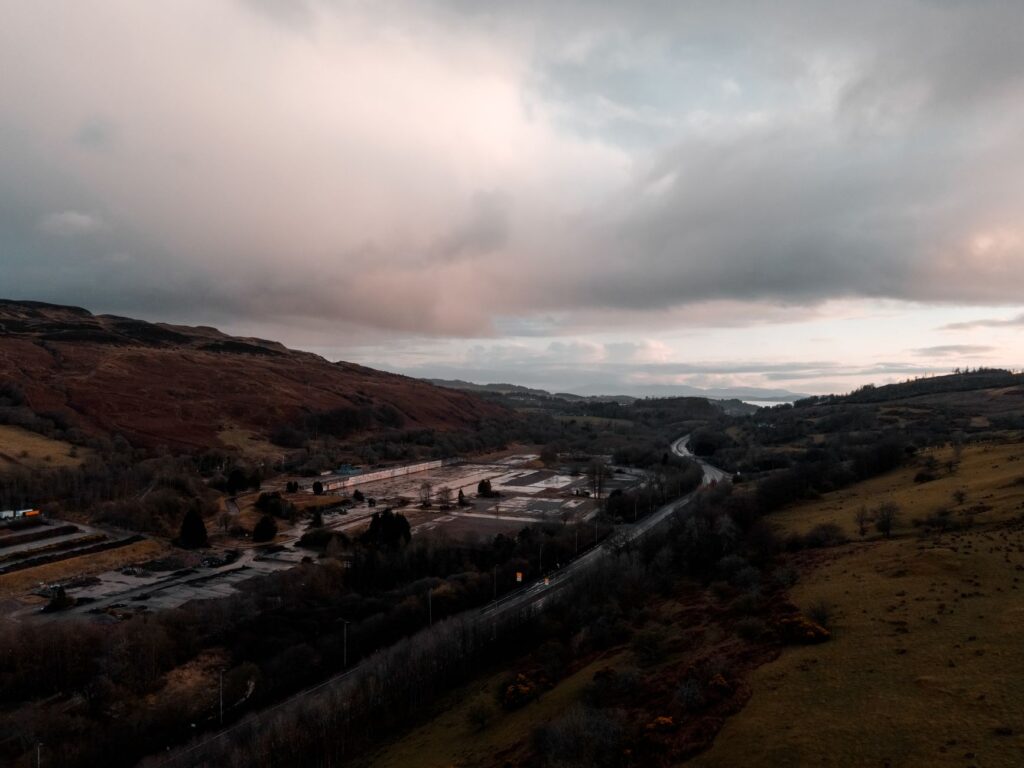
At the northernmost tip of Great Britain, where the Atlantic gale relentlessly whips across treeless expanses, lies one of the planet’s oldest and most valuable ecosystems: the Flow Country. This vast expanse of ancient peatlands is far from a passive landscape; it is an active carbon sink and a living climate archive. For decades, poorly planned human interventions threatened to drain this humid labyrinth, drastically altering its biodiversity and hydrological retention capacity. Today, an ambitious movement of conservation and fluvial ecotourism is rewriting the region’s future, proving that wetland protection can coexist with a deeply transformative, environmentally respectful travel experience.
Caithness’s transformation is driven not by fleeting trends, but by an urgent ecological imperative championed by scientists, naturalists, and local residents. Through the rehydration of artificial drainage ditches and the progressive removal of exotic conifers planted in the mid-twentieth century, the landscape is reclaiming its original pulse. Travelers venturing into this area no longer seek mass tourism or conventional comforts, but rather a reflective immersion in a territory where water, the mossy expanse, and silence dictate the rules of mobility and observation.
The Renaissance of Ancient Wetlands
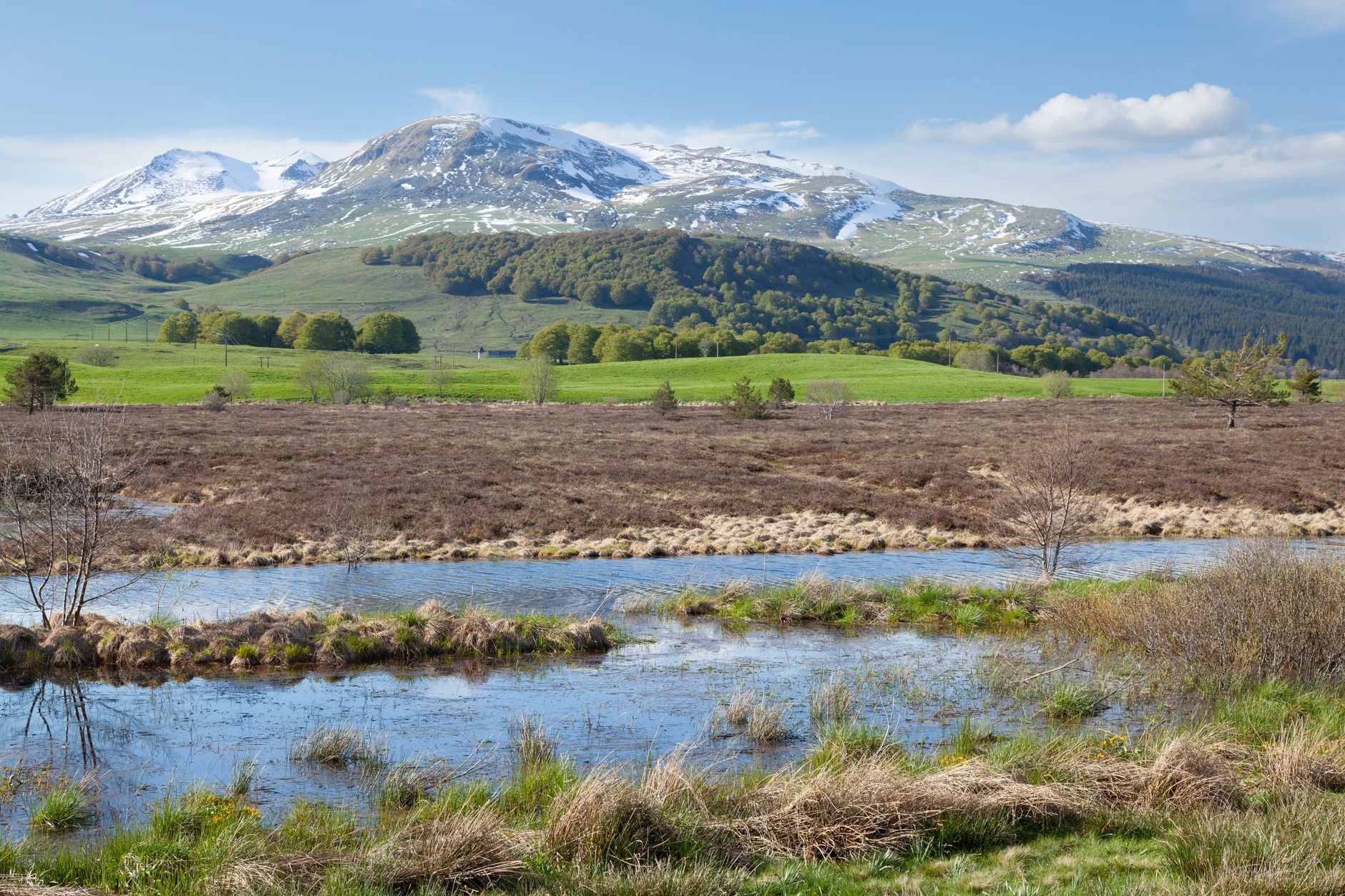
At the heart of this transformation lies the hydrological recovery of the Flow Country peatlands. During the 1980s, massive commercial tree planting for timber gravely disrupted the area’s water table balance. The suffocation of the soil caused by roots and the subsequent drying of the upper layer released tons of carbon dioxide into the atmosphere, reversing the territory’s historical role as a net sink for greenhouse gases. Current restoration efforts demand millimetric precision: specialized crews dismantle drainage ditches and block channels with compacted peat blocks and native timber dams to raise the water table once again.
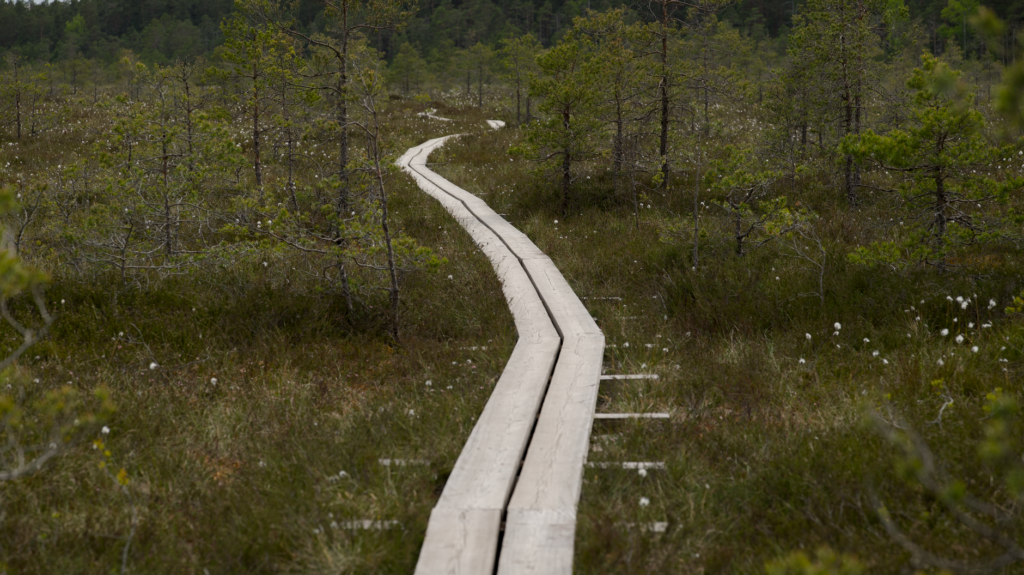
This rewetting process not only halts the decomposition of organic matter accumulated over millennia, but also restores vitality to native flora, dominated by carnivorous plants such as sundews and various species of Sphagnum moss. The recovery of these primordial habitats has allowed endangered wading birds, such as the red-necked phalarope and the golden plover, to return. For the visitor, observing this rebirth from elevated wooden boardwalks, specifically designed to prevent erosion of the fragile terrain, offers a masterclass in the resilience of boreal ecosystems and the patience true environmental conservation demands.
Low-Intensity Fluvial Mobility as a Sustainable Alternative
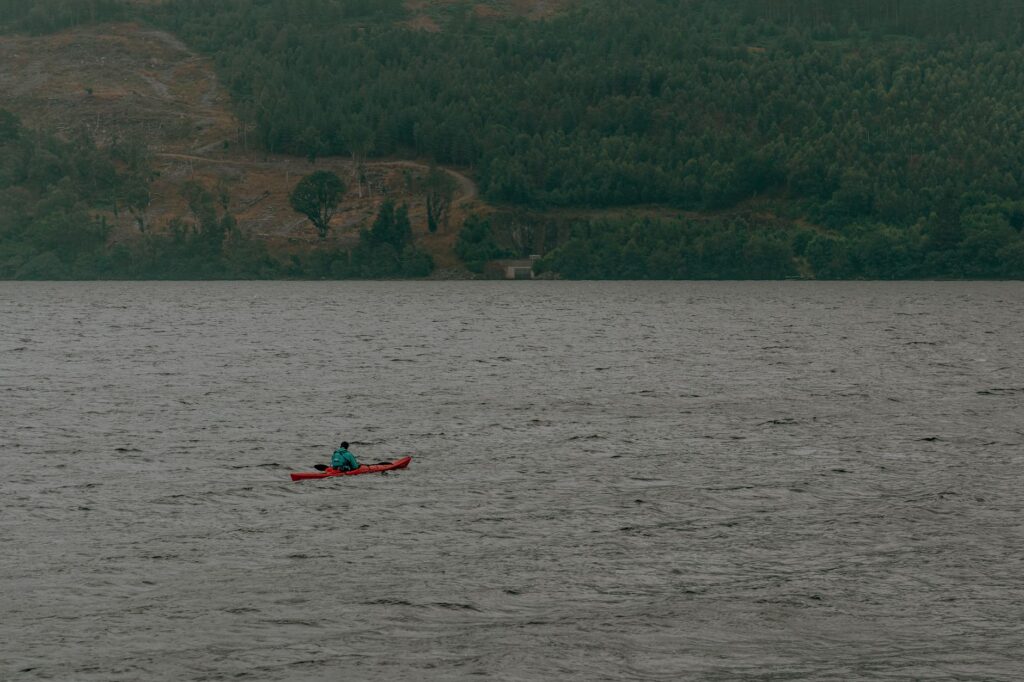
To explore this vast territory without leaving a destructive footprint, local communities and environmental managers have developed a network of aquatic routes based on non-motorized river navigation. The rivers and streams winding through the peat plains have become soft-mobility corridors, where traditional kayaks and human-powered watercraft allow naturalists and advanced travelers to penetrate restricted-access areas. This mode of transport not only eliminates acoustic and atmospheric pollution, but also transforms the perspective of travel: the rhythm of the water dictates the speed of the journey, compelling the observer to tune into the natural cycles of the environment.
Integrating these river routes with community stopover points has revitalized small villages that previously suffered from slow demographic isolation. Former peat stores and disused railway stations have been converted into interpretation centers and departure points for expeditions guided by local biologists. This symbiosis between sustainable river transport and the proximity economy ensures that revenue generated by ecotourism remains entirely within the region, directly funding water quality monitoring and the upkeep of low-impact infrastructure.

Citizen Science as a Pillar of Mindful Travel
One of the most unique features of ecotourism in the Flow Country is the active participation of visitors in scientific research programs. Far from adopting a passive role, travelers traversing the conservation trails are invited to assist in water sampling, recording bird sightings, and measuring moisture levels across peat profiles. This participatory approach turns every stay into a profound educational experience, blending vacation leisure with scientific outreach and heightened awareness regarding the fragility of boreal carbon sinks.
Local research centers, in partnership with Scottish universities, organize evening workshops analyzing soil microbiota and discussing the effects of climate change in northern latitudes. This two-way transfer of knowledge empowers the visitor, equipping them with analytical tools to understand that every logistical decision in their journey—from the chosen mode of transport to respecting pedestrian transit rules—directly impacts the stability of these fragile ecosystems. Science thus ceases to be a distant academic exercise and becomes the compass guiding every step of the traveler in the Scottish north.
True sustainability does not consist of seeking a zero impact, but in understanding that our presence in the most fragile landscapes must leave a legacy of regeneration and knowledge.
Vernacular Architecture and Low-Impact Materials
Developing tourism infrastructure in such a delicate environment has required a thorough review of traditional construction techniques. New visitor reception centers, researcher shelters, and timber walkways are built under rigorous standards of bioclimatic architecture and reversibility. Priority is given to local stone, sustainably managed coniferous timber, and natural insulation derived from dried peat fiber. These floating or pile-elevated structures prevent soil compaction and allow natural hydrological flows to continue without artificial interruptions.
This aesthetic and functional commitment to the landscape not only protects the physical environment, but also establishes a respectful dialogue with the architectural memory of the Highlands. Constructions blend into the horizon through green roofs and a color palette drawn directly from the ochre, brown, and greenish tones of the peatland. For the traveler, staying or receiving information in these spaces represents a unique sensory experience, where architecture ceases to be an element imposed upon the territory and becomes a harmonious extension of the ecosystem itself.
The Socioeconomic Challenge of Northern Rural Communities
The transition toward an ecological tourism and conservation model in Caithness is not without tensions and structural challenges. For generations, the local economy has relied on extractive industries, extensive livestock farming, and intensive forestry. Shifting toward comprehensive peatland protection and the promotion of fluvial ecotourism requires a profound rethinking of traditional revenue sources. Local residents must navigate between pride in their natural heritage and the economic uncertainty stemming from use restrictions across vast protected zones.
To mitigate these frictions, community associations and regional development bodies have promoted tourism service cooperatives that ensure ownership and resource management remain in the hands of residents. Local craft workshops, river guides trained within the county, and networks of rural lodging in historic homes ensure that the added value of regenerative tourism is equitably distributed. This model demonstrates that environmental conservation can become a demographic lifeline, attracting a new generation of professionals and visitors committed to the future of northern Europe’s rural communities.
Practical guide
How to get there: The main access to the Caithness region is via Wick John O’Groats Airport or through the historic Far North Line railway from Inverness, considered one of Britain’s most scenic and low-impact rail routes. Combining train travel with electric bicycles is recommended for internal transit.
When to go: The optimal months for fluvial ecotourism and bird watching span from late May to September, when daylight hours are maximized and weather conditions allow for safe navigation across the region’s rivers and streams.
Recommended accommodations: Prioritize rural guesthouses affiliated with the Caithness community tourism network and low-emission shelters managed by local conservation trusts.

Code of conduct: Venturing off elevated trails and wooden boardwalks is strictly prohibited to prevent irreversible degradation of the fragile Sphagnum moss surface layer. River navigation must be conducted exclusively through authorized operators using non-motorized watercraft.
Essential gear: High-performance waterproof clothing, hiking boots with breathable membranes, long-range binoculars for wildlife observation, and waterproof storage systems for electronic equipment due to constant ambient humidity.
The Silent Pulse That Transcends the Horizon
As evening falls, when the oblique light of the boreal summer dyes the vast plains of Caithness in amber and violet, the landscape acquires an almost metaphysical dimension. Water accumulated over millennia within the depths of the peat reflects the vastness of the Scottish sky, reminding us that Earth’s history is written not only in grand stone monuments, but in the subtle and silent breathing of its wetlands. Walking along these elevated paths, feeling the soft crunch of moss and the constant whisper of the Atlantic wind, is an exercise in humility and profound reconnection. The preservation of this natural sanctuary proves that traveling with consciousness is possible, transforming our perspective so that the future of the planet’s most fragile ecosystems continues to beat strongly within the hearts of new generations.