
Introduction to the Great Namib Desert and Its Geographical Significance
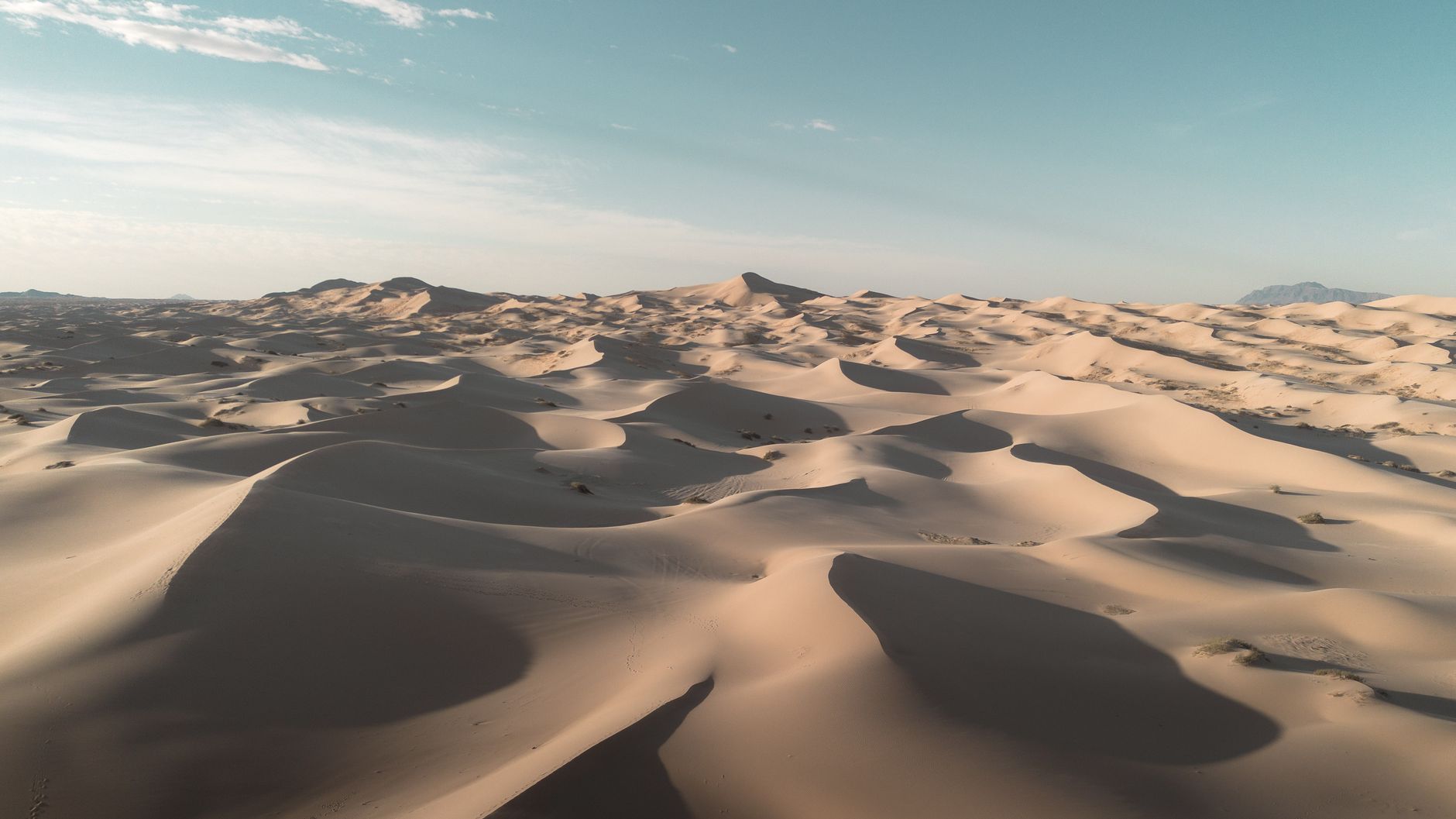
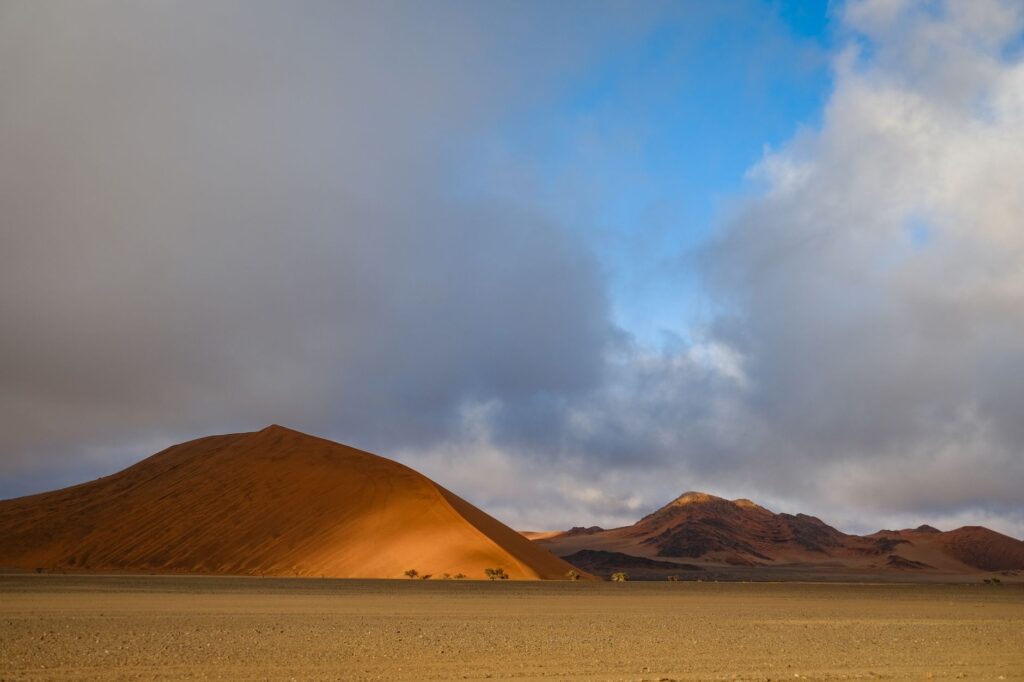
The Namib Desert, stretching over two thousand kilometers along the Atlantic coastline of southwestern Africa, represents one of the oldest, most unforgiving, and fascinating terrestrial environments on the planet. With an estimated age exceeding fifty-five million years, this hyper-arid territory is not merely a sterile sea of sand, but a complex geomorphological system shaped by the cold Benguela Current and dominant trade winds. Undertaking an expedition traverse across its most remote formations demands an absolute shift in perspective compared to conventional geography. Here, the absence of stable topographical reference points, coupled with the brutal daily thermal amplitude, turns every vehicular or foot movement into a meticulous exercise in technical precision and ecological respect.
For the traveler specializing in high-demand expeditions, the Namib poses a challenge of radical self-sufficiency. Unlike mountain ranges or tropical rainforests, where the environment offers life-support elements with proper knowledge, this desert relentlessly punishes any hint of improvisation. Fine quartzitic sand behaves like a dense fluid beneath tires, and direct solar radiation degrades technical equipment just as quickly as it dehydrates the human body. Understanding the dynamics of this landscape is not optional: it is the sole guarantee of return.
Logistical Planning and Access Permits in Protected Areas
The backbone of any successful expedition to the Namib lies in the bureaucratic and logistical planning phase prior to entering the terrain. Most interior regions and highest dune cordons are strictly protected under the jurisdiction of Namibia’s Ministry of Environment, Forestry and Tourism, as well as within the boundaries of the Namib-Naukluft National Park. Obtaining the necessary permits requires months of advance management, environmental bond deposits, and, in many cases, the obligation to travel accompanied by guides certified by local authorities due to the extreme fragility of endemic ecosystems.
The selection of the vehicle fleet is the next critical factor. Robust 4x4s with dual transfer cases, cabin-operated tire inflation and deflation systems, heavy recovery kits—including sand ladders, high-tensile straps, and hi-lift jacks—and a fuel capacity guaranteeing a minimum autonomy of eight hundred kilometers under severe deep-sand driving conditions are mandatory. The golden rule of modern expeditioning dictates that weight must be distributed minutely to maintain a low center of gravity, preventing rollovers on dune crests.
Critical Water Resource Management in Hyper-Arid Environments
In the heart of the desert, water ceases to be an everyday resource and becomes the most valuable and scarce currency. Water planning for a multi-day traverse must be calculated on a strict baseline of five to seven liters per person per day exclusively for consumption and hydration, plus an additional technical reserve destined for engine cooling and potential medical emergencies associated with heatstroke or severe dehydration.
Storage systems must be redundant. Rigid tanks integrated into the vehicle chassis are complemented by sealed high-density polyethylene jerrycans stored internally to avoid direct exposure to external solar radiation, which can degrade plastic and alter the taste and potability of water. Furthermore, it is imperative to have multi-stage filtration systems and purifying tablets, as the scarce underground water sources or abandoned artisanal wells occasionally crossed along historical routes typically exhibit high levels of salinity and microbiological contamination from native fauna.
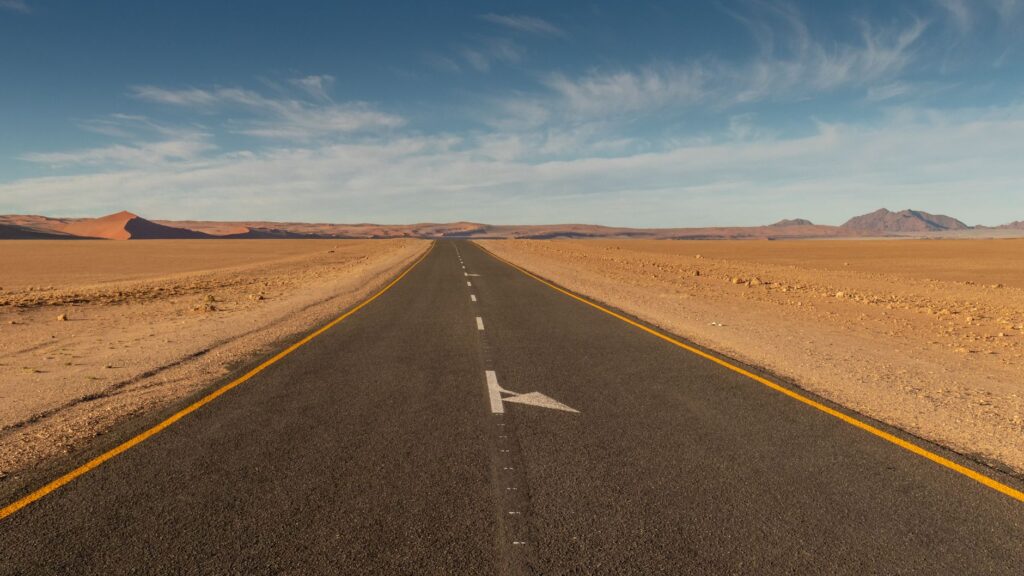
Thirst in the Namib does not announce itself with a sore throat; it settles stealthily into the capacity to make logical decisions under the midday sun.
Orientation, Cartography, and Land Navigation Without Signals
The landscape of the Namib is a canvas in constant motion. Dominant winds continuously redesign star dunes and longitudinal cordons, erasing tracks, trails, and visual references within hours. In this scenario, terrain dead-reckoning navigation based exclusively on visual observation is suicidal. Expedition members must combine multiple technological and traditional layers: Global Positioning System (GPS) units with preloaded vector topographic cartography, two-way satellite communication phones, Personal Locator Beacons (PLBs), and compensated high-precision compasses.
However, electronic technology is vulnerable to power failures from overheating and battery drainage. Therefore, the use of topographic charts printed on water- and tear-resistant paper, along with systematic course calculation via magnetic declination and triangulation of distant focal points—such as inselbergs or basal rock outcrops emerging from the sand sea—remains a fundamental skill for contemporary land navigators.
Extreme Meteorology and Thermal Amplitude in the Great Desert
The climatology of the Namib is marked by extreme thermal contrasts that defy human and material resistance. During the central hours of the day, ambient temperature in clay and salt pans—the famous vlei—can easily exceed forty-five degrees Celsius, while surface sand temperature reaches lethal values for conventional footwear, surpassing seventy degrees. Nonetheless, at sunset, the absence of cloud cover and low relative humidity cause a drastic thermal collapse, frequently dropping thermometers below freezing in interior plateaus and high-elevation zones.
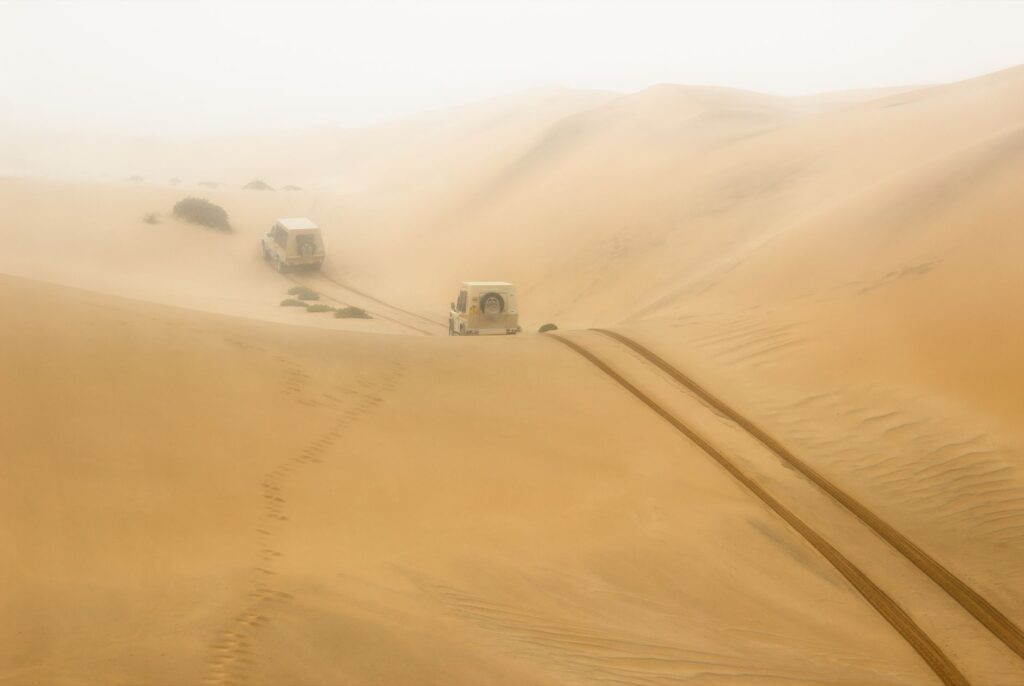
This daily thermal cycle generates violent katabatic winds descending from the Great Escarpment toward the Atlantic coast, kicking up sandstorms capable of entirely blinding visibility and clogging engine air filters within minutes. The crew must be trained to establish emergency defensive camps, securing tents with special anchors for soft sand and protecting electronic equipment from the fine abrasion of quartz dust.
Endemic Flora and Fauna: Extreme Adaptation to the Environment
Despite its desolate appearance, the Namib harbors a unique biodiversity on Earth, evolutionarily adapted to the absolute scarcity of surface water. Iconic species like the fog-basking beetle (*Onymacris unguicularis*) have developed fascinating physiological strategies, such as the capacity to condense morning moisture from Atlantic mists on their elytra and subsequently direct it toward their mouths. Similarly, the *Welwitschia mirabilis* plant, a true living fossil endemic to this desert, can survive millennia by extracting environmental humidity through its only two ribbon-like leaves growing incessantly at ground level.
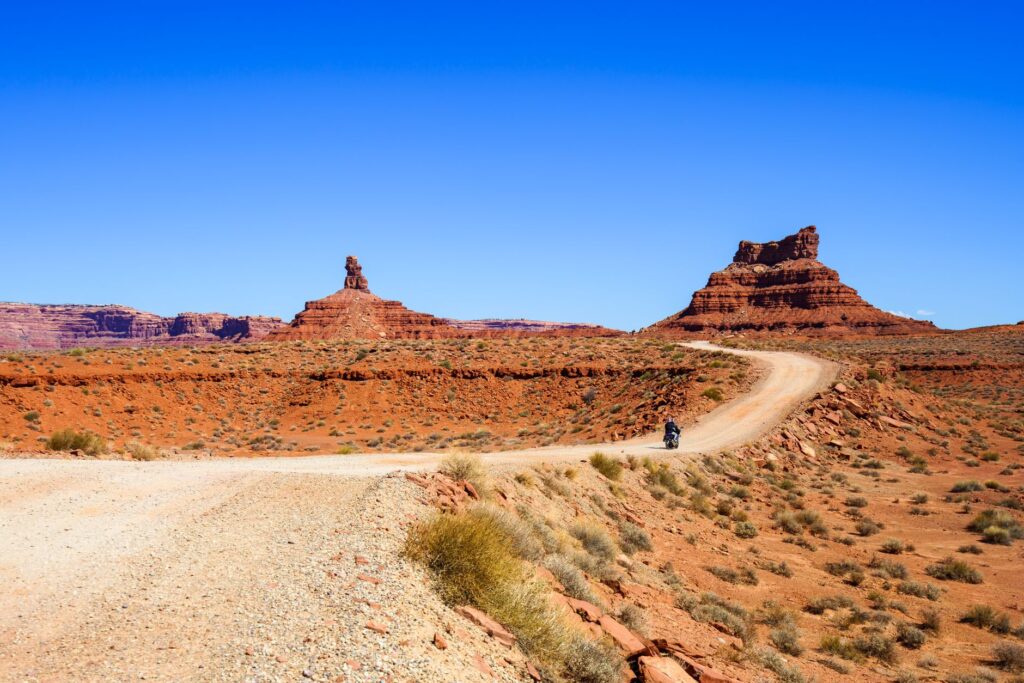
Respect for this fragile trophic web conditions every movement of the expedition. Straying from designated tracks in high ecological sensitivity zones is strictly prohibited to prevent the irreversible destruction of crustose lichens that take decades to recover, as well as disturbing the transit of large fauna, including oryx, Hartmann’s mountain zebras, and brown hyenas patrolling beaches and dunes for marine food washed ashore by tides.
Emergency Protocols, Self-Rescue, and Survival
Safety on a Namib expedition is founded on prevention and the assumption that outside help may take days to materialize due to vast distances and terrain complexity. Each vehicle must carry a written emergency protocol, understood by all team members, detailing actions to take in case of catastrophic mechanical failure, loss of orientation, accidents with traumatic injuries, or severe heat exhaustion.
- Establish fixed satellite contact points and non-negotiable check-in schedules with the external logistical base.
- Guarantee emergency food and high-density energy rations for a minimum of five additional days beyond the planned itinerary.
- Keep operational vehicles oriented toward the dominant wind to facilitate visual signaling in case of aerial rescue.
- Categorically prohibit solo walks outside the visual perimeter of the camp during peak solar radiation hours.
Essential Equipment for the Namib Traverse
The selection of personal and technical gear determines comfort and safety during weeks of expedition. Clothing must consist of natural fiber or technical long-sleeve garments with UPF 50+ ultraviolet protection, designed to block direct solar radiation and prevent dehydration from excessive perspiration. Footwear must be desert-specific: mid-cut boots with integrated gaiters that prevent fine sand from entering the interior, which causes disabling blisters within hours of marching.
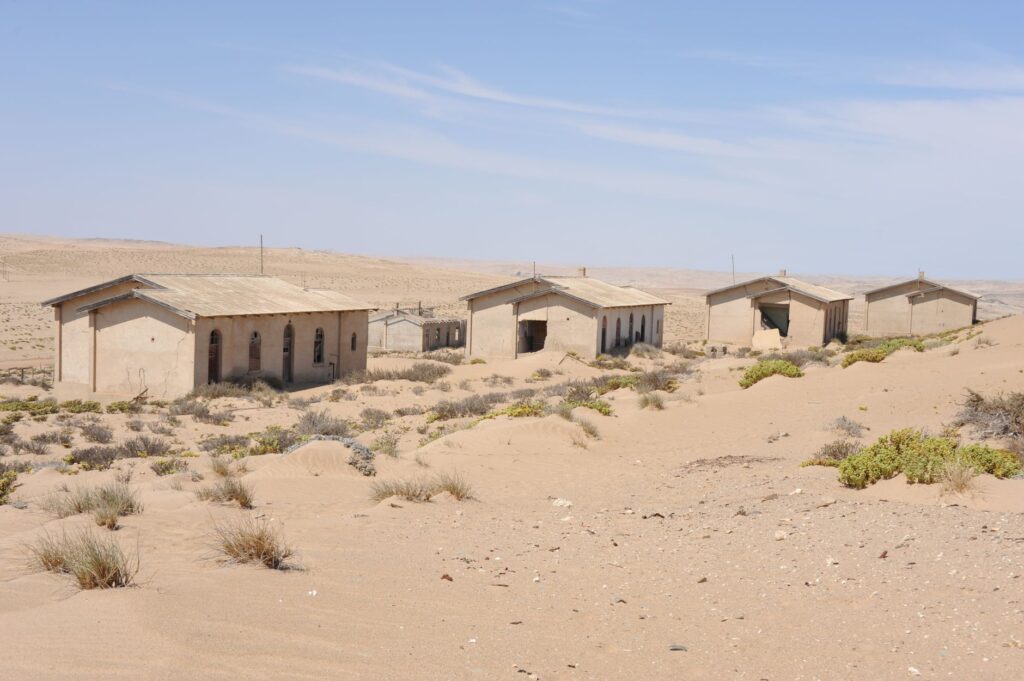
Camping equipment requires four-season tents with reinforced rainflies and aeronautical aluminum poles capable of supporting gale-force winds. Cooking systems must operate on multi-fuel or high-purity propane-butane gas, as conventional cartridge stoves drastically lose pressure with nighttime low temperatures. Sunglasses with sun protection category 4 and side shields are indispensable to prevent snow blindness or glare blindness across vast white quartz expanses.
The absolute silence that takes hold of the Namib at dusk is not emptiness; it is the imposing presence of geological time observing our ephemeral passage with indifference.
Practical Information for Expeditionaries
Planning a rigorous expedition to the Namib Desert requires attending precisely to several fundamental operational data points:
- Best time of year: May to September (Southern Hemisphere winter), when daytime temperatures are moderate, ranging between twenty and twenty-five degrees Celsius, drastically reducing the risk of heatstroke.
- Entry requirements and permits: Tourist visas according to nationality processed in advance, Namib-Naukluft National Park access permits, and specific authorization to camp in restricted concession remote zones.
- Connectivity: Zero cellular coverage outside main tourist enclaves; mandatory use of satellite phones (Iridium or Inmarsat network) and real-time GPS tracking devices.
- Currency and payments: Namibian Dollar (NAD) and South African Rand (ZAR) accepted as legal tender; carrying sufficient cash for fuel and community fees is essential, as ATMs disappear upon leaving the coast.
Conclusions: The Ethics of Exploration in Extreme Territories
Conquering the Namib Desert is measured neither in kilometers traveled nor in the speed with which its dune cordons are crossed, but in the depth of understanding achieved regarding its fragile ecological balance. A responsible expedition to this geological sanctuary demands a rigorous combination of technical humility, absolute respect for conservation regulations, and flawless logistical preparation that reduces human footprint on the terrain to zero. At the end of the traverse, the traveler understands that the Namib is not a territory designed to be dominated, but an ancient space teaching us the true dimension of our fragility against time and nature.