
The Pantry of the Sunlit Land
In the heart of Japan’s Chugoku region, the city of Okayama unfolds as a territory where agriculture dictates the rhythm of each season. Widely recognized as the land of sunshine due to its stable, temperate climate, this urban center maintains an intimate connection with its natural surroundings. From riverbanks to interior valleys, Okayama’s everyday cuisine originates not in commercial megakitchens, but in family-tended furrows that preserve secular traditions.
Walking through Okayama’s residential neighborhoods at dawn reveals how fresh ingredients travel seamlessly from local farms to corner shop counters. Unlike hyper-connected megalopolises, the pace of food here follows local harvests, prioritizing native varieties of vegetables, fruits, and grains that rarely cross prefectural borders. This localized food sovereignty forms the bedrock of the region’s culinary culture, a living heritage sustained without fanfare.
The geographical layout of the area, marked by fertile plains and traditional irrigation systems, fosters a diversity of crops that shifts with millimetric precision from month to month. Farming families pass down knowledge regarding soil rotation and water management across generations, ensuring every plot yields healthy crops without exhausting the ecosystem. This respect for natural cycles is directly reflected in the daily household table, where the family menu mirrors precisely what the land offers at any given moment.
The Morning Ritual at Traditional Markets
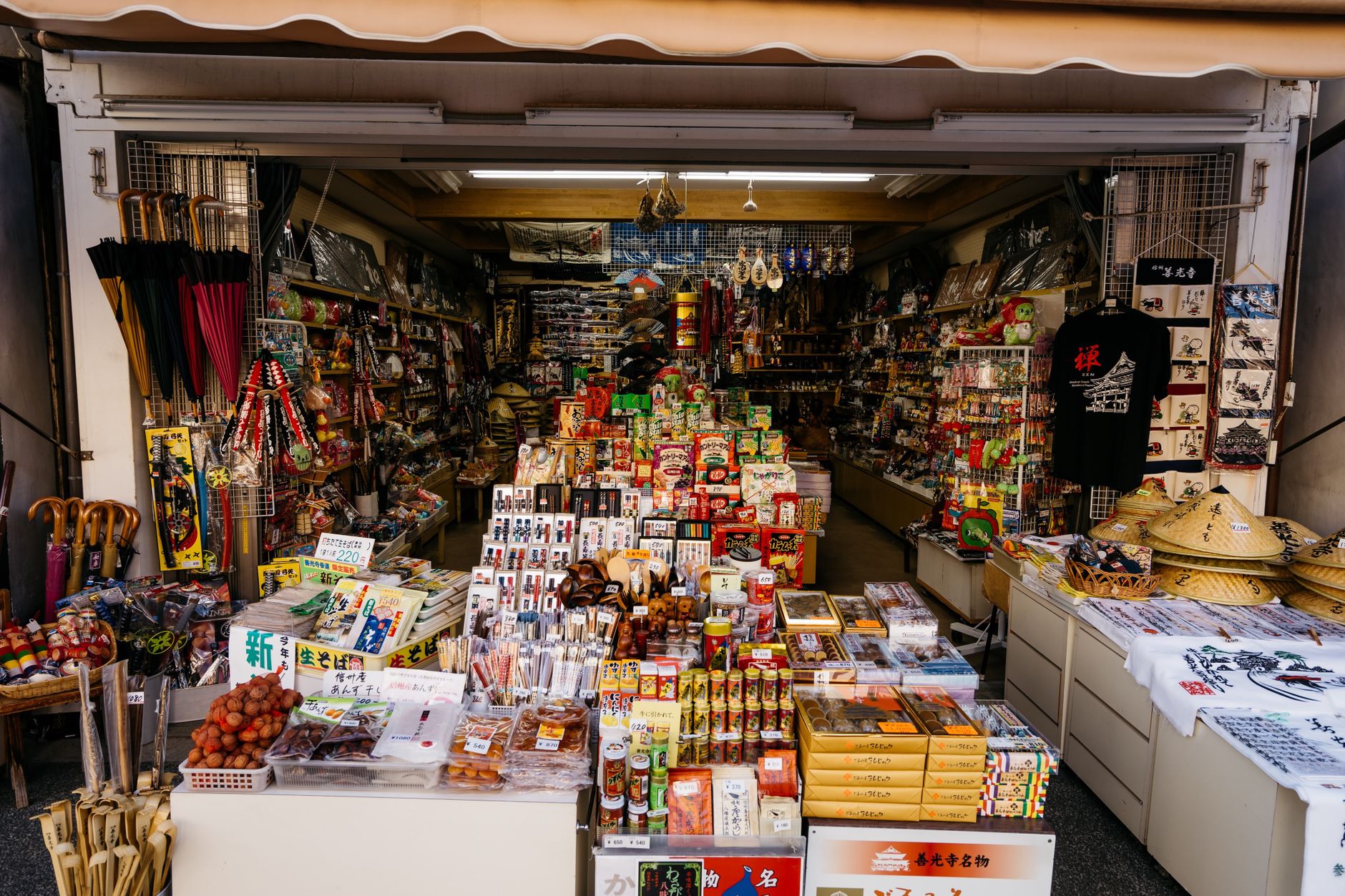
The restrained bustle of local markets sets the daily pulse of Okayama. Far from acting as mere tourist attractions, these provisioning spaces function as crucial hubs for social and economic exchange. Vendors arrange round eggplants, lotus roots, and seasonal citrus with meticulous precision, while neighborhood residents inspect the produce based on strict criteria of freshness and seasonality.
Market cooking in Okayama avoids artificial sophistication; its greatness lies in absolute respect for the ingredient and the ability to deliver pure flavor through minimal culinary intervention.
Along these covered aisles, the relationship between producer and consumer relies on mutual trust and ongoing dialogue regarding weather and botanical varieties. Regular shoppers know precisely which stall offers the most tender bamboo shoots in spring or the sweetest chestnuts as autumn begins. This oral transmission of culinary knowledge ensures that traditional recipes remain vibrant in city households, adapted continuously to seasonal availability.
Markets also function as spaces of collective memory where commercial uses and customs that tend to disappear in large globalized urban centers are preserved. Exchanging brief words about the recipe of the day or receiving advice on how to cook a less common vegetable forms part of a deeply human shopping experience, rooted in the daily life of Japan.
The Legacy of Rice and Grain Preparations
The geography of Okayama, crossed by the Asahi and Yoshii rivers, has historically encouraged the intensive cultivation of rice and other essential grains. This agricultural baseline led the local table to favor preparations where cereal acts as a structural element. Local rice vinegars, crafted through slow fermentation processes, impart a subtle acidity that defines the blue-fish dishes arriving from the Seto Inland Sea.
Similarly, the traditional industry of soybean and barley processing sustains a network of small artisanal workshops. Visiting these family-run facilities reveals a dense aroma of koji and steam, where makers monitor wooden fermentation vats with unwavering attention. These fermented bases support the broths and dressings that nourish daily soups and stews, proving that the gustatory complexity of Japanese cooking rests upon millennia-old biochemical processes executed with patience.
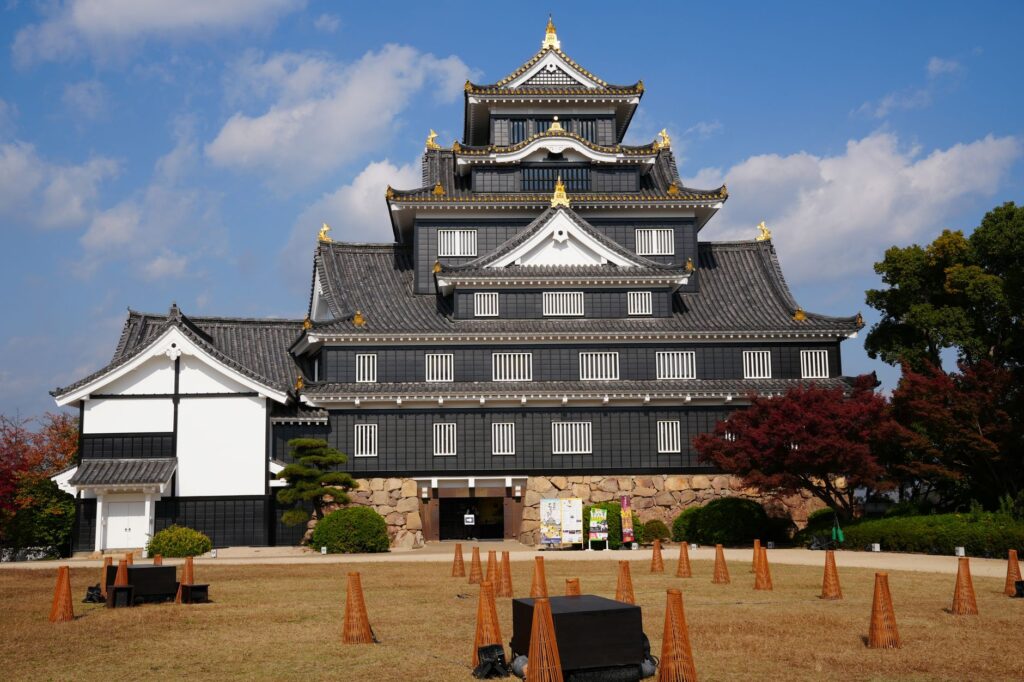
The use of grain is not limited exclusively to direct consumption as cooked food; it also encompasses the preparation of special flours, traditional pastas, and confectionary sweets that accompany ceremonies and everyday consumption. Each grain variety responds to a specific use within the popular recipe book, optimizing available resources in the environment and avoiding waste through the application of traditional preservation techniques.
The Climate’s Influence on Urban Fruit Growing
The unique microclimate of the Okayama plain, sheltered by mountain ranges that block cold northern winds, favors the cultivation of exceptional fruit. White peaches and muscat grapes, grown using individual tree-bagging techniques to protect them from insects and excessive sunlight, represent an undisputed agricultural pride.
During the summer months, street stalls and small shops display these botanical fruits like precious jewels. Their consumption is not an occasional luxury, but a seasonal celebration integrated into the local diet. Neighborhood bakers and grocers incorporate these fruits into simple preparations that highlight their natural sweetness, avoiding additives or complex processing that might mask the raw material.
The meticulous care that each fruit requires reflects a work philosophy where time invested in the field is as important as the final result in the market. Local farmers observe the growth of each cluster or individual piece, intervening only as necessary to ensure sunlight and soil nutrients act in perfect harmony.
Seto Inland Sea Fishing and Daily Marine Produce
Although Okayama is not strictly a coastal city, its direct proximity to the Seto Inland Sea supplies its markets with a singular marine variety. Daily catches from small artisanal boats include river eels, seabream, and various mollusks that arrive at the stalls mere hours after extraction.
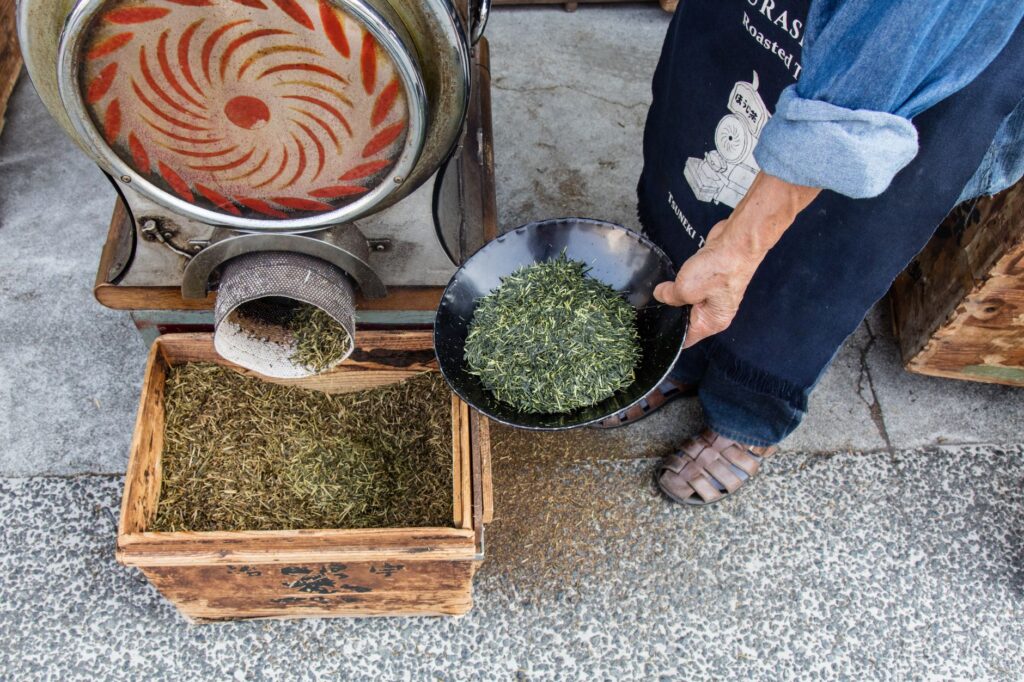
Local cooks process these fish using precise knife techniques and traditional preservation methods such as light salting or brief marination. This inland seafood cuisine demonstrates that the boundary between countryside and coast is fluid in this region, where rivers act as ecological and commercial corridors connecting mountain and sea.
The harmonious integration of freshwater products, plain agricultural resources, and Seto Inland Sea catches defines a complex and balanced gastronomic identity. This dietary diversity allows the daily diet to maintain varied nutritional input, based on the intelligent alternation of local resources throughout the year.
Sustainability and Responsible Visitor Choices
Contemporary travelers arriving in Okayama face the challenge of preserving this ecological and social balance. For the responsible visitor, the primary guideline involves integrating into local consumption circuits without altering them. This entails frequenting neighborhood markets, purchasing goods in bulk with reusable containers, and respecting the schedules and social norms of traditional establishments.
Conscious consumption in Okayama presupposes valuing the accumulated effort behind every dish, understanding that local gastronomy is a limited and fragile resource dependent on watershed health and the continuity of family farms.
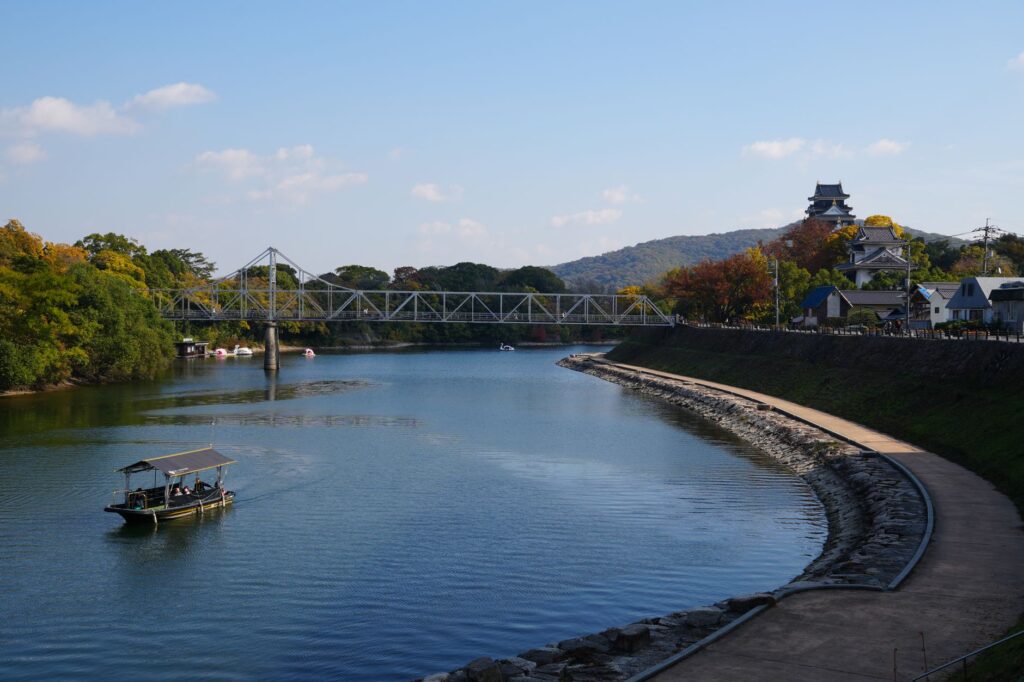
Furthermore, visitors are encouraged to prioritize walking or public transit through the urban fabric, reducing carbon footprints and allowing a more deliberate approach to the residential and commercial neighborhoods where the city’s true identity beats.
Adopting a respectful attitude also implies understanding the rest and provisioning rhythms of local merchants, avoiding interference in morning work dynamics, and contributing to the local proximity economy through thoughtful and fair trade purchases.
Practical guide
How to arrive: Okayama features exceptional railway connectivity via the Shinkansen high-speed national network, sitting within easy reach of major national hubs.
When to go: Spring and autumn offer optimal temperatures and the opportunity to witness major seasonal harvests.
Where to eat: The surroundings of the central market and small stalls in residential districts offer the best display of everyday cooking without tourist intermediaries.
Local norms: Consuming food while walking down the street is discouraged; it is preferable to eat near the purchase point or in designated areas.
Visual Epilogue in Okayama’s Evenings
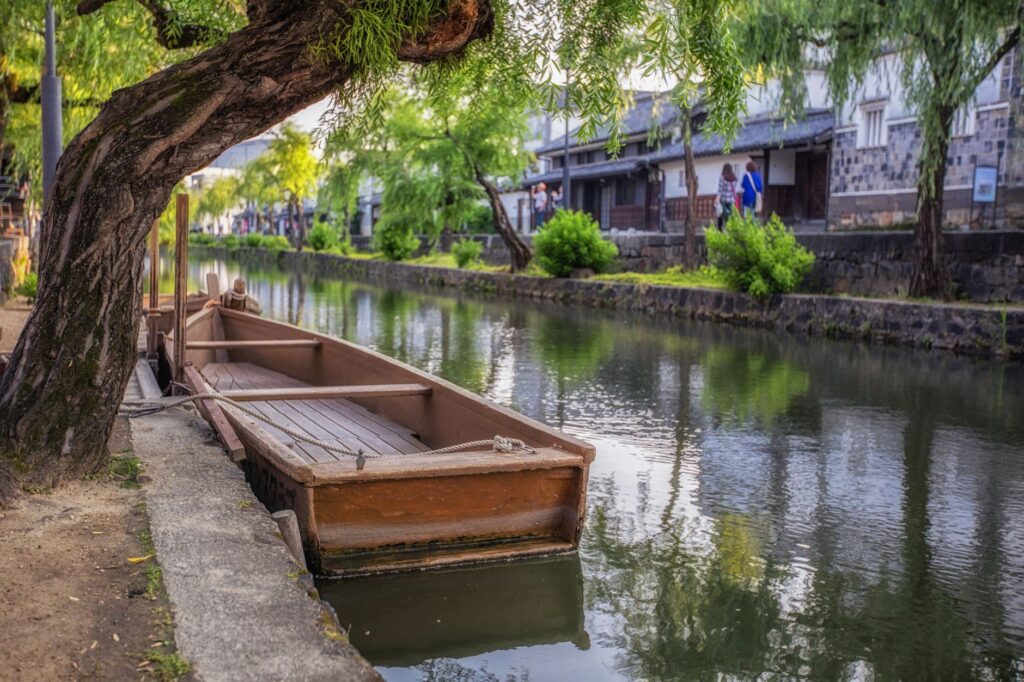
As afternoon declines over the canals and bridges crossing the city, golden light washes over market facades and residential alleys. This is the moment when vendors pack up their final goods and families tend to dinner fires. In that evening quietness, Okayama reveals its greatest virtue: the serene persistence of a community that continues to nourish itself from what its own land and waters provide each day, free of artifice or modern urgency.