
The Gateway of Two Worlds and Its New Iron Engineering
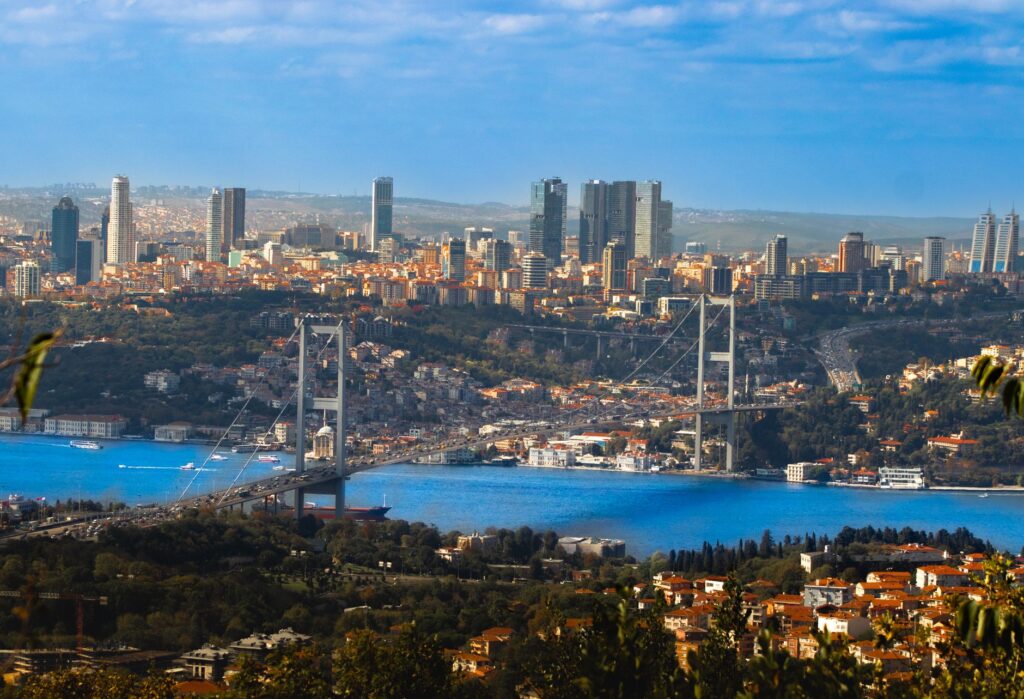
Istanbul has historically existed suspended between two continents, separated yet bound together by the dark blue waters of the Bosphorus. For centuries, transit between the European and Asian shores relied on traditional ferries, commuter boats, and suspension bridges which, while monumental, suffer from chronic congestion driven by the Turkish metropolis’s relentless demographic and tourist growth. Today, however, the city’s pulse is measured in millimetric precision beneath the seabed and along high-speed rail lines that are radically transforming how travelers experience this geopolitical and cultural crossroads.
The inauguration and ongoing consolidation of major guided transport axes represent much more than civil engineering works; they mark a profound mutation in contemporary tourism geography. For visitors arriving to explore beyond the conventional routes of Sultanahmet or Beyoğlu, understanding the modern rail network is an indispensable prerequisite for decoding the territory without falling into the traps of urban traffic. The current interconnected system makes it possible to cross from one continent to another in a matter of minutes—a milestone that reshapes both daily resident commutes and the strategies of international tour operators.
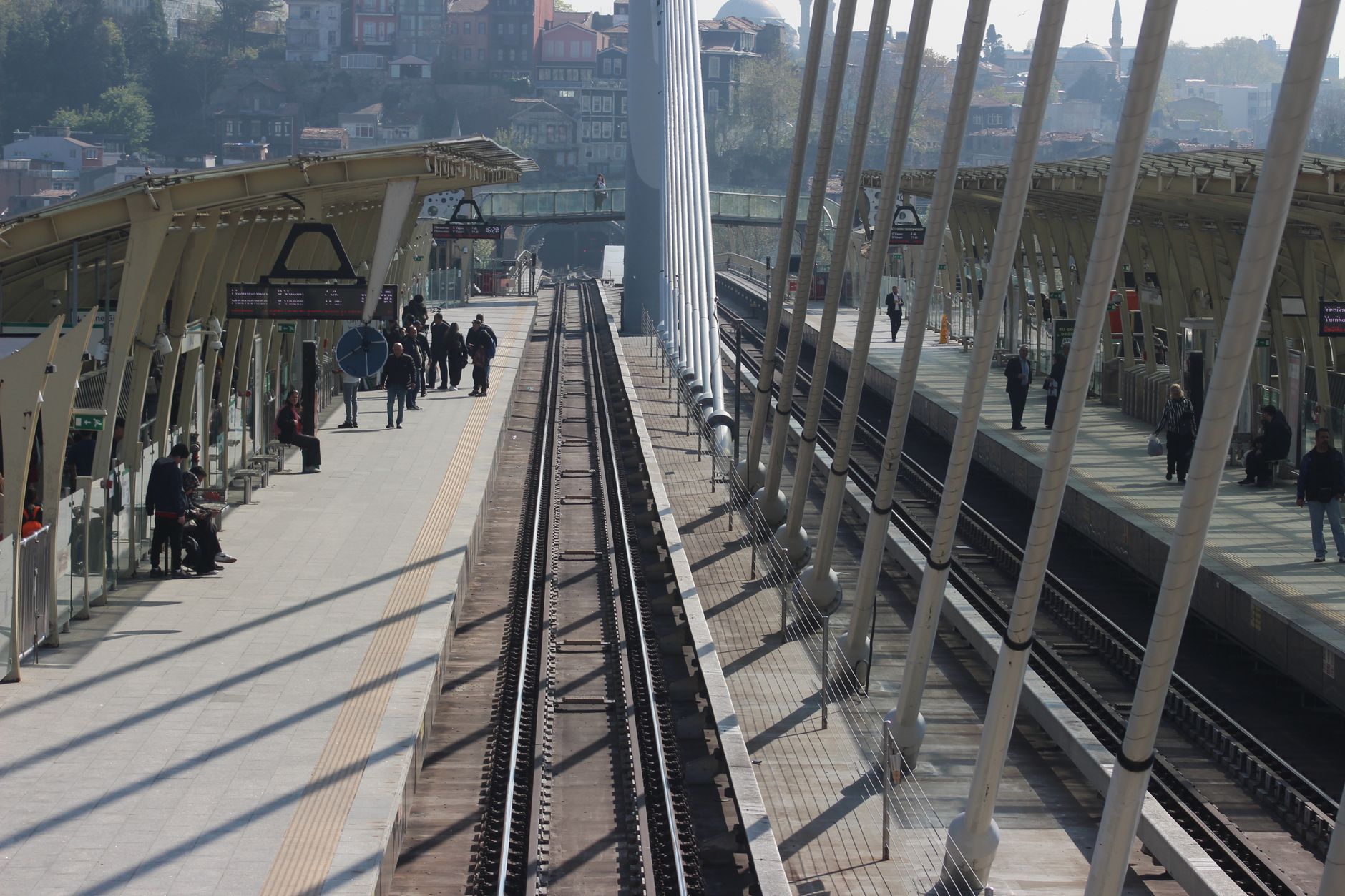
The deployment of these steel arteries responds to meticulous planning aimed at decongesting the historic center while integrating peripheral areas previously detached from heritage circuits. Stations are no longer mere transit points; they are modal interchange hubs where urban metro lines, modernized commuter trains, and long-distance corridors connecting Anatolia with the European border converge. This paradigm shift demands an informed gaze from the contemporary traveler, one capable of appreciating technical efficiency without losing sight of the scenic and human richness unfolding along the rail routes.
Beneath the Seabed: The Technical Feat of the Marmaray Tunnel
Few milestones in modern engineering have exerted such a direct impact on the travel experience as the submerged Marmaray tunnel. By connecting Halkalı on the European side with Gebze on the Asian side through a steel tube submerged in the Bosphorus floor, this colossal project eliminated the geographical barrier that for millennia divided the Eastern Roman Empire from the Ottoman domains. For the traveler, descending into the underground stations of Sirkeci or Üsküdar means embarking on a journey that defies the traditional logic of narrow navigation.
During the archaeological excavations required to build the terminals, engineers unearthed millennia of buried history, including the remains of the Byzantine Port of Theodosius and dozens of perfectly preserved medieval shipwrecks. Today, some of these stations function as site-museums integrated into the transport network, allowing passengers to contemplate ancient amphorae and foundations before boarding the next electric train. This compression of time and space transforms metropolitan transit into a direct immersion into the stratified layers of Eurasian history.
The high frequency of convoys—with intervals of just a few minutes during peak hours—has altered traditional tourist flows. Staying in peripheral neighborhoods on the Asian shore, such as Kadıköy or Moda, is no longer a logistical inconvenience but a strategic advantage for those seeking to escape the hotel bustle of the historic center and experience local life in its purest form. The train thus emerges as the great democratizer of the metropolitan territory.
High-Speed Rail as a New Tourism Frontier Toward Anatolia
Beyond the urban commuter network, the true inflection point for medium and long-distance travelers is the consolidation of high-speed rail services known as Yüksek Hızlı Tren (YHT). Departing from the central station of Söğütlüçeşme on the Asian side, aerodynamic convoys head toward classic destinations such as Ankara, Eskişehir, and Konya, opening up a wide array of possibilities for itineraries that completely dispense with regional air travel.
This high-performance rail connectivity allows for the structuring of multi-destination journeys with a considerably lower carbon footprint and schedule predictability far superior to road transport, which has historically suffered from congestion on ring highways. The journey toward inner Anatolia glides across landscapes of arid plateaus, agricultural valleys, and mountain foothills offering panoramic perspectives impossible to appreciate from a commercial airplane window. Terminal stations have been redesigned to offer integrated services, from tourist information desks to direct connections with local buses and car rental networks.
The economic impact of these lines on intermediate cities has been profound. Towns like Bilecik or Bozüyük, which once figured merely as geographical waypoints on a route map, now receive a steady stream of visitors interested in craft heritage and local gastronomy, thanks to the drastic reduction in travel times. For Turkey’s tourism sector, the current challenge lies in managing this growth equitably, avoiding the overcrowding of fragile enclaves and promoting root-bound territorial tourism.
The true transformation of Istanbul does not lie in the speed with which it moves us from one continent to another, but in its ability to weave a fluid narrative between millennial memory and twenty-first-century infrastructure.
Intermodality and Smart Cards: The Digital Ecosystem of Mobility
The complexity of a transport system moving millions of people daily demands universal and transparent access tools. At the center of this gear is the Istanbulkart, a contactless smart card that not only permits payment on subways, funiculars, city buses, and municipal ferries, but has also become the master key for accessing certain cultural services and public spaces managed by the administration.
For international travelers, acquiring and topping up this card at vending machines located in every station is the fundamental initiation rite. Fare interoperability encourages continuous transfer between different transport modes, economically penalizing private vehicle use while rewarding the intelligent combination of ferry and train. However, the digital learning curve and the recent regulatory requirement to register cards with local identity documents in certain scenarios demand ongoing attention from foreign visitors.
Official mobile apps and real-time information panels have notably improved the user experience, yet multilingual signage challenges persist in more complex exchangers such as Yenikapı. Comprehending the logic of these digital connections is just as important as consulting a monument guide, since journey fluidity depends directly on the ability to navigate this integrated technological ecosystem.
The Renaissance of Historic Stations as Cultural Centers
Istanbul’s railway terminals are not mere functional containers for travelers; they are industrial cathedrals from the late nineteenth and early twentieth centuries that bear witness to the geopolitical ambition of the late Ottoman era. Haydarpaşa Station on the Asian shore, with its imposing neo-Renaissance facade erected over the Bosphorus waters, and Sirkeci Station on the European side, famous for welcoming the legendary Orient Express, constitute architectural landmarks of the highest order.
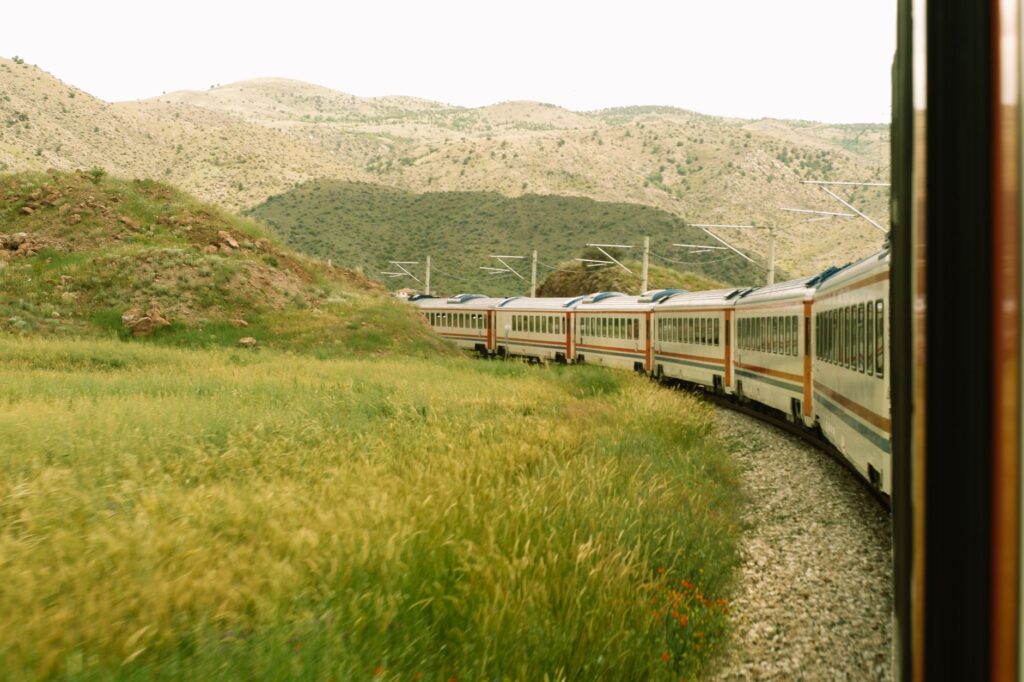
While Haydarpaşa navigates a delicate restoration process following decades of abandonment and a devastating fire, Sirkeci continues to combine its operational function with spaces dedicated to railway memory and temporary cultural events. Visiting these terminals reveals how the railway was originally conceived not solely as an economic tool, but as a symbol of modernity and a diplomatic bridge between the Ottoman Empire and European powers.
The integration of these historic buildings into the contemporary transport network raises complex heritage debates. Civic conservation associations closely monitor commercial valorization projects to ensure they do not distort the monumental character of the spaces, reminding observers that the value of these stations resides as much in their exterior architecture as in the atmosphere of transit and adventure preserved across generations.
Logistical Challenges and Sustainability in the Intercontinental Metropolis
Despite technological advancements and network expansion, Istanbul’s transportation system faces formidable challenges stemming from uncontrolled urban growth and the region’s seismic vulnerability. The North Anatolian Fault, running very close to the submarine and terrestrial layout of critical infrastructure, necessitates extraordinary safety protocols and permanent structural audits across bridges, tunnels, and underground stations.
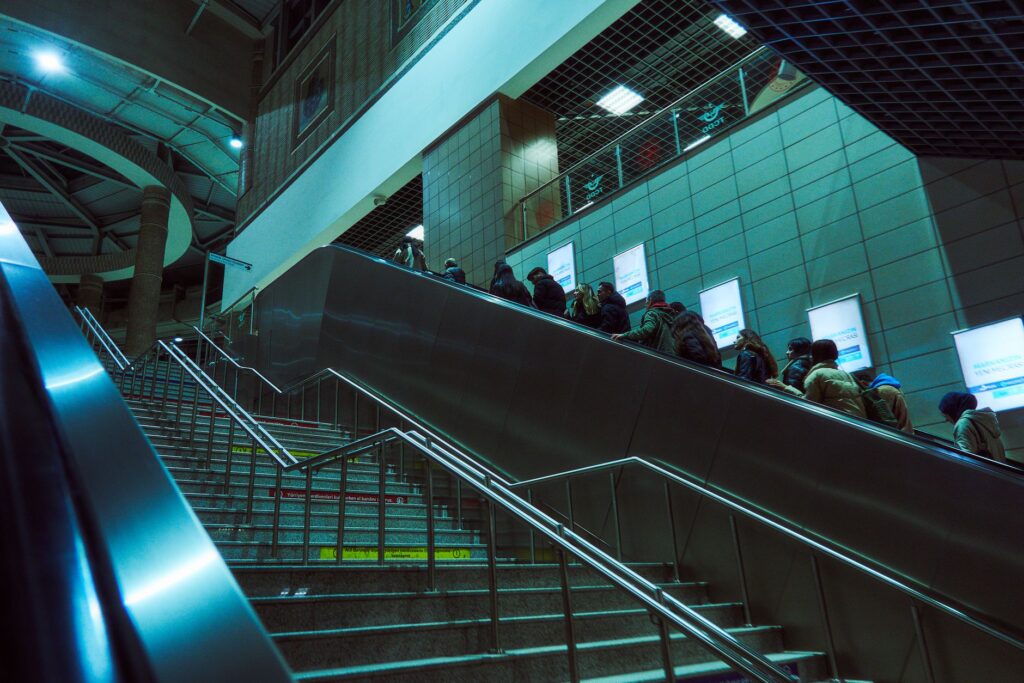
Likewise, service pressure during peak hours tests the system’s resilience. Crowding at transfer points forces authorities to implement automated access controls and regulate passenger flow via smart turnstiles. For the traveler, this translates into the need to plan journeys outside peak morning and evening rush hours, opting for more relaxed time slots that allow for greater travel comfort.
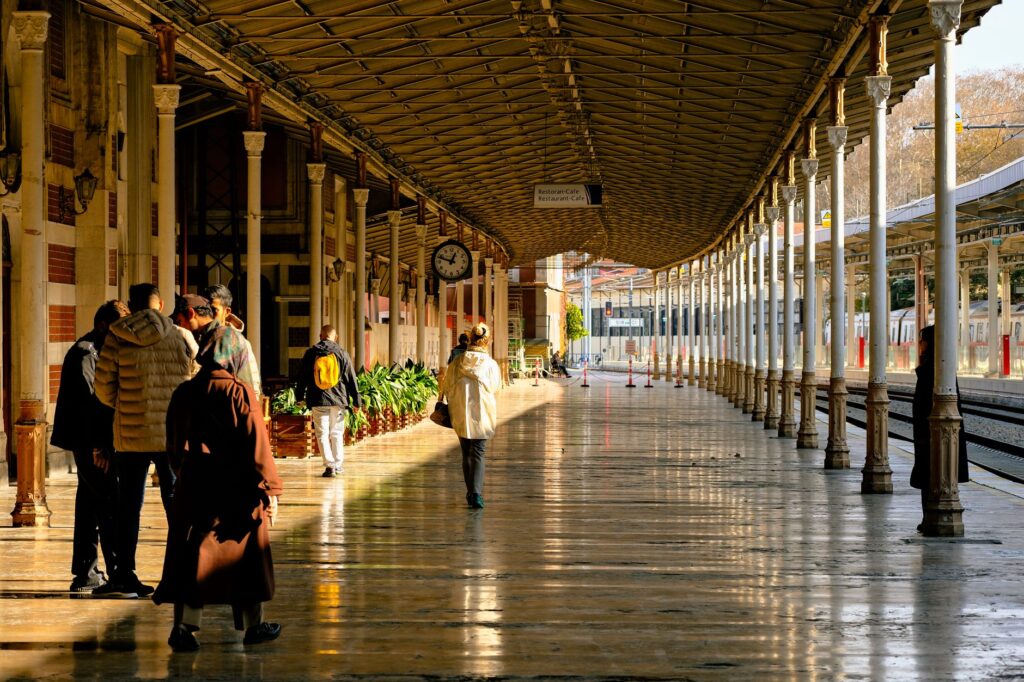
From an environmental perspective, massive electrification of the rail network and the prioritization of guided transit over private cars have helped mitigate greenhouse gas emissions in one of the world’s most populous urban agglomerations. However, energy supply and waste management derived from fleet modernization continue to demand long-term strategic investments to guarantee truly sustainable development.
The traveler exploring Istanbul by train discovers an intimate geography, where the roar of the great city merges with the steady rhythm of technical progress and the memory of empires.
Practical Information for Rail Travelers in Istanbul
Planning an itinerary that combines the urban network and high-speed trains in Istanbul requires keeping several fundamental operational guidelines in mind to avoid setbacks:
Acquiring the Istanbulkart: Available at any metro station or ferry pier. It is essential for accessing public transit turnstiles and supports top-ups via cash or bank card.
High-Speed Train (YHT) Reservations: Tickets for lines connecting to Ankara or Konya must be purchased in advance via the official state railways website (TCDD) or at ticket windows in major stations like Söğütlüçeşme.
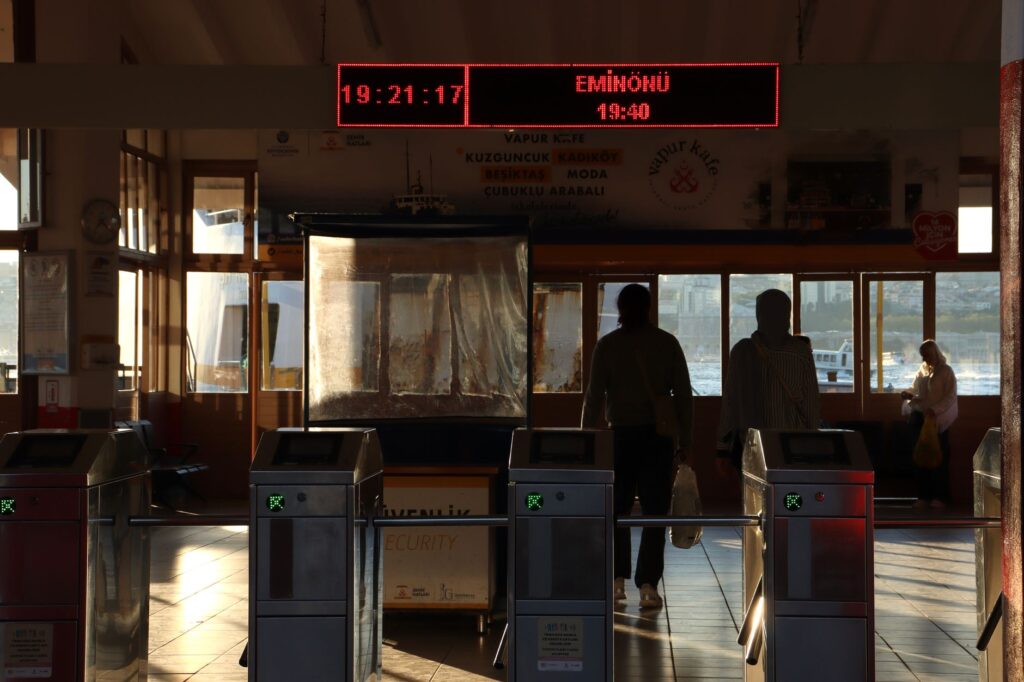
Luggage Restrictions: High-speed trains allow hand luggage and medium-sized suitcases in overhead compartments and designated car areas, with airport-style security checks at platform entrances.
Schedules and Seasonality: Urban frequencies run from 06:00 until midnight, while long-distance services adjust departures according to summer and winter schedules, making it advisable to check updates on official apps.
Universal Accessibility: Most modern metro stations and new trains feature elevators and ramps, though some historical stations or secondary stops may present significant architectural barriers.
Conclusion: The Journey as an Uninterrupted Bridge
Istanbul’s railway network and transcontinental links are no longer mere solutions to traffic problems; they have transformed into a travel experience in themselves. By stitching the territory together across two seas and two continents through high-precision rails and tunnels carved into living rock, the city offers visitors a unique perspective on its own complexity. Whether crossing the Bosphorus in a matter of minutes underwater or contemplating the geomorphological transition toward the Anatolian plains from the window of a fast train, the traveler enters a realm where technical modernity and the weight of history converse in perfect harmony. Far from commercial clichés, this network of iron and tunnels confirms that Istanbul’s true heart beats with the indomitable force of its connections.