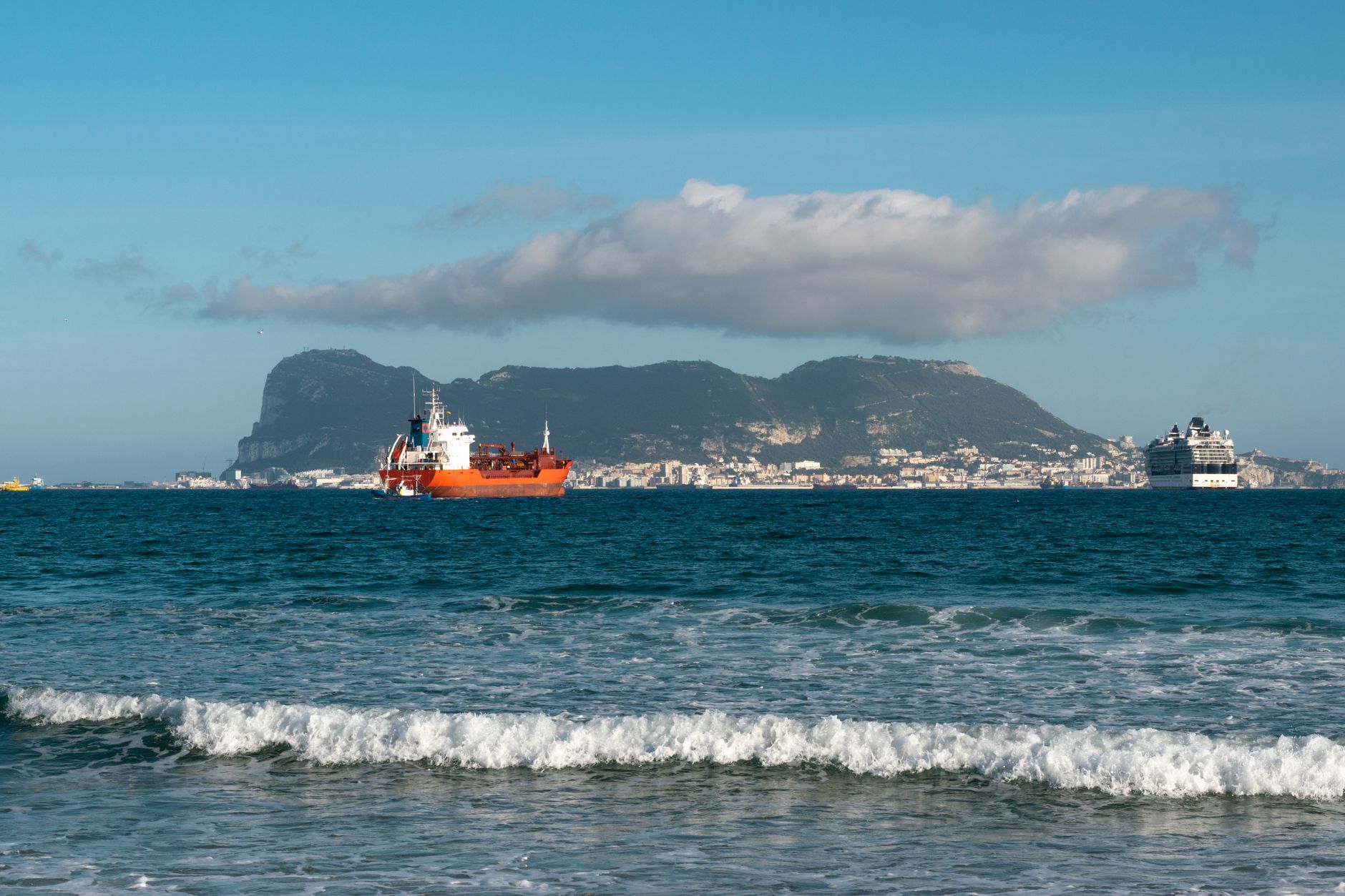

The Strait of Gibraltar is not merely a geographical accident separating Europe from Africa; it is one of the most complex, congested, and technologically demanding maritime arteries on the planet. Across a mere fourteen miles of minimum width, trade routes connecting the Atlantic to the Mediterranean converge, creating a scenario where open waters test the precision of naval engineering, the authority of harbor masters, and the resilience of international supply chains. In this dynamic corridor, the mobility of goods and passengers responds to a meticulous choreography executed every minute of the year.
Understanding the magnitude of this connectivity requires looking beyond the simple holiday crossing. Each day, dozens of high-speed vessels and ro-pax ferries brave crosscurrents and shifting winds to transport heavy trucks, private vehicles, and travelers between the Andalusian coast and northern Morocco. This blue highway represents a critical link in the global economy, where a delay of just a few minutes in dockings at Algeciras or Tanger Med can trigger a domino effect across logistics hubs deep within European and African interiors.
The Backbone of Ro-Pax Ferries and Docking Engineering
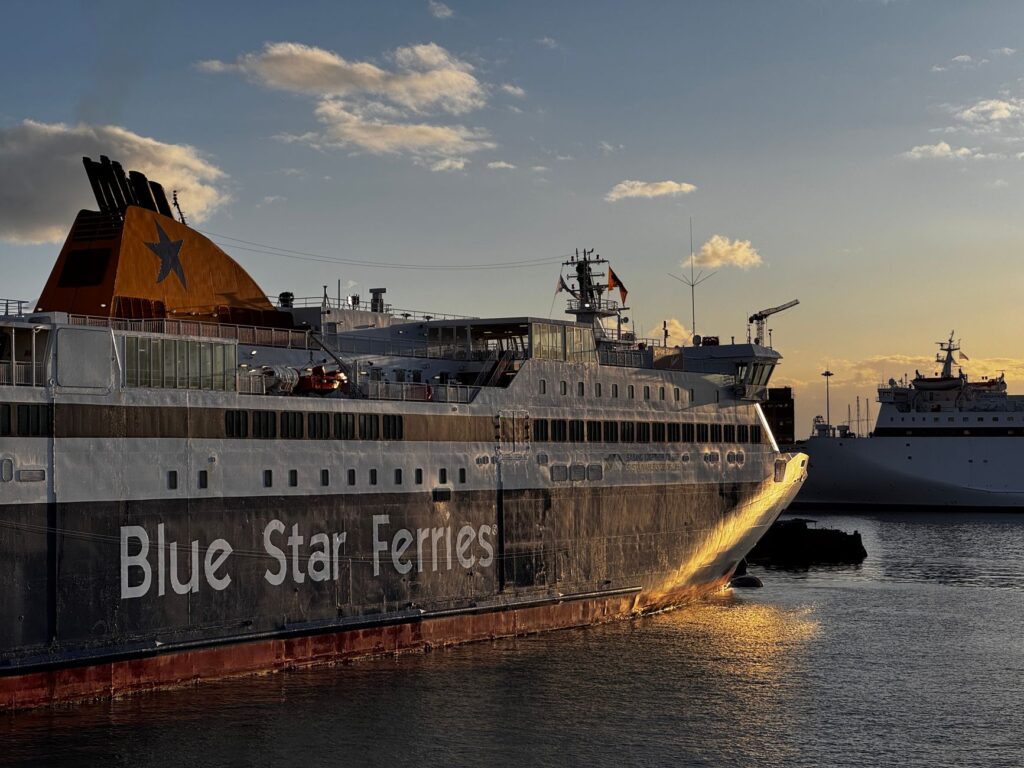
The fleet operating across the Strait consists primarily of ro-pax vessels, designed to accommodate both wheeled cargo and passengers with an efficiency optimized for short crossings. These steel leviathans operate under constant pressure, relying on tight turnaround windows for loading, stowage, transit, and unloading. The architecture of modern ports has transformed to accommodate this relentless demand. Dual-level articulating gangways, hydraulic ramps capable of supporting dozens of tons per axle, and automated mooring systems reduce port stays to historic minimums.

However, physical infrastructure must contend with the unpredictability of the marine environment. Tidal currents generated by salinity and level differences between the ocean and the inner sea create considerable turbulence near breakwaters. Ship captains and harbor pilots employ dynamic positioning systems and real-time bathymetric cartography to dock with millimeter precision even when gale-force easterly winds exceed critical safe thresholds. Human expertise remains the ultimate safeguard against automation in this critical stretch.
Traffic Management and the Vessel Traffic Service (VTS)
To prevent collisions in one of the world’s densest navigation zones, the Tarifa Maritime Traffic Control Center monitors every square meter of the water’s surface. Using long-range radar, AIS (Automatic Identification System), and permanent VHF communications, operators regulate Traffic Separation Schemes (TSS). No vessel crosses the Strait haphazardly; each journey is inscribed within strict virtual corridors separating east-west traffic from north-south paths, ensuring passenger ferries cross perpendicularly against the routes of massive container ships and ocean tankers.

This ironclad control is not without operational tensions. Adverse weather conditions, characterized by dense morning fogs or sudden storms, occasionally force temporary suspension of departures, generating massive queues of trucks in holding areas near industrial zones close to the ports. Managing these demand spikes requires exemplary binational coordination between Spanish and Moroccan authorities, sharing real-time data to modulate the arrival flow into the berths.
The Port Alliance Between Algeciras and Tanger Med
The success of connectivity in the Strait rests on a symbiotic axis formed by the Port of Algeciras, a Mediterranean leader in total traffic, and the Tanger Med port complex, strategically positioned on the northern African facade. This port duality transcends bilateral trade; it functions as an intermodal hub where deep-sea shipping lines converge with short-sea shipping services (motorways of the sea). Customs integration and the simplification of documentary procedures via electronic single windows have drastically reduced cross-border transit times.
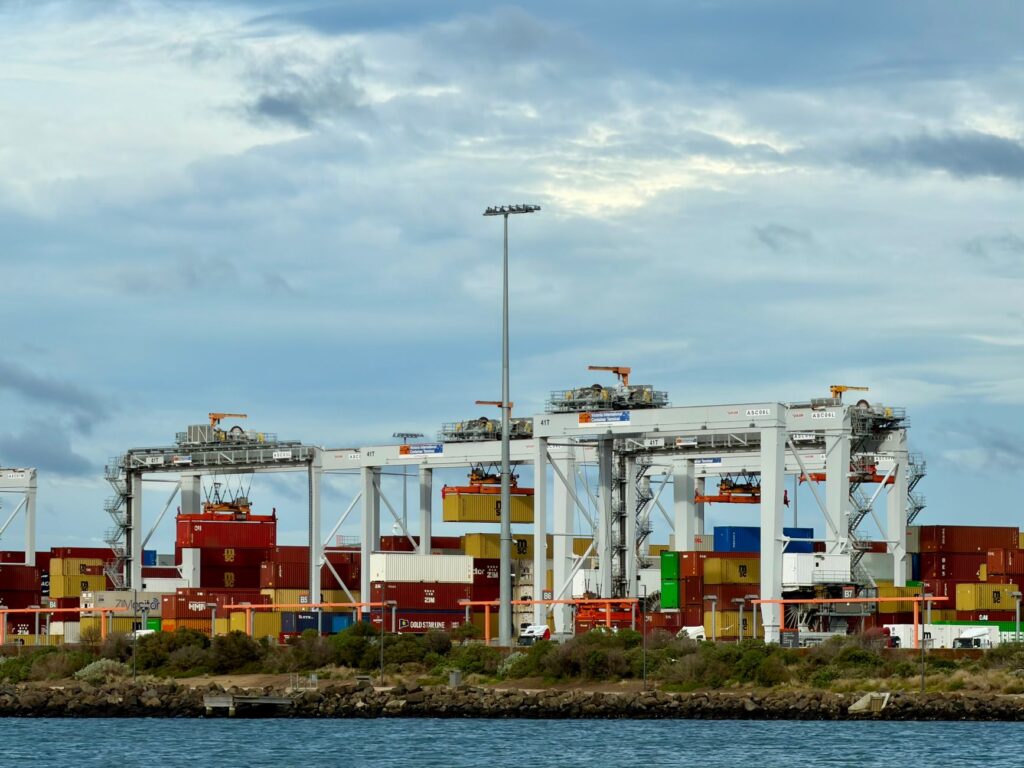
At the Tanger Med docks, continuous expansion has given rise to state-of-the-art terminals equipped with remote-controlled gantry cranes and non-intrusive scanning systems for containers and trucks. This technological capacity inspects hundreds of heavy vehicles within minutes without hindering the fluidity of the corridor. The transformation has turned this port not only into the gateway to Morocco, but into a logistical springboard for automotive and agricultural industrial exports bound for European Union markets.
The invisible line uniting two continents across fourteen miles of saltwater is, in reality, a dynamic fabric of steel, contracts, and operational trust that defies climate instability.
Intermodality also extends to passenger transport. During Operation Marhaba (Operation Crossing the Strait), Europe’s largest seasonal migration movement, millions of citizens cross from north to south during the summer months. Logistical coordination requires habilitating overflow parking lots, medicalized rest areas, and fixed-date-and-time ticket systems that prevent road congestion on approach highways, proving infrastructure can successfully adapt to extreme seasonal pressure.
The Energy Transition in the Fleets of the Strait
Faced with mounting international regulatory pressure to decarbonize maritime transport, shipping companies operating across the Strait of Gibraltar have undertaken deep fleet renewals. The shift toward liquefied natural gas (LNG)-powered vessels and hydrodynamically optimized hull designs are no longer futuristic alternatives, but operational realities on routes linking Algeciras, Ceuta, Tanger, and Melilla. These technologies drastically reduce sulfur and nitrogen oxide emissions, mitigating environmental impact in a marine ecosystem of high ecological value.
Additionally, pilot plans for dockside electrification (cold ironing) are underway, allowing ferries to shut down auxiliary diesel engines while docked and plug into the onshore electrical grid. This technical advancement not only lowers the overall carbon footprint of port operations but noticeably improves air quality in urban centers adjacent to port basins, reconciling heavy industrial activity with the coastal residential environment.
Geopolitical Challenges and Supply Chain Resilience
The geostrategic position of the Strait turns this corridor into a neuralgic point subject to international geopolitical and economic shifts. Fluctuations in trade agreements, tariffs, and migration policies directly impact cargo volumes. Nonetheless, the flexibility demonstrated by logistics operators has helped navigate recent global crises, from worldwide supply chain disruptions to health restrictions, keeping the supply of perishable goods and basic necessities operational at all times.
The resilience of this network relies on service diversification and continuous investment in digitalization. Implementing blockchain technology for shipping document traceability and adopting artificial intelligence to predict port congestion based on weather and traffic patterns consolidates the Strait as an advanced laboratory for international logistics, where public-private collaboration remains indispensable to maintaining competitiveness.
Practical guide
Planning a journey or a cargo shipment across the Strait of Gibraltar requires understanding the operational protocols of its main ports.
- Documentation and Visas: For passengers, holding a valid passport with at least six months remaining validity is mandatory. EU citizens do not require a visa for short tourist stays in Morocco, but foreign vehicles must complete the temporary customs import form (D16ter) upon arrival.
- Advance Ticket Booking: During peak periods (summer weekends and Operation Marhaba), advance purchase with an assigned time slot is strictly necessary to avoid long waits in holding lanes.
- Cargo and Goods Restrictions: Strict limits apply to bringing in certain agricultural products, medications, and undeclared foreign currency. It is advisable to consult current customs regulations issued by both the Spanish Tax Agency and Moroccan Customs Administration.
- Port Connectivity: The ports of Algeciras and Tarifa feature excellent rail and highway connections to the rest of the Iberian Peninsula, facilitating direct multimodal transit from Madrid or Seville.
Human Epilogue at the Port of Tarifa
As evening falls over the port of Tarifa, the silhouette of the African coast cuts sharply against a coppery horizon, recalling the physical and cultural proximity between two worlds in permanent dialogue across the sea. On the dock benches, the last travelers await the departure of the high-speed ferry while observing the tireless coming and going of pilots and sailors. Their faces reflect a blend of travel anticipation and the everyday familiarity of a route that defies traditional borders.
This constant connectivity is not merely a matter of moved tonnages or port statistics; it is the result of the invisible effort of thousands of workers who, amid night shifts, mechanical repairs, and navigation charts, sustain the pulse of a vital corridor. At the end of the crossing, when the vessel docks with millimeter smoothness at the destination port, an ancient ritual adapted to twenty-first-century speed is fulfilled: uniting continents upon the waves with the certainty that travel, rather than a mere displacement, is a perpetual bridge between cultures.