
Brisbane, Australia: The Architecture of Wooden Verandas and the Subtropical Rhythm of Neighborhoods
The geography of the capital of the state of Queensland, situated on the eastern coast of Australia, is defined by its constant relationship with the curves of a grand river and a warm climate that invites outdoor living. Unlike other major metropolises in the country, the city has built its architectural identity around climatic adaptation, prioritizing natural ventilation and integration with the surrounding natural environment. This commitment to the climate is not merely an aesthetic feature, but a functional necessity deeply rooted in local history.
Walking through its residential streets reveals an urban fabric where human scale still predominates in numerous historic neighborhoods. Local communities have managed to preserve a relaxed lifestyle marked by proximity to green spaces and a rich tradition of gathering in public squares, urban parks, and neighborhood markets that foster social cohesion without the rush of major megalopolises. Each district maintains a distinct atmosphere reflecting the welcoming and diverse character of its current residents.
The metropolitan environment extends with a low building density across most of its residential districts, favoring the presence of private gardens and mature groves that visually connect the streets with public parks. This urban morphology encourages walking and the daily use of bicycles, consolidating a habit of sustainable mobility rooted in local culture. Contemporary urban planning fiercely seeks to protect this balance between development and nature.
The city’s relationship with its geographical environment also translates into a highly developed environmental consciousness among its inhabitants. Urban reforestation programs and the protection of ecological corridors ensure that native wildlife maintains its habitats within metropolitan boundaries. Citizens actively participate in monitoring and caring for natural spaces, turning sustainability into a daily practice that defines the regional Australian identity.
Traditional Stilt Houses and Fine Hardwood
The most characteristic element of Brisbane’s architectural heritage is the wooden dwellings known locally as Queenslanders. These constructions, raised on high timber or brick stilts, emerged as an intelligent response to periodic flooding and the need to capture the subtropical breeze during the hot summer months. Their design allows air to circulate freely underneath and around the structure, mitigating high temperatures without relying exclusively on artificial climate control systems.
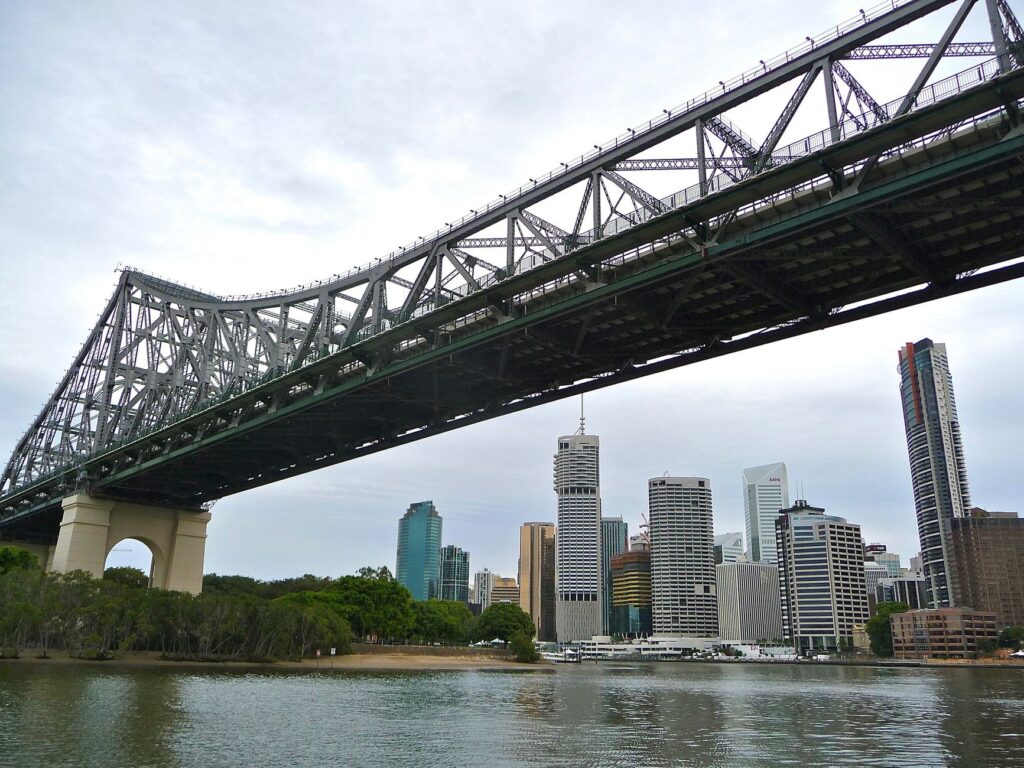
These structures feature wide wraparound verandas that act as transitional spaces between the interior and exterior, allowing daily life to unfold protected from direct sunlight yet open to the outside. The conservation of this architectural heritage represents a constant effort by neighbors and local authorities against the pressures of modern real estate development within the metropolitan area. Maintaining these constructions requires specific artisanal techniques and a continuous supply of appropriate timbers.
The ornamental carved wood details, corrugated iron roofs, and traditional latticework provide an unmistakable visual texture to older neighborhoods. Current urban planning regulations rigorously protect these blocks to prevent indiscriminate demolitions, ensuring that the residential landscape maintains its aesthetic coherence and historical memory against demographic growth. The owners of these homes often assume the role of cultural custodians.
The study of these construction typologies reveals a popular wisdom transmitted over generations that now inspires contemporary architects. By integrating traditional concepts of cross-ventilation and renewable materials into modern buildings, the city demonstrates that architectural the past offers perfectly valid solutions to the ecological challenges of the present.
The River Pulse and Riverside Public Spaces
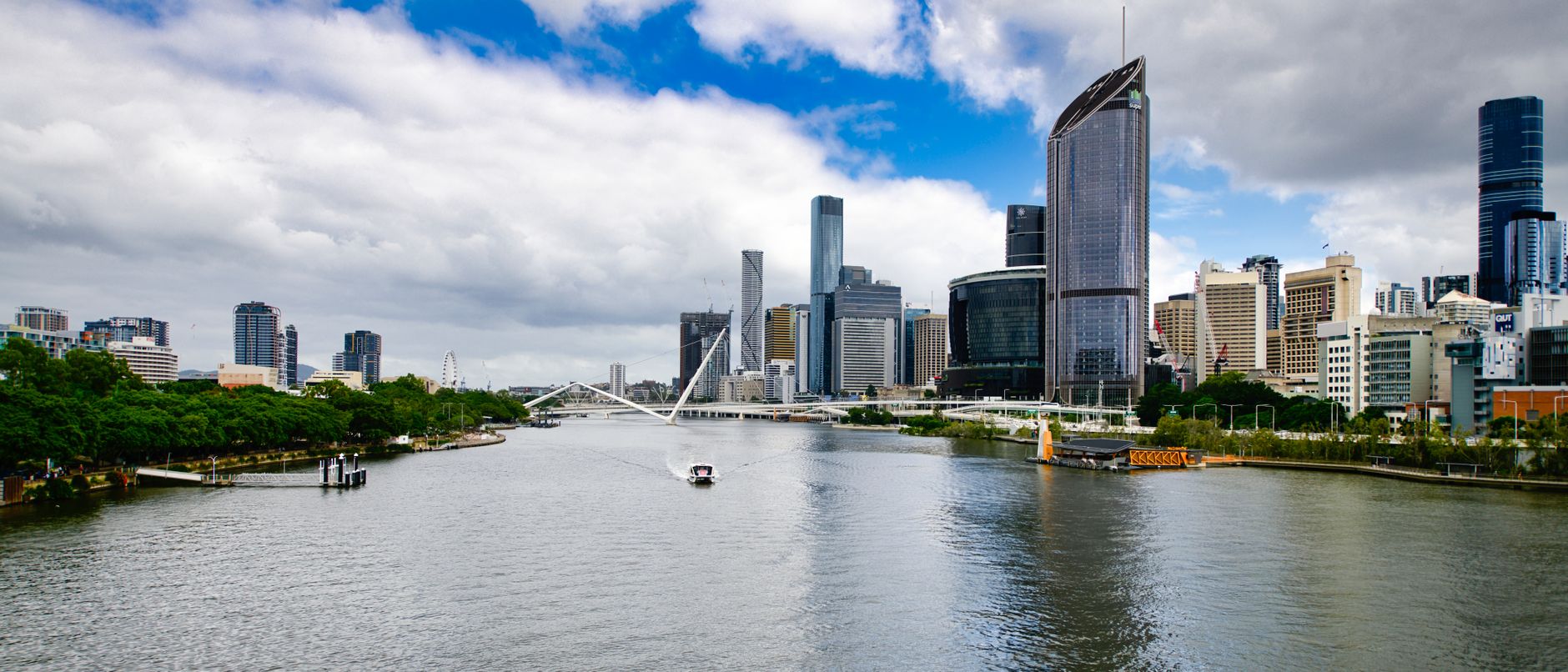
The Brisbane River crosses the city in wide meanders that structure the mobility and social life of its inhabitants. Docks and riverfront promenades have transformed into fundamental axes for daily leisure, where pedestrians and cyclists share tree-lined routes connecting different key points without the need for motorized vehicles. This riverside layout acts as a great social and scenic connector.
Recent urban planning policies have prioritized the recovery of these riverbanks for public use, transforming former industrial zones into floodable parks and accessible botanical gardens. This integration of water into the daily routine reinforces the sense of belonging of a citizenry that deeply values open spaces and the native biodiversity present along the riverbanks. On weekends, these areas fill with families and athletes enjoying the open air.
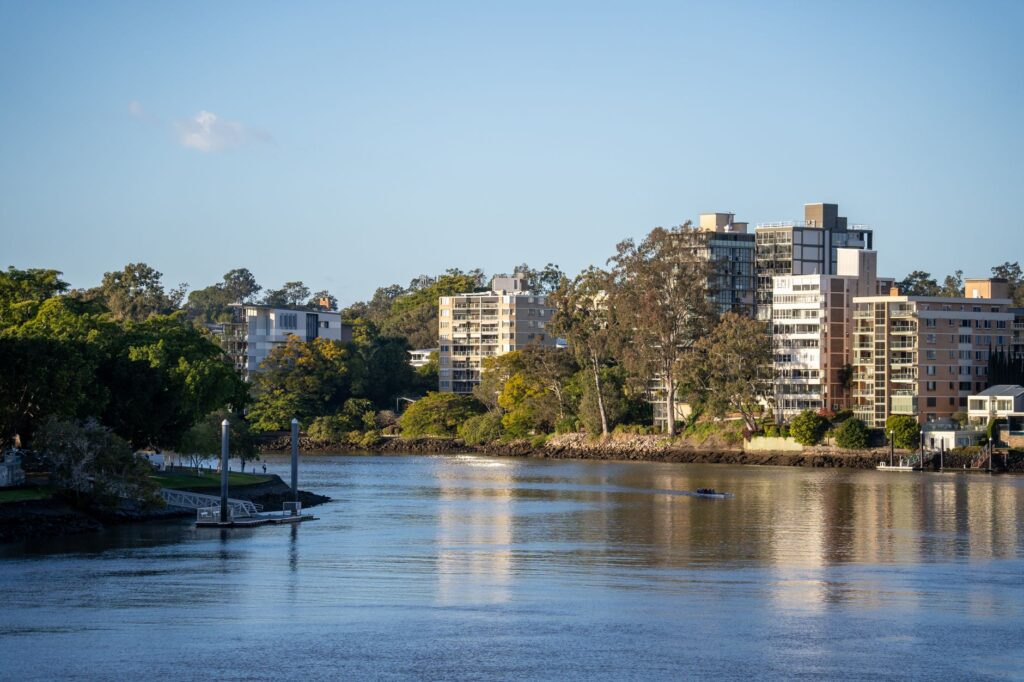
Daily river crossings via public ferries offer another perspective of the urban landscape, allowing visitors to contemplate the coexistence between dense subtropical vegetation and the contemporary architecture of pedestrian bridges linking the different shores of the Australian metropolis. This integrated transport system reduces road congestion and turns the daily commute into a relaxing visual experience.
The protection of riverside aquatic ecosystems is a constant priority for local environmental groups, who organize clean-up days and environmental education events. These actions ensure that water quality and the health of urban mangroves remain optimal, guaranteeing a safe habitat for various species of birds and native aquatic fauna.
Local Markets and Proximity Sourcing
Brisbane’s culinary culture finds its most authentic expression in its farmers’ markets and neighborhood cooperatives. These commercial exchange spaces not only offer fresh produce grown in the fertile surrounding lands of Queensland but also function as intergenerational meeting points where traditional recipes and local knowledge are preserved. Direct interaction with the farmer fosters a more conscious and healthy diet.
Local vendors and producers maintain a direct dialogue with consumers, promoting responsible consumption based on the seasonality of harvests and the reduction of transportation footprint. Respect for locally sourced products strengthens the economy of neighborhoods and guarantees the survival of traditional artisanal trades linked to food and baking. Each stall reflects the agricultural wealth of the region.
The offerings of these weekly markets are completed with stalls featuring local crafts and native plants, encouraging residents to acquire durable and sustainable goods made by independent regional creators. This alternative economic model reduces the environmental impact associated with global supply chains and strengthens the community fabric.
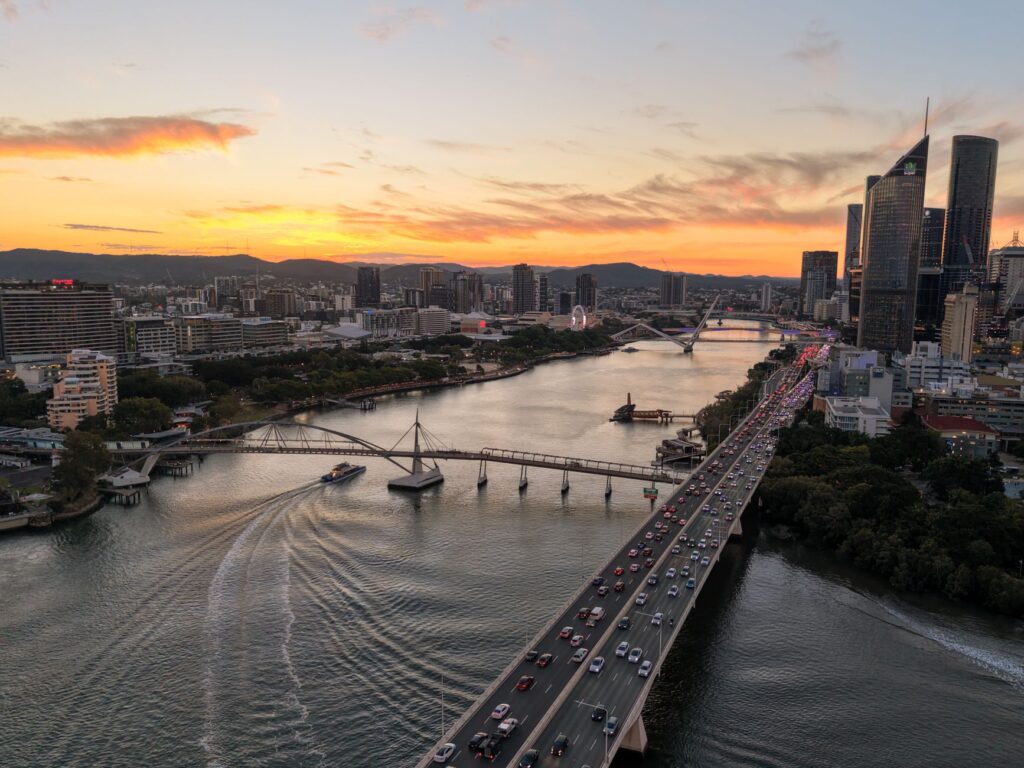
In addition to fruits and vegetables, the markets house small bakeries producing sourdough bread and artisanal cheeses following traditional methods. These initiatives support the circular economy and offer visitors a genuine window into the community’s daily flavors.
The Neighborhood Movement and Heritage Protection
The vitality of Brisbane’s neighborhoods rests upon a solid network of community associations and neighborhood collectives actively participating in urban decision-making. These groups drive initiatives for community gardening, the reclamation of vacant spaces, and the defense of centennial trees populating residential streets. Citizen participation is the pillar upon which the social cohesion of each district is built.
The protection of collective memory is manifested in the preservation of old neighborhood theaters, public libraries, and small independent shops resisting commercial homogenization. This cultural resistance ensures that each district retains a unique and recognizable personality within the city as a whole, preventing the urban landscape from becoming impersonal.
Neighbor assemblies and open workshops promote debate on urban futures, demanding that new constructions respect the human scale and the green corridors characterizing the Australian urban landscape. This continuous dialogue between citizens and local administrations is fundamental for balanced growth.
Community initiatives also extend to popular education, organizing workshops on traditional restoration techniques and sustainable gardening. These activities reinforce a sense of belonging and ensure that new generations value and protect the historical and natural legacy of their neighborhoods.
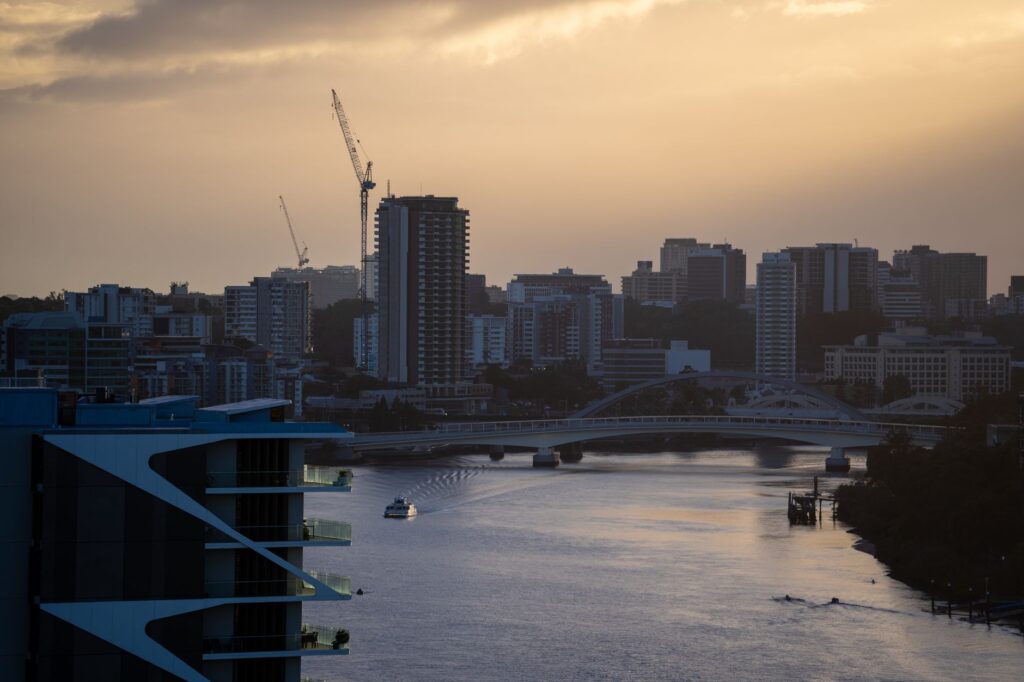
Urban Art and Street Cultural Expressions
The city’s visual landscape is enriched with numerous artistic interventions integrating contemporary art into public spaces. Large-format murals, park sculptures, and independent galleries reflect the creativity of a highly active and diverse local arts community. These works transform gray walls into narrative canvases that engage with passersby.
These cultural manifestations dialogue with the region’s Aboriginal history and the multicultural heritage of its recent inhabitants, generating an expressive mosaic discovered simply by walking aimlessly through peripheral neighborhoods and the historic center, where each facade tells a part of community history. Art thus becomes a vehicle for integration and memory.
Small self-managed galleries and neighborhood cultural centers act as catalysts for artistic life, offering accessible exhibition spaces for emerging creators exploring the contemporary identity of the region. These spaces foster cultural exchange and support local talent without relying on large institutional budgets.
The City Council often collaborates with artistic collectives to embellish urban furniture and pedestrian crossings, integrating creativity into the functional elements of the city. This strategy turns the daily commute into an enriching aesthetic experience for all citizens.
Practical Guide
- Getting There: Brisbane Airport (BNE) connects the city with major domestic and international destinations via numerous commercial airlines.
- Urban Transport: The integrated Translink network allows the use of river ferries, urban trains, and buses via rechargeable cards or contactless payment.
- Best Time to Visit: Autumn months (March to May) and spring (September to November) offer mild temperatures ideal for exploring the city on foot.
- Accommodation: Varied options range from boutique hotels in historic buildings to hostels and residential apartments in different districts.
- Gastronomy: Visiting weekend markets is recommended to taste local products and contemporary Australian cuisine specialties.
- Local Etiquette: Punctuality, polite greetings in neighborhood shops, and strict respect for environmental conservation rules in parks and reserves are highly valued.
Final Reflection on Australian Identity
The true essence of Brisbane is not found in its large financial skyscrapers, but in the cool shade of its wooden verandas and in the unhurried pace with which its inhabitants share life by the river.