
Urban Nature in Northern Italy
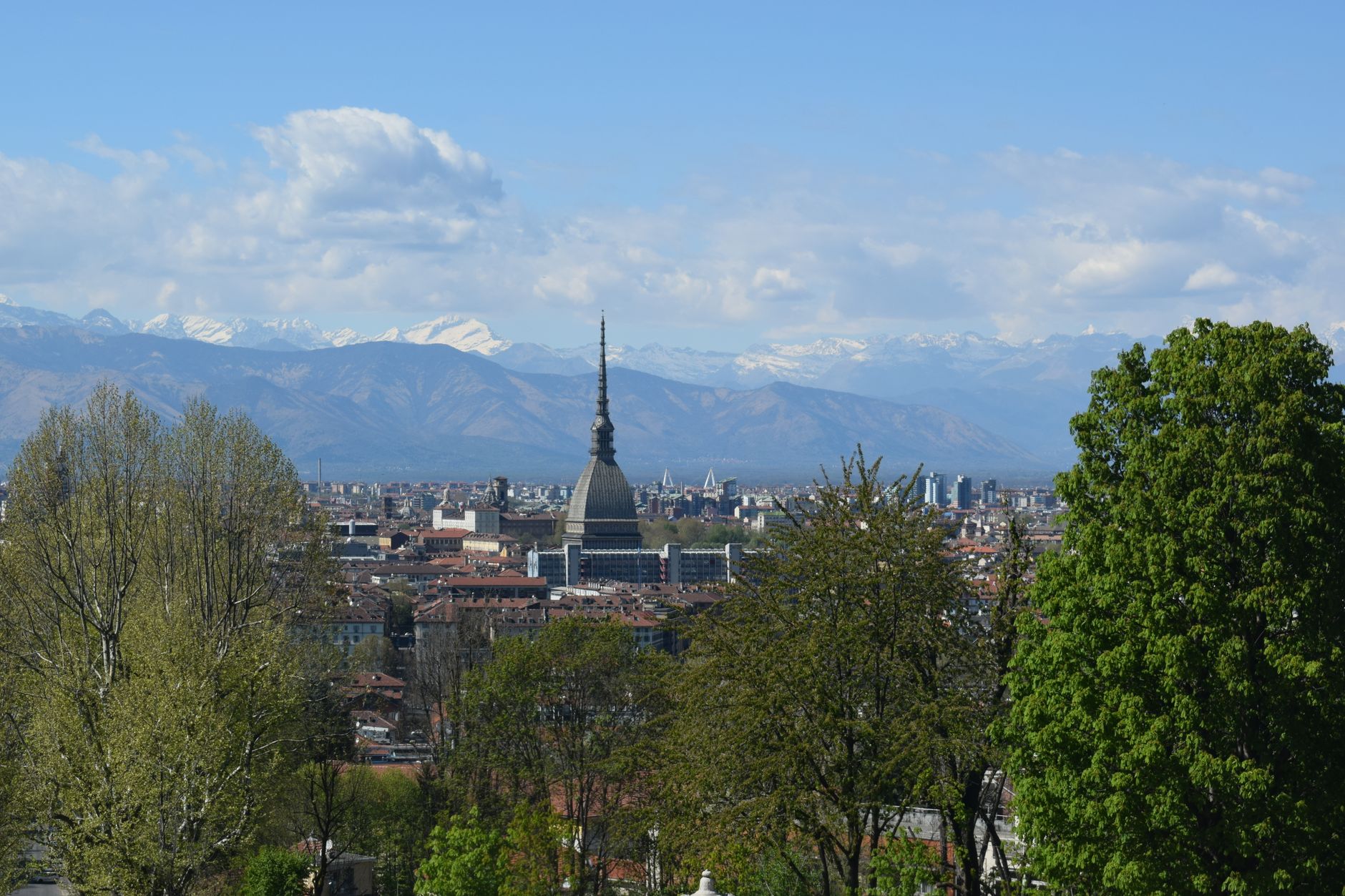
The territory of Circoiscrizione V, situated in the northwestern sector of Turin, Italy, represents a fascinating meeting point between metropolitan development and the persistence of natural spaces. At an average altitude of approximately two hundred and sixty meters above sea level, this urban district extends across a plain shaped by the fluvial dynamics of the Po River tributaries. Far from constituting a purely artificial environment, the area preserves microhabitats where wild flora and fauna have found niches to establish themselves and thrive.
The geographical characteristics of this Italian district are strongly conditioned by its proximity to the Alpine arc and the historical presence of minor watercourses and irrigation ditches. These water corridors act as ecological veins connecting urban parks with the open fields of the metropolitan belt. The native vegetation, composed of species adapted to the temperate continental climate, finds an indispensable refuge in local parks against the pressure of urban expansion.
The analysis of urban biogeography in the northern transalpine territory reveals that inhabited enclaves are not necessarily ecological deserts. The constant interaction between asphalt and the natural substrate generates fascinating adaptation dynamics. Ruderal plant species and opportunistic fauna demonstrate a survival capacity that challenges traditional schemes of strict conservation, opening new debates on territory management in heavily anthropized environments.
The Green Pulse of Parks and Protected Zones
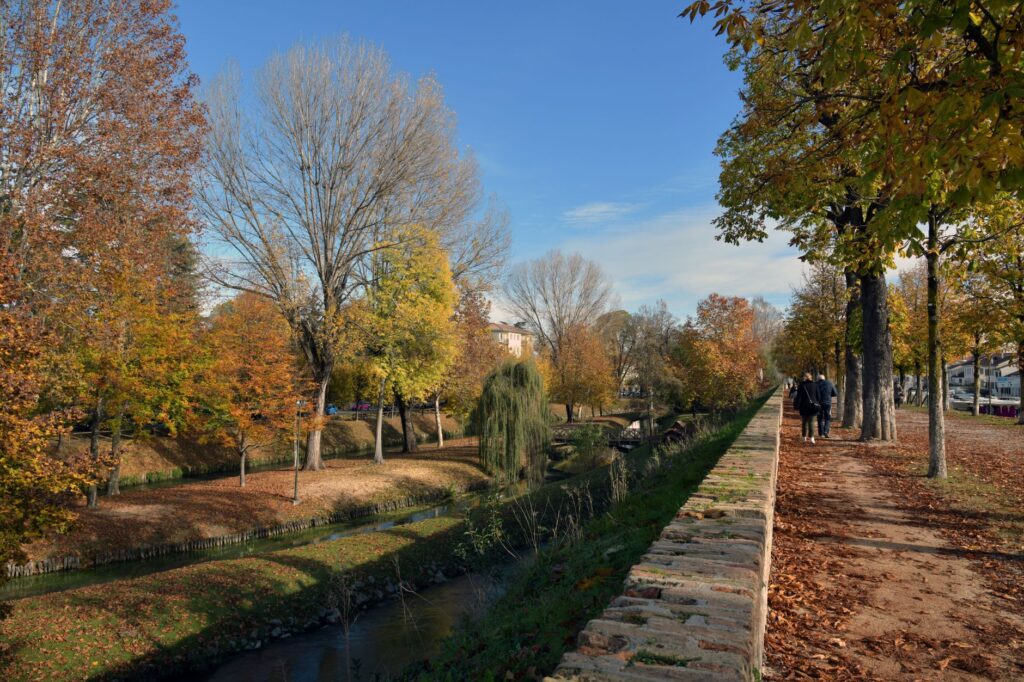
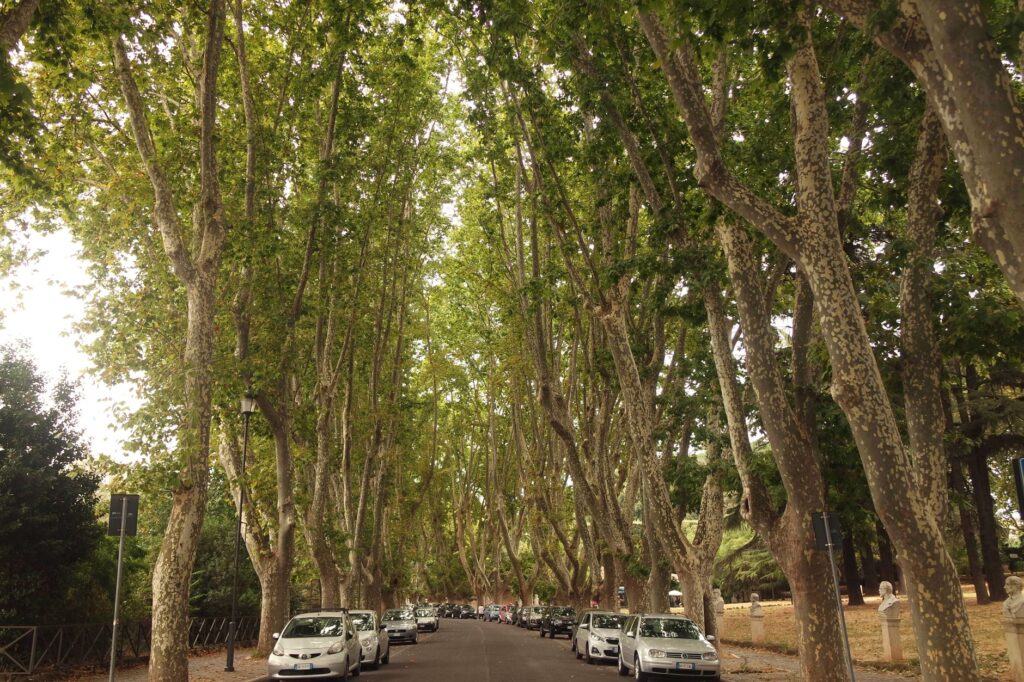
Within the boundaries of Circoiscrizione V, the management of green spaces constitutes a constant challenge to balance recreational citizen use with ecological preservation. Large trees, such as London planes, poplars, and horse chestnuts, dominate the urban landscape and offer shelter to numerous resident and migratory bird species. These trees not only improve air quality but also form a continuous canopy that facilitates the movement of smaller wildlife.
Birdwatching in these urban enclaves reveals the constant presence of blackbirds, blue tits, great tits, and various finch species that have adapted their reproductive cycles to the rhythm of the city. Likewise, in areas of greater tranquility and proximity to watercourses, it is possible to record the presence of amphibians and small mammals that use vegetative cover to move in search of food and shelter.
The planning of these green areas requires a multidisciplinary approach where botany, water management, and urban ecology converge. Maintaining the health of mature tree masses implies constantly monitoring the phytosanitary status of the specimens, ensuring that pruning and care respect the natural architecture of the trees, which are fundamental for the nesting of local birdlife.
Biodiversity Adapted to the Metropolitan Environment
The adaptation of wildlife to the environment of Circoiscrizione V demonstrates remarkable biological resilience. Pollinating insect species, fundamental to the health of local ecosystems, find a constant source of floral resources in public gardens and landscaped boulevard areas. Ruderal flora and wild flowerbeds help maintain stable populations of butterflies and other invertebrates, which in turn support insectivorous birdlife.
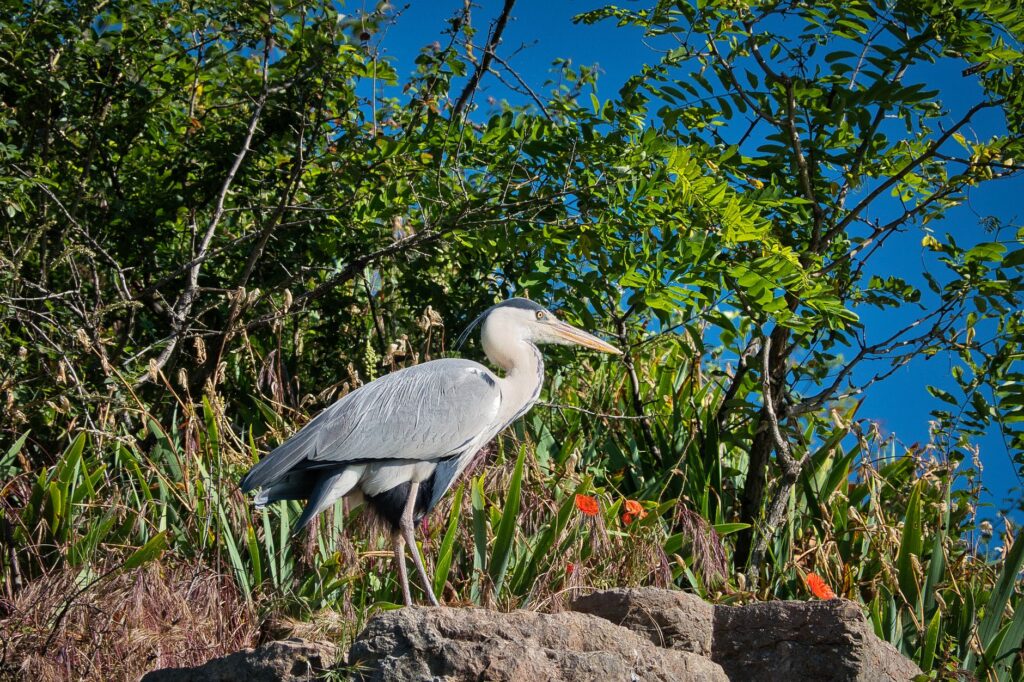
Conservation experts emphasize the importance of maintaining continuous ecological corridors that prevent the isolation of animal populations. In a densely populated region like Piedmont, each small park functions as a critical link within a broader network of urban biodiversity. The protection of these landscapes ensures that nature continues its role in regulating the local climate and purifying the environment.
Entomological diversity acts as a precise bioindicator of the environmental quality of the area. The presence of specialized pollinators confirms that urban vegetation patches retain real ecological functionality, beyond their mere aesthetic or ornamental function for pedestrians transiting daily through the streets of the district.
Community Involvement and Local Management
The conservation of biodiversity in Circoiscrizione V does not rest solely on public administrations, but relies on the growing involvement of local associations and organized residents. These citizen initiatives promote the creation of organic urban gardens, the planting of native species, and the monitoring of local fauna through citizen science. These actions strengthen the social fabric and foster an environmental awareness rooted in respect for the immediate natural surroundings.
Collaboration between institutions and environmental groups has made it possible to reclaim previously degraded areas, transforming them into microhabitats of high ecological value. These efforts demonstrate that coexistence between wildlife and human activities is viable as long as criteria of sustainability and planned territorial management are applied.
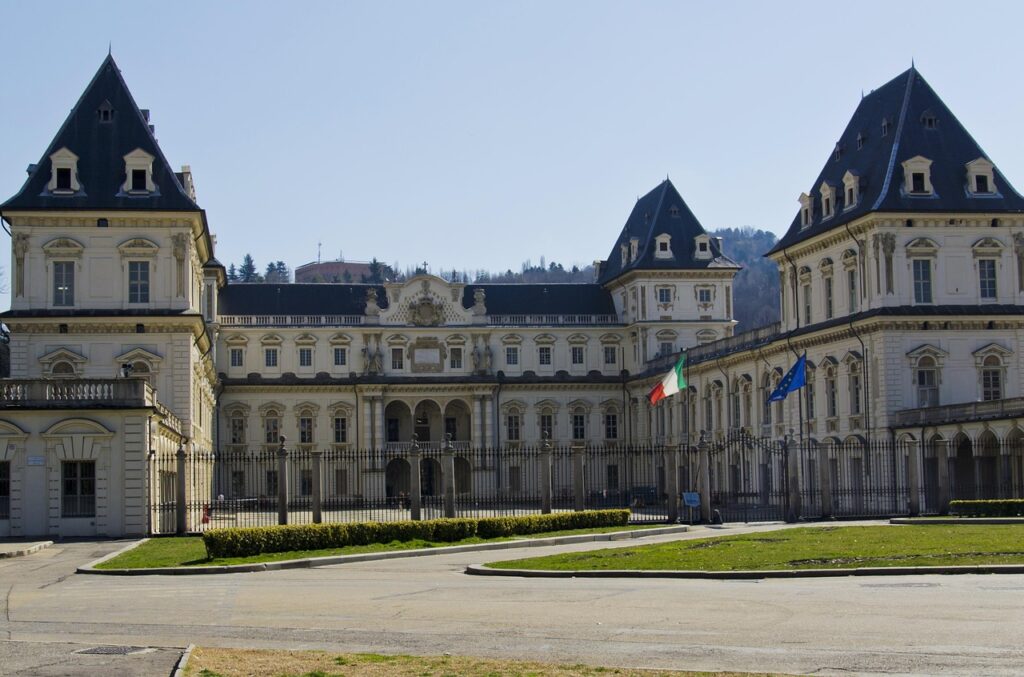
Neighborhood empowerment in territorial stewardship also fosters training workshops and open-air educational activities. These dynamics consolidate a culture of ecological co-responsibility where each inhabitant understands the direct impact of their daily habits on the health of the shared ecosystems within the district.
Environmental Education and Ethical Observation
Approaching the nature of Circoiscrizione V requires adopting a perspective of respect and ethical observation. Urban trails and public access natural spaces are designed to allow citizen enjoyment without altering the biological cycles of resident fauna. Educational programs directed at local schools aim to instill from childhood the importance of protecting urban ecosystems and valuing the biodiversity present in one’s own neighborhood.
Scientific outreach and rigorous knowledge of local species are the best tools to combat ignorance and promote respectful attitudes. Observing the flight of a nocturnal raptor in an urban park or identifying native flora on a morning walk transforms the perception of the environment, turning the city into a living, shared space.
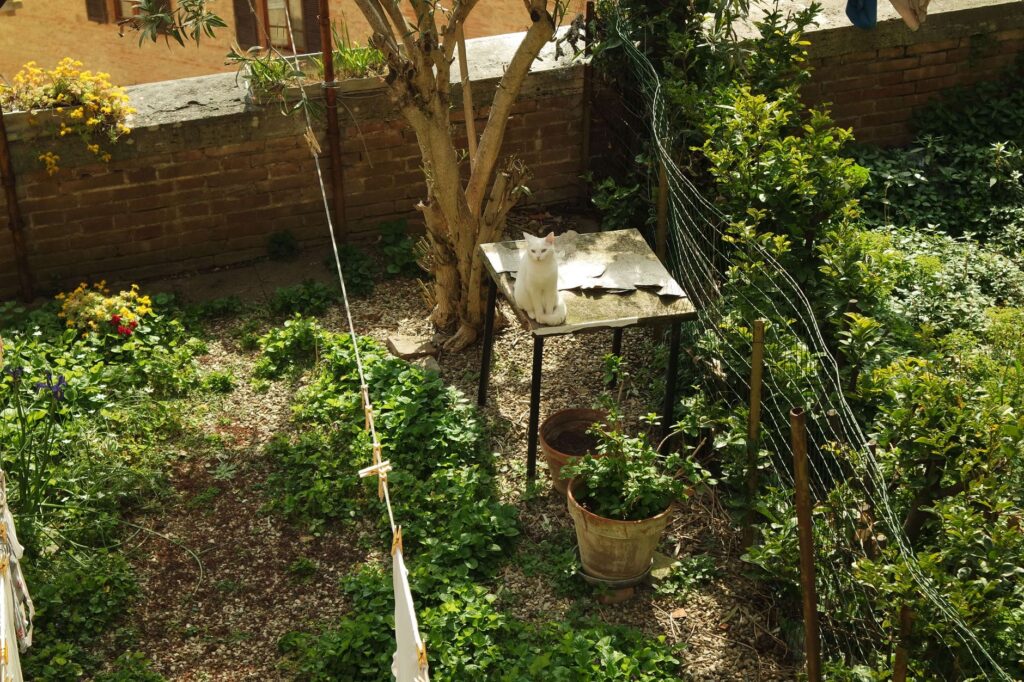
The ethics of observation in urban environments emphasizes the need to maintain prudent distances from wildlife, avoid providing inappropriate food, and strictly respect the sensitive reproduction periods of birds and small mammals living in public parks and gardens.
Future Challenges for Conservation in Northern Italy
Looking ahead to the coming years, the main challenges for natural preservation in Circoiscrizione V focus on mitigating the impact of climate change and efficiently managing water resources. Summer heat waves and irregular precipitation require designing planting and vegetation maintenance strategies that optimize water use and guarantee the survival of mature tree masses.
Likewise, the integration of ecological criteria in tactical urbanism plans and sustainable mobility is essential to prevent the fragmentation of existing habitats. Maintaining a dynamic balance between the expansion of urban infrastructure and the protection of green spaces is the key to ensuring a future where biodiversity continues to enrich the daily lives of residents.
The long-term resilience of these urban ecosystems will depend largely on the adaptive capacity of local public policies facing the climate scenarios foreseen for northern Italy, prioritizing the renaturalization of impermeable surfaces and the design of nature-based solutions.
Practical guide
How to get there: Circoiscrizione V is located in the northwestern area of Turin, Italy, easily accessible via the urban public transport network, including trams and bus lines managed by GTT. Best time to visit: Spring and autumn offer the most favorable weather conditions for observing local flora and birdlife, in addition to recording mild temperatures ideal for exploring the parks on foot or by bicycle. Observation recommendations: It is advisable to use short-range binoculars for birdwatching in parks and wooded areas, avoiding excessive noise that could alter wildlife behavior. Local regulations: It is mandatory to respect environmental protection area signage, keep pets on a leash at all times, and deposit waste in designated containers to preserve the cleanliness of natural spaces.
Refuges of Life in the Urban Mosaic
The leisurely contemplation of natural spaces in Circoiscrizione V reveals a subtle yet constant reality: nature is not limited to large national parks, but beats strongly within the interstices of urban life. Every centenarian tree, every strip of riparian vegetation, and every neighborhood protection initiative weave an invisible network that sustains metropolitan biodiversity, reminding us that environmental conservation begins right at our doorstep.