

Between Summits and Traditions in Southern Costa Rica
Aserrí stretches across the rolling slopes of the southern Central Valley of Costa Rica, a territory where rugged topography has historically shaped how its residents travel, build their communities, and relate to the natural environment. At over one thousand three hundred meters above altitude, the crisp mountain air and proximity to the capital define a very particular daily rhythm, where traditional rural life coexists closely with metropolitan expansion. This municipality, renowned for its rich cultural heritage and popular legends, faces the ongoing challenge of balancing urban growth with the conservation of its mountainous landscapes and essential water sources.
Mobility and territorial planning constitute key elements in the daily management of Aserrí. The routes connecting the different districts and hamlets wind among coffee plantations and steep hillsides, demanding efficient public transport solutions that respect the ecological fragility of the area. Local authorities, in collaboration with community organizations, promote initiatives aimed at improving internal connectivity without compromising the stability of volcanic soils or altering the biological corridors crossing the region. Citizen participation has become the primary driving force for monitoring land use and promoting sustainable construction practices that reduce environmental impact.
Over the years, the municipality has successfully maintained an identity deeply rooted in peasant customs and the pride of belonging to a challenging geography. Local families have passed down cultivation techniques and culinary knowledge from generation to generation, which now form part of the intangible heritage of the canton. This legacy not only survives in the memories of elders, but manifests in the daily life of every neighborhood, where the cordial greeting on street corners and neighborly cooperation remain active against the impersonal dynamics of large cities.
Neighborhood Fabric and the Memory of the Streets
Strolling through the neighborhoods of Aserrí is stepping into a space where traditional adobe and timber architecture dialogues with modern structures. Central squares and local markets continue to function as intergenerational meeting points, where traditional recipes, artisanal knowledge, and stories forming part of the Costa Rican identity are preserved. Organized residents play a fundamental role in safeguarding this intangible heritage, organizing workshops and fairs that highlight local history and encourage the consumption of products grown on regional farms.
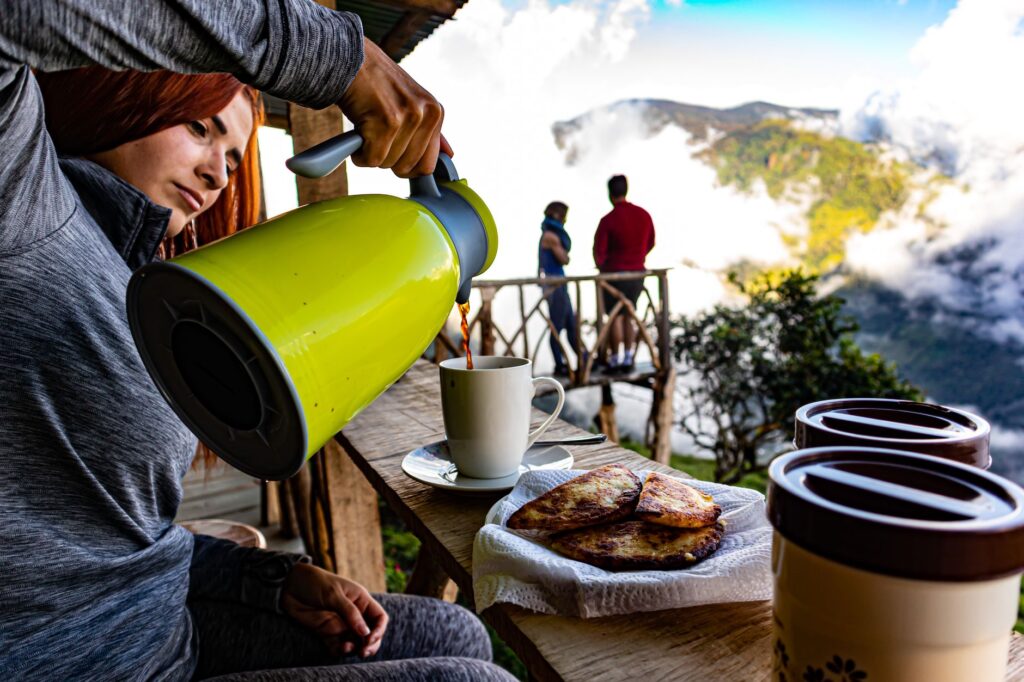
The preservation of architectural and cultural heritage not only reinforces a sense of belonging but also guides a development model where the visitor is invited to integrate respectfully into community dynamics.
Faced with the pressures of uncoordinated real estate development, the community has successfully organized to protect aquifer recharge zones and the small remnants of cloud forest crowning the higher elevations of the canton. These actions reflect a collective awareness regarding the importance of safeguarding ecosystem services that benefit both local residents and the entire Central Valley.
The collective memory of Aserrí also relies on oral tradition, which revives legends widely known throughout the country and forming part of the national imagination. These narratives, far from being mere fantastic tales, function as tools for social cohesion and attachment to the territory. When traveling along neighborhood paths, visitors perceive how the past and present coexist in a fragile yet resilient harmony, driven by local development committees and cultural associations that watch over the protection of their historical and architectural legacy against any attempt at urban homogenization.
Daily Mobility Facing the Topography
The mountainous geography of Aserrí presents complex logistical challenges for daily commuting. With a population exceeding twenty-five thousand residents, the demand for travel to workplaces and educational centers in San José generates constant flows that require rigorous planning. The public transport system, composed mainly of buses connecting various districts with the capital, seeks to optimize frequencies and routes to reduce dependence on private vehicles and mitigate pollutant emissions along access corridors.
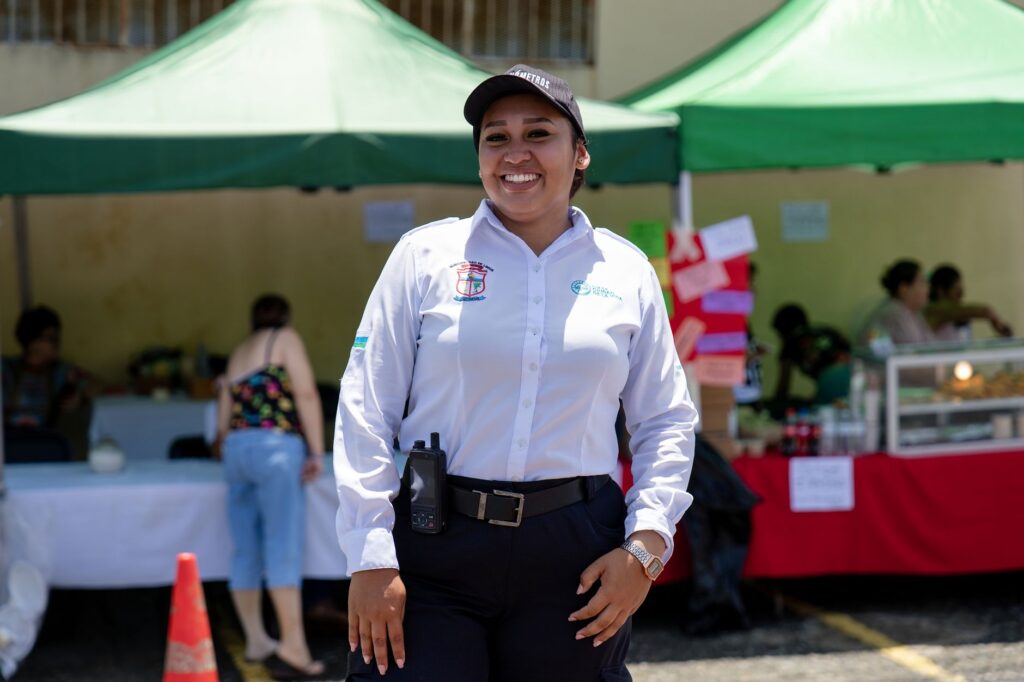
The mountain teaches us very clear limits; here every road must trace a balance between the need to communicate and the duty to care for the land that sustains us.
Likewise, citizen collectives and mobility committees promote the use of active transport alternatives in areas with gentler slopes, while demanding improvements in pedestrian infrastructure. The creation of safe sidewalks and proper signage for traditional trails contribute to making walking a viable and healthy option for residents of all ages.
To guarantee truly sustainable mobility, understanding the physical limitations of the canton is indispensable. Steep slopes and the longitudinal layout of settlements demand technical solutions adapted to the terrain, avoiding aggressive interventions that alter the natural drainage of rainwater. The integration of different transport modes, from bus routes to traditional pedestrian trails, represents a continuous challenge for municipal authorities and neighborhood groups seeking to improve quality of life without degrading the environment.
Biodiversity and Responsible Environmental Management
The ecosystems surrounding Aserrí harbor a remarkable diversity of flora and fauna adapted to the altitudinal belts of the Central Valley. Watersheds originating in the mountain foothills are vital for water supply and local hydrological regulation. Urban and rural reforestation initiatives, driven by schools, development associations, and environmental groups, seek to restore riverbanks and protect natural habitats against erosion and the advance of the urban fringe.

These ecological restoration actions are complemented by environmental education programs in classrooms and community centers, teaching new generations the importance of waste management and the protection of native biodiversity. Citizen commitment to cleaning streams and establishing forest nurseries demonstrates that sustainability in Aserrí is built from the social grassroots.
The ecological balance of the canton depends not only on grand conservation policies, but on the daily decisions made by both residents and visitors. Caring for spring water quality, avoiding plastic accumulation in green areas, and respecting wildlife corridors are shared tasks. The presence of small urban and peri-urban biological corridors evidences the will to maintain spaces where native nature retains its prominence despite the proximity of the dense metropolitan area of the capital.
Local Economy and Proximity Consumption
The economic development of Aserrí maintains strong ties with hillside agriculture and local commerce. Area markets and farmer stalls offer fresh produce harvested on the slopes of the surrounding mountains, promoting short supply chains that reduce the carbon footprint associated with food transport. This proximity-based consumption model strengthens the economy of farming families and guarantees the freshness of goods reaching local tables.
Supporting local agrarian production is a strategic decision to maintain the agricultural landscape and prevent the abandonment of arable land in the face of real estate speculation.
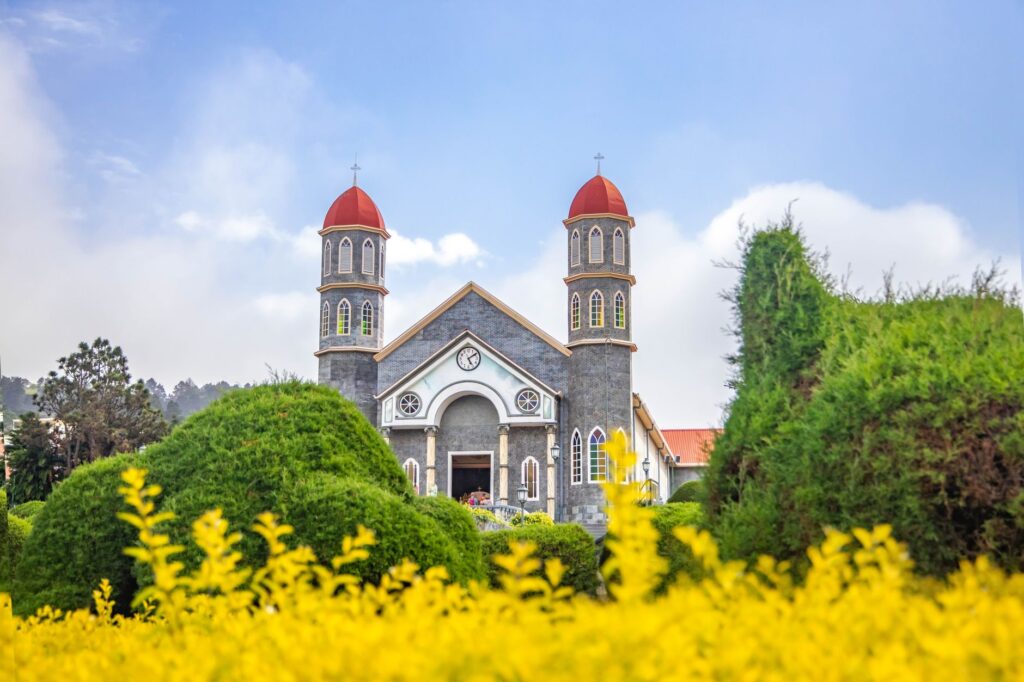
Additionally, small rural and community tourism ventures offer visitors the opportunity to learn about coffee cultivation processes, traditional gastronomy, and the canton’s natural attractions under strict guidelines of low environmental impact and respect for residents’ daily lives.
Economic dynamization based on respect for the environment fosters enriching exchanges between visitors and local producers. By acquiring crafts and food directly in cantonal markets, travelers contribute directly to the financial sustainability of small family economies. This direct relationship avoids excessive intermediation and guarantees that the benefits of responsible tourism remain within the community, strengthening the socioeconomic fabric and preventing the loss of traditional trades that give character to the region.
Daily Pulse and Community Respect
Harmonious coexistence in Aserrí rests on mutual respect and attention to the implicit norms of rural and semi-urban life. Public spaces are shared by pedestrians, transporters, and merchants who maintain a dynamic yet unhurried pace, where haste yields to the daily greeting. For visitors, understanding this local pulse implies assuming an attitude of listening and observation, avoiding intrusive behaviors and adapting to the schedules and customs of a community that deeply values its tranquility and cultural autonomy.
Participation in community activities and the responsible use of local services reinforce the integration of travelers without altering the daily life of residents. This participatory approach ensures that tourism and punctual visits act as support elements rather than pressure factors on municipal infrastructure, consolidating a model of coexistence based on empathy and shared responsibility.
Practical guide
How to get there: Aserrí is located a few kilometers south of San José. It is accessible via regular urban bus lines operating from the capital’s center with high daily frequency.
When to visit: Any time of the year is suitable, although the dry season (December to April) facilitates travel along trails and mountain slopes.
Local mobility: The use of public transport and walking through urban centers is recommended to reduce vehicular congestion and enjoy the architectural heritage.
Accommodation and gastronomy: Small family guesthouses and traditional eateries offer typical Costa Rican food prepared with locally sourced ingredients.
Rules of coexistence: Respect private spaces, cooperate with waste separation, and purchase crafts and agricultural products directly from local producers.
The Green Horizon Embracing the Central Valley
As evening falls, the lights of Aserrí’s neighborhoods begin to twinkle across the mountain slope, drawing a luminous map that contrasts with the tranquility of the forested summits protecting it. This daily balance between urban life and the resilience of its traditions demonstrates how a community can manage its territory with dignity and foresight. The future of this Costa Rican corner will depend on its capacity to keep alive networks of neighborly solidarity and an unwavering respect for the natural resources sustaining its identity.
The continuity of this cultural and natural landscape is the result of the daily effort of its inhabitants, who demonstrate that sustainable development is not an abstract goal, but a constant practice. Keeping traditions alive, protecting water, and transiting consciously through the slopes of the southern Central Valley constitutes the best guarantee for Aserrí to remain a beacon of identity and sustainability in Costa Rica.