
Origins and Urban Consolidation in Eastern Lima
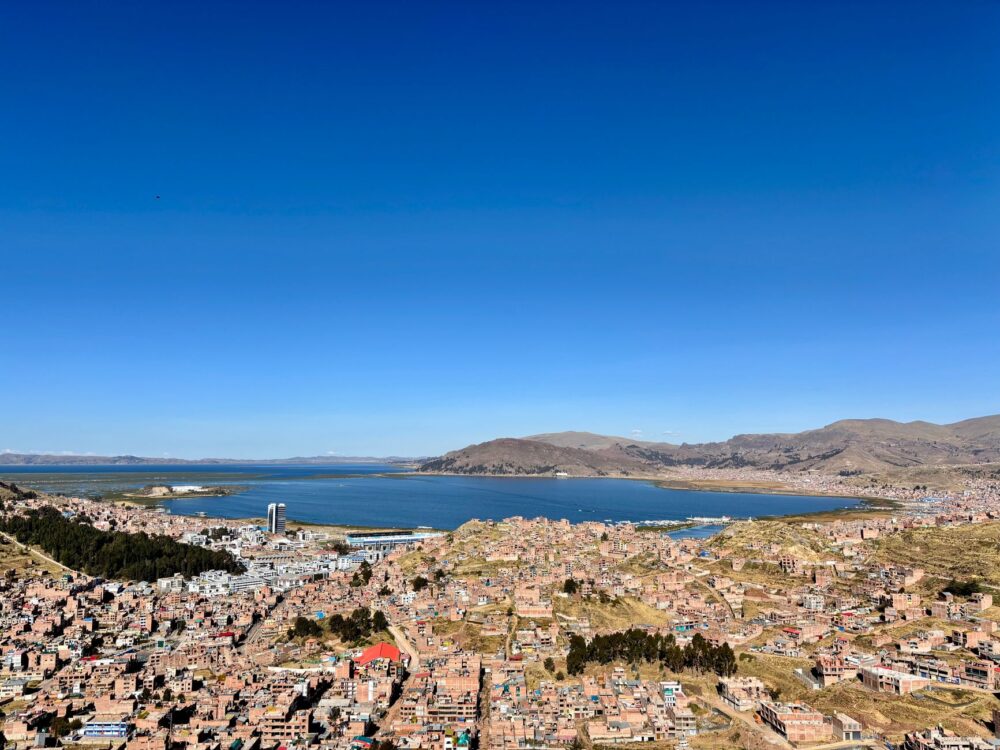
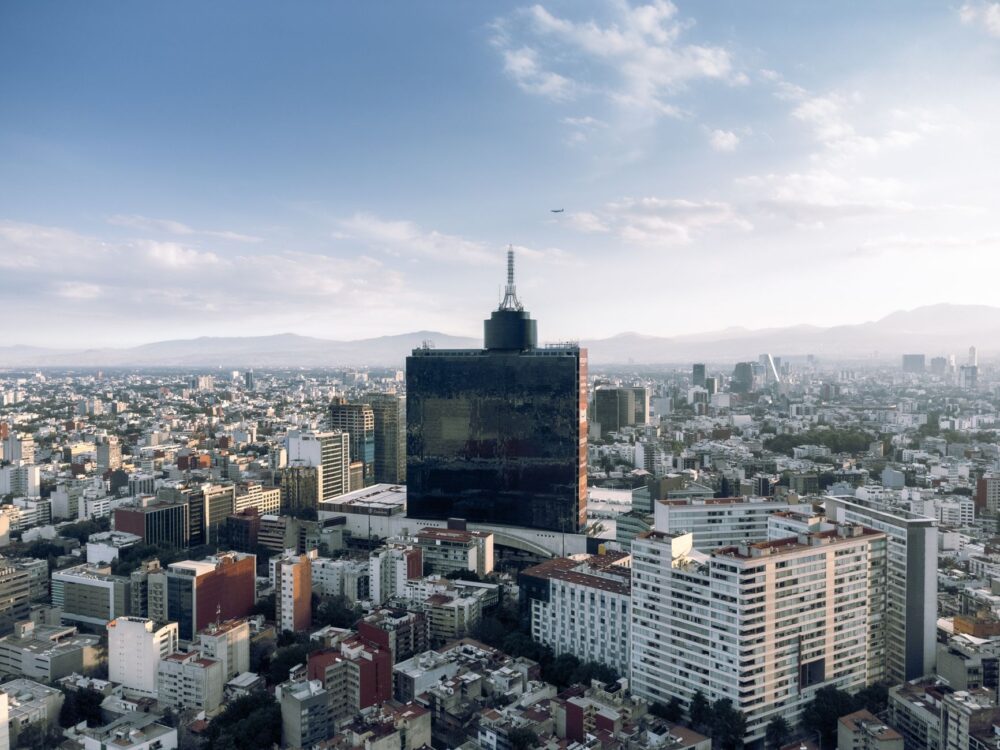
The Peruvian territory known today as Santa Anita – Los Ficus possesses a unique trajectory marked by the collective effort of its residents. Located within the province and region of Lima, this sector has transitioned from agricultural fields and historical estates into an intensely populated residential and commercial zone. The transformation of the landscape has not been a casual process, but rather the result of self-management and grassroots organization that characterized the growth of the metropolitan periphery during the second half of the twentieth century.
Walking through its streets reveals how domestic architecture and public spaces reflect the needs of a hardworking population. Multi-story homes, built progressively with brick and concrete, tell the story of families who consolidated their assets through personal effort. Far from traditional tourist circuits, this enclave displays the architecture of perseverance, where each plastered facade or family-owned business represents a stepping stone in the social and economic mobility of the community.
Territorial roots are also manifested in the way neighbors have named their streets, squares, and associations. Each denomination holds a direct relation to shared experiences and the desire for rootedness in a soil that, over the years, transitioned from vacant land to a consolidated home. This collective memory is transmitted from generation to generation, cementing a local pride that transcends the everyday logistical difficulties inherent in accelerated urban development.
Everyday Life in Plazas and Local Markets
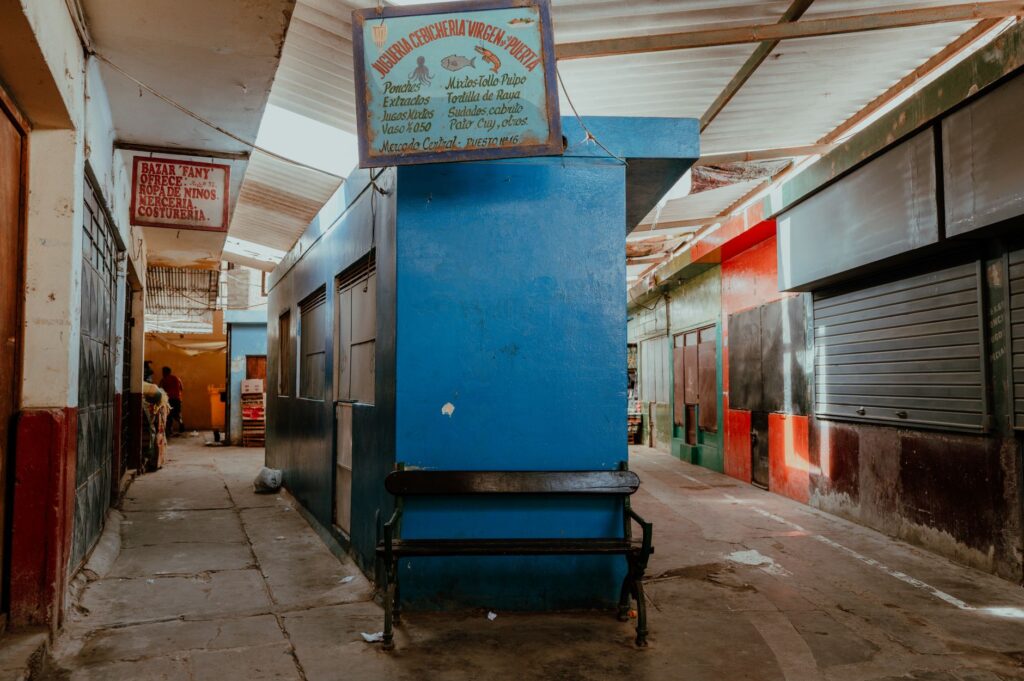
The daily pulse of Santa Anita – Los Ficus beats strongest in its food markets and the small squares that interrupt the urban grid. These spaces are not mere transit points, but rather neuralgic hubs where culinary traditions from various regions of Peru converge. Food stalls offer everything from classic ceviche to northern and Andean preparations, evidencing that the district functions as a melting pot of provincial identities integrated into the greater capital.
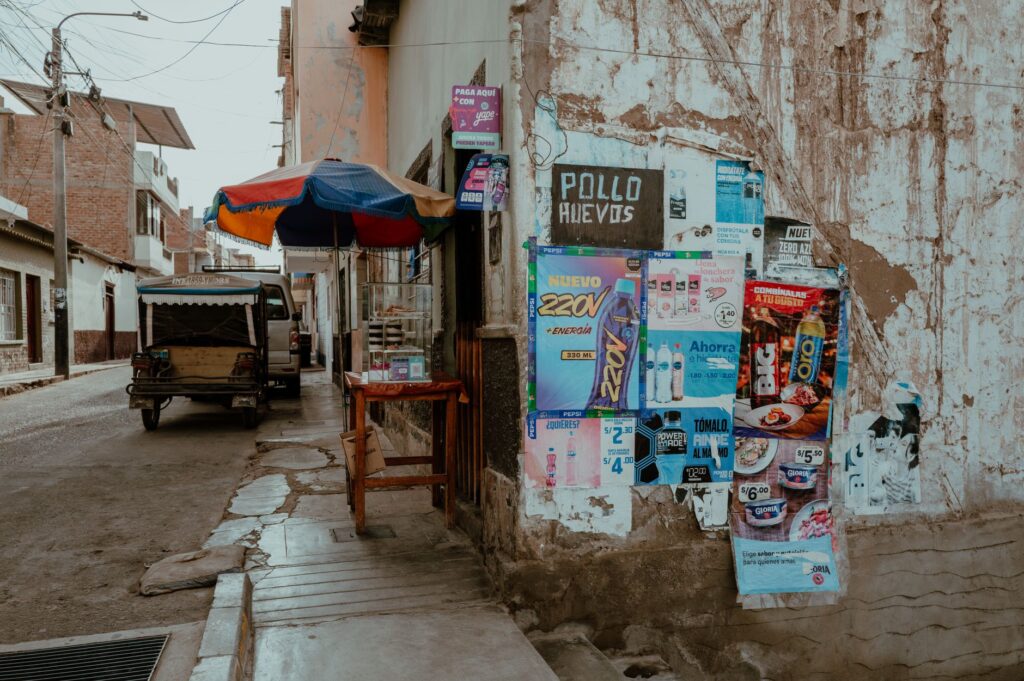
On street corners, traditional grocery stores operate as neighborhood information centers. Owners know the names, routines, and needs of their neighbors, maintaining a commercial model based on mutual trust that resists the expansion of large supermarket chains. This human closeness is one of the most valuable intangible assets of the place, a social fabric that brings cohesion to an area of over one hundred and eighty thousand residents.
Around these commercial activities, open spaces host spontaneous encounters where older adults converse about district changes while children enjoy playgrounds. Community life finds in these small urban oases the necessary oxygen to cushion metropolitan stress, turning each plaza into an open-air living room where neighborliness is woven day by day.
Local Commerce and the Economy of Small Workshops
Economic activity in this Limean sector rests upon a dense network of micro-enterprises, mechanical workshops, print shops, and neighborhood stores. This grassroots economy invigorates the metropolitan area and offers local employment, reducing daily commutes to the historic center of Lima. The vitality of these commercial streets demonstrates that economic autonomy is a fundamental pillar in the identity of its residents.
Merchant guilds and neighborhood associations actively participate in the management of common spaces. Although challenges regarding infrastructure and transportation are constant, the capacity for community resilience helps keep green areas clean and organizes temporary fairs that enliven the neighborhood’s cultural life. Neighborhood cooperation thus becomes the primary tool to improve the urban environment without losing the sector’s historical memory.
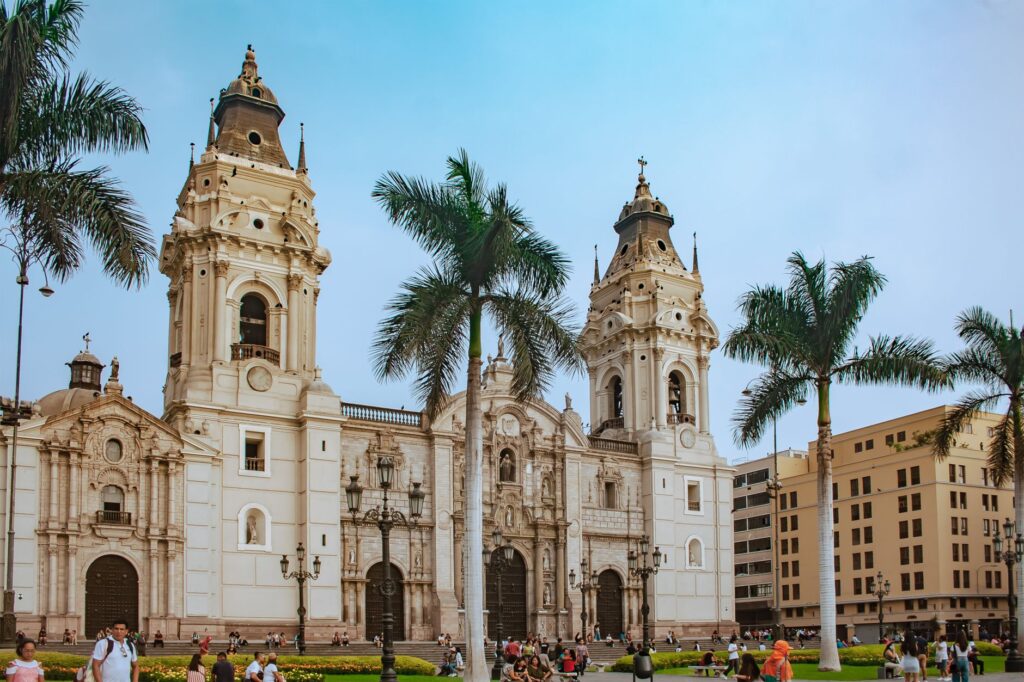
Likewise, the diversification of these small businesses fosters a dynamic internal market that encourages local consumption. Entrepreneurs in the district not only seek daily sustenance, but add value through specialized services that directly respond to the everyday demands of surrounding households, strengthening the neighborhood’s economic self-sufficiency.
Intangible Heritage and Community Celebrations
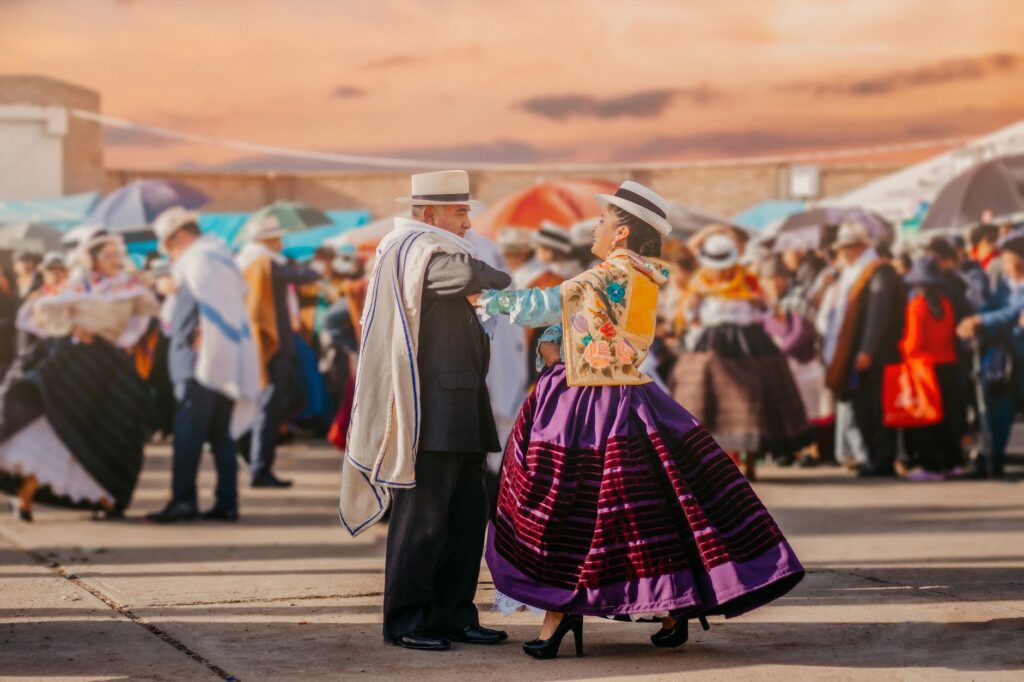
The festive calendar of Santa Anita – Los Ficus is marked by religious festivities and district anniversaries that mobilize entire congregations. Processions, neighborhood masses, and popular festivals transform main avenues into arenas for intergenerational encounters. Grandparents pass down stories of how the first housing associations were founded to the younger generations, ensuring that collective memory remains alive.
These cultural expressions reinforce a sense of belonging in a complex urban environment. Criollo music, band concerts in parks, and parish charity bazaars act as balms against the fast pace of the big city. Participating in these celebrations makes one realize that local identity is not found in pre-Hispanic or viceregal monuments, but rather in the constant capacity of the people to inhabit and celebrate their territory.
Oral transmission of these traditions ensures that intangible heritage is not lost before the arrival of new global cultural influences. Festivities act as an anchor of identity recalling the migrant and fighting origin of the vast majority of founding families, celebrating with pride the path traveled.
Environmental Challenges and Public Space Management
Like many consolidated urban areas in Peruvian coastal valleys, this district faces significant challenges related to water management, the expansion of green spaces, and the mitigation of vehicular traffic. Local authorities and civil organizations continuously debate how to balance real estate development with the preservation of quality of life in residential neighborhoods.
The true transformation of a district is measured not only by its concrete works, but by the capacity of its inhabitants to care for shared space and demand dignified coexistence.
Recent efforts to plant trees along main avenues and recover children’s playgrounds demonstrate a necessary ecological awareness. Neighbors participate in recycling campaigns and the protection of urban trees, understanding that the community’s sustainable future depends on coordinated local actions and ongoing environmental education from neighborhood schools.
Protection of the local environment also contemplates improvement in waste management and rational use of available water resources. Citizen participation in local ecological committees reflects a civic maturity seeking to bequeath a cleaner and healthier environment to new generations.
Responsible Tourism Practices and Community Respect
Visitors arriving in Santa Anita – Los Ficus should approach with a perspective of respect and learning, recognizing that this space is not a theme park, but a hardworking home for thousands of families. It is recommended to use formal public transportation to minimize congestion and prioritize consumption in local markets and restaurants, directly supporting the economy of small entrepreneurs.
Likewise, it is fundamental to maintain a prudent attitude toward photography in residential areas and respect the privacy of neighbors. Engaging with daily life in the place involves listening more than speaking, valuing the hospitality of its people, and understanding that cultural tourism can and should also develop outside Lima’s traditional monumental circuits.
Supporting local ventures and consuming neighborhood gastronomy fosters respectful and equitable exchange. The conscious traveler assumes a passive role regarding environmental alteration and an active role regarding family economy support in the visited sector.
Practical guide
How to get there: The district is connected to the center and other areas of Lima via traditional public transport systems and bus routes that cross major avenues such as Carretera Central and Avenida Evitamiento.
When to visit: Any time of year is suitable, although the summer months (from December to March) offer clearer days, while the Limean winter is characterized by morning mist and overcast skies.

Where to eat: Neighborhood markets and local eateries are the best enclaves to taste traditional Peruvian dishes prepared with homemade recipes and fresh daily products.
Mobility tips: It is advisable to plan travel during hours of lower vehicular congestion and always walk through well-lit and busy commercial areas.
Living Memory Reflected in the Faces of Its Inhabitants
At dusk, when sunlight filters through residential buildings and traffic begins to calm, the sidewalks of Santa Anita – Los Ficus fill with a distinct quietude. Children play impromptu soccer in the parks and neighbors chat at their doorsteps. It is in that exact moment that the true essence of the place reveals itself, showing that the dignity of a neighborhood lies in everyday bonds and the shared hope of building a better future for coming generations.