
A Unique Perspective on Singapore’s Urban Fabric
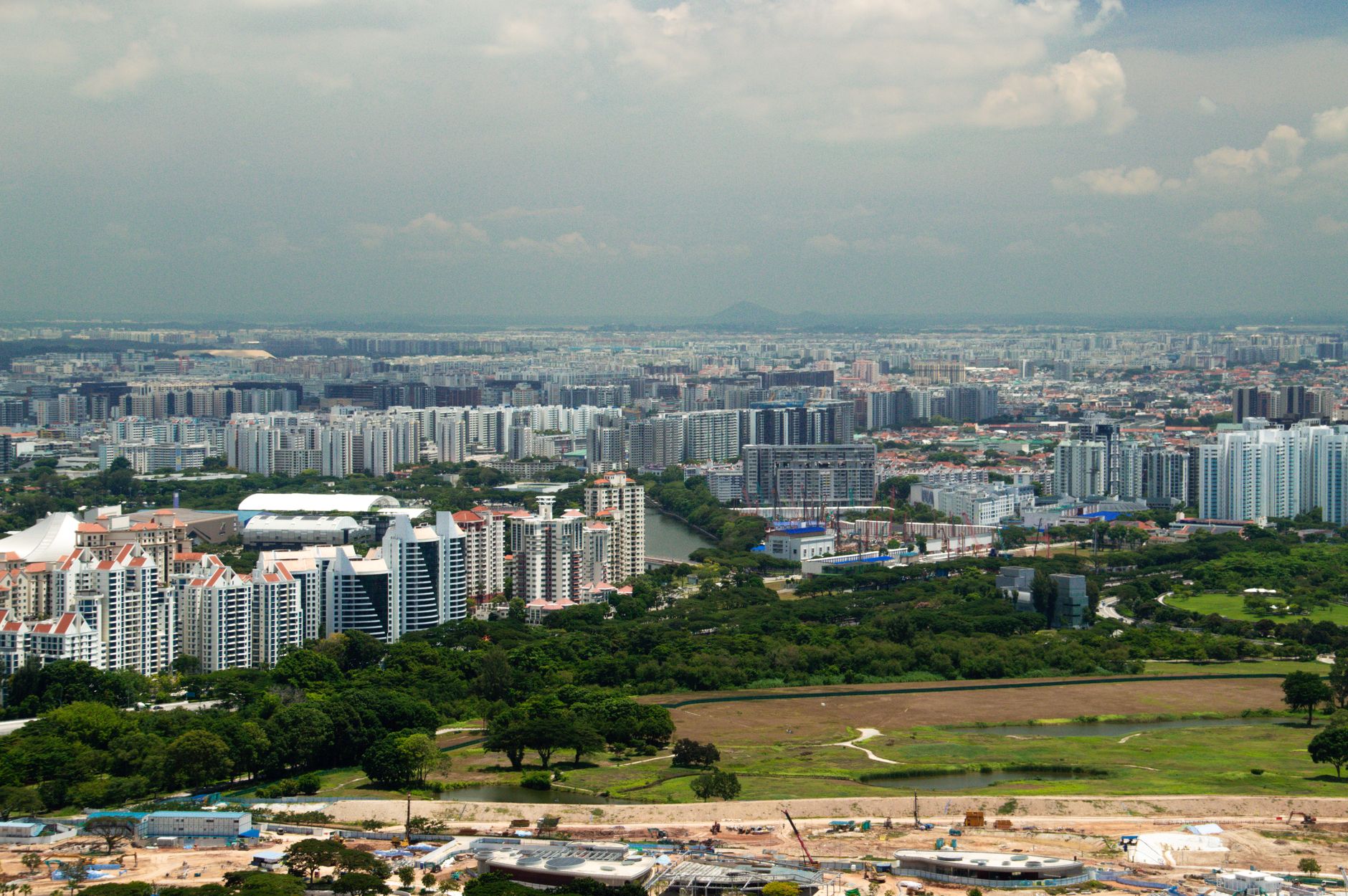
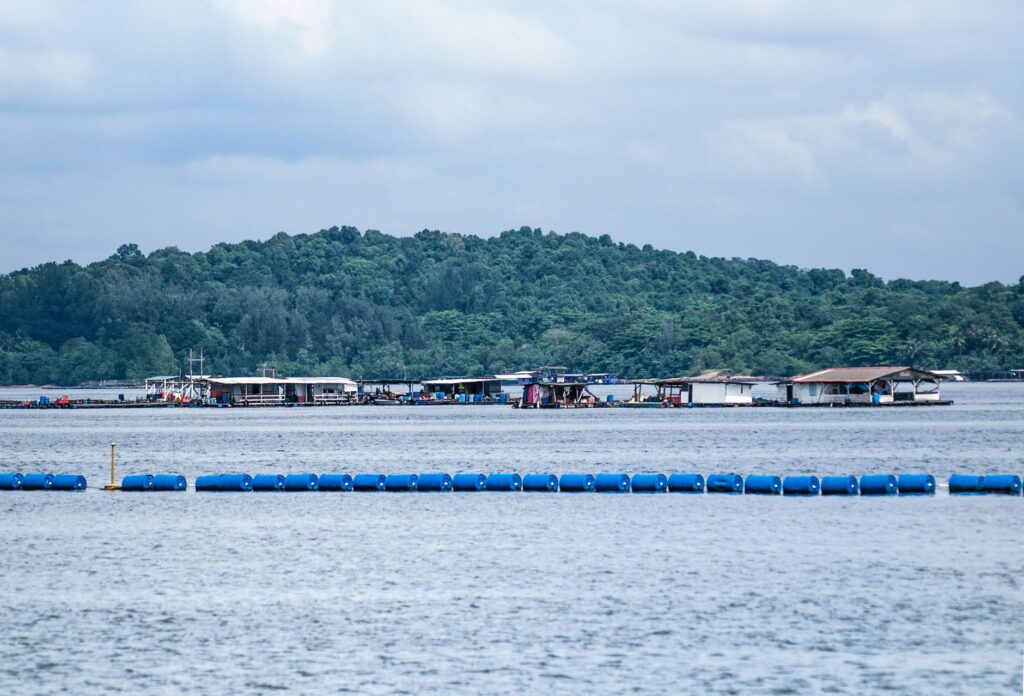
At the eastern extremity of the island of Singapore, Pasir Ris New Town represents an urban planning model where residential density coexists closely with the preservation of coastal natural ecosystems. Far from the financial pulse of the metropolitan center, this residential and recreational sector offers a measured reading of daily life in the country, shaped over decades through public housing policies and territorial zoning. Its very name, derived from Malay terms denoting the white sand of its shoreline strip, anticipates the historical transformation of a territory originally characterized by plantations, fishing villages, and coastal mangroves into a modern planned community.
The configuration of Pasir Ris responds to the guiding principles of the Housing & Development Board (HDB), the governmental agency responsible for providing the housing stock that accommodates the vast majority of the Singaporean population. In this setting, high-rise residential blocks are not perceived as isolated masses, but as nodes integrated into a network of green spaces, neighborhood commercial centers, and multimodal transportation routes. Pedestrian and cycling circulation structures daily commutes, allowing residents to access both mass rapid transit (MRT) stations and the urban parks bordering the eastern coast with ease.
Natural Heritage and Mangrove Conservation
One of the distinctive elements of the locality is Pasir Ris Park and its adjacent mangrove reserve. This protected area constitutes a fundamental ecological testimony for understanding the original biodiversity of the Singaporean coastline. Through elevated wooden boardwalks meandering over brackish water, visitors and residents can closely observe the complex network of aerial roots, migratory birds, and the characteristic flora of these tropical wetlands. The conservation of this habitat amid a densely urbanized environment reflects a deliberate effort to maintain the connection between inhabitants and the native natural landscape.
The balance between urban development and environmental protection is not fortuitous, but the result of national guidelines aimed at consolidating what is termed the City in Nature. In Pasir Ris, this policy materializes in the visual and functional continuity between residential gardens, neighborhood parks, and the coastal strip. Local families consistently use these public spaces during weekends, turning picnic areas and trails into intergenerational meeting points. The presence of community gardens managed by the residents themselves reinforces a sense of belonging and shared responsibility toward the green surroundings.
Residential Architecture and the Evolution of Public Space
The architectural landscape of Pasir Ris evolves alongside successive generations of public housing blocks. From the early complexes constructed in the final decades of the twentieth century to more recent interventions endowed with energy sustainability and universal accessibility criteria, urban design prioritizes cross-ventilation and solar shading, essential elements in Singapore’s equatorial climate. The spaces situated on the ground floor of buildings, known locally as void decks, act as open-air living rooms where events ranging from traditional festivities to daily neighborhood encounters take place.
This architectural layout fosters fluid and diverse social interaction, reflecting the multicultural mosaic characterizing Singaporean society. The ethnic integration policies implemented in public housing ensure that each block mirrors the national demographic proportion, composed primarily of communities of Chinese, Malay, and Indian origin. As noted in a report by the Ministry of National Development on social cohesion and urbanism:
The strength of our residential communities lies in the capacity to design spaces that facilitate daily encounters and mutual respect among neighbors of diverse cultural backgrounds.
This structured coexistence extends beyond residential portals and manifests itself in the hawker centers and wet markets distributed throughout the neighborhood.
Commercial Pulse and Life in Food Centers
The social fabric of Pasir Ris finds one of its most genuine expressions in its community food centers and supply markets. These spaces do not merely fulfill a provisioning function; they act as authentic public dining halls where all layers of the population converge. The culinary offerings reflect the country’s rich gastronomy, with stalls preparing everything from Peranakan specialties to Malay, Chinese, and South Indian dishes. Rigorous cleaning and standardized management of these venues guarantee an accessible standard for any visitor interested in understanding local dietary habits.
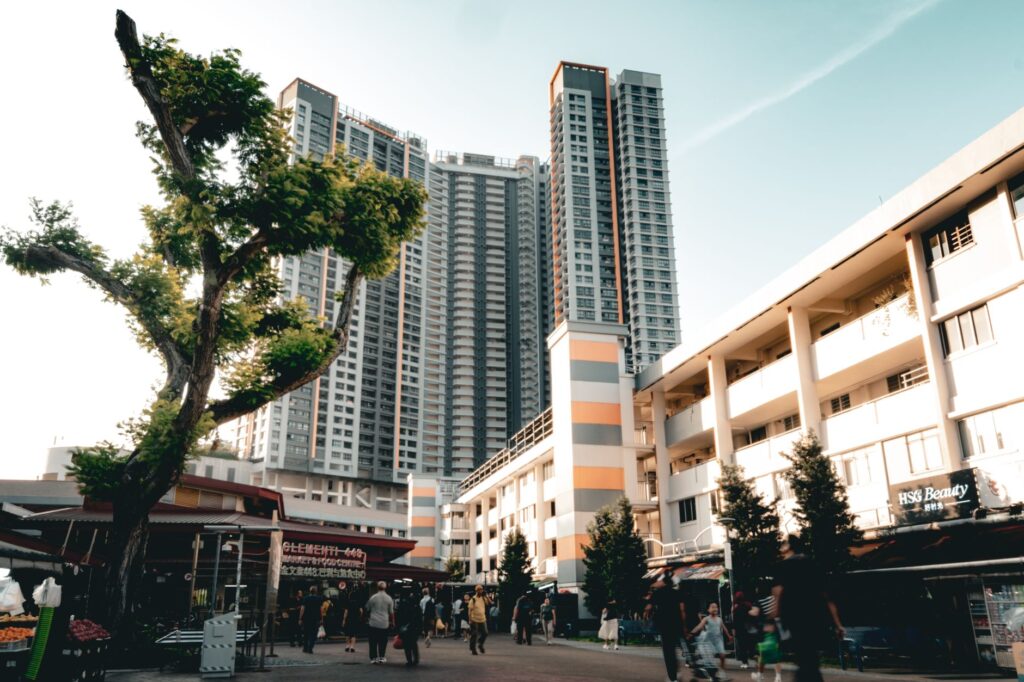
Alongside traditional markets, proximity shopping centers offer complementary services addressing the daily needs of residents. The integration of these commercial infrastructures with public transport terminals reduces private vehicle dependence and energizes urban life throughout the day. Unlike the large commercial districts of the center, commerce in Pasir Ris maintains a human scale geared toward the service of the immediate community, consolidating a self-sufficient environment where work, residential, and recreational life converge within a reduced radius.
Transport Infrastructures and Metropolitan Connectivity
The connectivity of Pasir Ris with the rest of the island constitutes a key factor in its development as a preferred residential zone. The local railway terminal, integrated into the East-West Line of the Singapore Mass Rapid Transit system, facilitates daily commutes to the central business district and other core points of the territory. Likewise, proximity to Changi International Airport has historically influenced the demographic profile of the neighborhood, attracting aviation sector professionals and families who value the relative tranquility of the eastern zone compared to the hustle and bustle of the urban center.
Continuous investments in sustainable mobility infrastructures have transformed the sector’s road landscape. The implementation of bicycle lane networks safely connects residential complexes with transport stations and major recreational axes, encouraging active modes of commuting. This mobility planning is complemented by a high-frequency urban bus network optimizing short-range trips, reducing the carbon footprint associated with the daily travel of thousands of residents moving through the metropolis.
Education, Culture, and Local Associative Fabric
The social infrastructure of Pasir Ris is completed by a broad provision of educational centers, sports facilities, and cultural spaces managed jointly by government agencies and grassroots associations. Primary and secondary schools located in the neighborhood not only impart the national academic curriculum but also actively participate in environmental education programs linked to the mangrove and local parks. This early connection between students and their geographical setting reinforces civic identity and ecological awareness among new generations.
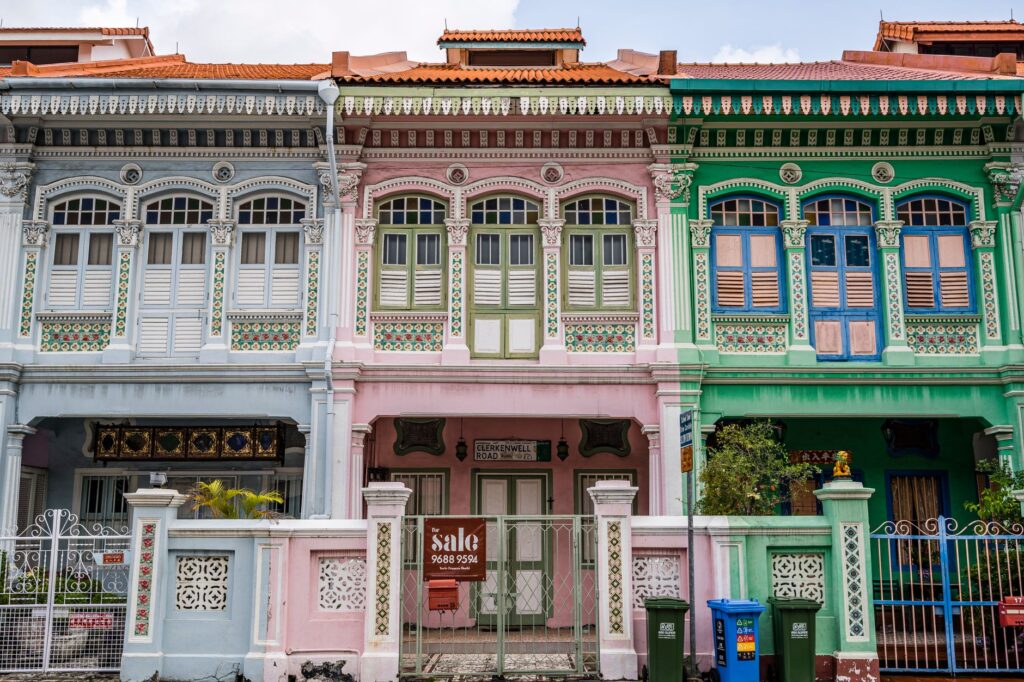
Community associations play a catalytic role in organizing cultural and recreational activities energizing the local calendar. Craft workshops, intergenerational festivals, and environmental volunteering programs are common in the area’s community centers. As a sociological analysis on contemporary Singaporean urbanism emphasizes:
The sustainability of new cities depends not exclusively on their technological solutions, but on the vitality of their civic networks and the constant commitment of their inhabitants to the shared space.
This balance between state planning and grassroots participation defines the singularity of Pasir Ris’s housing model.
Practical guide
How to get there: Pasir Ris is easily accessible using the East-West Line of the Singapore MRT metro system. The journey from the central district (such as City Hall station) takes approximately thirty-five minutes. Various urban bus lines also connect the sector with other areas of the island.
When to visit: The early morning hours (between 07:00 and 09:00) and sunset are the most recommended times to explore the parks and mangrove trails, avoiding the hours of highest solar radiation and elevated temperatures characteristic of the equatorial climate.

What to eat: It is advisable to visit neighborhood food centers (hawker centres) to sample representative dishes from Singapore’s diverse communities, such as Hainanese chicken rice, laksa, or stir-fried char kway teow noodles, prepared under strict quality and hygiene controls.
Behavioral rules: In Singapore’s public spaces, parks, and transport systems, strict regulations apply regarding environmental respect, the prohibition of smoking in enclosed areas, and the care of urban furniture. It is advisable to consult local signage before undertaking recreational activities in natural reserves.
Final Reflection on Landscape and Collective Memory
The tour of Pasir Ris New Town reveals how a peripheral territory can transform into an integrated community without losing sight of its natural heritage and historical memory. Far from constituting a mere urban dormitory, this locality demonstrates that large-scale planning can be humanized when universal access to nature, social cohesion, and the daily well-being of its inhabitants are prioritized. As one contemplates the sunset over the tranquil waters of the Johor Strait from the eastern coast, the visitor understands that Singapore’s true identity resides as much in its avant-garde monuments as in the calculated stillness of its residential neighborhoods.