
Between the City of Trees and the Flow of Contemporary Time
Sendai, the capital of Miyagi Prefecture in Japan’s Tōhoku region, sustains a delicate balance between its historical reputation as the green metropolis of the northeast and the dynamic rhythm of an urban community reinventing its daily routine. Far from the dizzying density of Tokyo, this Japanese city organizes its day-to-day life along avenues flanked by tall zelkova and maple trees, whose canopies filter the light with every shift of the seasons. The urban layout responds to a centuries-old plan promoted by former feudal lords, but current daily life belongs entirely to its residents, who walk daily among leafy public squares, small artisan workshops, and food markets where fresh produce sets the pace of the hours.
Local identity is woven into the most subtle details of urban coexistence. Mornings begin with the unhurried pace of passersby heading toward traditional markets, where local vendors offer agricultural and seafood produce from the Miyagi coast. In these spaces, the relationship between seller and buyer transcends mere commercial transaction; it constitutes an exchange of shared memories, a mutual recognition that survives amid architectural modernization. The city has preserved its human scale, allowing traditional architecture to coexist harmoniously with contemporary buildings and open public spaces designed for community gathering.
The urban geography of Sendai has evolved while keeping its fundamental connection to the surrounding landscape. The proximity of the mountains and the Pacific coast shapes the climate and the daily habits of the population, who integrate natural cycles into their urban routines. Walking through the different neighborhoods reveals a deep-rooted respect for public cleanliness and order, values that are transmitted from generation to generation as part of an unwritten civic code.
The Shade of the Zelkovas and the Pulse of Commercial Streets
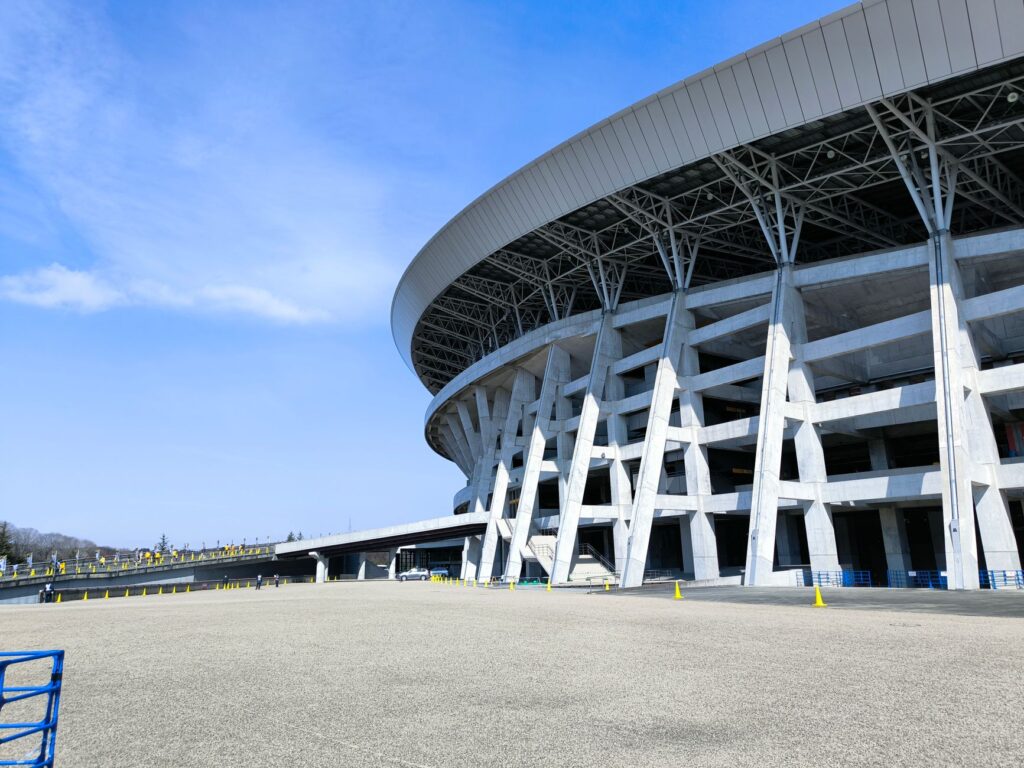
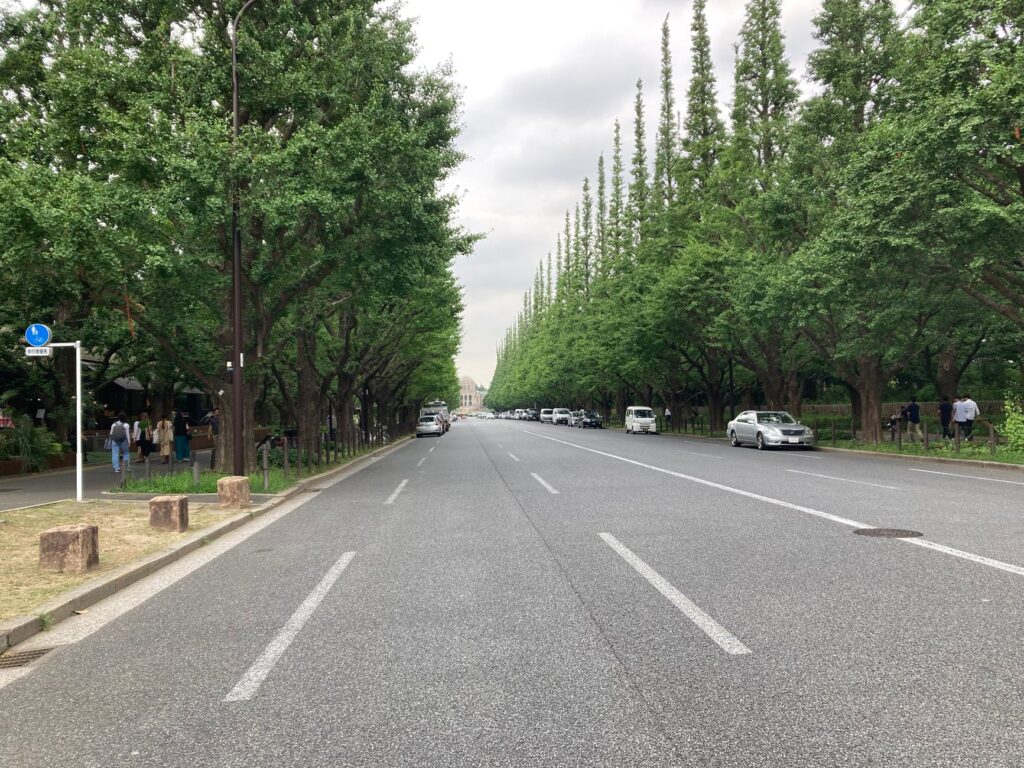
The city’s moniker as the city of trees is not a mere tourism slogan, but a palpable reality that conditions the mobility and well-being of its inhabitants. The large tree-lined avenues crossing the urban center act as climatic lungs and as geographical and emotional reference points. Beneath these leafy vaults, citizens walk protected from the summer heat and the cold winds descending from the mountains in winter. Covered shopping arcades, such as the historic Sunmall Ichibancho area, complement this outdoor network by offering protected spaces where neighborhood commerce keeps the social fabric alive against the expansion of large retail centers.
In these shopping passages, traditional crafts resist oblivion. Family-run carpentry workshops, wooden kitchenware shops, and small tea establishments operate with the same dedication as in past decades. Local artisans understand their work not only as a means of subsistence, but as a cultural responsibility toward future generations. This persistence of practical knowledge endows Sendai’s neighborhoods with a unique human texture, where everyday objects carry the seal of patience and accumulated understanding.
Furthermore, these commercial arteries serve as meeting points where neighbors exchange news and maintain social ties that big cities often dilute. The sensory experience of walking through these covered streets includes the subtle aromas of roasted tea, the sound of wooden tools, and the visual harmony of shop windows arranged with traditional discretion. It is a daily reminder that commerce in this Japanese city remains deeply anchored in human scale and mutual respect.
Food Markets as Centers of Neighborhood Memory
Food provisioning in Sendai is a faithful reflection of the respectful relationship the community maintains with its natural and maritime surroundings. The central market and small neighborhood stalls act as points of convergence where the routes of the agricultural interior intersect with the tides of the Pacific coast. The ingredients arriving at these counters determine the culinary customs of local households, based on seasonality and the simplicity of preparations that highlight the original flavor of the produce.
Conversing with lifelong shopkeepers makes it clear how the community has absorbed historical changes without losing its core identity. The continuity of culinary and commercial customs is the foundation upon which the emotional stability of the neighborhoods rests. Through the careful selection of products and respectful customer service, the markets function as authentic daily agoras where the present is discussed and the collective memory of Miyagi Prefecture is preserved.
The culinary heritage found in these markets is also an expression of resilience. The ability to reinvent local gastronomy after various historical adversities speaks of a community that values its roots. Every seasonal vegetable and every catch from the sea carries a narrative of effort and adaptation that residents honor in their daily domestic cooking.
Residential Architecture and Coexistence in Traditional Neighborhoods
Beyond the main commercial arteries, Sendai’s residential neighborhoods reveal a domestic architecture where wood and light stone define the urban landscape. Single-family homes, with their carefully tended small gardens, are interspersed with low-rise buildings that allow natural light to reach narrow neighborhood streets. This residential fabric fosters active neighboring, where the morning greeting between residents is an unwritten norm of peaceful coexistence.
Neighborhood parks, such as the expansive Nishi Park or the green spaces surrounding the ruins of the ancient castle, function as intergenerational meeting points. Older residents practice gentle exercises under the trees while children play in safe areas, integrating the natural environment into the daily routine. The conscious care of these public spaces demonstrates a civic commitment rooted in collective responsibility. Sendai’s urban architecture, therefore, is measured not by the monumentality of its buildings, but by the capacity of its spaces to shelter life in common.
The integration of private gardens with public green corridors creates a seamless transition between the domestic sphere and the city at large. This spatial continuity encourages residents to spend time outdoors, observing the changing colors of the foliage and participating in neighborhood maintenance activities that reinforce a shared sense of belonging.
Sustainability and Responsible Visitor Decisions in the Territory
The steady flow of visitors to Miyagi’s capital presents the challenge of maintaining a balance between openness to tourism and the preservation of local tranquility. Municipal authorities and neighborhood associations promote a responsible tourism model that invites travelers to discover the heritage on foot or via the public transport network, minimizing ecological footprints in residential neighborhoods. Respect for unwritten rules of coexistence is encouraged, such as avoiding eating while walking, respecting silence in closed public spaces, and directly supporting small local businesses.
This conscious approach benefits both the local economy and the traveler’s experience, who gains access to a deeper and truer understanding of contemporary Japanese culture. By prioritizing local food products, family-run accommodations, and respect for neighborhood life rhythms, the visitor becomes a passive yet respectful actor who contributes to the sustainability of Sendai’s community fabric without disrupting its daily balance.
Travelers are encouraged to adopt a mindset of observation rather than mere consumption. By learning basic local etiquette and understanding the significance of neighborhood spaces, visitors help preserve the quiet dignity that defines daily life in this part of Japan. Responsible travel thus becomes an exercise in cultural empathy.
Practical guide
How to get there: Sendai features Sendai Station, a key node on the Shinkansen high-speed rail network connecting the city directly with Tokyo in approximately one and a half hours. It also has Sendai Airport, with domestic and international connections.
When to visit: Spring, especially during May with the Aoi Matsuri festival, and autumn, when maples turn reddish hues, offer the most pleasant weather conditions for exploring the city on foot.
How to get around: The municipal subway and bus network covers the urban area effectively, though most of the historic and commercial center is easily navigated on foot or by bicycle.
Accommodation: Travelers are encouraged to choose locally managed central hotels or traditional inns that support the economy of residential neighborhoods.
Recommended gastronomy: Taste local specialties such as gyutan (grilled beef tongue) and Pacific seafood in the traditional markets of the center.
Local respect norms: Avoid eating while walking, respect silence on public transport, and purchase artisanal products directly from small workshops to support cultural heritage.
The Green Echo of Tree-Lined Avenues in Sendai’s Memory
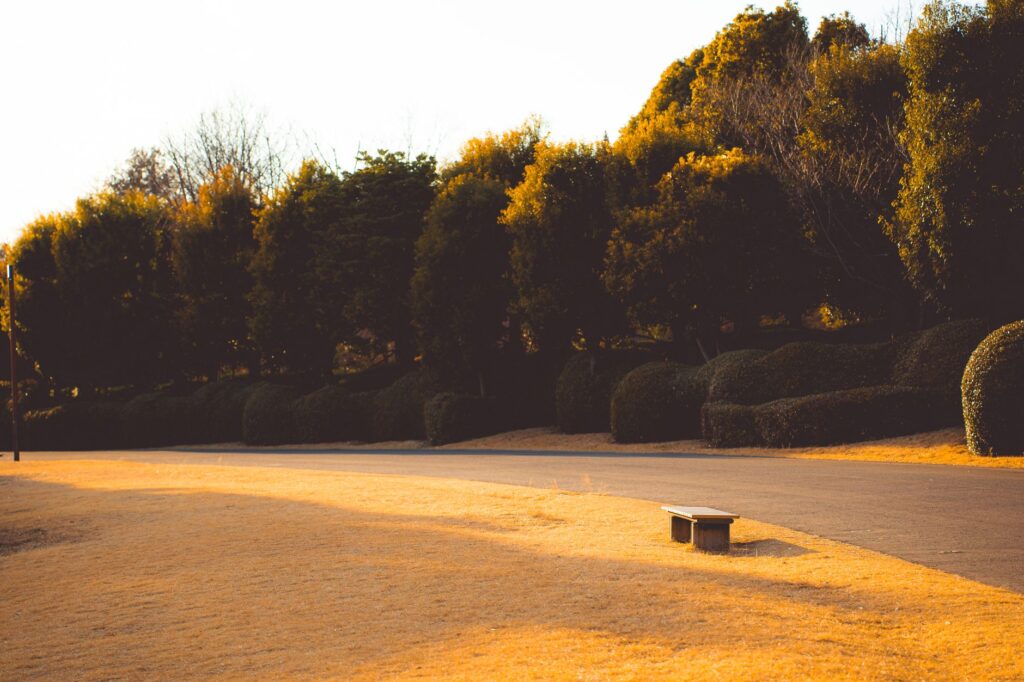
As evening falls, the golden light of sunset filters through the canopies of the zelkovas along the grand avenues, casting elongated shadows over the stone sidewalks. In that moment of transition, the city of Sendai seems to suspend its dynamic rhythm to embrace the calm that characterizes its residential communities. Families return to their homes, shopkeepers carefully close the wooden shutters of their small stores, and the distant echo of the wind among the branches reminds us that the true essence of this territory does not reside in grand monuments, but in the silent constancy of its daily life. The leafy avenues, markets, and squares continue their uninterrupted dialogue with time, ensuring that local memory remains vibrant and protected under the green canopy of the Japanese northeast.