
The Shadow of Temples and the Flow of the Tamiraparani
On the banks of the Tamiraparani River, which winds through the southern Indian state of Tamil Nadu, the day begins before the lowland heat disperses the morning mist. Tirunelveli, a city with a population exceeding one million, wakes to the rhythmic sound of bare feet on stone tiles and the steady murmur of devotees heading to the river ghats. This watercourse is not merely a geographical feature; it forms the backbone upon which the cultural, agricultural, and social identity of the region has been woven for centuries.
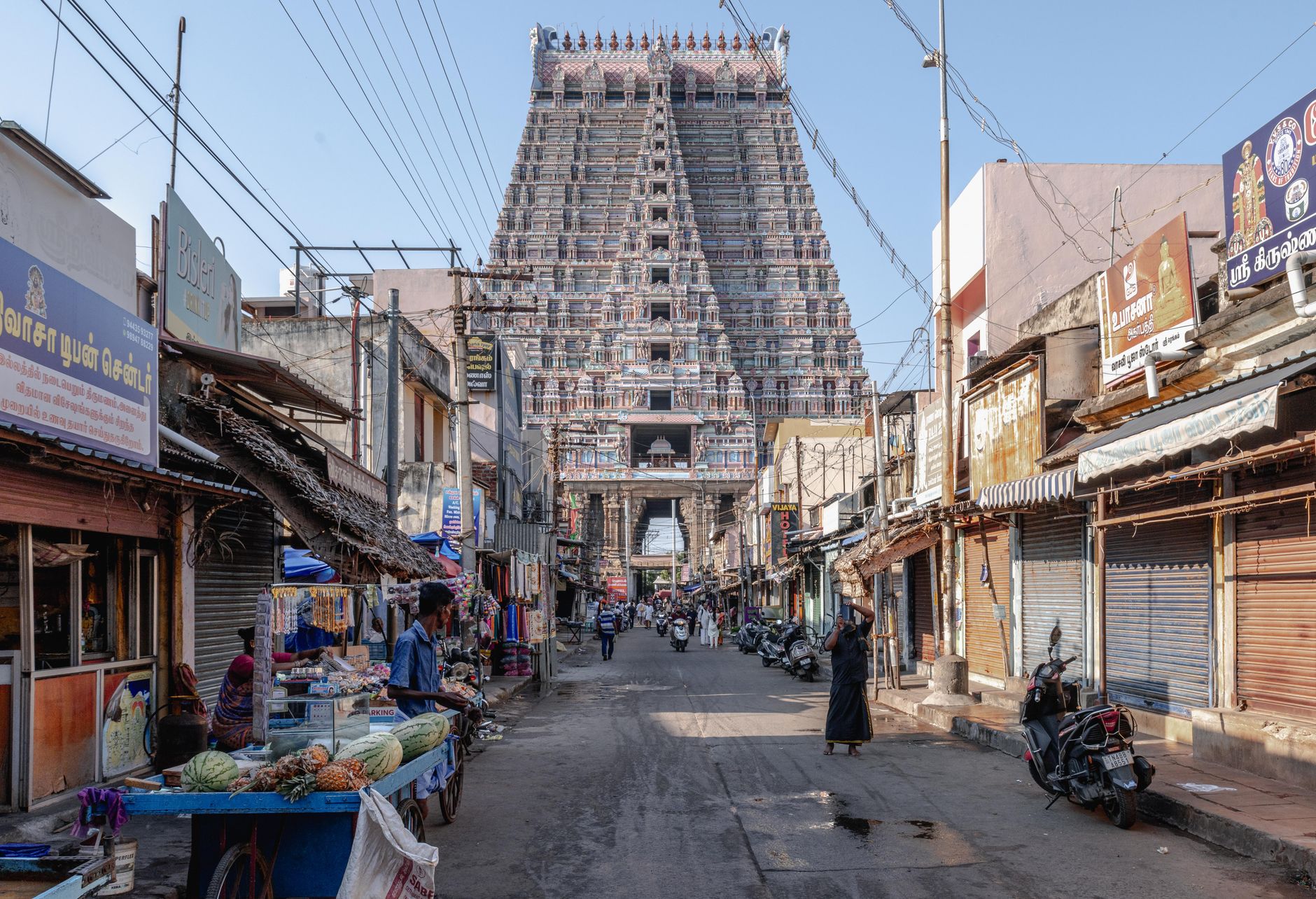
The Nellaiyappar Temple, with its sculpted gopurams dominating the urban skyline, sets the pace for community life. Local families move through adjacent markets purchasing rice, fresh vegetables, and jasmine flowers cultivated in peri-urban plots. The layout of the streets reflects ancestral planning where commerce, residence, and worship coexist without the fractures typical of hyper-industrialized cities. Here, the pedestrian remains the undisputed protagonist of the oldest commercial arteries, a factor defining the daily mobility of its inhabitants.
The everyday decisions of residents show a distinct resilience against the pressures of modern demographic growth. Instead of ceding entirely to motorized traffic, Tirunelveli’s neighborhoods maintain a dense network of small local shops that drastically reduce the need for long journeys. Daily commutes are conducted on foot or via shared transport services connecting residential areas with the commercial core without congesting main roads.
The Pulse of Markets and Circular Economy
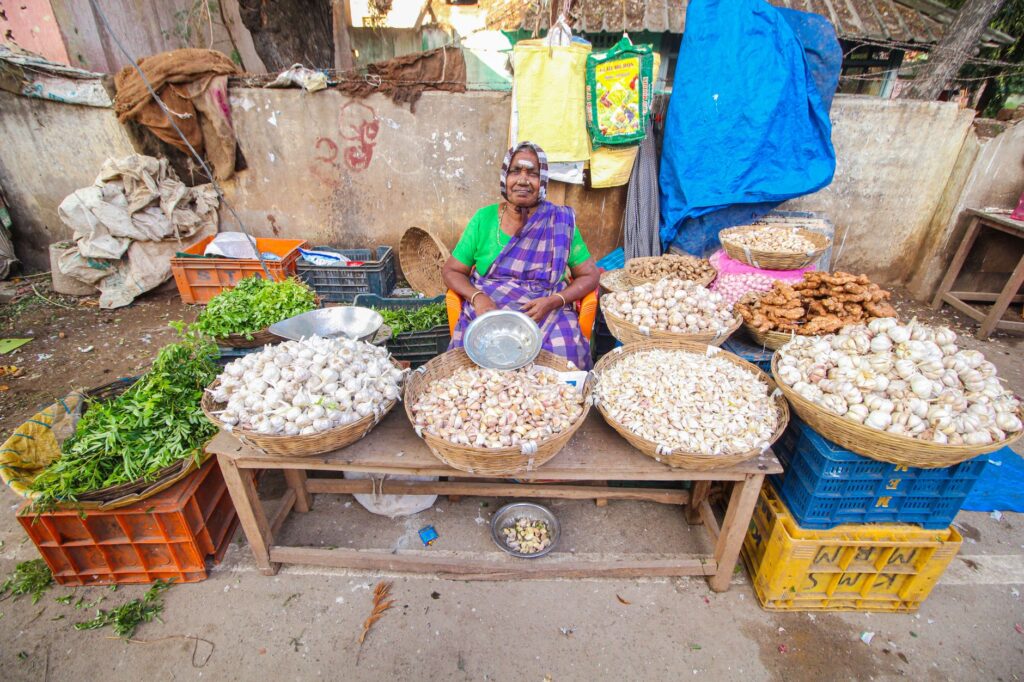
Stepping into the city’s traditional markets is to understand a system where waste is minimal and reuse forms part of neighborhood common sense. Vendors of spices, cotton textiles, and brass utensils organize their stalls making the most of the natural ventilation provided by historical arcades. There are no impersonal big-box stores; each commercial transaction is accompanied by verbal exchanges that strengthen the social fabric and ensure generated wealth remains within the local community.
Surrounding farmers arrive every dawn in collective transport vehicles to supply stalls with bananas, mangoes, and vegetables grown through irrigation techniques inherited from previous generations. This constant flow of local agricultural produce lowers the carbon footprint associated with food supply. Neighborhood cooperatives oversee that river water is used equitably, preventing the overexploitation of underground aquifers feeding the surrounding valley.

Textile craftsmanship, especially the tailoring of lightweight cotton garments adapted to the warm climate of southern India, occupies thousands of families in peripheral neighborhoods. Family workshops operate with moderate energy consumption, prioritizing natural daylight and manual labor over intensive automation. This form of sustainable production allows young people to learn the craft directly from their elders, guaranteeing the transmission of intangible heritage without detaching from the economic needs of the present.
Daily Mobility and Public Transport
The transport system in Tirunelveli centers around the Tirunelveli Junction railway station and a network of public buses connecting different administrative districts. Unlike metropolises where private cars dominate public space, in this southern Indian city bicycles and collective transport maintain a significant modal share among students and workers. Local authorities and citizen groups promote the maintenance of these travel patterns to prevent vehicular congestion.
Sidewalks and crosswalks, though busy, function as spaces for socialization where neighbors pause to converse or check community notices posted on public building facades. This deliberate slowness in the urban rhythm contrasts with the frenzy of other state capitals and allows visitors to perceive the authenticity of a daily life that does not bow to the accelerated tempos of mass tourism.
Efficient use of public space is also observed in waste management and the upkeep of tree-lined squares. Residents participate in periodic cleaning and care sessions for urban trees, ensuring green zones offer shade and refuge against high summer temperatures. These neighborhood initiatives reinforce a sense of belonging and demonstrate that urban sustainability depends heavily on the direct involvement of those inhabiting the territory.
Architectural Heritage and Neighborhood Preservation
The traditional homes of Tirunelveli, characterized by interior courtyards and clay-tiled roofs, provide a notable example of bioclimatic architecture adapted to the monsoon climate. These spaces allow cross-air circulation, reducing the need for artificial air conditioning systems. Although many families have modernized structures to accommodate large households, respect for original volumetrics and local materials such as granite stone and treated wood is maintained.
Community leaders and local cultural associations organize workshops to teach younger generations restoration techniques for historic buildings. These actions prevent the demolition of landmark properties and preserve the uniform aesthetics of old neighborhoods. Visitors interested in architecture find in these streets an open catalog of construction solutions prioritizing durability over ephemeral consumption.
The integration of heritage into daily urban life prevents monuments from becoming mere backdrops for tourists. Courtyards of historic buildings house nursery schools, community health centers, and small artisanal workshops keeping spaces alive and inhabited year-round. This harmonious coexistence is one of the greatest achievements in managing the region’s cultural heritage.
Water Management and Sustainable Agriculture
Water is the most precious and contested resource in Tamil Nadu. In Tirunelveli, managing traditional irrigation channels, known as *karai*, requires constant coordination between farmers and municipal administration. These canals distribute Tamiraparani River water toward rice fields and storage ponds recharging groundwater wells during the monsoon season.
Local farmers have revived ancestral crop rotation practices to prevent soil nutrient depletion without resorting to massive chemical fertilizers. This agricultural approach not only protects local biodiversity but guarantees the quality of water returning to the river. Rural schools and agronomic research centers collaborate closely with communities to monitor water resource status and prevent soil salinization.
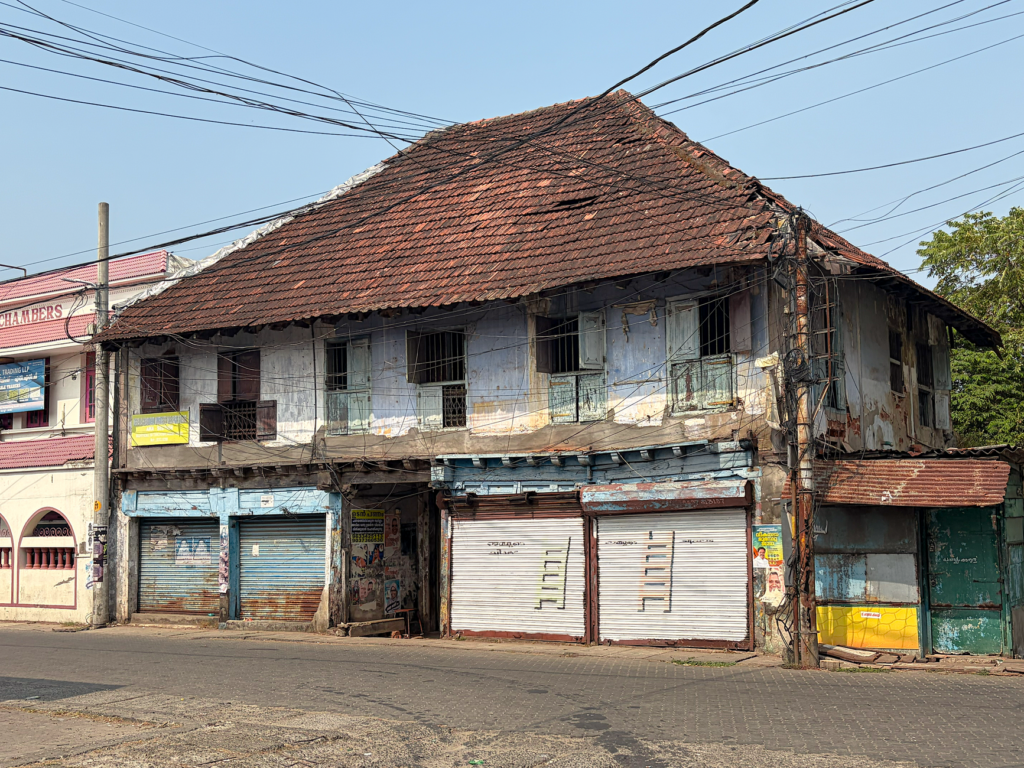
The balance between agricultural production and environmental conservation translates into local markets where consumers can directly learn the origin of the food they buy. The direct relationship between producer and buyer fosters responsible and conscious consumption, where prices reflect the real effort of the land and human labor needed to cultivate it.
The Role of Community in Decision-Making
Local governance in Tirunelveli relies on neighborhood assemblies debating public investment priorities, from improving lighting to expanding ecological public transport routes. These meetings foster citizen participation and ensure urban planning decisions respond to real resident needs rather than external speculative interests.
Women play a fundamental role in managing household economies and community conservation initiatives. Through savings and production cooperatives, they drive recycling projects, urban gardens, and environmental education in local schools. Their silent yet steady leadership is the engine sustaining social cohesion in the city’s most traditional neighborhoods.
Visitors arriving in Tirunelveli are invited to observe and respect these community dynamics without altering them. Local hospitality manifests in the willingness to share stories about the city’s river past and local customs, always under a framework of mutual respect and reciprocity enriching the travel experience.
Practical guide
How to get there: Tirunelveli features an excellent rail connection via the Tirunelveli Junction station, linking directly with major cities such as Chennai, Madurai, and Kanyakumari. The nearest airport is Tuticorin, located about 30 kilometers away, with regular domestic flights.
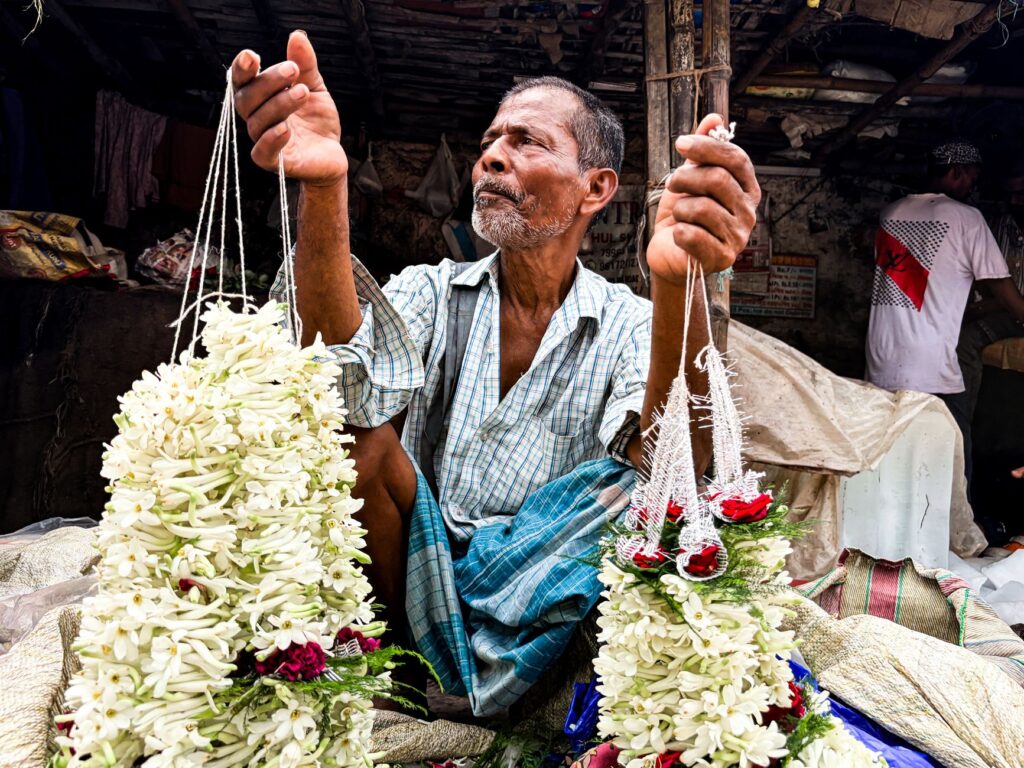
When to visit: The months between November and February offer the most pleasant temperatures for exploring the city on foot, avoiding the intense heat of the pre-monsoon months.
Urban transport: The best way to get around the historic center is on foot or by using local buses and authorized cycle rickshaws, thus reducing congestion and noise pollution.
Accommodation: Small family-run hotels and guesthouses managed by local residents promote low energy consumption practices and efficient waste management.
Recommended gastronomy: Try local rice and dishes prepared with seasonal vegetables in small traditional eateries, where proximity products and home cooking are encouraged.
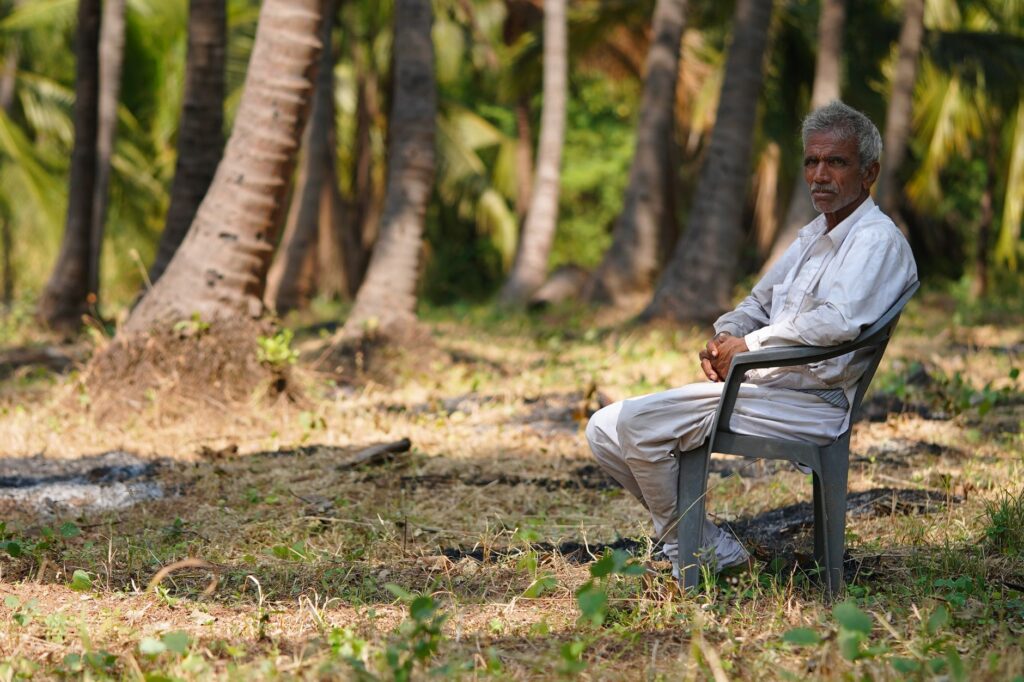
Code of conduct: Visitors are advised to dress modestly when visiting temples and religious spaces, ask permission before photographing residents, and support local artisanal commerce.
The River’s Echo in Collective Memory
At dusk, when sunrays dye the Tamiraparani waters gold and temple bells announce the end of the day, Tirunelveli recovers the calm defining its deepest identity. On riverbanks, elders gather under the shade of centennial trees to converse about past harvests and the community’s future, while youth return home by bicycle or on foot through cobblestone streets.
This southern Indian enclave demonstrates maintaining a sustainable balance between cultural heritage, daily life, and environmental responsibility without sacrificing improvements demanded by contemporary well-being is possible. The city does not seek to attract agile crowds of fleeting tourists, but rather welcome travelers willing to understand the value of pausing, respect for natural resources, and the silent strength of a community deciding its own course.
blockquote>The true wealth of a land is measured not by the speed with which one traverses it, but by the depth with which its inhabitants care for the water, the stone, and the memory sustaining them.