
Introduction to the Urban Pulse of Dong Da
The district of Dong Da, situated within the dynamic core of Vietnam, represents one of the most fascinating enclaves for understanding the transition between ancient tradition and dense contemporary life. Upon entering its streets, the traveler discovers an urban fabric governed not by the haste of major financial centers, but by its own rhythm where neighborhood commerce, leafy trees, and historical memory coexist in constant balance. This territory, which acts as an important administrative and residential engine within the metropolitan area, offers an authentic perspective on how a densely populated community preserves its identity through respect for shared spaces and the human scale of its neighborhoods.
Far from purely monumental tourist circuits, Dong Da invites a calm exploration. Every alley and minor square functions as a small stage where daily life unfolds: from morning vendors displaying fresh produce to residents practicing traditional exercises on the sidewalks at dawn. Analyzing this district involves observing vernacular architecture, the structuring role of its thoroughfares, and the way its inhabitants interact with a constantly transforming environment, while keeping the essence of their cultural and social heritage alive.
Historical Origins and Geographic Context in the Heart of Vietnam
The urban geography of Dong Da is deeply intertwined with the historical events that shaped the Vietnamese capital. Its topography, characterized by low altitude and a dense network of small water depressions that once formed part of a broader lake system, has historically determined human settlement. The district takes its name from one of the most memorable milestones of national resistance, an enduring symbol of civic pride that permeates the collective consciousness of its inhabitants and defines the commemorative architecture of the area.
Over the centuries, this space evolved from an area of agricultural vocation and peripheral villages into an indispensable urban node. Demographic expansion, exceeding three hundred seventy thousand residents, has transformed the landscape without entirely erasing the traces of the past. The ancient communication routes, now converted into busy avenues, retain the historical layout that connected regional markets with political power centers, configuring a complex yet surprisingly accessible urban grid for the attentive walker.
Residential Architecture and Neighborhood Scale
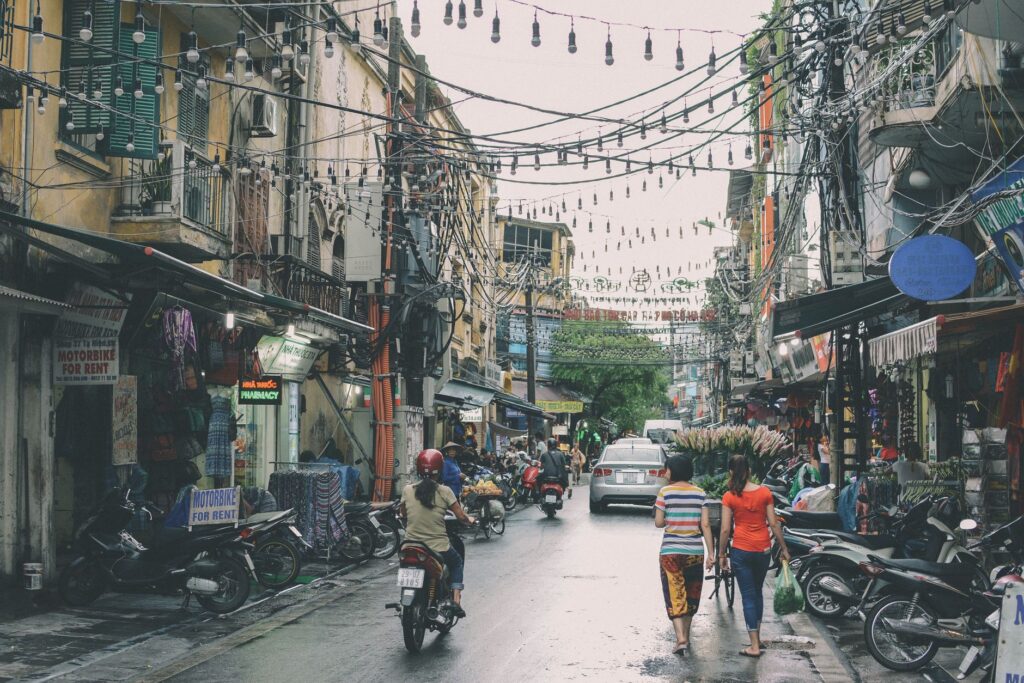
Walking through Dong Da means stepping into a unique architectural sampler, where traditional narrow tube houses coexist with mid-twentieth-century apartment blocks and modern commercial developments. This formal diversity is not chaotic; it responds to a spatial adaptation logic driven by the need to optimize every available square meter without losing connection to the street. Narrow facades hide interior patios, small family shrines, and artisanal workshops where secular trades are perpetuated.
The transition spaces between private and public realms play a fundamental role in the district’s social cohesion. The wide sidewalks of certain main avenues and the thresholds of private homes act as extensions of the living room, where families gather at dusk to escape the heat and converse with neighbors. This architectural permeability fosters a strong sense of belonging and community safety, turning urban exploration into a visually rich and humanly warm experience.
Urban Mobility and Local Transport in Dong Da
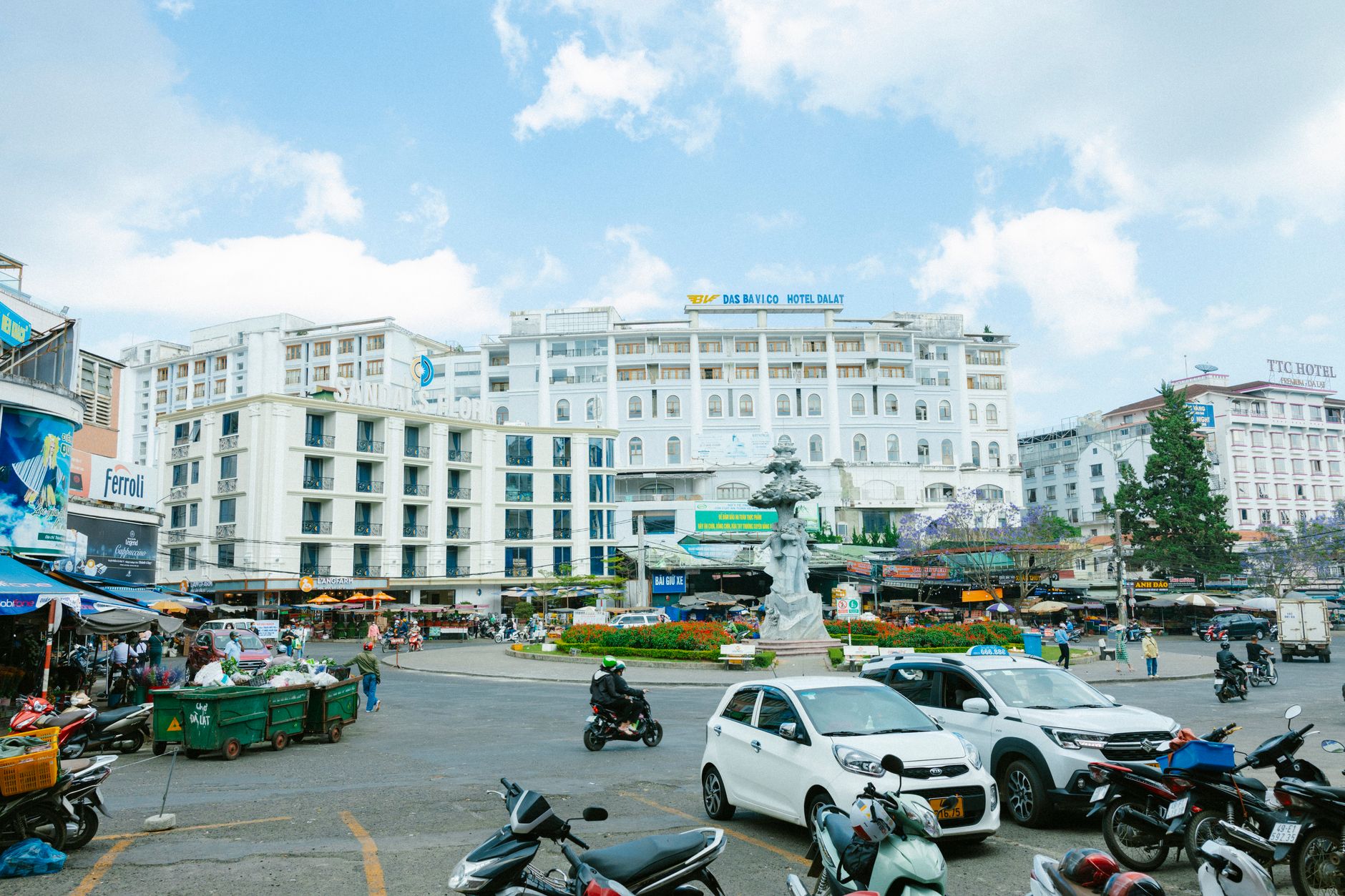
Daily commuting in Dong Da constitutes an ethnographic and logistical experience in itself. Local transport relies on a dense network of public buses connecting the district’s various neighborhoods with the rest of the metropolitan area, complemented by a multitude of motorcycles, bicycles, and two-wheeled passenger transport services that form the backbone of daily mobility. This apparent circulatory complexity operates with an organic fluidity based on unwritten codes of mutual respect and adaptation to the collective pace.
For travelers wishing to explore the area responsibly, walking and using collective transport are the most appropriate tools. Local authorities have improved pedestrian signage and accessibility around key points of interest, making it easier for both residents and visitors to navigate commercial arteries and parks without relying on private vehicles. This commitment to sustainable mobility reduces environmental impact and allows for a closer appreciation of the architectural and commercial nuances of each street.
Traditional Markets and Neighborhood Provisioning
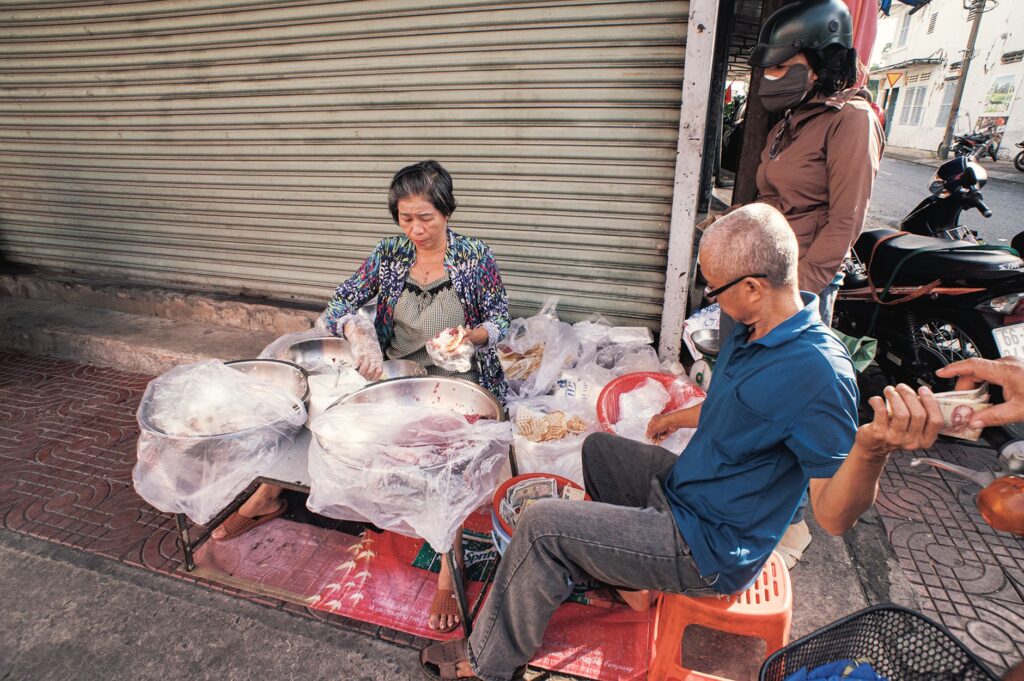
The economic and social heart of Dong Da beats strongly in its traditional markets and the countless small neighborhood shops lining secondary streets. Unlike impersonal large commercial surfaces, these direct exchange spaces keep alive the bond between farmers from surrounding areas and urban consumers. From early morning, stalls fill with fresh vegetables, aromatic herbs, local products, and culinary specialties prepared according to recipes passed down through generations.
The neighborhood market is not merely a place of commercial transaction, but the modern agora where networks of neighborly solidarity are woven and the collective memory of the district is transmitted.
Understanding Dong Da’s daily gastronomy requires observing how these ingredients integrate into the daily diet of its inhabitants. Small street stalls and family-run eateries offer simple yet skillfully prepared dishes, where flavor balance and the freshness of local produce take center stage. This gastronomic ecosystem fosters a high-value circular economy for the community, ensuring that the benefits of commerce remain within the resident fabric itself.
Green Spaces, Lakes, and Daily Rest
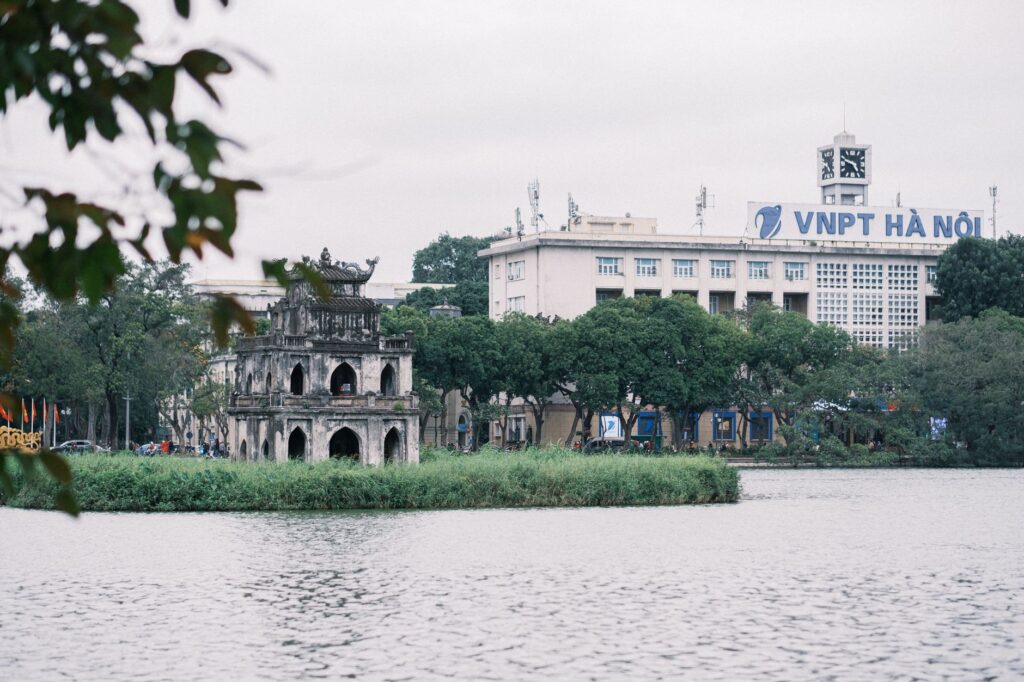
Despite high demographic density, Dong Da features valuable green lungs and water bodies acting as microclimatic regulators and peaceful refuges for residents. Urban lakes, surrounded by tree-lined walkways and stone benches, set the stage where civic life adopts its most leisurely facet. At sunset, these spaces fill with people walking, engaging in light gymnastics, or simply enjoying the breeze blowing off the water, creating an atmosphere of serenity rarely found in major Asian capitals.
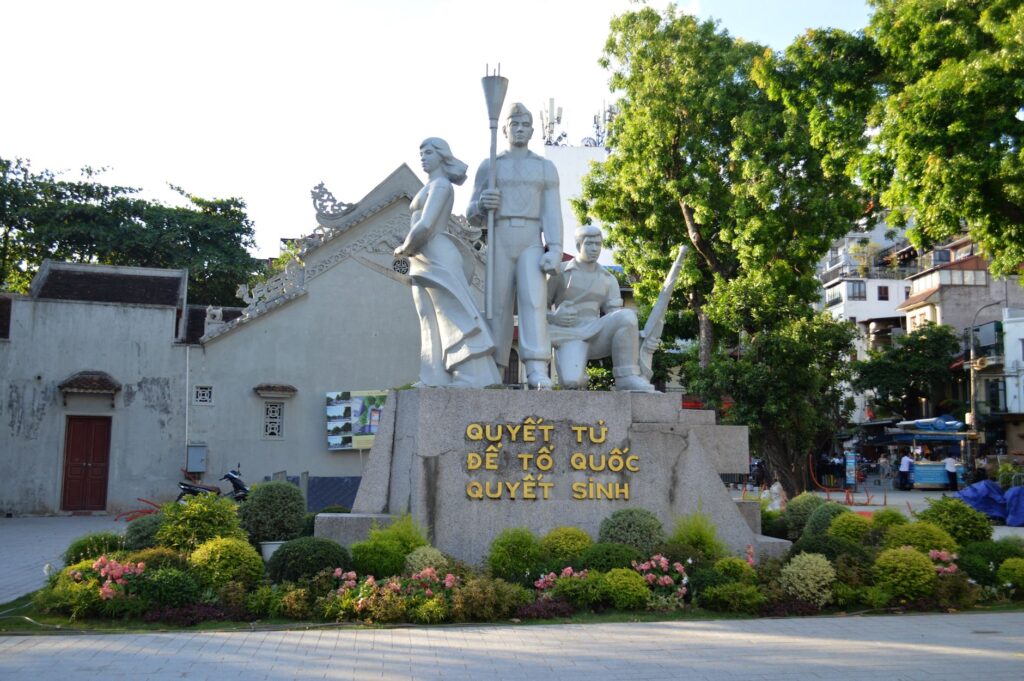
The integration of these natural environments into urban planning demonstrates a historical sensitivity to the landscape. Local parks are not mere ornamental decorations, but essential civic infrastructures improving the physical and mental health of the population. Caring for these spaces is a shared responsibility between municipal administration and neighborhood associations, organizing clean-up and maintenance days to preserve their beauty and functionality for future generations.
Responsible Relationship with Local Communities
Tourism and urban exploration in Dong Da demand an ethical commitment to the communities inhabiting the territory. The presence of travelers must always respect resident privacy, religious traditions, and the norms of civic coexistence governing the neighborhoods. Far from transforming spaces into mere backdrops for visitors, interaction must be based on equitable cultural exchange, support for independent small businesses, and sincere appreciation of the area’s intangible heritage.
Community initiatives ensure visitors learn about the district’s history through the voices of its own inhabitants, avoiding folklorization and promoting a sustainable development model. Local artisan workshops, neighborhood-led guided tours, and strict respect for local customs ensure tourism acts as a tool for cultural preservation rather than a strain on daily life in Dong Da.
Practical guide
How to get there: Dong Da is fully integrated into the Vietnamese capital’s transport system. It is accessible via numerous urban bus lines and taxis from the historic center and major transport terminals.
When to visit: The months between November and April offer the most pleasant weather conditions, with moderate temperatures and lower precipitation indices, ideal for exploring neighborhoods on foot.
Internal mobility: Walking is recommended to discover alleys and markets, complemented by local buses or shared motorcycle transport services for longer distances.
Accommodation: The district offers a varied selection of small family-run hotels, independent guesthouses, and tourist apartments managed by local residents, promoting a sustainable stay.
Recommended gastronomy: Taste traditional dishes in local markets and small neighborhood eateries, prioritizing the consumption of fresh seasonal produce and Vietnamese regional specialties.

Coexistence rules: Maintain a respectful attitude in public spaces, ask permission before photographing individuals or small businesses, and care for urban parks and lakes.
Cultural preservation: Support local commerce by purchasing directly from artisans and small merchants in the district to contribute to resident family economies.
Final Reflection on the Pulse of Dong Da
Exploring Dong Da leaves a lasting impression of restrained vitality and neighborhood harmony. Its streets, markets, and lakes compose a mosaic where each element fulfills an essential function in the daily wellbeing of its inhabitants. Observing the sunset reflecting on the calm waters of its urban ponds, one understands that the true value of this district lies not in isolated grand monuments, but in the community’s ongoing capacity to weave a life that is dignified, hospitable, and deeply connected to its history.