
Origins and Transformation in Northern Texas
Located in the heart of the United States, Dallas rises over a vast plain where highways and the economic dynamism of Texas converge. With a population exceeding one million residents, this city has evolved from its humble commercial beginnings into a global benchmark of modernity and trade. Visitors exploring its streets discover a metropolis that balances a fast-paced financial rhythm with deeply rooted community traditions. Urban development in this region has historically been shaped by its geographical location, serving as a vital nexus for communication and enterprise across the vast expanses of the North American territory.
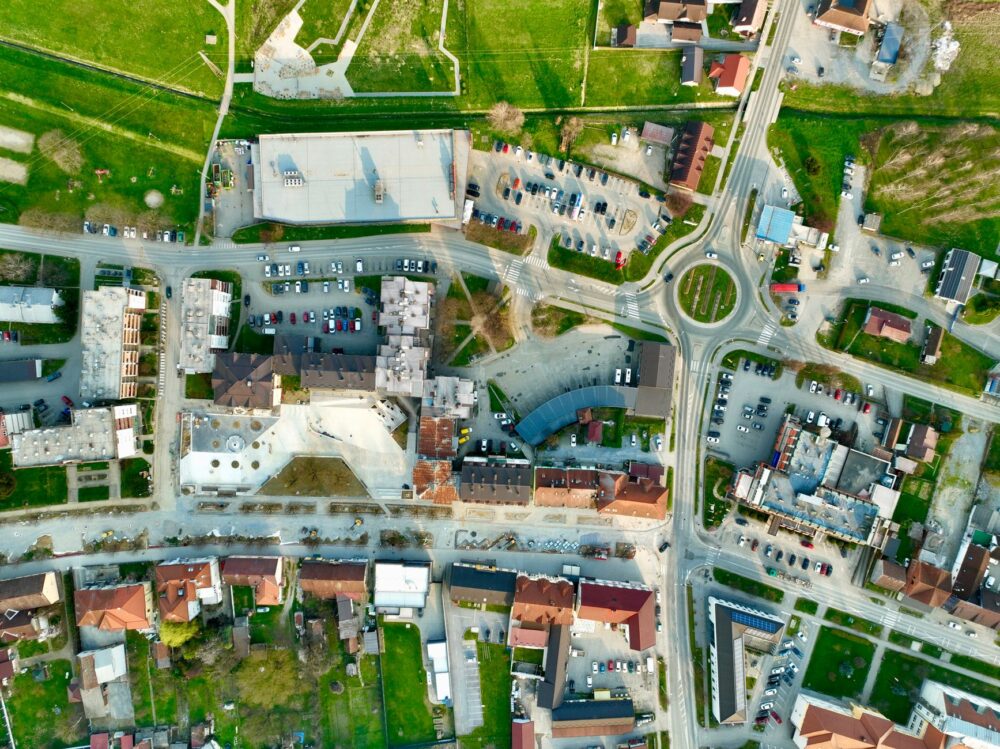
The average altitude of one hundred twenty-eight meters above sea level defines a predominantly flat terrain, favorable for the development of a grid-based urban layout. The humid subtropical climate imposes warm summers and mild winters, conditioning the daily habits of its residents, who seek the shade of towering skyscrapers or climate-controlled refuges during the central hours of the day. Far from being a mere concrete jungle, the city deploys a complex network of neighborhoods with distinct individual identities, where residential blocks merge harmoniously with bustling commercial strips and quiet community squares.
Constant demographic growth has shaped a diverse society where multiple cultural traditions coexist. Local families and new residents share public spaces that reflect the vitality of the state. The municipal administration and neighborhood groups foster initiatives to integrate historical heritage with contemporary needs for mobility and environmental sustainability throughout the territory. These collaborative efforts ensure that the urban landscape adapts to modern challenges while preserving the foundational values of community life in Texas.
The expansion of the metropolitan area has also prompted careful reflection on resource management and territorial planning. Urban planners continually evaluate how to accommodate growing residential demands without compromising the integrity of public parks and historical landmarks. This ongoing dialogue between expansion and preservation underscores the pragmatic spirit that characterizes the local administration and its citizenry.
Vertical Architecture and Urban Geometry
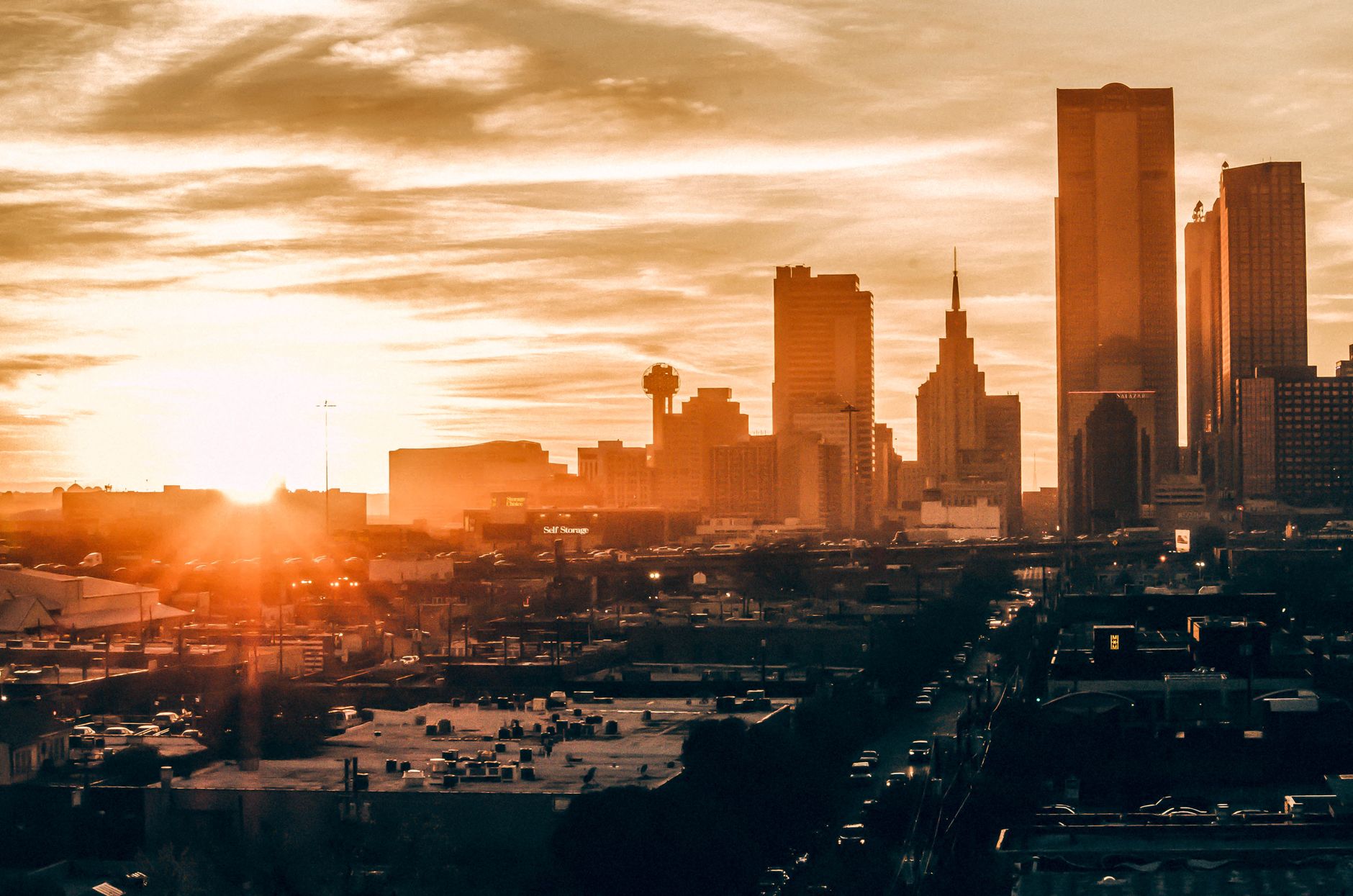
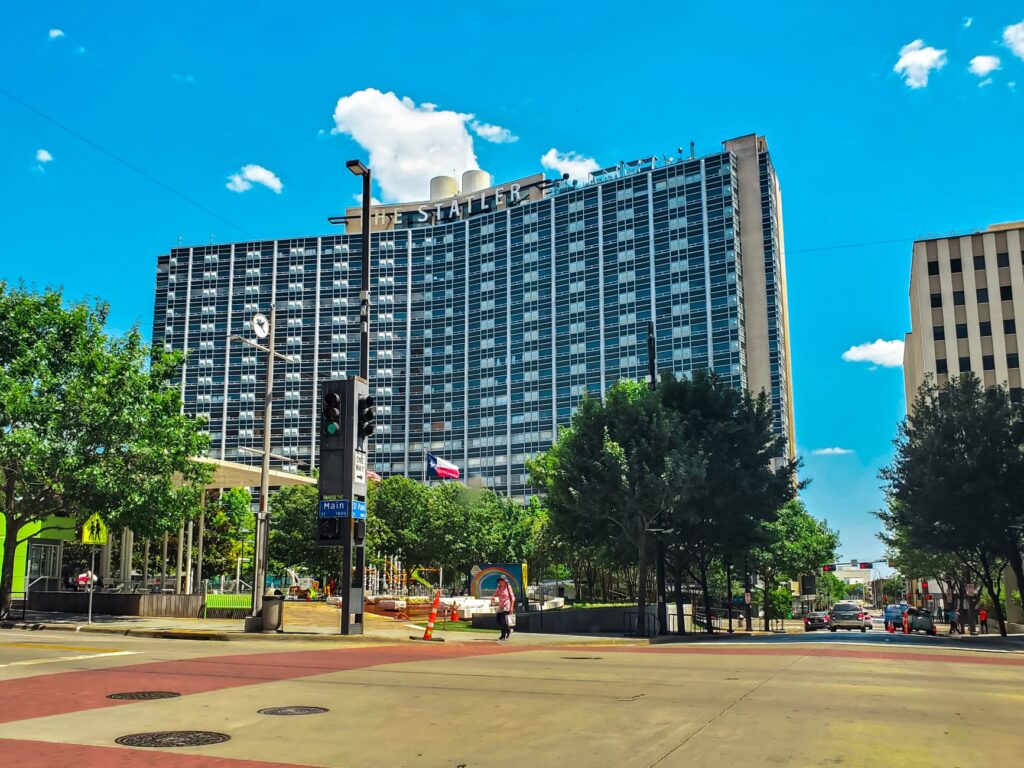
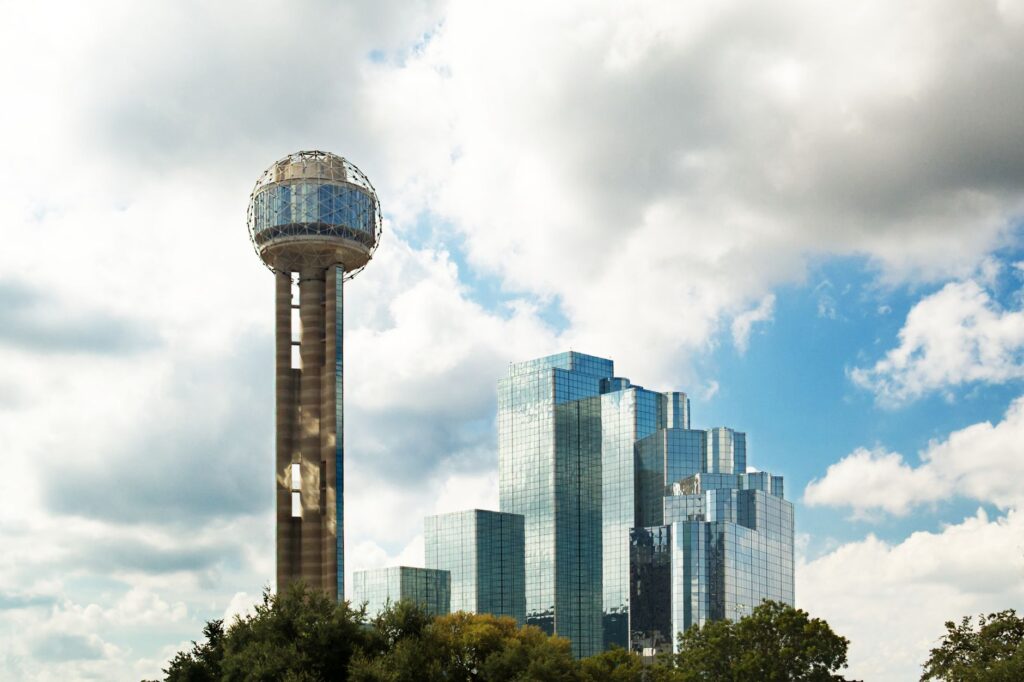
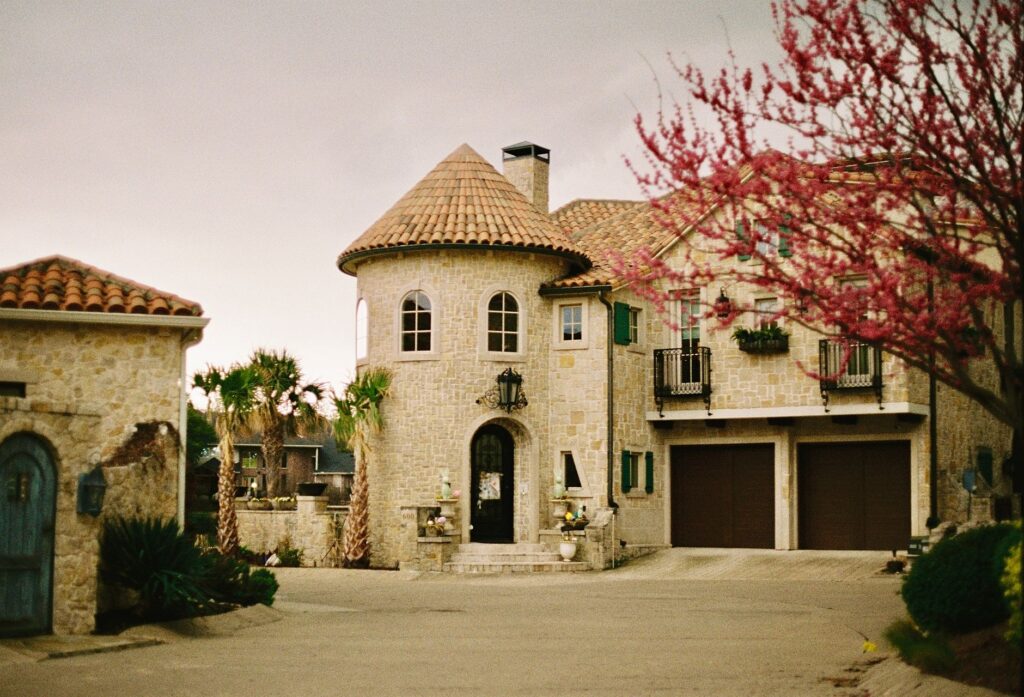
The skyline of Dallas stands as a constant testimony to twentieth and twenty-first-century architectural evolution. From the iconic Reunion Tower to imposing office buildings designed by world-renowned architects, limestone and glass dominate the visual landscape. Main avenues act as arteries connecting commercial districts with residential zones where exposed brick and geometric facades set the aesthetic tone.
Urban planning prioritizes functionality without sacrificing visual appeal. Public squares, designed with rigorous symmetrical forms, offer respite to passersby and serve as spontaneous stages for social encounters. In these open spaces, life unfolds to the rhythm of midday pauses and the comings and goings of local workers transiting daily among corporate towers.
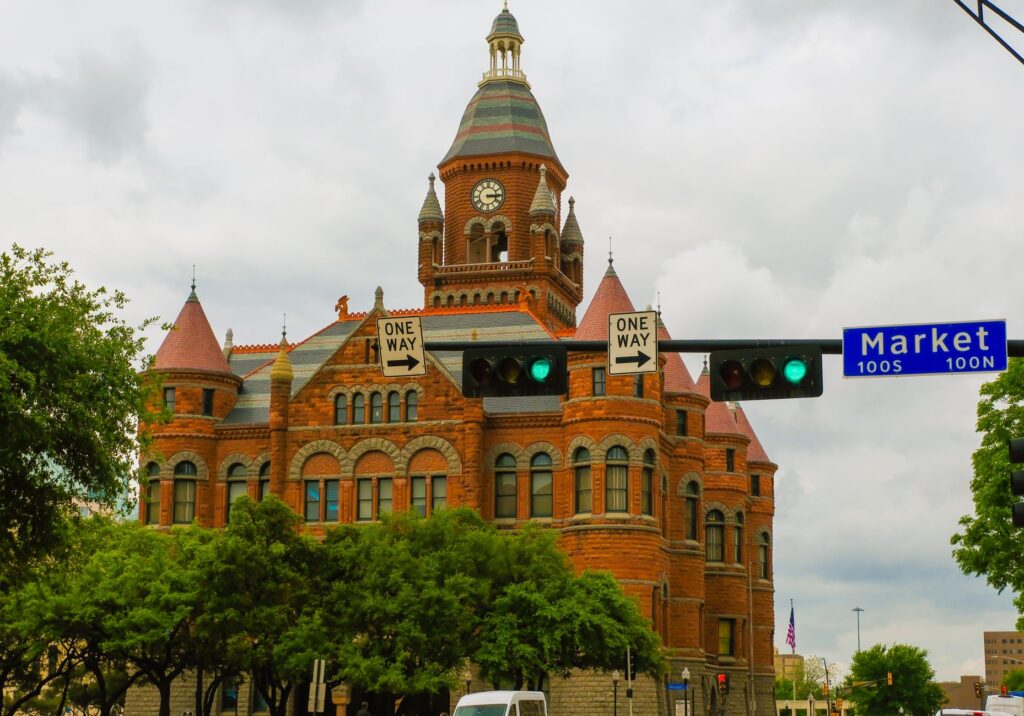
The ornamental details of restored historic buildings contrast harmoniously with vanguard steel structures. This visual dialogue between different eras enriches the walker’s experience, who can appreciate the evolution of Texan urban design in a single walking tour through the main boulevards and central squares.
Architectural preservation committees work diligently to safeguard structures that bear witness to earlier decades, ensuring that rapid modernization does not erase the historical memory embedded in the city blocks. This balance between preservation and innovation creates a layered urban tapestry where past and present coexist seamlessly.
The architecture of a major North American city is not merely a display of height, but the tangible reflection of collective decisions shaping the daily horizon of its inhabitants.
Commercial Pulse and Provision Markets
Neighborhood commerce and traditional markets constitute the true invisible engine of daily life in Dallas. Unlike large peripheral shopping centers, small establishments located in historic neighborhoods preserve customer service methods based on proximity and mutual trust. Here, fresh regional produce arrives every dawn to supply family pantries and local eateries.
Local shopkeepers and merchants play a fundamental role in neighborhood social cohesion. Daily interaction at these counters strengthens a sense of community transcending generational and cultural differences. Respect for traditional recipes and the exchange of local ingredients shape a gastronomic map rich in nuances, where home cooking constantly dialogues with international influences.
Encouraging consumption in neighborhood markets allows the responsible visitor to directly support local producers. This daily practice reduces the distribution footprint and ensures that the local economy maintains its dynamism without depending exclusively on large commercial corporations.
Community markets often host seasonal events and artisan fairs, turning routine grocery shopping into a cultural exchange. These gatherings foster a deeper understanding of regional heritage and provide a platform for local creators to showcase their craftsmanship to both residents and mindful travelers.
Green Spaces and Biodiversity in the Metropolitan Environment
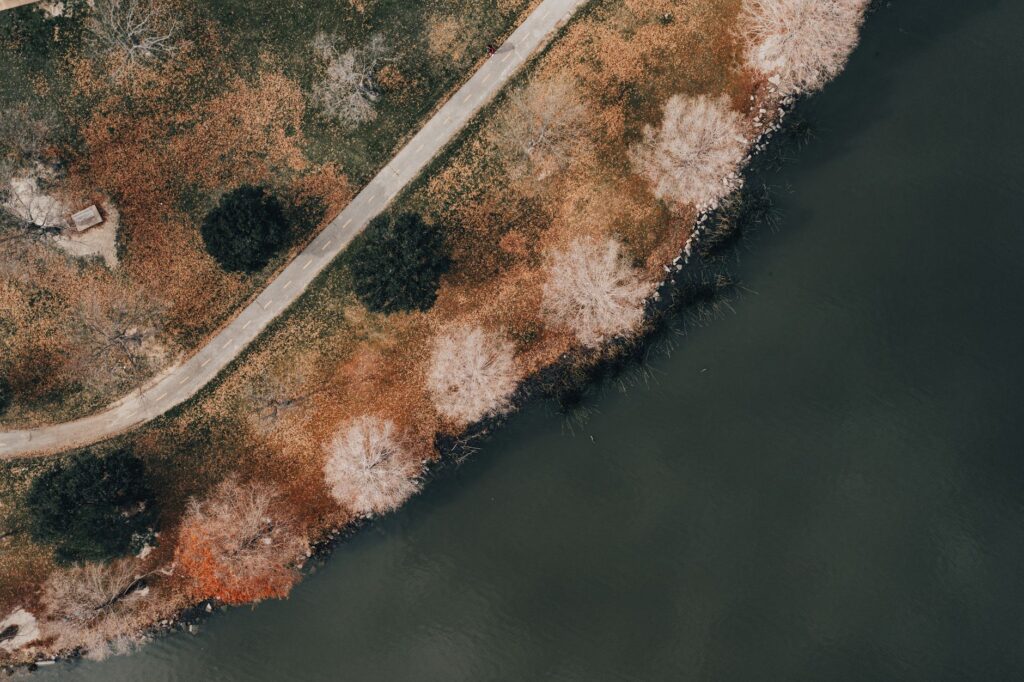
Despite its intense industrial and financial activity, Dallas hosts numerous parks and ecological corridors winding through its territory. These green lungs provide refuge for both local wildlife and citizens seeking to escape the asphalt. Native vegetation, adapted to regional temperature swings, includes hardy species capable ofwithstanding periods of summer drought.
Pedestrian trails and cycling routes foster a more leisurely and environmentally respectful mobility. Local authorities and diverse civic associations collaborate in preserving these natural habitats, promoting educational programs aimed at conserving native flora and fauna. Walking through these spaces allows one to understand the symbiotic relationship between urban development and respect for the natural environment.
The planning of wild areas within urban limits helps mitigate the heat island effect. Shade trees and restored wetlands act as microclimatic regulators, improving air quality and offering recreational spaces that reinforce the physical and mental well-being of the community.
Environmental education initiatives organized within these parks encourage visitors and residents alike to adopt sustainable habits in their daily routines, emphasizing the importance of protecting urban biodiversity for future generations.
Cultural Heritage and Community Identity
The city’s cultural wealth manifests in its museums, art galleries, and community centers, which document both foundational history and recent demographic shifts. Local artistic expressions reflect the plurality of a society in constant evolution, where historical memory intertwines with contemporary avant-gardes.
Open-air festivals and public art exhibitions turn streets into open-air museums. Citizen participation in these events is massive, evidencing a clear interest in keeping local traditions alive while welcoming new forms of urban creativity. This dynamic balance ensures that Dallas’s cultural identity remains vibrant and open to the world.
The preservation of historical archives and support for emerging artists consolidate the region’s cultural fabric. Neighborhood centers organize educational workshops where traditional trades and artistic techniques are transmitted, guaranteeing that the creative legacy endures among new generations of Texans.
Community theaters and local music venues further enrich this cultural ecosystem, providing spaces where diverse artistic voices can find expression and connect with audiences from all walks of life.
Daily Mobility and Transport Networks
The Dallas transport system constitutes a complex infrastructure combining major highways, light rail lines, and urban bus networks. Managing daily mobility requires constant planning to absorb the flows of millions of commuter trips occurring each week between the financial center and residential suburbs.
For the responsible visitor, utilizing public transport or walking through enabled sectors represents the best way to comprehend the true scale of the city. Intermodal stations facilitate fluid transfers, reducing dependence on private vehicles and promoting sustainable mobility alternatives within the metropolitan fabric.
Public transport policies integrate incentives for the use of bicycles and low-emission vehicles. This constantly improving network seeks to optimize workers’ travel times and minimize the environmental impact derived from road traffic during peak congestion hours.
Ongoing investments in transit infrastructure reflect a broader commitment to reducing carbon emissions and improving overall urban livability for all residents and visitors.
Practical Guide
How to get there: Dallas-Fort Worth International Airport (DFW) connects directly with major international and domestic hubs. Long-distance rail and bus connections are also available.
When to visit: The spring months (March to May) and autumn (September to November) offer milder temperatures for exploring the city on foot, avoiding the extreme heat of the Texas summer.
Getting around: The DART light rail system provides efficient access to downtown and key districts without requiring a car rental.
Accommodation: Choosing centrally located hotels in financial or commercial districts is recommended to optimize walking commute times to major cultural points of interest.
Gastronomy: Explore local markets and traditional establishments to taste regional Texan specialties crafted from locally sourced ingredients.
Behavioral norms: Respect for pedestrian traffic rules and proper use of protected natural spaces within the metropolitan area are highly valued.
Useful information: Local tourism offices provide updated maps and detailed guides on free cultural events and museum operating hours.
Final Reflection on the Texas Horizon
Observing the sunset reflected on the glass and steel facades of Dallas invites a contemplative pause. Far from frantic daytime activity, the city reveals a serener visage, where modern architecture and the vastness of the Texas landscape converge in singular harmony. It is in that moment that the metropolis displays its true essence, reminding the traveler that every great city rests as much upon its towering structures as upon the daily lives of those who inhabit it day after day.