
Introduction to the Horizon of Gulariyā
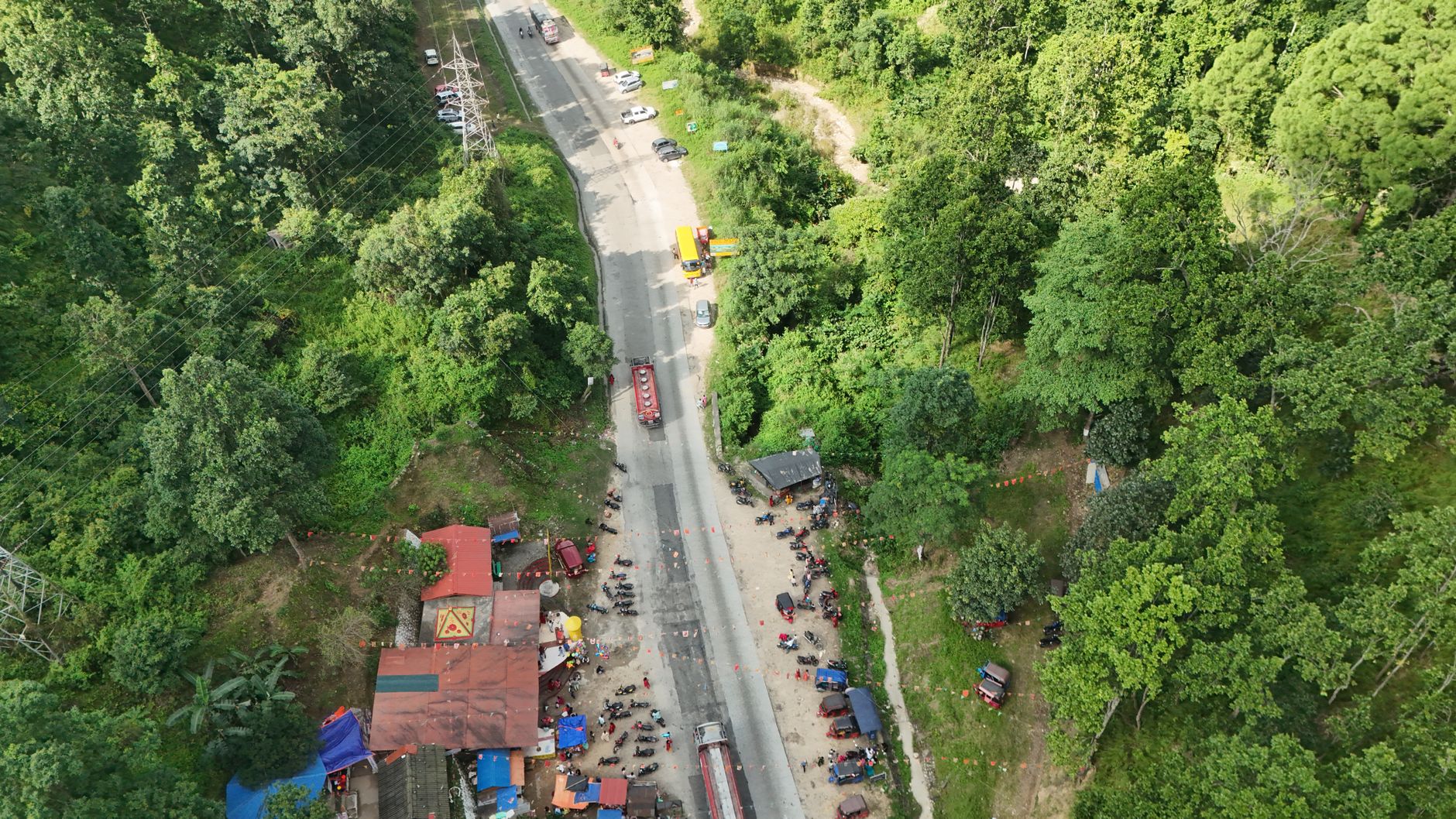
Across the vast expanse of the Terai plain in Nepal, Gulariyā stands as a cardinal point where geography dictates the rhythm of the seasons and daily toil. Far from the snow-capped peaks that dominate the alpine imagery of the country, this enclave offers a different perspective, anchored in the fertile alluvial plain and a rich agricultural tradition that defines the pulse of its inhabitants. With an elevation hovering around one hundred and forty-seven meters above sea level, the municipality experiences a subtropical climate where early mornings and leisurely afternoons create a conducive setting for understanding rural Nepalese life in its most genuine state.
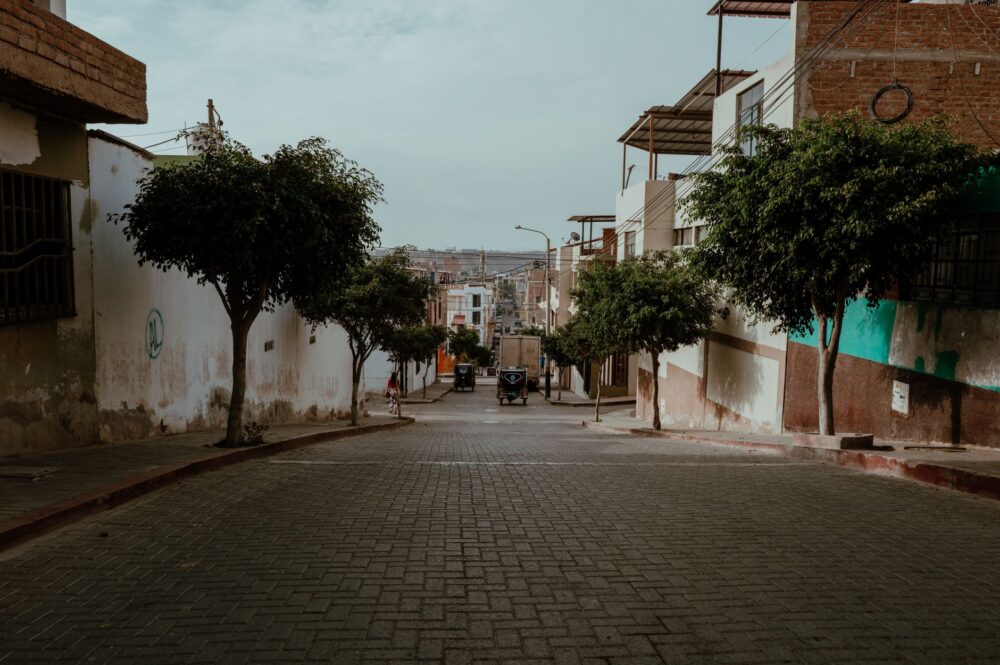
The administrative and social history of the region places Gulariyā as the nerve center of Bardiya district, within Lumbini Province. This position grants the locality a fundamental role as a meeting point between local communities, market towns, and the roads winding northward toward the mountains. Walking through its streets is to observe a simple yet functional architecture, where fired brick, wood, and open courtyards respond to the need to shelter from summer heat and harness natural ventilation. Each corner reflects an inherited balance between human activity and the natural environment that sustains it.
Beyond immediate geographical coordinates, the municipality serves as a silent witness to how communities adapt generation after generation to cyclical weather patterns. The local agricultural calendar regulates the daily routine, ensuring that community life remains tightly bound to soil preparation, planting periods, and subsequent harvests. This constant connection creates an environment where modern haste dissolves into measured, thoughtful interaction.
Vernacular Architecture and Urban Space Design
The urban layout of Gulariyā responds to an organic logic, shaped over decades by the needs of commerce, housing, and neighborhood gatherings. Traditional local constructions prioritize airy ground floors and compact volumes, designed to withstand climatic variations without disrupting the surrounding landscape. Unlike major Asian metropolises, here the pace is set by bicycles laden with agricultural produce, farming implements, and the steady flow toward commercial squares where grains and legumes are traded.
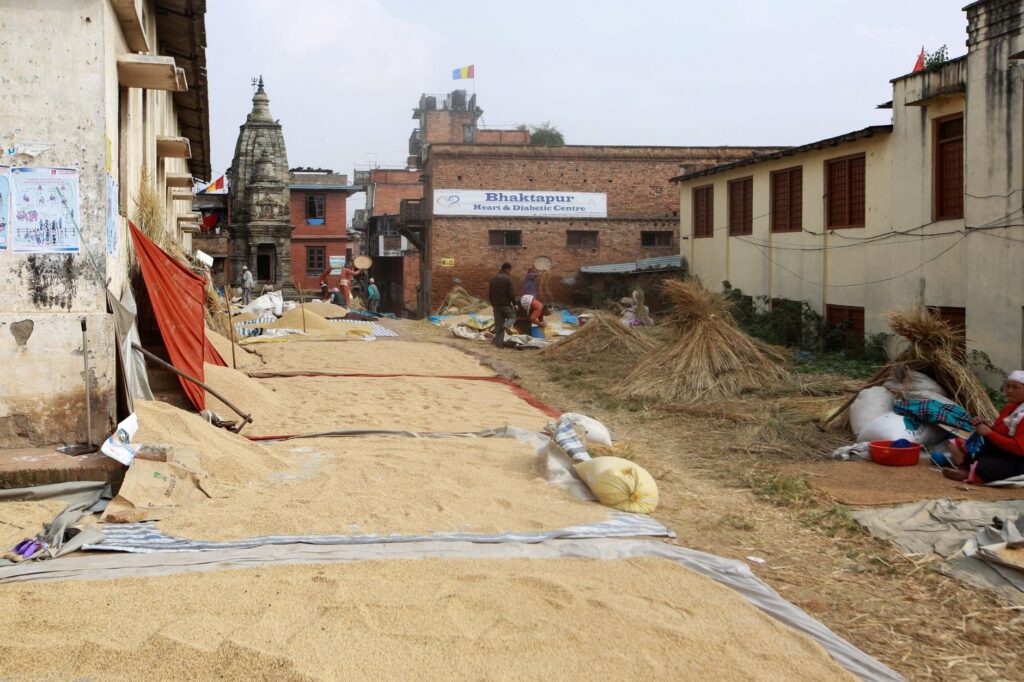
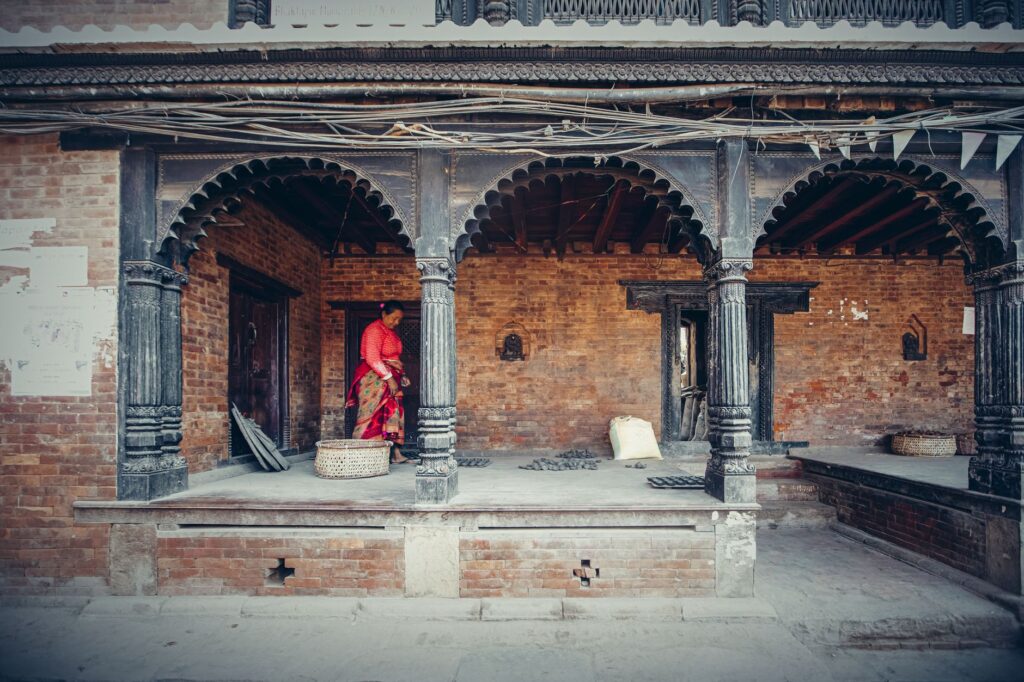
The materials used in local building tell a story of adaptation and sustainable utilization. Pammed earth and pitched roofs effectively shed monsoon precipitation, while broad eaves generate generous shade that protects thresholds during peak hours of sunshine. This respect for human scale turns the urban stroll into a visually rich experience, where carpentry details and whitewashed facades display the imprint of local artisans who preserve construction techniques passed down through generations.
Furthermore, residential clusters often feature semi-private courtyards where domestic chores, grain drying, and social conversations intersect. These communal spaces reinforce neighborhood cohesion, allowing families to share daily burdens and celebrate together. The spatial arrangement encourages a harmonious blend of privacy and open communal engagement, essential traits of Terai settlement patterns.
Daily Life in Markets and Public Squares
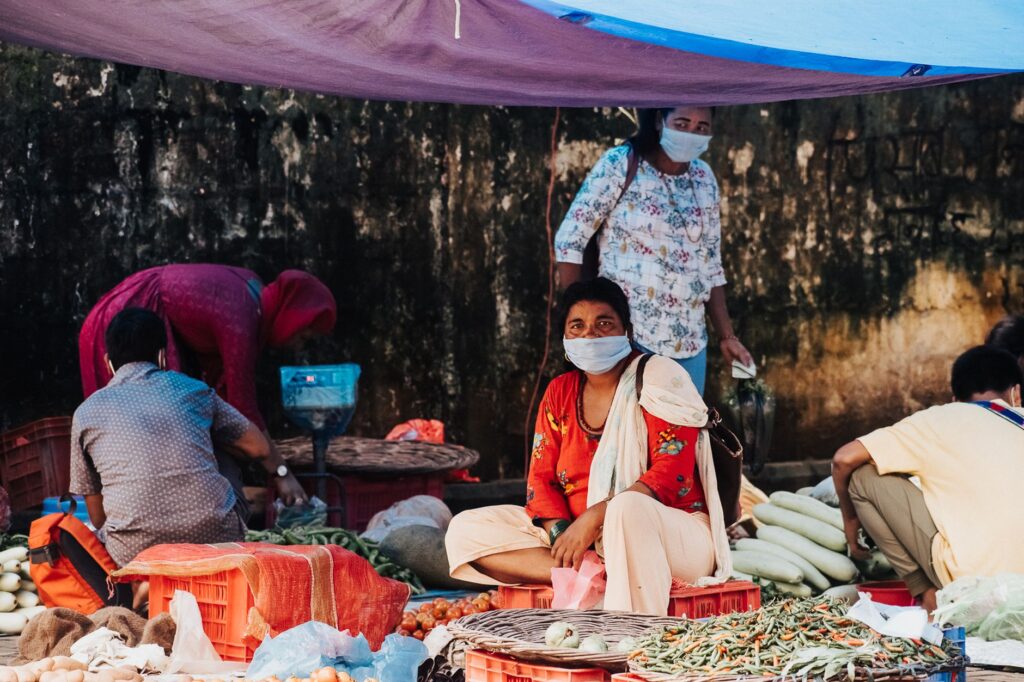
The commercial and social heart of Gulariyā beats strongly in its open-air markets and the small plazas surrounding administrative buildings. From the early morning hours, when golden light illuminates the plain, stalls offering vegetables, spices, and textiles display a vibrant palette of colors. Buyers and sellers negotiate in an atmosphere where a given word and personal proximity remain the pillars of everyday economy. This constant exchange not only supplies households but acts as the primary forum for communication regarding local news and harvest conditions.
Local gastronomy, deeply tied to the land’s yield, reveals itself on every corner through small street-food stalls and traditional bakeries. Dishes are prepared with rice harvested from surrounding fields, lentils, seasonal vegetables, and a balanced selection of spices reflecting the culinary traditions of the western Terai. Far from standardized tourist offerings, eating here is an exercise in authenticity that allows visitors to understand how available resources shape the flavors and dietary customs of its residents.
In these bustling meeting points, one can observe generational knowledge being passed down informally. Elders supervise younger family members running stalls, while community elders discuss water management policies and seasonal market prices under the shade of mature roadside trees.
The plain is not a geographical void, but a space densely inhabited by memories, agricultural cycles, and a community in permanent dialogue with its surroundings.
Natural Heritage and Landscape Influence
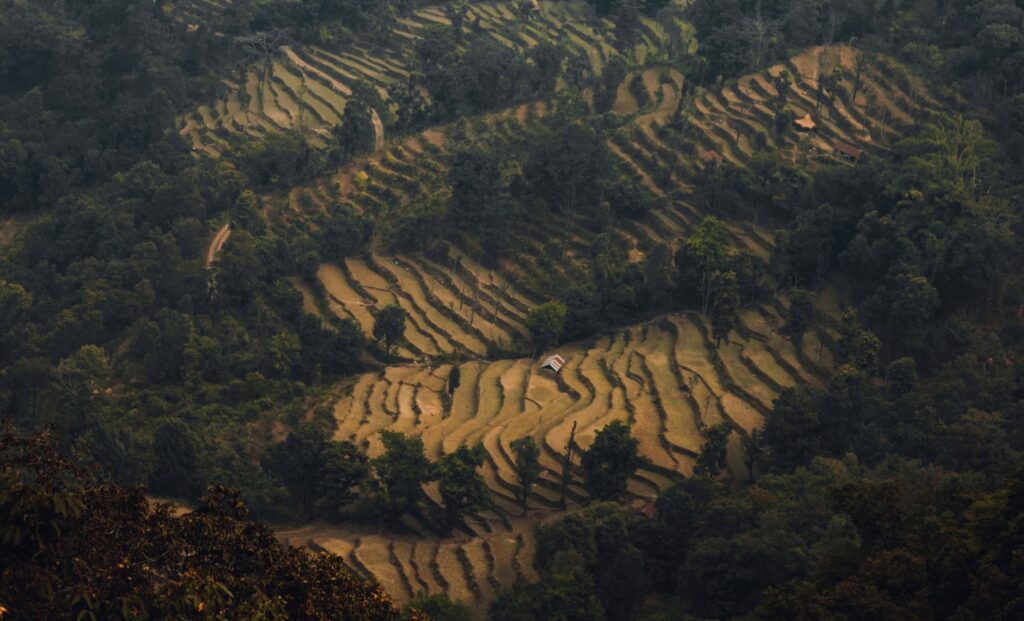
The geographical setting of Gulariyā is inextricably linked to the river basin that irrigates its fields and sustains its biodiversity. Local tree formations and patches of native vegetation offer shelter to numerous bird species and wildlife, making the outskirts an ecological corridor of great value. Walking along rural paths bordering cultivated fields allows one to appreciate the transition between human-altered spaces and zones where nature preserves its primordial autonomy.
This close bond with the land demands a responsible outlook from residents and visitors alike regarding the conservation of water and forest resources. Everyday decisions concerning irrigation, soil management, and the protection of local flora are crucial for maintaining the viability of this ecosystem. Travelers approaching Gulariyā will find a unique opportunity to reflect on rural sustainability, understanding that the balance between development and environmental preservation is the only viable path to secure the future of these agrarian communities.
Seasonal flooding and monsoon dynamics further underscore the delicate equilibrium required to thrive in this environment. Traditional mitigation practices, combined with modern ecological awareness, help safeguard the fragile riparian zones that flank agricultural parcels, ensuring long-term ecological stability.
Responsible Practices and the Role of the Visitor
Tourism in areas of marked rural character like Gulariyā requires an approach based on mutual respect, discretion, and support for the local economy. Unlike mass-market tourist enclaves, here travelers integrate into a pre-existing community dynamic. It is essential to prioritize purchases at small family shops, stay in locally managed guesthouses, and respect regional customs regarding attire and privacy in domestic and religious spaces.
Likewise, mobility on foot or by bicycle constitutes the best alternative for exploring the surroundings without generating negative impacts on rural roads or disturbing the tranquility of residential neighborhoods. Observation of flora and fauna must always be conducted with absolute respect, avoiding any interference in natural habitats. Adopting these guidelines ensures that visitor presence represents a positive and respectful contribution to the cultural and natural heritage of the municipality.
Visitors must also remain mindful of cultural sensitivities, particularly when interacting with elders or participating in informal community gatherings. Approaching interactions with patience and humility allows for meaningful cultural exchanges without disrupting local norms.
Reflections on Identity and Collective Memory
The identity of Gulariyā does not rest on grand stone monuments, but on the invisible web of oral traditions, seasonal celebrations, and the shared memory of its families. Each local festivity and every planting and harvesting cycle act as reminders of a cultural continuity that has withstood the pressures of accelerated modernization. Conversing with local elders offers a glimpse into a living archive of anecdotes, historical climate shifts, and social transformations that have shaped the contemporary face of the region.
This intangible heritage deserves due recognition, acknowledging that the true wealth of a destination lies in the dignity of its everyday inhabitants. By walking its streets and observing the industriousness of its people, visitors come to understand that Gulariyā is much more than a dot on a map: it is a living testimony of how rural Asian communities find their own path toward the future without renouncing their roots.
Preserving these narratives protects the community’s collective soul against homogenization. Through storytelling, folk songs, and shared agricultural rituals, the younger generations maintain a profound connection to their forebears.
Practical guide
How to get there: Access to Gulariyā is primarily achieved by road from major cities in Lumbini Province and the Nepalese capital, connecting via local bus services and private road transport.
When to go: The months between October and March offer the most favorable weather conditions, with pleasant temperatures and lower probability of intense precipitation.
Accommodation: Lodging options consist primarily of small family-run guesthouses and local inns located within the urban core and its immediate surroundings.
Recommended gastronomy: Traditional dishes based on local rice, dal lentils, seasonal vegetable preparations, and Terai culinary specialties.
Respect guidelines: Modest attire in public spaces, requesting permission before photographing individuals, and supporting local artisan commerce.
Visual and Human Epilogue in the Terai
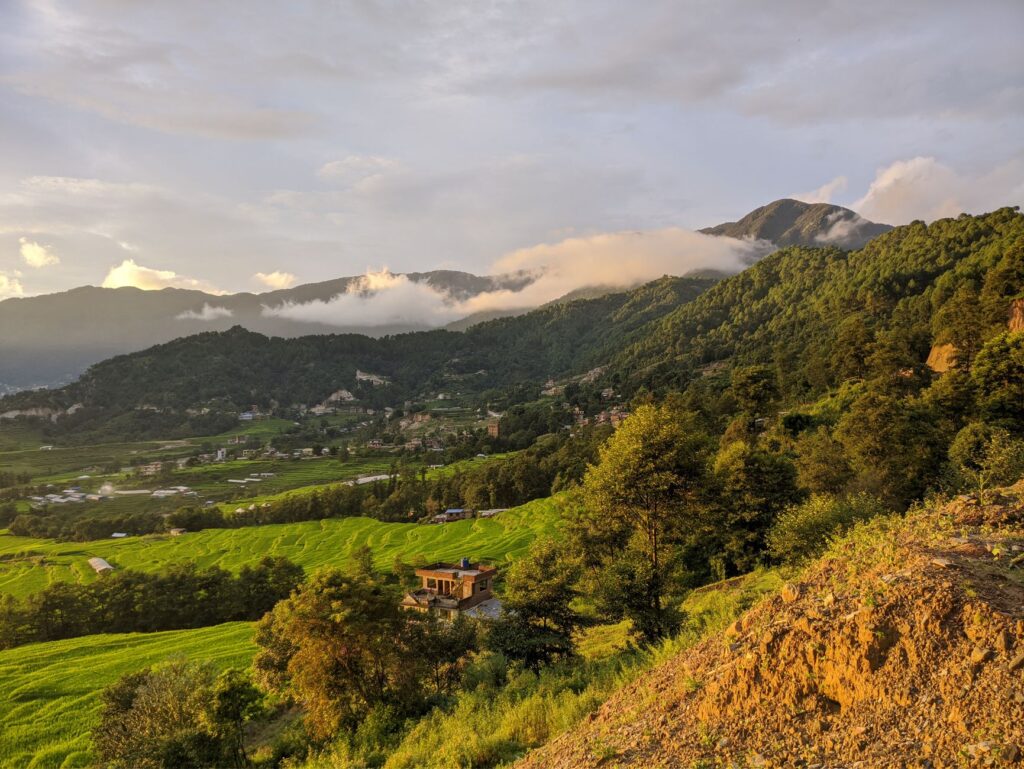
As evening falls, the diffuse western light bathes the rooftops and fields of Gulariyā in warm hues that transform the perception of the landscape. The silhouettes of trees cut against the horizon and the leisurely return of farmers to their homes compose a scene of profound serenity. In this instant, the municipality reveals its true face: a refuge of calm and authenticity where time seems to stand still to remind us of the importance of human and natural rhythms.
This quiet transition from daylight to dusk reinforces the timeless character of the western Terai. As stars emerge over the expansive plains, the community settles into a peaceful repose, ready to greet another dawn defined by ancestral routines and agrarian dedication.