
Catania and the Living Pulse of Volcanic Land in Italy
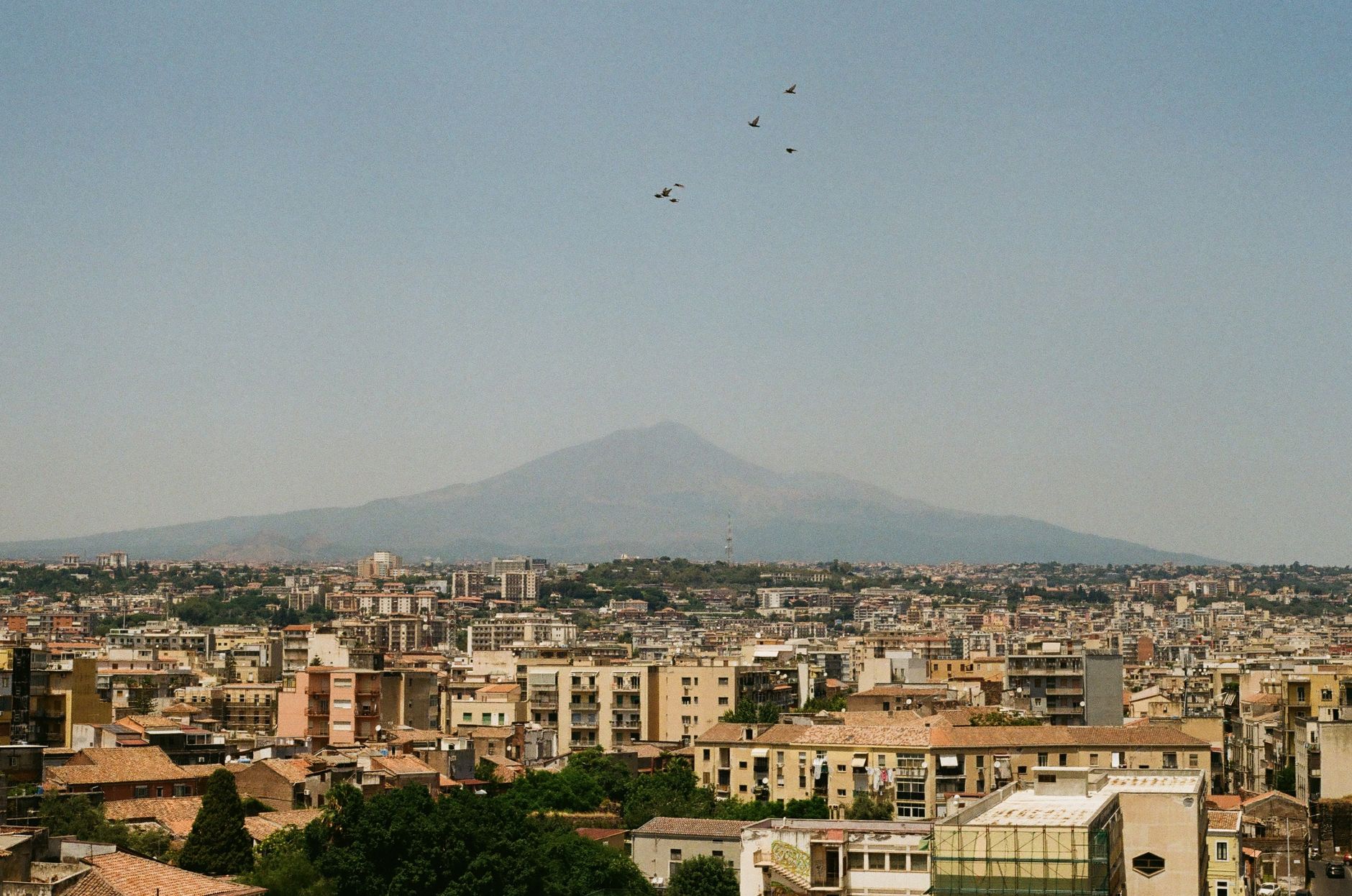
At the foot of Mount Etna, the city of Catania in Italy stands as a territory where active geology and Mediterranean biodiversity engage in a constant dialogue. Hardened lava flows and fertile mineral soils not only define the urban and industrial landscape of the Sicilian province but also shape the natural habitats that climb from the Ionian coast up to the alpine summits of the giant colossus. Far from being a barren wasteland, this geological mosaic sustains a rich variety of flora and fauna adapted to eruption cycles, summer aridity, and altitudinal gradients.
Rigorous study of these ecosystems reveals a complex web of ecological interactions that naturalists and local associations strive to preserve. With a population exceeding three hundred thousand inhabitants, pressure on peri-urban areas and protected spaces within the regional park remains a constant challenge. However, the persistence of endemic species and the recovery of ecological corridors demonstrate that nature possesses a remarkable capacity for resilience in the face of human alteration.
The geographical continuity of this natural network connects lower agricultural mosaics with wild high-altitude realms. Local biodiversity monitoring programs continuously document how plant and animal communities adapt to shifting thermal profiles and volcanic activity. This ongoing interaction between human settlements and wilderness areas in Italy requires integrated territorial planning that respects environmental limits while supporting rural traditions tied to the volcanic substrate.
Etna’s Geology as a Refuge for Mediterranean Wildlife
Catania’s topography is dominated by the imposing presence of Mount Etna, Europe’s highest active volcano. Its geological structure, composed of overlapping layers of basalt, ash, and pyroclastic rocks, generates highly diverse microclimates depending on altitude and solar exposure. In the lower slopes, traditional cultivation of citrus fruits, olives, and vineyards dominates, acting as an ecotone that cushions the impact between the urban environment and the mountain forests.
As altitude increases, the plant landscape changes dramatically. Forests of holm oak, deciduous oak, and chestnut appear, followed by Corsican pine formations and shrubs adapted to nutrient-poor soils. This variety of habitats supports mammals such as the red fox, wildcat, and numerous bat species that find shelter in volcanic caves. Birds of prey, including the golden eagle and peregrine falcon, soar through the skies utilizing thermal currents generated by the mountain’s activity.
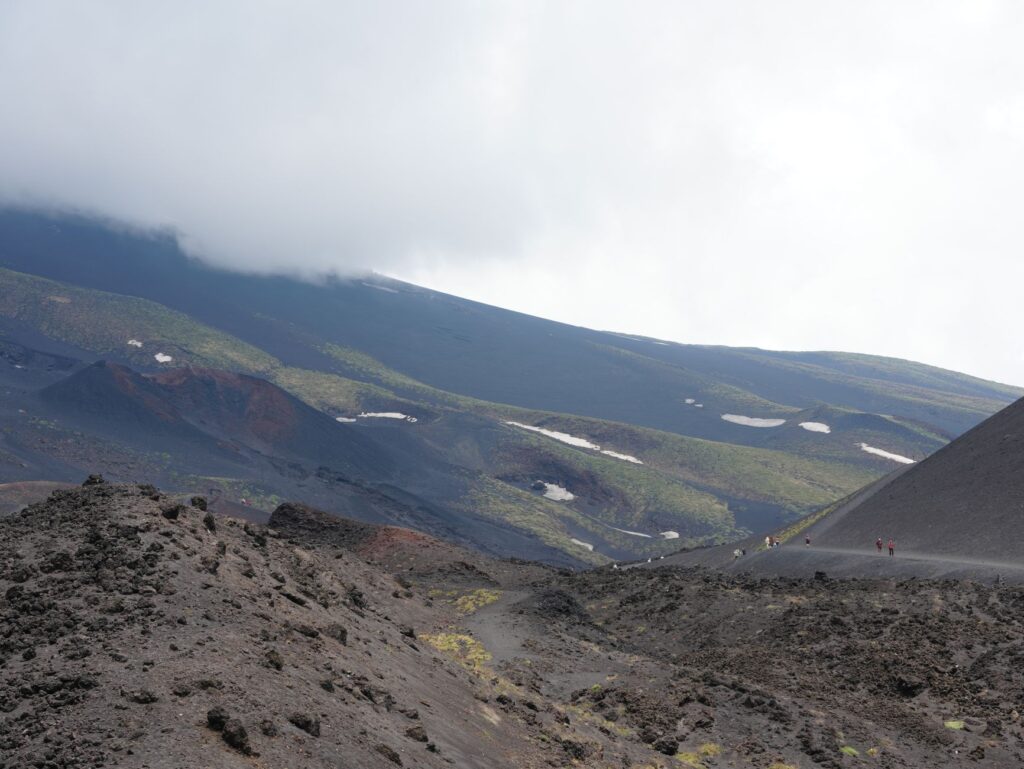
Volcanic fissures and lava tubes also provide specialized microhabitats for invertebrate species and subterranean fauna adapted to absolute darkness. Researchers emphasize the importance of these geological microstructures as evolutionary cradles that have allowed unique lineages to persist through successive volcanic disruptions over millennia.
Coastal Wetlands and the Avifauna of the Ionian Littoral
Catania’s territory is not limited to volcanic heights; its coastal strip plays a fundamental ecological role for migratory birds. Natural reserves and wetlands situated south of the city function as vital resting areas for species crossing the Mediterranean Sea between Europe and Africa. These aquatic spaces, although fragmented by human infrastructure, harbor stable populations of herons, flamingos, and various shorebird species.
Water management and the protection of coastal reed beds are top priorities to prevent the irreversible loss of these enclaves. Periodic censuses conducted by biologists and volunteers allow for the monitoring of aquatic bird conservation status, identifying threats derived from pollution and tourist pressure. Integrating these wetlands into the province’s urban planning represents an indispensable challenge for maintaining littoral biodiversity.
The conservation of these transitional zones requires coordinated actions to restore natural hydrological flows that have been altered by past drainage and construction projects. Protecting the water quality of these coastal lagoons directly benefits migratory species and enhances the overall ecological health of the Ionian littoral.
Conserving habitats in Catania requires understanding that every lava flow and every coastal wetland forms part of a dynamic system where human intervention must be respectful and grounded in scientific evidence.
Endemic Species and Flora Adapted to Thermal Stress
Catania’s flora stands out for its high degree of endemism, the result of geographical isolation and extreme conditions imposed by volcanic substrates. Plant species such as Etna broom develop deep root systems capable of fixing fragmented basaltic rock, initiating the process of ecological succession following eruptions. These pioneer plants create the microclimate necessary for other forms of plant and animal life to colonize the new territories.
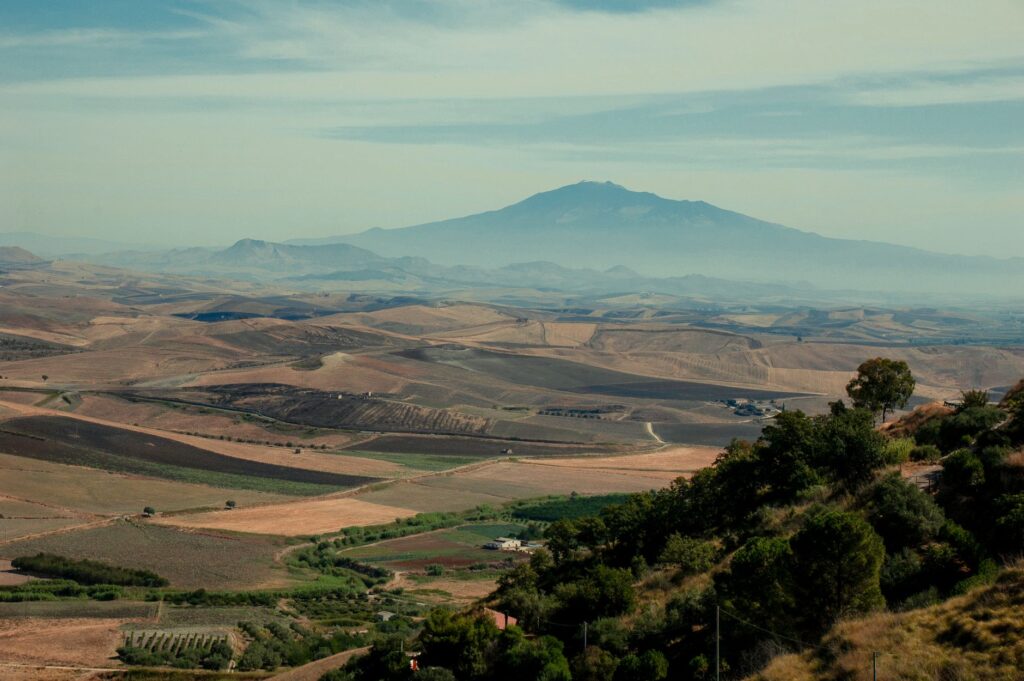
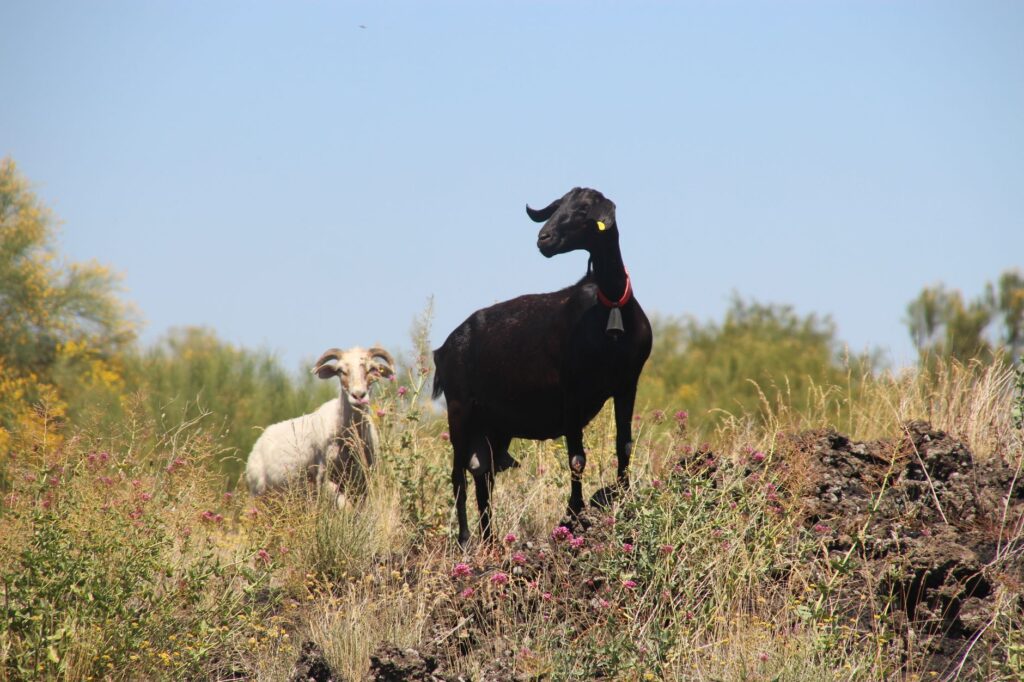
In high-mountain understories, various species of wild orchids and herbaceous plants bloom during the short Sicilian spring. Preserving this endemic flora requires rigorous control of grazing and the regulation of public access to the most fragile zones of the park. Local botanists insist that detailed knowledge of Etna’s botany is the foundational basis for any effective environmental management strategy in the region.
Furthermore, genetic studies on these isolated plant populations help scientists understand how species cope with extreme thermal stress and soil nutrient scarcity. Such insights are increasingly valuable in the broader context of Mediterranean climate change adaptation.
Community Work and Environmental Education in the Territory
Safeguarding biodiversity in Catania depends largely on initiatives driven by grassroots organizations and local research centers. Environmental education programs directed at schools and rural communities foster greater awareness regarding the importance of conserving natural heritage. These activities include field workshops, reforestation campaigns with native species, and the cleanup of traditional trails.
Likewise, wildlife rescue centers perform an indispensable support role, treating injured specimens—primarily raptors and small mammals—before their reintroduction into the wild. Collaboration between public administrations, farmers, and naturalists demonstrates that participatory management is the most effective path to mitigate conflicts between human activity and the conservation of natural spaces.
Volunteer networks actively participate in citizen science projects, contributing valuable field data on butterfly populations, bird migrations, and botanical distributions across the regional park.
Responsible Observation Practices and Nature Tourism
The rise in tourist interest toward Catania’s volcanic landscapes highlights the need to promote a visitation model based on sustainability and absolute respect for the environment. Responsible hiking entails sticking to marked trails, avoiding the collection of geological or botanical samples, and minimizing waste generation in protected areas. Qualified local guides play an essential mediating role, educating visitors on park regulations and the fragility of ecosystems.
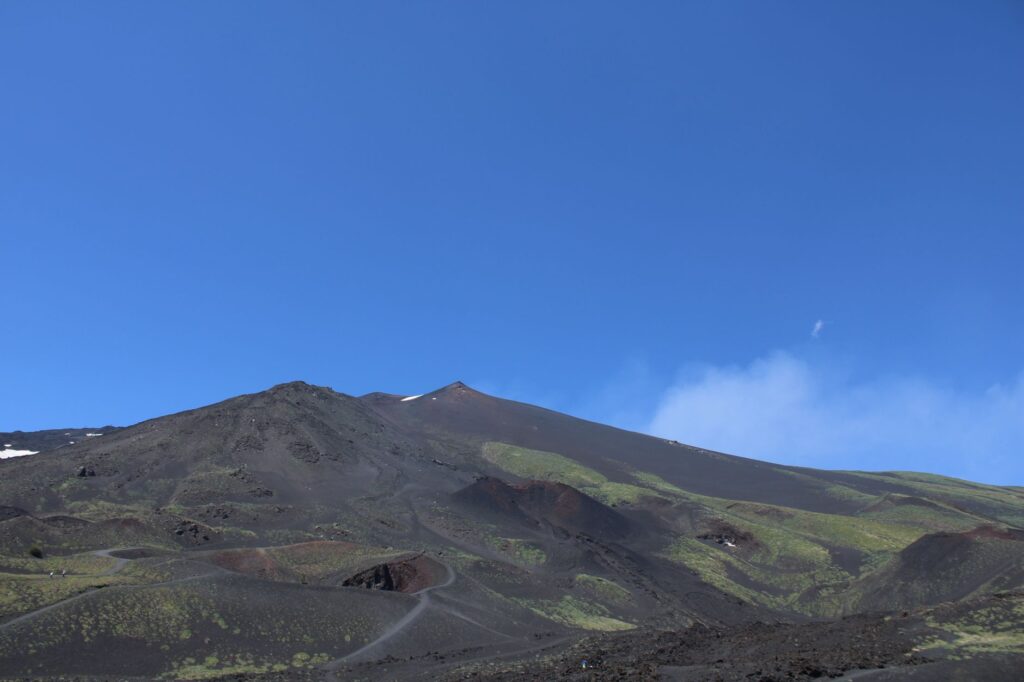
Wildlife observation, especially of birds and discreet mammals, requires patience, appropriate equipment, and a prudent distance to avoid altering natural animal behaviors. Visitors are advised to avoid using call-playback devices and to respect the breeding periods of native species. In this way, tourism becomes an economic ally for conservation rather than a source of environmental degradation.
Promoting low-impact outdoor activities ensures that the natural beauty of the area remains intact for future generations of residents and travelers alike.
Practical guide
Getting there: Catania-Fontanarossa Airport connects the city with numerous domestic and international destinations. From the terminal, bus services and railway connections are available to the urban center and surrounding municipalities.
Best time to visit: Spring (from April to June) offers moderate temperatures and the opportunity to observe blooming on Etna’s slopes. Autumn is ideal for observing migratory birds in the coastal wetlands.
Getting around: To access Etna regional park trails and peripheral natural reserves, renting a vehicle or booking organized excursions with authorized local operators is recommended.
Conservation regulations: Camping outside designated areas, lighting fires in forested zones, and extracting rocks, minerals, or plant specimens from the natural park are strictly prohibited.
Accommodation and dining: The region features numerous agritourism properties and small rural hotels committed to sustainability and the consumption of local volcanic-origin products.
The Wild Balance Between Stone and Sea
On Catania’s horizon, the silhouette of Mount Etna continues to set the rhythm of an existence shared between the untamed force of geology and the tenacity of life. Every corner of this Sicilian territory reminds us that nature conservation is not an exercise in isolation, but an active commitment to maintaining the ecological processes that sustain biodiversity. Among Corsican pine forests, coastal wetlands, and basaltic rocks, the local community and ecosystems demonstrate that a lasting balance can be achieved under the watchful eye of the volcano.
This delicate equilibrium between mountain heights and the blue expanse of the sea defines the unique ecological identity of the region. As ongoing conservation efforts continue to bear fruit, the natural heritage of the area stands as a testament to the resilience of Mediterranean ecosystems when supported by dedicated stewardship and scientific understanding.