
The Tracks That Shaped the Eulach Valley
In the canton of Zurich, topography and industrial history have walked hand in hand for over a century and a half. Winterthur, historically known as the city on the Eulach river, cannot be understood without the emergence of the railway in the nineteenth century. The earliest rail lines transformed an agricultural and manufacturing enclave into a first-rate hub, where the chimneys of machinery factories began a continuous dialogue with the steady whistle of locomotives. Today, the railway network retains that functional imprint, adapting to the needs of a population exceeding one hundred and eleven thousand residents while keeping its heritage legacy alive.
The current urban layout precisely reflects how rail transport structured the growth of peripheral neighborhoods and the historic center. Unlike other cities where stations became architectural barriers, here the tracks act as a backbone connecting the old core—characterized by careful facades and pedestrian squares—with residential zones and former industrial sites converted into new districts. Residents use this mode of transport not only for professional commutes toward Zurich or other regions of the country, but as a fundamental element of their daily urban life, where punctuality and service predictability set the rhythm of the hours.
The Architecture of the Central Station as a Meeting Point
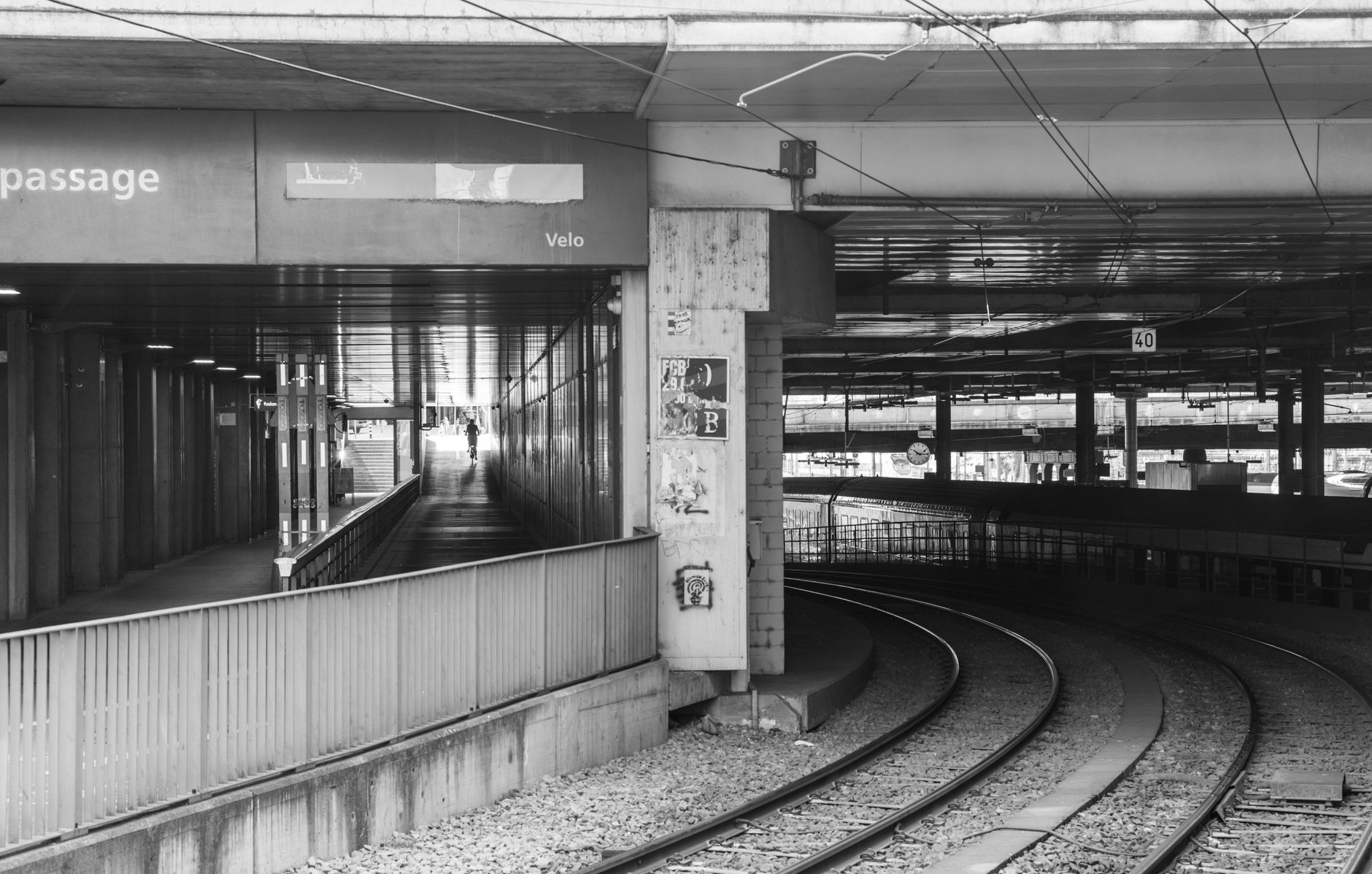
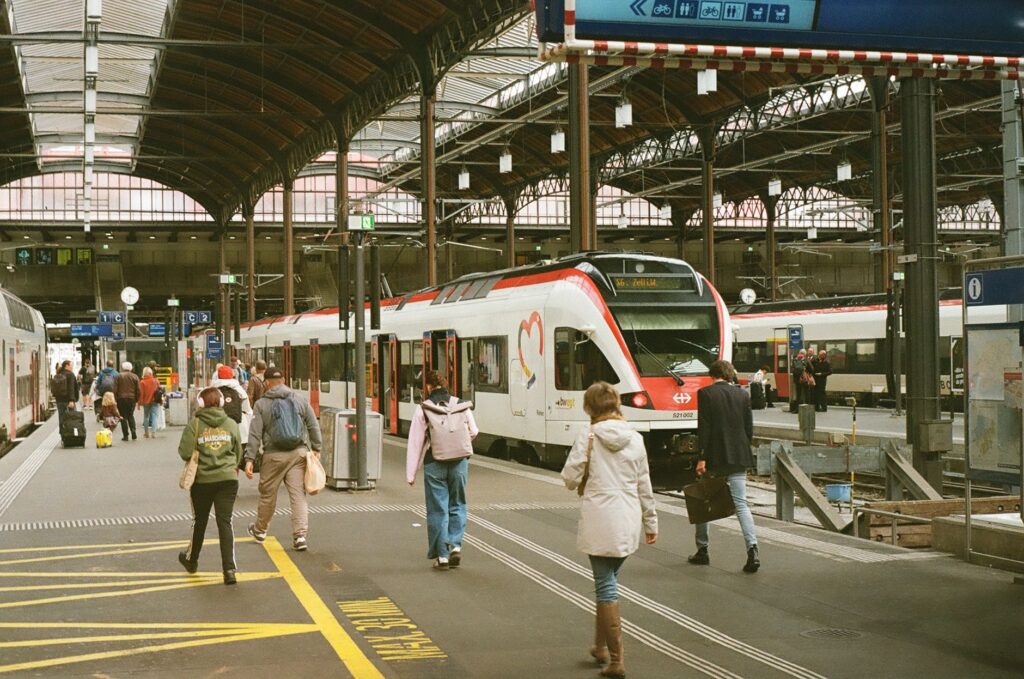
The central station of Winterthur stands as much more than a mere transit point; it is a genuine civic space where transport architecture and community social life converge. Its original design, subjected to various expansions and modernizations over the decades, has successfully integrated the demands of massive passenger flows with the preservation of classic structural elements. The spacious concourses, covered platforms, and careful signage reflect the efficiency of the Swiss public transport system, where intermodality among commuter trains, urban buses, and bicycle lanes operates with millimeter precision.
The station is not merely the place where one boards a carriage to reach another city; it is the space where the city itself pauses for an instant to observe its own movement.
Walking along the main platforms, one can appreciate how passenger flows organize without apparent congestion. University students, technology sector workers, and neighbors returning from the central market pass through commercial galleries integrated within the railway infrastructure itself. This model of an integrated station demonstrates that public transport can be an economic and cultural catalyst, offering services ranging from local dining to tourist information points and waiting areas equipped with universal accessibility for people with reduced mobility.
The Daily Pulse of Commuter Trains
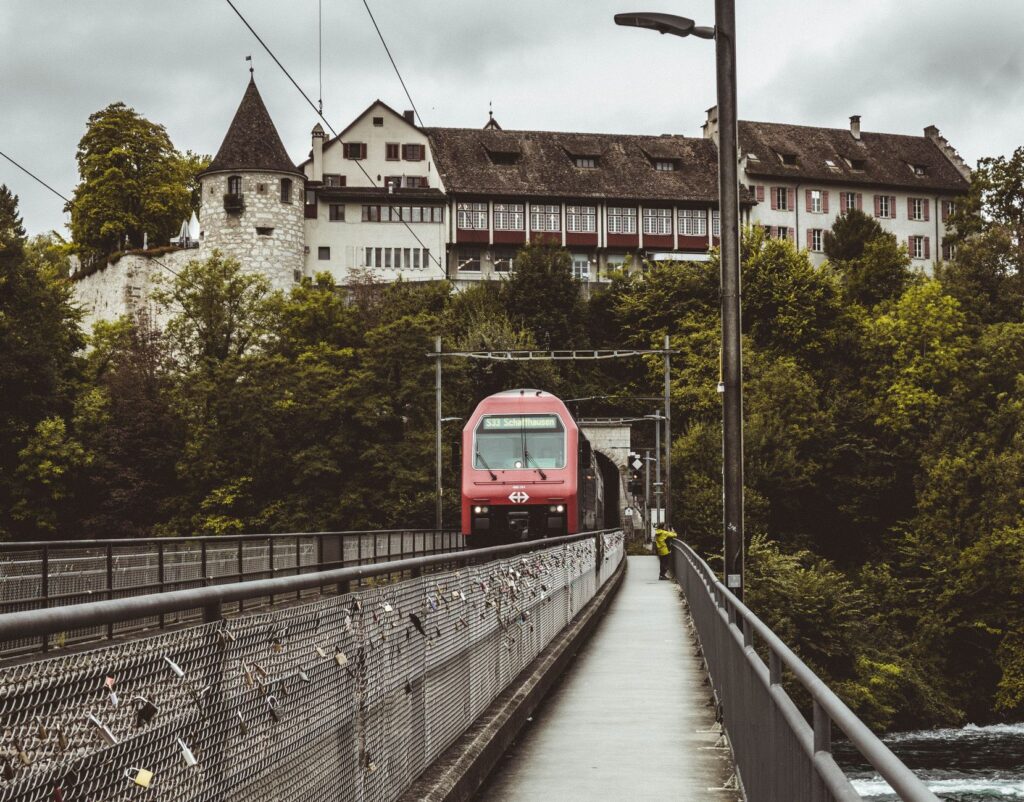
To understand the true dimension of the railway system in Winterthur, one must observe the operation of commuter lines connecting various districts and neighboring communes. The units covering these routes operate with constant frequency, becoming the lungs of daily mobility. Early in the morning, trains fill with workers and students who use the journey to read, plan their day, or simply contemplate the landscape unfolding between residential areas and small green spaces.
Tariff and schedule integration, popularly known in the country under the concept of coordinated service, removes the usual friction of metropolitan commuting. A single transport ticket allows passengers to link regional trains with the urban bus network operated by the municipal company Stadtbus Winterthur. This fluidity drastically reduces dependence on private vehicles within the city, allowing the streets of the historic center to maintain a pedestrian and sustainable profile, where respect for the pedestrian constitutes an unwritten rule strictly observed by all road users.
Industrial Heritage Alongside the Tracks
The exploration of Winterthur’s railway surroundings also reveals the transformation of its manufacturing past. Former mechanical workshops and locomotive assembly halls, which once depended directly on proximity to freight lines, have been converted into cultural centers, educational spaces, and cutting-edge residential areas. This phenomenon of industrial archaeology demonstrates a clear will to preserve the material memory of the city, linking the current use of trains with the collective effort that built the local economy in past centuries.
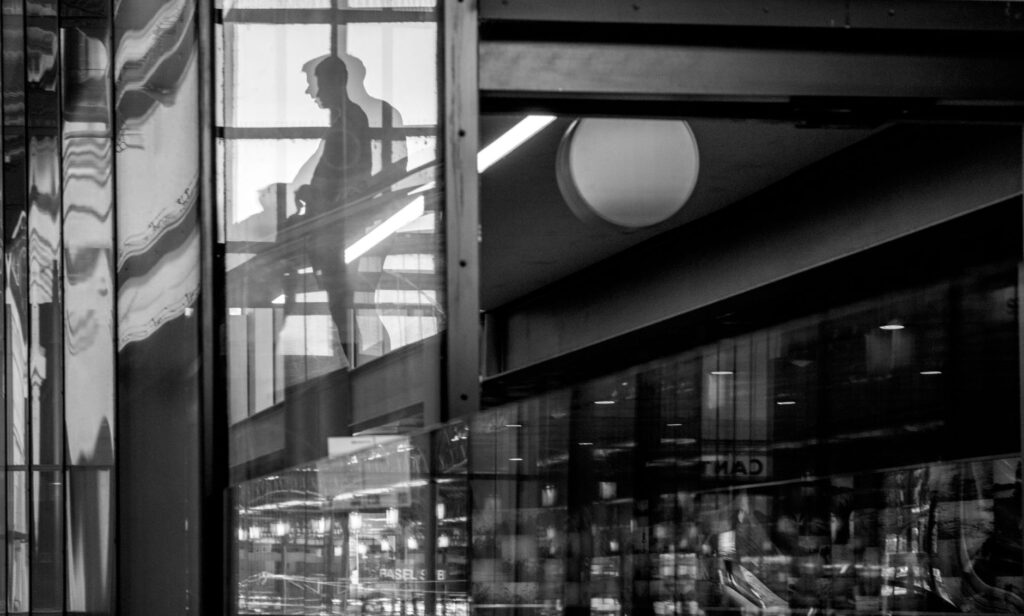
Walking through sectors like the Sulzer-Areal district shows how secondary tracks and abandoned freight branches have integrated into the urban landscape as silent monuments of the steam and steel age. Informative panels and marked routes allow visitors to understand how coal, iron, and heavy machinery entered and left the city, feeding an international market that placed Winterthur on the industrial map of central Europe. Today, that same space breathes a contemporary air, where modern architectural design coexists harmoniously with exposed brick structures.
Nature and the Surrounding Railway Landscape
As trains leave the urban boundaries of Winterthur and head deeper into the canton, the landscape changes with notable speed, offering a privileged perspective of Swiss geography. Gentle hills, meticulously tended agricultural fields, and small riparian forests compose a visual canvas that accompanies travelers on short journeys to neighboring towns such as Frauenfeld or St. Gallen. The railway acts here as a mobile viewpoint, designed to disturb the natural balance of the valleys it traverses as little as possible.
This care for the natural environment is no accident. Environmental regulations and railway infrastructure design prioritize acoustic impact reduction through noise barriers and the constant maintenance of green embankments flanking the tracks. For residents choosing to live in surrounding municipalities and work in Winterthur, this daily commute becomes a contemplative pause, where observing seasonal changes in agricultural fields pleasantly contrasts with the dynamic rhythm of the workday in the city.
Accessibility and Innovation in Local Transport
The commitment to inclusive mobility constitutes one of the fundamental pillars supporting the transport network in Winterthur. In recent years, both main stations and secondary stops have undergone deep renovations aimed at guaranteeing access without architectural barriers. Gentle slopes, panoramic elevators, platforms lowered to the exact height of carriage floors, and tactile paving for visually impaired individuals already form part of the daily standard of local railway infrastructure.
The true modernity of a transport system is measured not solely by the top speed of its convoys, but by its capacity to integrate every citizen without exception into the daily journey.
Added to this is the continuous modernization of rolling stock. New units incorporate more energy-efficient propulsion systems, lower noise emissions, and ample spaces designated for storing bicycles and strollers. This attention to detail responds to a growing demand from citizens committed to sustainability, demanding real alternatives to private transport without renouncing the most demanding standards of comfort, punctuality, and safety in every daily commute.
Practical guide
How to get there: Winterthur’s central station (Winterthur Hauptbahnhof) is fully connected to the Swiss national railway network. There are frequent trains from Zurich taking approximately fifteen to twenty minutes, and direct connections from Zurich Airport.
Tickets and fares: The transport system operates under the umbrella of the ZVV tariff community for the regional scope. It is recommended to purchase day passes or single tickets through official mobile applications or vending machines located at stations.
Urban mobility: The Stadtbus Winterthur urban bus network perfectly complements the train. Transfers between train and bus are optimized with minimal waiting times and stops located just meters from the main platform access points.
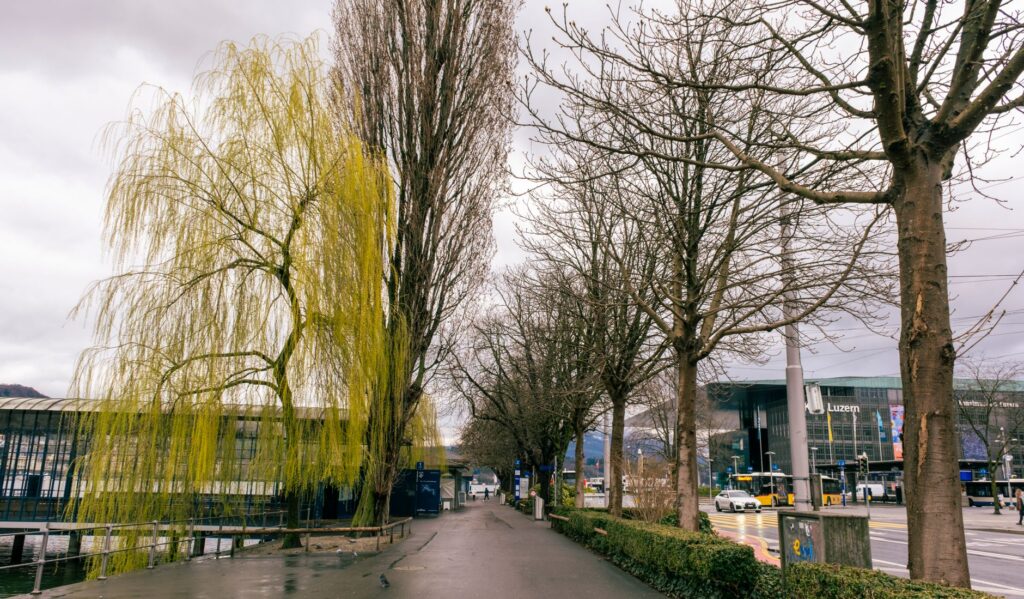
Accessibility: All major stations feature elevators, ramps, and tactile signage. Commuter trains feature low floors to facilitate independent boarding for wheelchairs and strollers.
Best time to visit: The transport system operates normally throughout the year. Spring and summer months offer optimal visibility for enjoying panoramic journeys through the canton’s surroundings.
The Emotional Reflection of the Daily Journey
As evening falls, when the golden light begins to withdraw from historic facades and artificial lights at Winterthur’s central station start to turn on, the movement of trains acquires an almost poetic dimension. Travelers stepping off the convoys walk with steady steps toward their homes, crossing squares and streets where the city’s murmur blends with the distant echo of arrivals and departures. In that everyday instant, the railway infrastructure ceases to be a mere engineering work and becomes the invisible thread weaving community life, a constant reminder that every journey, no matter how short, forms part of a collective story in constant motion.