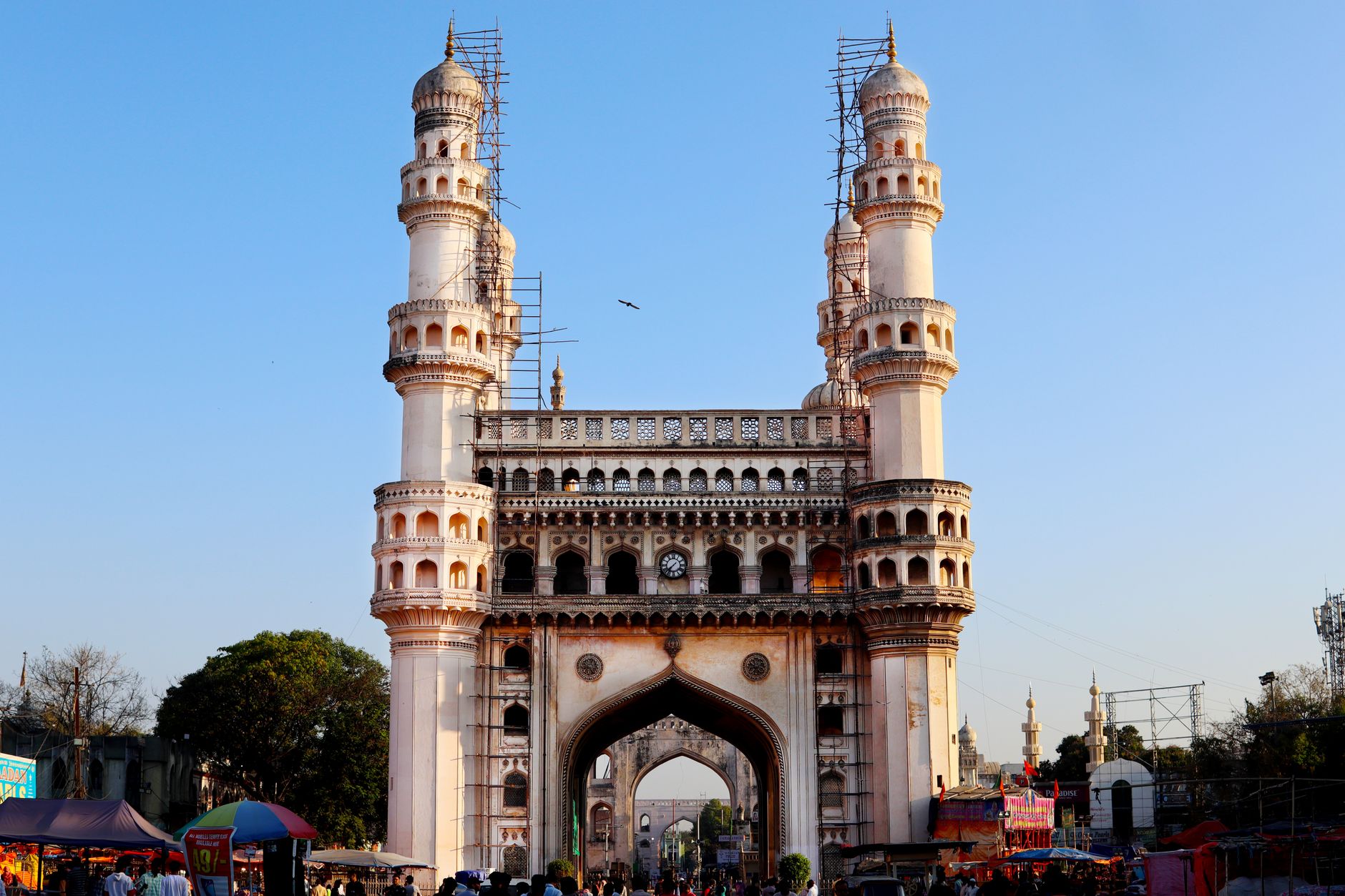

A Skyline Defined by Ancient Domes and Minarets
In the Indian state of Telangana, Hyderabad stands as a territory where granite stonework and the remnants of ancient sultanates continue to shape the rhythm of contemporary life. Far from being reduced to a static postcard, the city unfolds through a dense network of alleyways, leafy squares, and neighborhoods where the memory of the Qutb Shahi and Nizam rulers intersects with the incessant movement of pedestrians, street vendors, and artisans. The urban landscape is punctuated by monumental structures that converse directly with the daily lives of its residents, transforming public space into a living stage of commerce and tradition.
The arrival of dawn in the city reveals a routine deeply rooted in open-air markets and the inner courtyards of historic manor houses. Local families arrive early to browse stalls laden with fresh vegetables and spices, while the aromas of cardamom, saffron, and chai tea fill the air. In this environment, the preservation of heritage is not merely a museum exercise, but a practical necessity of inhabiting the same spaces built by medieval dynasties. Families manage small neighborhood shops passed down through generations, ensuring the continuity of traditional crafts such as wood carving and metalwork.
The geographical pulse of Hyderabad is determined by its location on the Deccan Plateau, an environment characterized by unique rock formations and historic water bodies that once guaranteed the population’s survival. Today, large urban lakes and ancient reservoirs act as gathering points for neighbors at dusk, when the daytime heat yields to a gentler breeze. This balance between natural topography and human intervention defines a highly distinct urban personality within the Indian territory, where technological modernity coexists smoothly with historical heritage.
Traditional Commerce and the Daily Pulse of the Bazaars
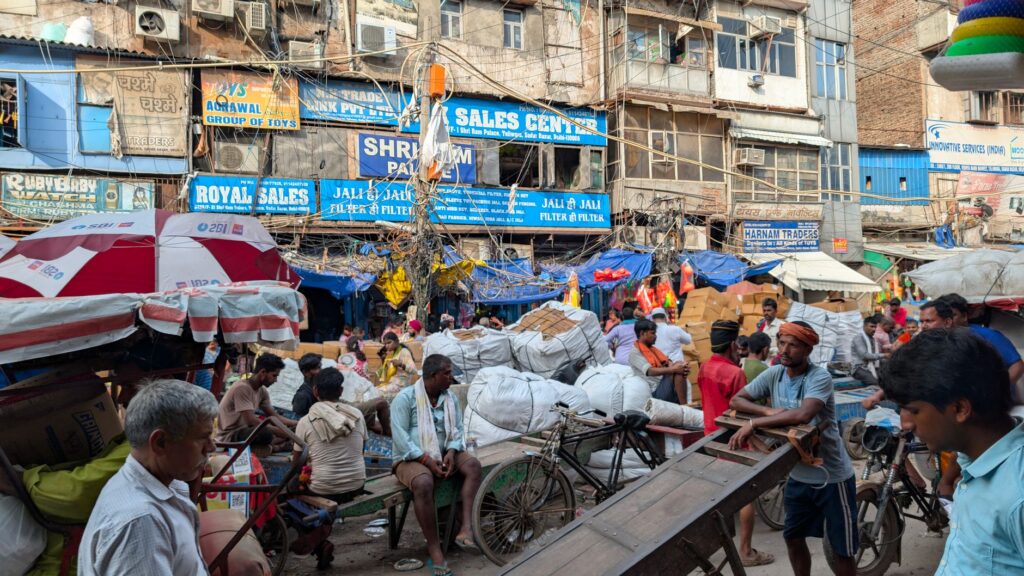
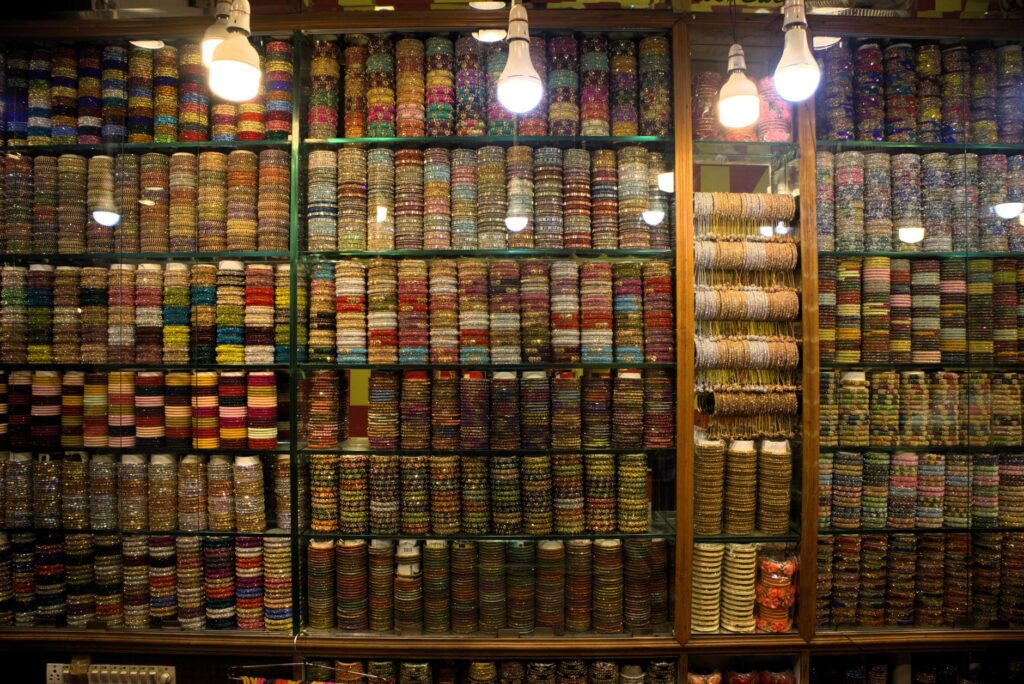
Exploring the commercial arteries of Hyderabad means immersing oneself in a fabric where mercantile exchange forms a core element of social cohesion. Near the city’s most emblematic monuments, guilds of artisans maintain open shops and workshops producing everything from fine cotton textiles to celebrated glass- and metal-adorned bangles. Each commercial district functions as a small self-sufficient community, complete with its own routines, codes of courtesy, and work rhythms that have barely changed in recent decades.
The neighborhood provision markets are the true beating heart of residential areas. Here, commercial transactions are accompanied by long conversations about the weather, the harvest, or local events, weaving a network of mutual trust between merchants and buyers. Street food stalls situated on the busiest corners offer culinary specialties based on aromatic rice, slow-cooked meats, and dried fruits, reflecting a blended gastronomy inherited from Persian courts and the local traditions of southern India.
Unlike large contemporary shopping centers, these enclaves maintain a human scale that fosters direct contact and reciprocal knowledge. Visitors who walk slowly through these corridors discover a proximity-based economy rooted in sustainability and the wise use of local resources. The constant presence of families conducting their daily shopping grants these spaces an authenticity difficult to find in other major urban centers across the Asian continent.
Defensive Architecture and the Monumental Legacy of the Sultans
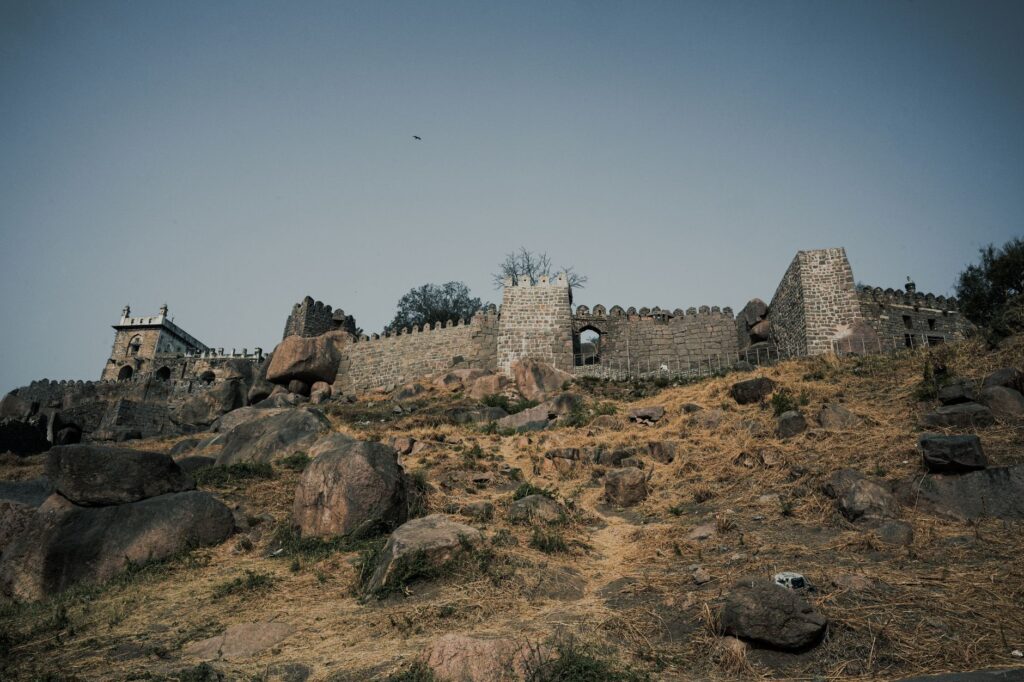
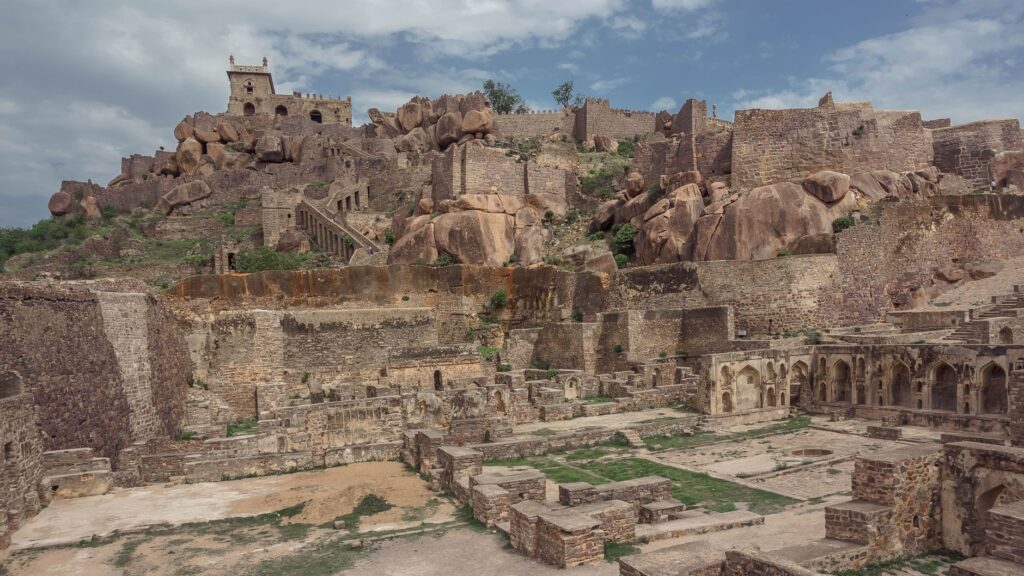
The monumental heritage of the city extends far beyond its most famous palaces, encompassing a vast array of fortifications, mosques, and mausoleums scattered throughout the municipal territory. Defensive walls and dark stone bastions recall a past marked by constant geopolitical disputes and strategic alliances among the Deccan kingdoms. These monuments, constructed with local slabs and traditional mortars, demonstrate an advanced mastery of construction engineering adapted to the region’s semi-arid climate.
Entire neighborhoods have grown around these structures, integrating historical ruins into their domestic architecture. It is not uncommon to observe ancient walls repurposed as party walls for private homes or arcaded courtyards used as children’s play areas. This peaceful coexistence between past and present softens the rigidity of heritage catalogs, embedding historical vestiges into the living experience of residents in an organic, everyday manner.
The conservation of these cultural assets often relies on local associations and the ongoing efforts of families who safeguard archives and oral traditions linked to former rulers. Thanks to this decentralized work, the history of the sultanates persists not only in official books and museums, but within the collective memory of the neighborhoods surrounding the monuments, ensuring their transmission to new generations.
Life Around Water: Lakes and Urban Transformation
Hyderabad’s relationship with its water resources has evolved over the centuries, shifting from a strictly defensive and agricultural system to a fundamental landscape element for urban quality of life. The historical reservoirs and artificial lakes constructed during the medieval era structure the city’s expansion, creating green corridors and microclimates that mitigate high summer temperatures. Along the shores of these reflective waters, local residents engage in morning walks, recreational activities, and traditional ceremonies.
The responsible management of these aquatic spaces has become a primary challenge for local administrations and citizen groups today. Demographic pressure and the growth of the metropolis demand a delicate balance between infrastructure development and the protection of aquatic ecosystems. Diverse neighborhood initiatives promote regular shoreline cleanups and raise awareness about the importance of preserving these blue lungs against urban pollution.
For the respectful traveler, walking the pathways bordering the lakes offers a peaceful perspective of the city, far from the bustle of major traffic arteries. It is in these spaces that Hyderabad’s capacity to integrate nature into its urban fabric is most evident, offering tranquil refuges that enrich the travel experience and highlight the resilience of its natural surroundings.
Secular Crafts and Trades Facing Renewal Challenges
Hyderabad’s productive fabric preserves a valuable legacy of artisanal trades that constitute a fundamental identity marker. From tailoring traditional garments to stone carving and crafting brass objects, traditional workshops sustain an economy based on detail and manual mastery. Master artisans transmit their knowledge to apprentices through rigorous practical training requiring years of dedication and patience.
The continuity of artisanal trades does not depend solely on the aesthetic value of the pieces, but on the willingness of the local community and visitors to value the time and effort invested in their manual creation.
However, competition from mass industrial production poses considerable challenges to the survival of these workshops. Faced with this reality, many artisan families have chosen to diversify their offerings, adapting traditional designs to contemporary demands without abandoning original manufacturing methods. This adaptation effort helps maintain local jobs and prevents the irreversible loss of ancestral techniques.
The conscious traveler plays an active role by prioritizing purchases made directly in local workshops, thereby supporting the economy of independent creators. This form of responsible consumption fosters cultural sustainability and ensures that tourism revenue is distributed equitably among residents of the historic neighborhoods where artisan activity is concentrated.

Practical Guide
Planning a stay in Hyderabad requires understanding its climate, transportation options, and basic rules of cultural respect to fully enjoy its heritage and daily life.
- Getting There: Rajiv Gandhi International Airport connects the city with major domestic and international destinations via regular flights. From the terminal, various bus lines and authorized taxi services link to the urban center.
- Urban Transport: The Hyderabad metro network covers the metropolis’s main axes, complemented by an extensive fleet of public buses and auto-rickshaws for short trips within traditional neighborhoods.
- Best Time to Visit: The months between October and March offer milder, pleasant temperatures, ideal for walking through open-air bazaars and monumental complexes.
- Accommodation: Choosing restored traditional hotels in historic districts or family-run lodgings in quiet residential areas is recommended to support the local economy.
- Responsible Dining: Sampling local dishes in traditional markets and small family restaurants guarantees an authentic culinary experience and directly supports local food producers.
- Cultural Respect: It is advisable to dress modestly when visiting places of worship and historical monuments, and to ask permission before photographing artisans at work.
- Currency and Payments: While credit card use is widespread in large establishments, carrying local cash currency is essential for small purchases in bazaars and street stalls.
Final Reflection on the Metropolis Memory and Future
Hyderabad reveals itself to the traveler as a territory in constant redefinition, capable of reconciling the weight of its monumental past with the demands of a growing society. Daily life unfolding among granite domes, bustling markets, and historical lakes demonstrates that the city’s true wealth lies in its people and their capacity to preserve a plural identity. By walking its streets without haste, the visitor understands that travel is not merely about accumulating points of interest, but about tuning into the human pulse of a community that hospitably embraces its own legacy.