
Lausanne, Switzerland: Alpine Compass for a Mindful Expedition Between Lake and Slope
Vertical Topography as a Starting Point
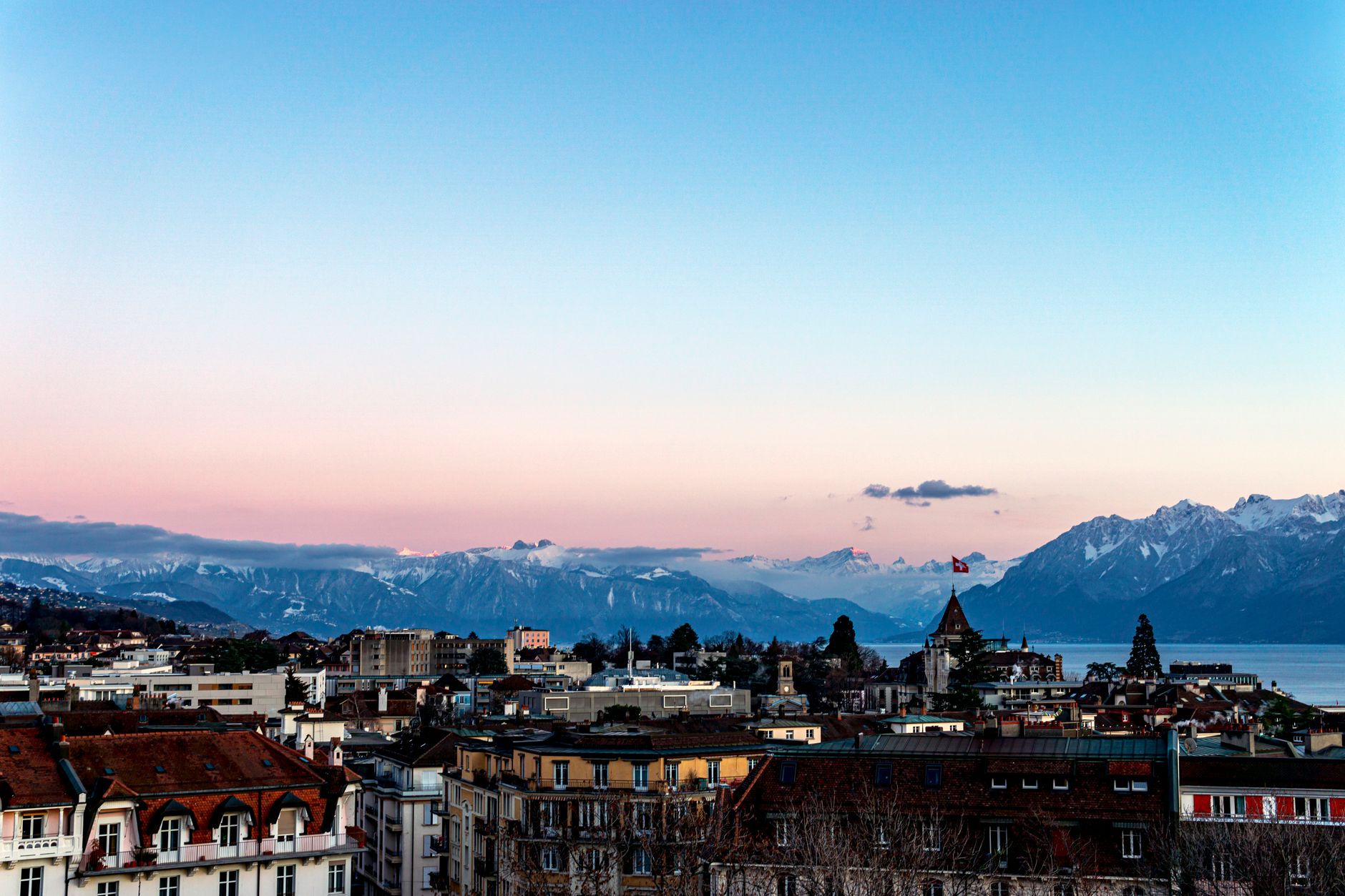
Planning an adventure trek in Lausanne, Switzerland, requires immediate understanding that the urban and peri-urban geography grants no quarter to the unprepared walker. Situated on the shores of Lake Geneva with an average elevation of around 453 metres above sea level, this city in the canton of Vaud is characterized by steep elevation changes. Altitude may seem modest compared to surrounding alpine giants, but proximity to mountain foothills turns any hiking route into a technical exercise in vertical progression.
The terrain combines medieval cobblestone streets with forest trails ascending toward the Jorat woods. Every expedition planned in this territory must assume that physical effort is multiplied due to constant slopes. Explorers arriving with notions of flat walks soon discover that muscles must adapt to sharp changes in elevation within just a few kilometers. For this reason, preliminary physical conditioning is just as critical as selecting technical footwear.
To successfully tackle the altitudinal variations of the area, expedition members must practice marching techniques on prolonged slopes. Using short, rhythmic strides helps preserve energy and prevents premature overload of the quadriceps and calves. Likewise, prior cardiovascular preparation allows hikers to face steeper sections without compromising respiratory capacity, a critical factor when ambient humidity drops in forested zones.
Furthermore, understanding the verticality of Lausanne involves anticipating how the urban architecture merges into natural paths. Stairs and steep streets act as the first training grounds before reaching regional dirt trails. Travelers who incorporate stair-climbing drills into their pre-trip regimen find themselves much better prepared for the persistent ascents. Neglecting this muscular adaptation often leads to early fatigue, forcing teams to cut short itineraries that were initially planned as full-day crossings across the district.
Alpine Weather and Seasonal Variability
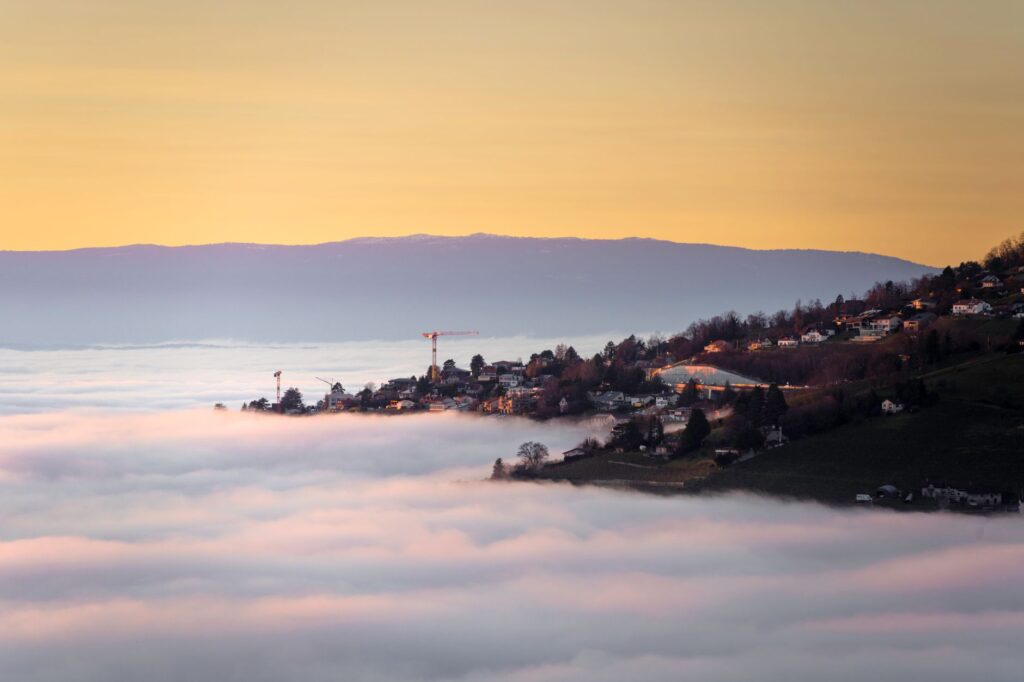
The climate in Lausanne is heavily influenced by the water mass of Lake Geneva and its proximity to the Alps. This interaction creates local microclimates where morning fog, humid winds, and rapidly evolving storms are common during transitional months. Before setting out on any march toward higher elevations, consulting local weather forecasts and atmospheric stability bulletins issued by Swiss authorities is mandatory.
Temporal planning must adapt to hours of daylight. During winter months, dusk advances drastically, arriving around 17:00 hours, which narrows the operational window on trails. In summer, conversely, days are long but demand rigorous hydration due to sun exposure in open fields. The mountains do not forgive meteorological improvisation, and carrying a quality technical waterproof shell is a non-negotiable rule regardless of the chosen season.
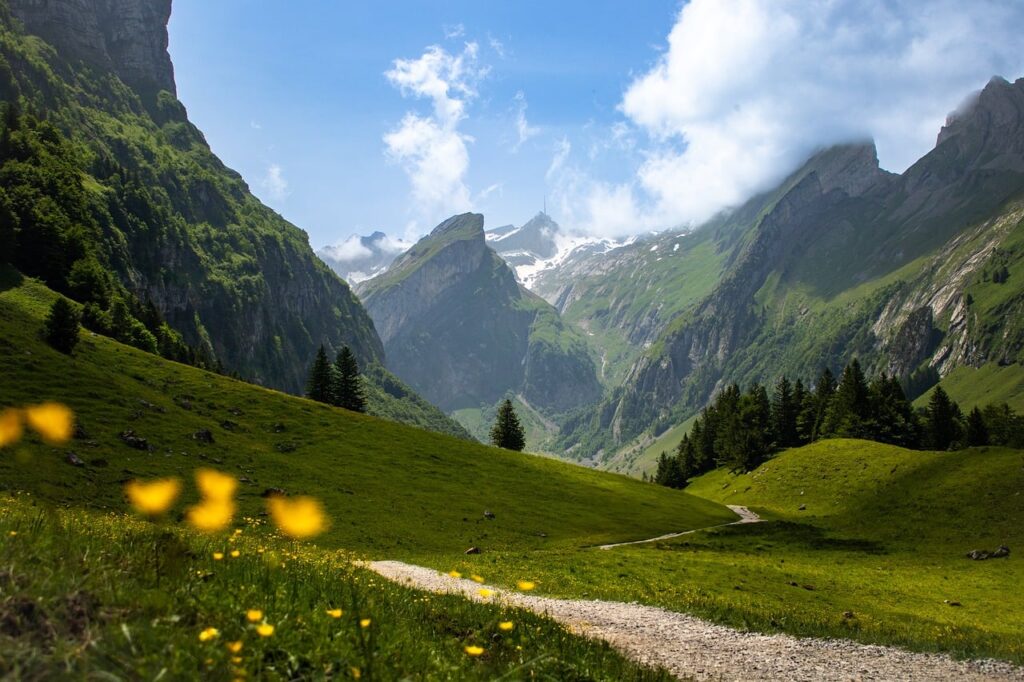
Thermal changes between the valley and high zones can be notable within just a few hours. A sunny day on the lakeshore can transform into a scenario of freezing breezes upon gaining altitude. Therefore, the layered clothing strategy becomes the expedition member’s best defense against hypothermia and summer heatstroke.
In addition to clothing, monitoring wind direction and cloud accumulation over the nearby peaks provides crucial clues regarding approaching weather shifts. Sudden drops in temperature near the forest canopy require immediate adjustments to gear, reinforcing the importance of keeping windbreakers and thermal accessories easily accessible within the outer pockets of the backpack.
Permits, Access, and Territory Regulation
Unlike other regions of the world where exploration lacks strict regulatory frameworks, Switzerland boasts a network of trails perfectly marked and regulated by cantonal associations. In Lausanne, environmental protection regulations prohibit wild camping in protected forest areas and nature reserves bordering the lake. Expedition members must overnight exclusively in designated areas, authorized mountain huts, or official campsites.
Respecting private property and alpine livestock is another foundational pillar for responsible exploration. Pasture gates must always be closed as found to prevent livestock escape. Likewise, legislation prohibits lighting fires outside specifically conditioned spaces, a strict measure aimed at preventing forest fires during dry summer periods.
Rigorous compliance with these guidelines ensures peaceful coexistence among outdoor sports enthusiasts, local farmers, and native fauna. Fines for violating conservation regulations in the canton of Vaud tend to be severe, making prior inquiry at local tourist offices an unavoidable obligation for any organized group.
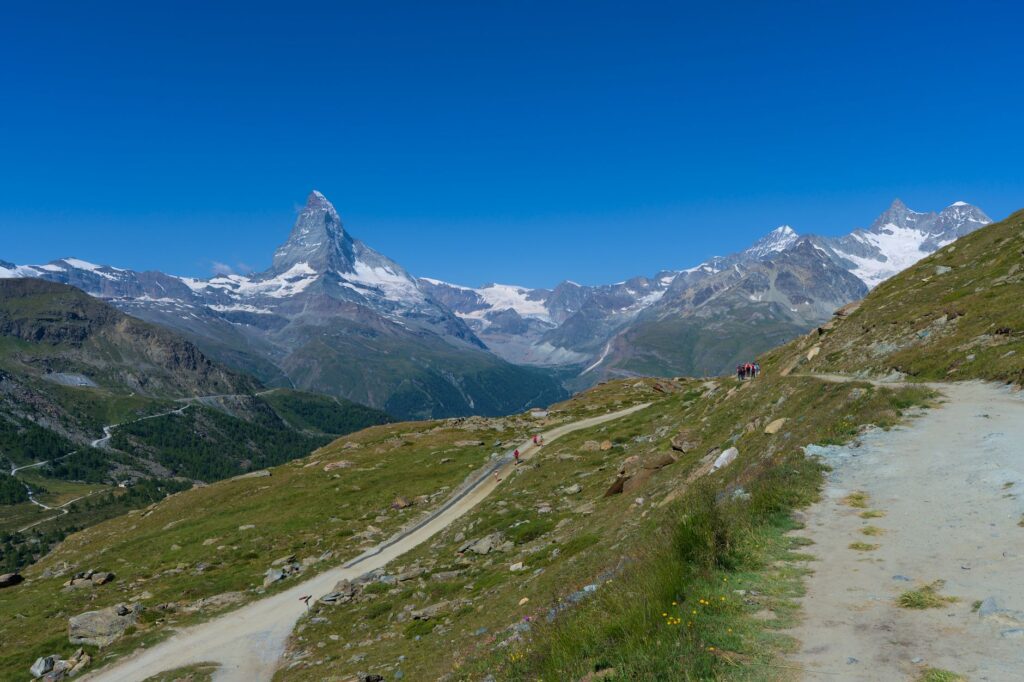
Consulting local authorities or regional mapping portals also helps hikers identify seasonal path closures, which are occasionally implemented to protect wildlife breeding grounds or to repair trail infrastructure damaged by heavy winter snowmelt and spring rainfall.
Technical Gear and Weight Management
Carrying a balanced backpack makes the difference between a successful day and premature knee injuries during descents. For a day hike around Lausanne, basic equipment must include breathable layers, a windproof jacket with a technical membrane, a first-aid kit, a thermal blanket, telescopic trekking poles, and a GPS navigation system complementing physical maps.
Water management also requires foresight. Although the canton features public drinking fountains at numerous waypoints, on more remote routes toward the north of the district it is advisable to carry purifying tablets or a portable filter. Moderate self-sufficiency guarantees safety in the face of any logistical mishap that lengthens the expected duration of the hike.
The total weight of the backpack must not exceed a prudent percentage of the hiker’s body weight to avoid unnecessary fatigue. Correctly distributing the center of gravity by placing heavier items close to the back and at shoulder blade height optimizes balance during technical steps over uneven terrain and wet roots.
Footwear choice deserves equal attention. Waterproof hiking boots with high ankle support prevent sprains on loose gravel paths, while moisture-wicking socks reduce the likelihood of painful blisters during long descents across steep inclines.
Historical Heritage and Territory Culture
Lausanne is not merely a starting point for natural adventure, but an enclave of profound historical weight. Its Gothic cathedral, consecrated in the 13th century, dominates the urban profile from the Cité hill and serves as a silent witness to medieval pilgrimage routes crossing the Helvetic region toward Italy.
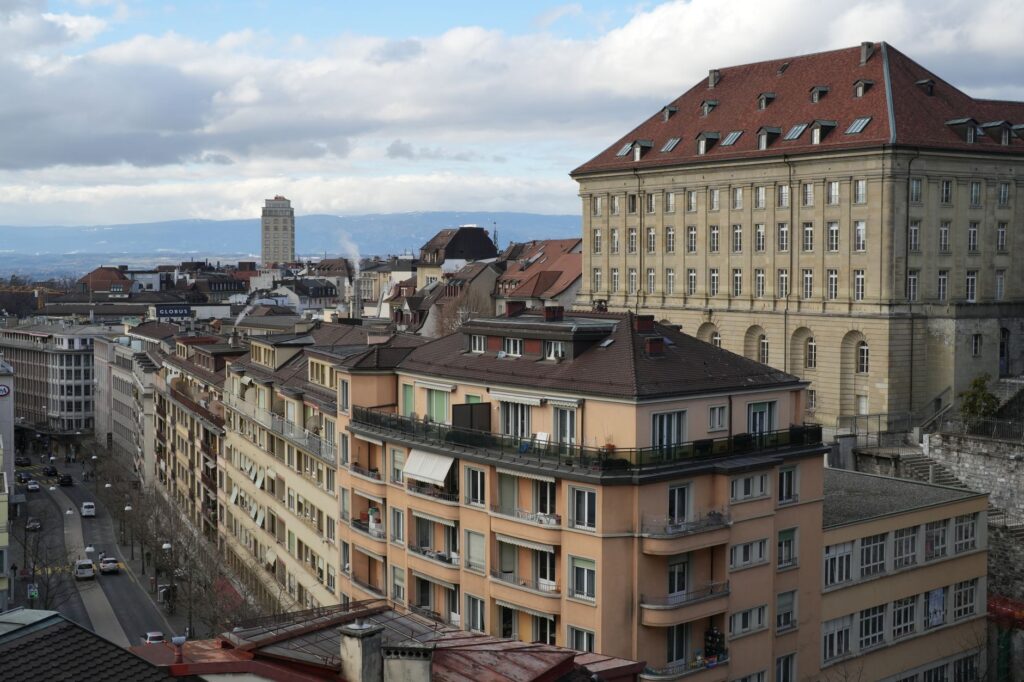
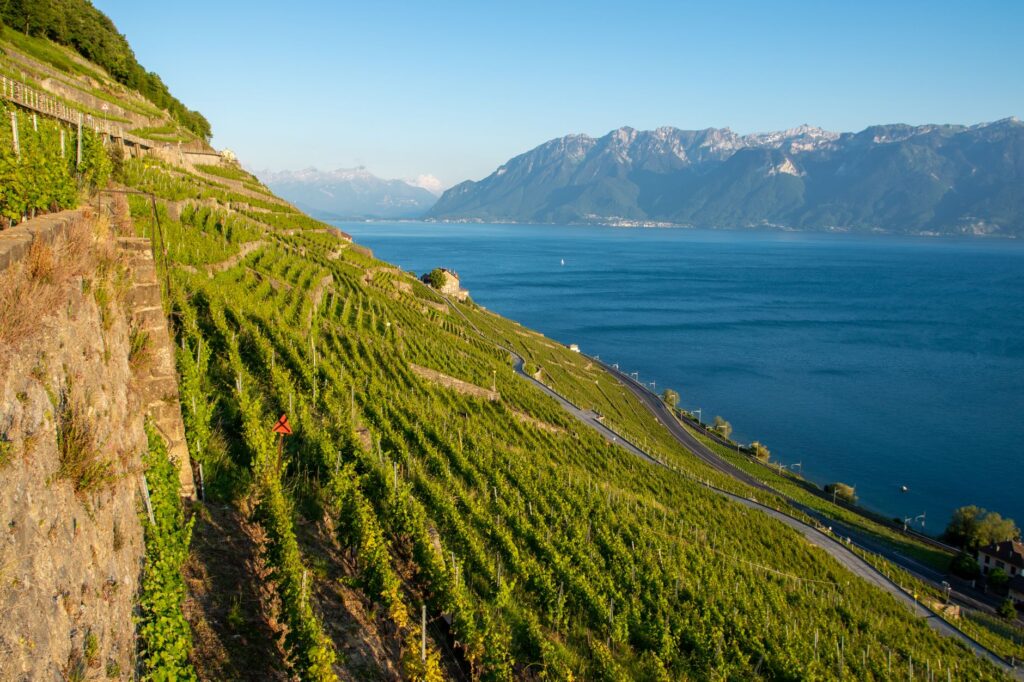
Integrating cultural heritage into the expedition brings an enriching dimension to the journey. Ancient trade routes and the vineyard terraces of Lavaux, located a short distance to the east, offer a route where human labor and rugged orography merge into terraces declared UNESCO World Heritage sites. Walking through these landscapes demands the same respect accorded to high mountain trails.
Understanding the historical evolution of these paths helps appreciate the titanic effort required to connect communities separated by formidable geographical barriers. Today’s walker treads paths that have accommodated merchants, pilgrims, and artists over the centuries, turning each day of marching into an authentic dialogue with the Swiss past.
This deep connection with history reminds modern travelers that the landscape surrounding Lausanne has been shaped by centuries of human interaction, agriculture, and trade, transforming every footstep into a journey through time as well as space.
Safety and Emergency Response
Safety in the Swiss natural environment relies on a highly efficient rescue infrastructure coordinated through centralized emergency numbers such as 144 for medical assistance or 1414 by Rega for aerial rescues in hard-to-reach areas. Nonetheless, relying on rescue does not exempt travelers from acting with prudence and communicating route plans to third parties before departure.
The most frequent injuries on regional trails involve ankle sprains on loose stone sections and muscle fatigue from prolonged descents. Maintaining a steady pace, taking technical breaks for carbohydrate intake, and checking footwear tread condition before setting out are practices that drastically reduce accident rates.
Having spare batteries for electronic orientation devices and carrying a fully charged headlamp are vital precautions to prevent risky situations if a hike runs longer than expected due to technical or meteorological setbacks.
Familiarizing oneself with local emergency protocols before heading out into the hills ensures a rapid and calm response should an unexpected accident occur along remote sections of the regional trail network.
Sustainability and Hiker Ethics
Practicing hiking in Swiss natural spaces requires adopting a low environmental impact ethic. All garbage generated during the crossing must be carried back to Lausanne’s urban containers, avoiding leaving organic remains that, although biodegradable, alter the local ecosystem and undesirably attract wildlife.
Sighting wild animals must always be done from a prudent distance and using binoculars if necessary, without emitting loud noises that alter their natural feeding and reproduction cycles. Caring for the environment is the only way to guarantee that future generations can enjoy the same scenic and biological wealth.
True mindful exploration begins long before lacing up boots; it resides in absolute respect for the rhythm of the landscape and the regulations protecting it.
Practical Guide
How to get there: Lausanne features excellent domestic and international railway connectivity through the Swiss Federal Railways network, connecting directly to Geneva Airport in under an hour.
When to go: Late spring months and early autumn offer the best thermal conditions and lower crowd density on forest trails.
Documentation and regulations: Travel insurance specifically covering hiking activities and potential mountain rescues is essential. Wild camping is strictly prohibited.
Official currency: Swiss Franc. Although cards are accepted in the vast majority of establishments, carrying cash for small rural refuges is useful.
Tourist office: Lausanne Tourisme, located next to the main railway station, offers updated maps of pedestrian routes and real-time trail conditions.
Final Reflection on the Alpine Horizon
The territory stretching from the deep waters of Lake Geneva to the pre-alpine foothills invites a measured and reflective practice of hiking. Every trail traversed in this corner of Switzerland leaves an indelible mark in the traveler’s memory, reminding them that the most rewarding adventure is one undertaken with humility, rigor, and deep environmental awareness.