
The Modern Silhouette of a Century-Old Port in France
At the mouth of the Seine estuary, the French city of Le Havre stands as a unique testament to resilience and urban design. Far from concealing its complex history of wartime destruction and rebirth, this maritime hub has transformed its architectural heritage into the core of its contemporary cultural identity. The wide streets and geometric volumes that characterize its reconstructed center invite visitors to rethink the relationship between twentieth-century urbanism and the daily lives of its residents, offering a setting where the art of reinforced concrete engages in a constant dialogue with the vast Atlantic horizon.
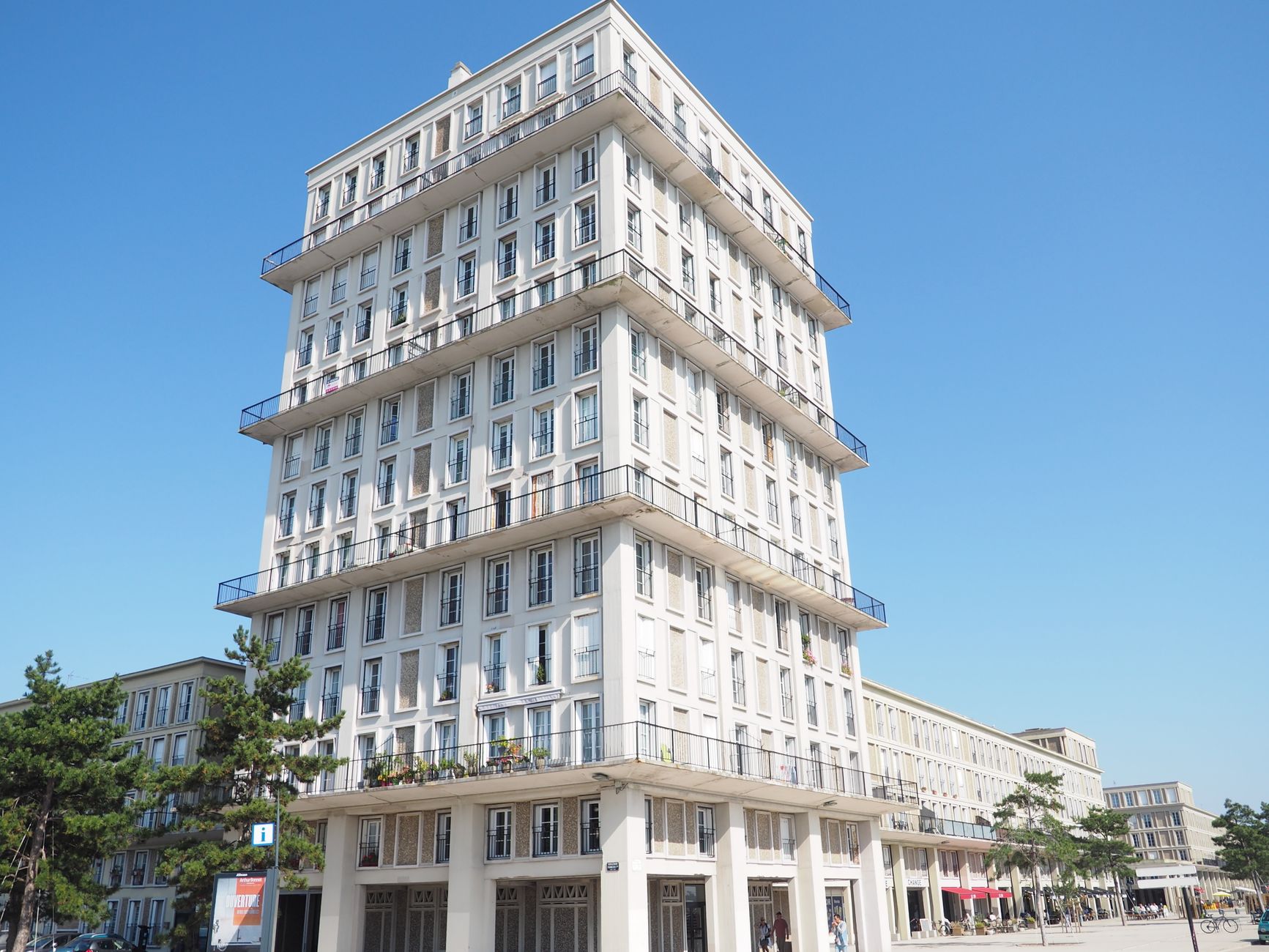
The urban layout, conceived under the direction of Auguste Perret following the devastation of the Second World War, broke decisively with traditional European reconstruction molds. Instead of replicating the past, the city embraced a sober, standardized, and luminous modernity that is today recognized as a UNESCO World Heritage Site. This distinction not only protects emblematic buildings and rigorously modulated residential blocks but also validates a specific way of inhabiting public space, where marine light filters unobstructed through colonnades and interior courtyards.
Furthermore, the deliberate integration of public squares within the urban master plan creates natural gathering points that encourage community interaction. The proportion of the open spaces allows the sea breeze to circulate freely through the neighborhoods, reinforcing the constant physical connection between inland districts and the bustling harbor activities.
Daily Rhythm in Market Squares and Neighborhoods
Neighborhood life in Le Havre beats with a quiet yet steady authenticity. Around the central marketplace of the Halles Centrales and traditional food markets, local residents maintain a commercial and social exchange that goes far beyond daily shopping. Here, seafood and regional Norman products find their natural space for display, reflecting the hardworking and welcoming character of a community accustomed to facing the sea. Fishermen, shopkeepers, and neighbors weave a network of daily habits that form the true living fabric of the city, far removed from mass tourism circuits.
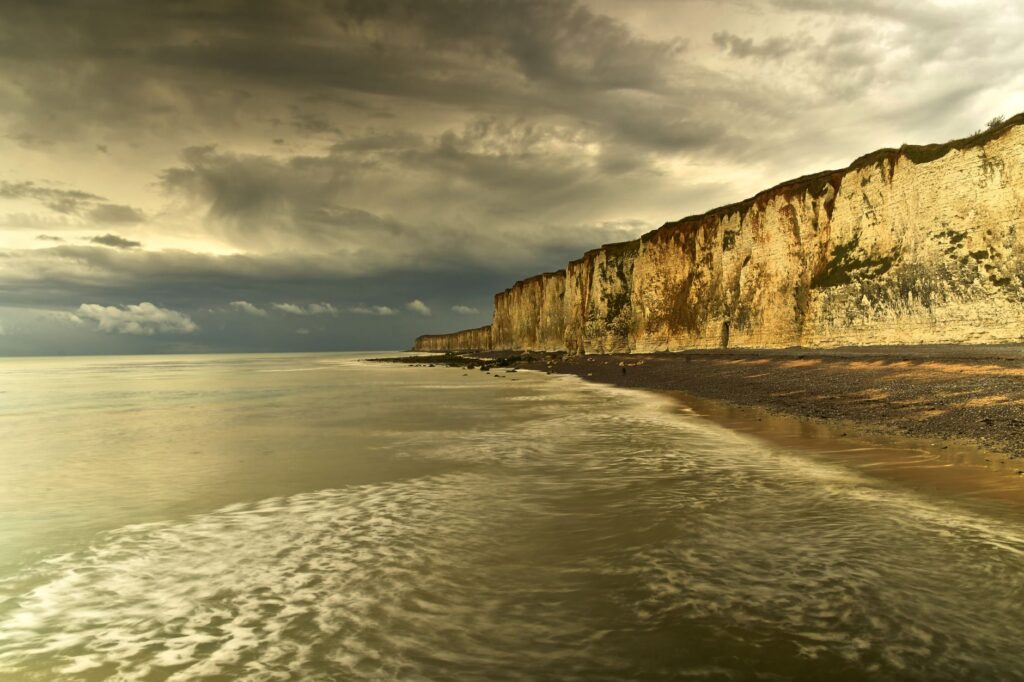
Walking through these neighborhoods reveals how human scale survives even within the most monumental urban designs. The ground floors of Perret’s buildings house small shops, independent bookstores, and cafes where time seems to slow down. This blend of monumental exterior architecture and intimate neighborhood commerce constitutes one of the greatest attractions for those seeking to understand local culture from a relaxed and reflective perspective.
Local artisans and family-run businesses pass down commercial traditions from generation to generation, anchoring the neighborhoods in a continuous historical narrative. These everyday interactions foster a strong sense of belonging among residents, who take visible pride in maintaining the unique character of their residential quarters despite the inevitable shifts of modern economic trends.
Contemporary Art and the Impressionist Legacy
Le Havre’s relationship with the visual arts runs deep. It was precisely along these shores that Claude Monet painted Impression, Sunrise, a work that would give its name to an entire artistic movement. Today, that artistic vocation is renewed through spaces such as the MuMa (André Malraux Modern Art Museum), whose glass and steel architecture merges with the changing tones of the Norman sky. The museum’s collections, centered on light and color, continually remind viewers that the region’s marine landscape has been and remains an irreplaceable engine for artistic creation.
Beyond major museums, contemporary art permeates public space through sculptural interventions and temporary murals integrated into everyday urban life. This democratization of culture fosters an intergenerational dialogue where citizens actively participate in redefining their environment. Independent galleries and local artist studios complete a vibrant cultural panorama, demonstrating that Le Havre’s identity is not a static monument, but an evolving process.
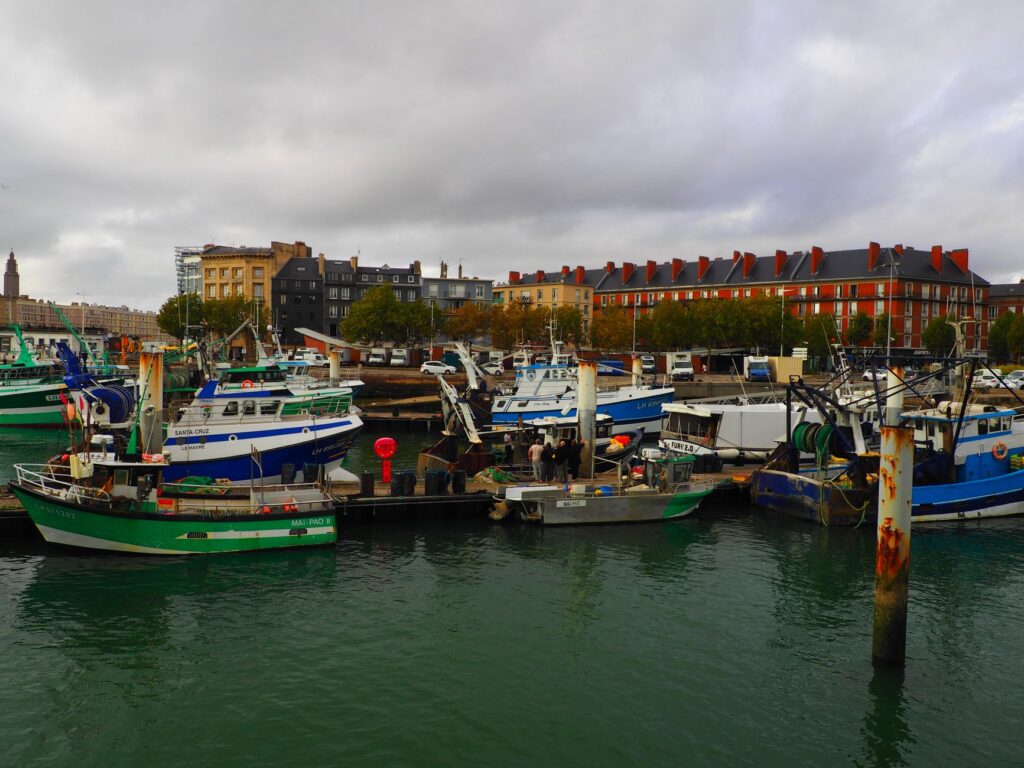
Artistic expression also finds a home in neighborhood cultural centers, where local workshops and community-led exhibitions encourage grassroots participation. This ensures that creative endeavors remain deeply rooted in the daily experiences of the inhabitants, bridging the gap between high culture and neighborhood life.
Architectural Heritage and Urban Sustainability
The contemporary challenge for Le Havre lies in preserving its unique architectural singularity while adapting to the sustainability and habitability criteria of the twenty-first century. The preservation of reinforced concrete buildings requires specialized techniques that respect original materials and maintain the purity of post-war design lines. Current architects and urban planners work on the energy rehabilitation of these structures without altering their aesthetic value, proving that historic modernity can coexist harmoniously with the ecological transition.
Architecture is never merely a matter of bricks and cement, but the framework through which a community learns to recognize itself and project toward the future with dignity.
This commitment to heritage extends to the design of public spaces, prioritizing pedestrian zones, cycling routes, and the integration of green areas. The transformation of former industrial sites into urban parks open to the water reflects a clear determination to return the coastline to its citizens, consolidating a model of responsible urban development that values both human well-being and collective memory.
Urban planners emphasize the importance of utilizing eco-friendly materials during maintenance projects, ensuring that structural updates do not compromise the original visual harmony. By combining preservation mandates with modern environmental standards, the municipality aims to safeguard its architectural legacy for future generations without sacrificing ecological efficiency.
Maritime Culture and Port Memory
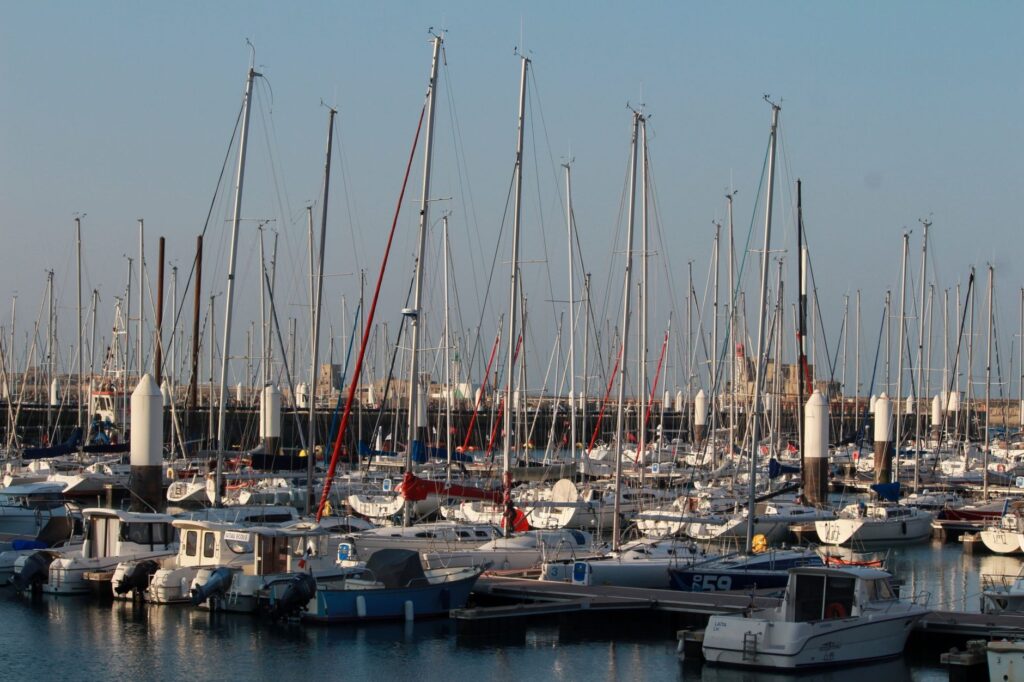
As one of France’s most vital ports, Le Havre has built much of its culture on the constant flow of goods and ships arriving from across the globe. This international vocation has endowed the local population with a characteristic open-mindedness, where cultural mixing and curiosity about the outside world form part of daily life. Shipyards, basins, and docks are not merely economic infrastructures, but settings charged with strong literary and historical symbolism that has inspired generations of writers and poets.
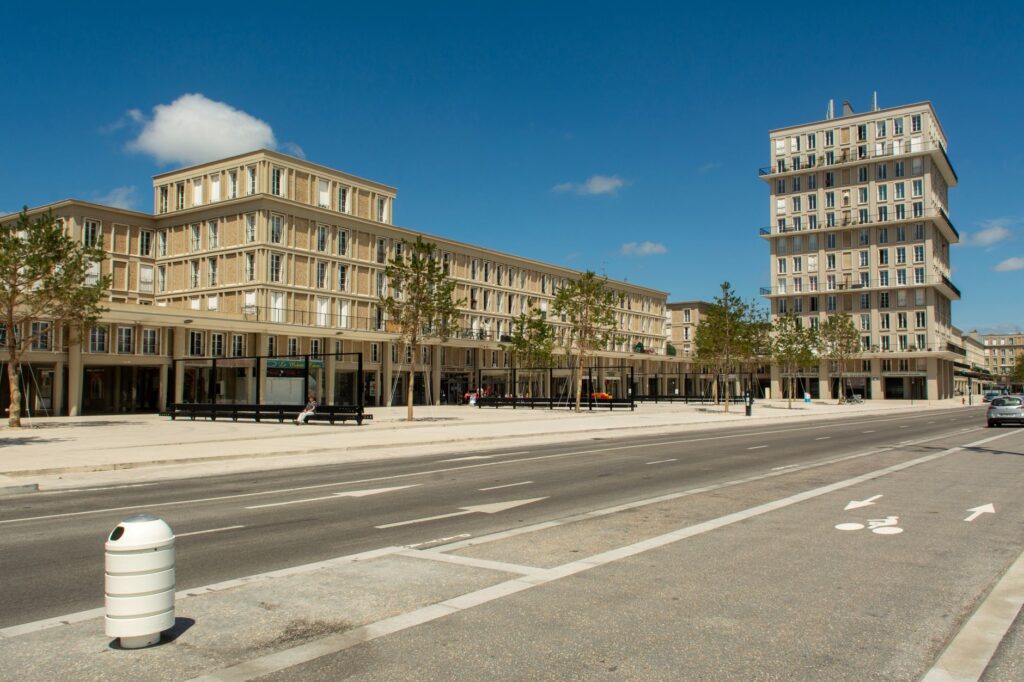
Awareness of this maritime activity is transmitted through interpretation centers and local archives documenting the evolution of the port from its origins to the present day. Citizens participate in this exercise of memory through cultural associations and public events that celebrate the indissoluble bond between the city and the sea, recalling that every ship setting sail or docking in the bay forms part of the region’s grand collective chronicle.
The deep ties between the working docks and the urban center create an atmosphere where industrial heritage is embraced as a defining aesthetic. Educational programs often highlight this maritime heritage, ensuring that younger generations understand the economic and cultural pillars that sustain their coastal home.
Responsible Decisions for the Conscious Visitor
Tourism in Le Havre acquires its true meaning when practiced with respect for local scale and sustainability. Travelers are encouraged to explore the city on foot or by bicycle, utilizing public transport networks to minimize carbon footprints and fully enjoy the urban atmosphere. Supporting neighborhood businesses, consuming local products in traditional markets, and respecting residential spaces are essential practices to ensure visitor influx enriches the community without disrupting its daily rhythm.
Likewise, visitors are advised to plan trips to cultural and architectural centers by checking schedules and capacities in advance, thereby supporting orderly management of tourism flow. The conscious traveler understands that Le Havre’s greatest value lies in its everyday authenticity, a living heritage sustained through the balance between civic hospitality and the individual responsibility of those who arrive to discover it.
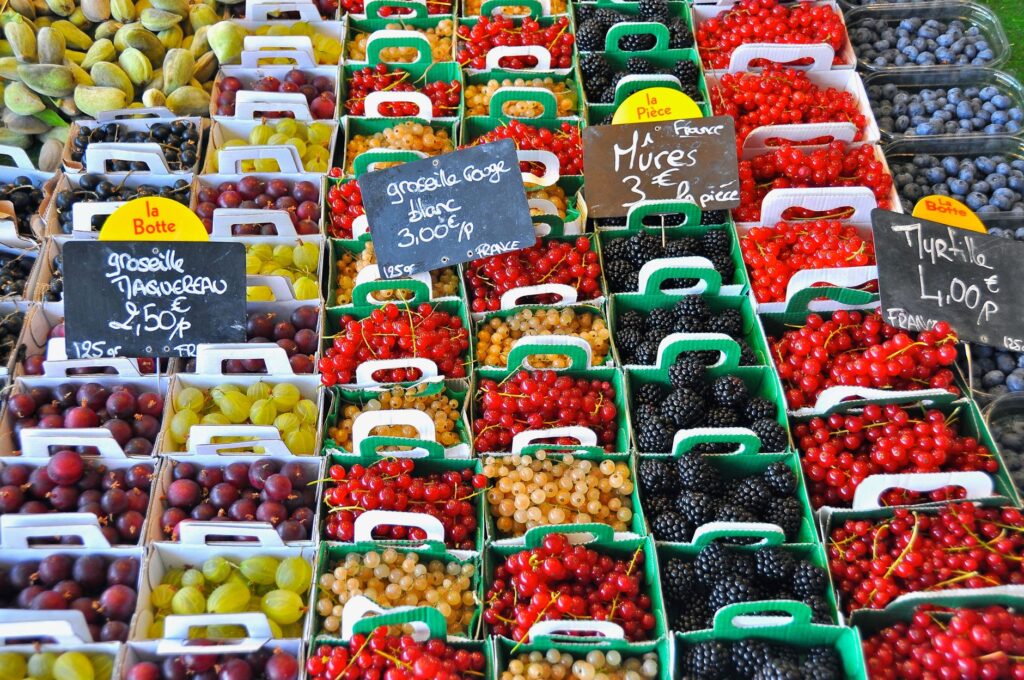
Mindful travel also involves engaging respectfully with public installations and participating in community-led heritage tours that provide authentic insights. By adopting these low-impact habits, visitors help preserve the delicate equilibrium between welcoming guests and maintaining the peaceful domestic environment valued by local residents.
Practical guide
How to get there: Le Havre boasts excellent rail connections from Paris (Gare Saint-Lazare), with frequent journeys taking around two hours and fifteen minutes. It is also easily accessible via the national highway network.
When to visit: The spring and summer months (May through September) offer mild temperatures and ideal lighting for walking tours of the architecture and coastline. Autumn brings a melancholic atmosphere highly valued by photography enthusiasts.
Where to stay: The reconstructed center and harbor surroundings offer diverse accommodation options, ranging from modern design establishments integrated into historic buildings to independently managed local options.
Recommended gastronomy: Be sure to taste the fresh catch of the day in local bistros, accompanied by dairy products and traditional specialties from the Normandy region.
Final Reflections Facing the Estuary
As evening falls, the golden light of sunset reflects upon the concrete facades and calm waters of the estuary, creating an atmosphere of serene introspection. Le Havre reveals itself then not merely as an architectural landmark or a strategic port, but as a space where history, art, and daily life coexist in harmony. In this corner of the French coast, the memory of the past becomes the solid foundation for building a shared future, where every visitor can find an endless source of inspiration and respect for living culture.
Ultimately, the enduring spirit of the city lies in its capacity for reinvention while honoring its foundational roots. Those who take the time to observe its streets, engage with its markets, and contemplate its maritime vistas will discover a profound lesson in urban perseverance and quiet cultural dignity.