
The Roots of a Metropolis in Constant Transformation
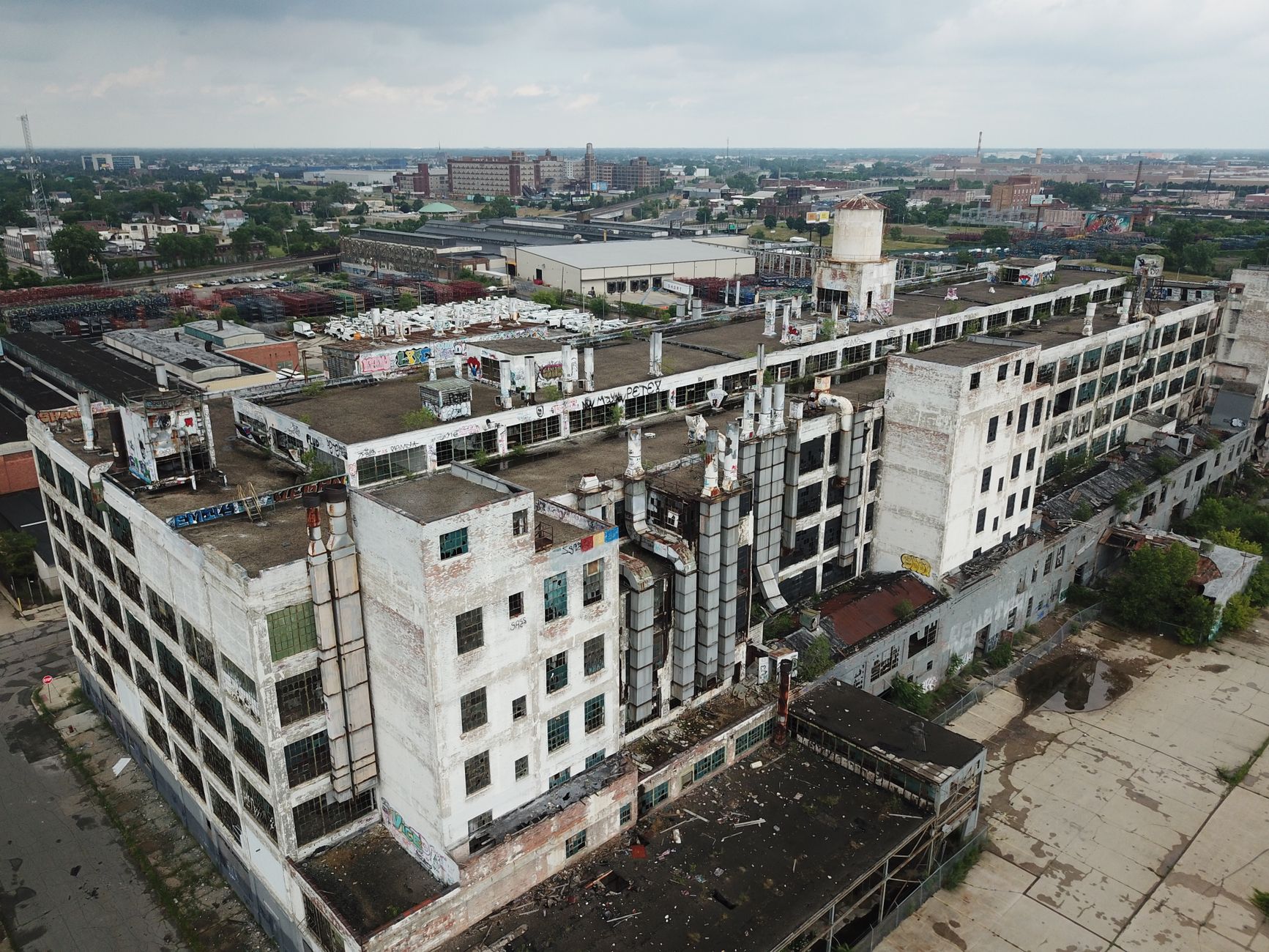
Situated on the banks of the river that bears its name in the state of Michigan, United States, the city of Detroit maintains a complex relationship with its industrial legacy. Far from being reduced to major headlines regarding economic boom and decline, the everyday pulse of the city is sustained by local communities that have successfully preserved their heritage without falling into sterile nostalgia. The streets of various neighborhoods showcase an urban fabric where former manufacturing structures coexist with converted cultural spaces and self-managed housing that prioritizes sustainability and neighborhood roots.
The urban layout, characterized by wide avenues and a grid inherited from the early twentieth century, reflects the rapid growth the region experienced when automobile production determined the pace of life for thousands of families. Nevertheless, the true essence of Detroit is experienced today in small details: in street corners where independent local shops converge, in community centers offering intergenerational support, and in urban murals that recount stories of resistance, art, and labor dignity.
The Pulse of Markets and Neighborhood Life
Daily activity in Detroit neighborhoods finds one of its primary meeting points in food markets and public squares. These spaces are not mere commercial exchange points, but genuine nodes of social cohesion where diverse culinary and traditional backgrounds meet. Veteran merchants and new generations of entrepreneurs share space in historic markets, offering local goods that reflect the demographic diversity of the American city.
Walking through sectors such as Corktown or the metropolitan area reveals how old exposed-brick buildings house neighborhood coffee shops, independent bookstores, and artisan workshops. In these places, unhurried conversation replaces the fast pace of major financial metropolises. Residents share a commitment to keeping green spaces clean and reclaiming vacant lots for community urban gardens, an initiative that reinforces food sovereignty and fosters peaceful coexistence among longtime residents and newcomers.
Residential Architecture and Material Memory
Detroit’s architectural landscape is a physical testimony to its social evolution. Alongside the commercial buildings of the downtown core, residential neighborhoods display a wide variety of single-family wood and brick homes dating from the early decades of the past century. The conservation of these structures represents a constant challenge for property owners and neighborhood associations, who advocate for rehabilitation over indiscriminate demolition.
The preservation of this architectural heritage helps explain how families who arrived in Michigan drawn by manufacturing job opportunities lived and worked. Each restored facade and carefully tended front porch forms part of a collective narrative that rejects abandonment and embraces grassroots revitalization. Walking tours through these residential areas reveal a sober yet welcoming aesthetic, where a sense of belonging is evident in every front yard and well-maintained sidewalk.
The Value of Cultural and Community Initiatives
Cultural life in Detroit is not confined to downtown museum institutions, but flourishes in community centers and independent galleries spread throughout the city. These initiatives are driven by local collectives utilizing visual arts, live music, and literature as tools for integration and historical memory. Neighborhood workshops offer safe spaces for youth, promoting artistic disciplines that directly dialogue with the region’s musical and working-class roots.
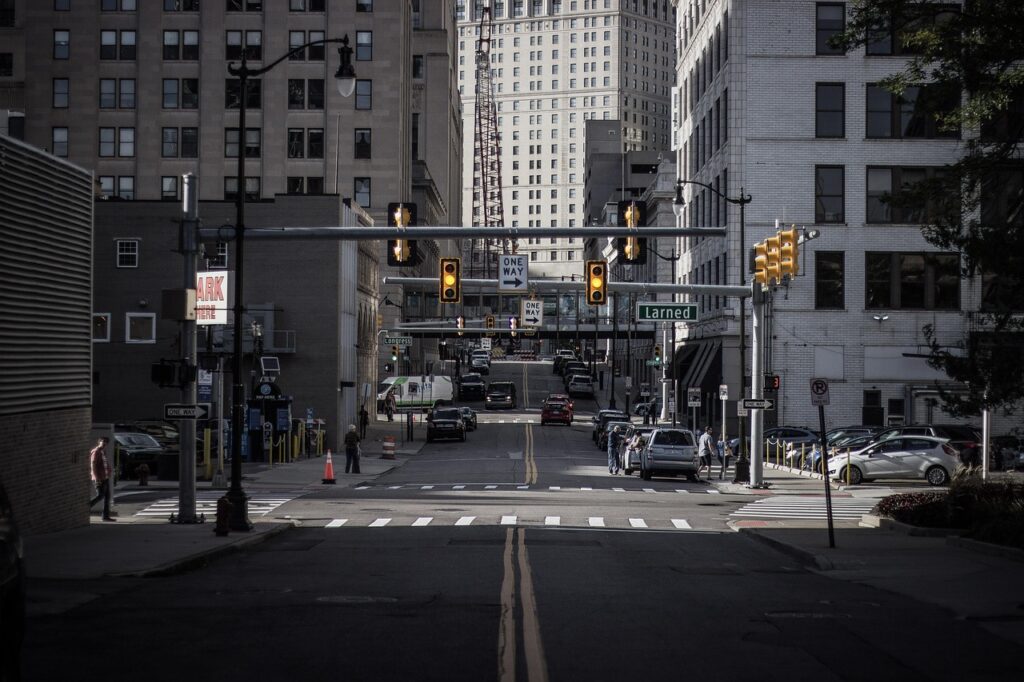
Local culture is nourished by collective effort and the conviction that art should be accessible to all inhabitants regardless of income or background. This commitment to cultural justice translates into neighborhood festivals, open-air film screenings, and grassroots libraries operated by volunteers. Thus, the city’s identity is strengthened from the ground up, counterbalancing local creativity against the gentrification processes affecting other major urban centers across the country.
Community Arts and Expression
Artistic expression in the neighborhoods goes beyond traditional gallery walls. Mural projects and open-air installations transform alleyways and brick facades into canvases reflecting local history and social justice themes. These visual markers serve as reminders of past struggles and ongoing community organizing efforts.
Local artists collaborate with schools and youth groups to mentor the next generation of creators. By involving young people in public art projects, communities foster a sense of ownership and pride in the shared environment. These creative endeavors also attract visitors interested in authentic cultural expressions rather than standardized tourist attractions.
The true heritage of Detroit lies in the ability of its residents to redesign their daily environment without relinquishing the memory of their ancestors.
Urban Mobility and Daily Transportation
Getting around an area as expansive as Detroit requires understanding its transportation dynamics. Although the automobile remains a central element due to the zone’s industrial history, recent years have seen the promotion of alternatives aimed at improving sustainable mobility and connections between districts. Urban bus lines and neighborhood carpooling initiatives facilitate access to jobs and basic services for residents who lack private vehicles.
Additionally, the gradual creation of bike lanes and improvements to pedestrian pathways foster a more leisurely way of exploring the city. Citizens use these daily commutes not only to reach their destinations, but also as moments for observation and encounter. Road infrastructure, originally designed to expedite heavy traffic, is gradually adapting to a more human scale, prioritizing pedestrian safety and the landscape integration of public thoroughfares.
Practices of Respect and Local Coexistence
Visitors who explore Detroit today discover an open community that is nonetheless protective of its everyday privacy. It is fundamental for any responsible traveler to understand that many neighborhoods are active residential spaces rather than mere tourist attractions. Maintaining a respectful attitude toward neighborhood schedules, consuming local goods, and avoiding intrusion into private properties are basic rules of coexistence. Participating in cultural activities organized by the residents themselves allows for a genuine approach to the urban reality without disrupting the natural rhythm of the American community.
Practical Guide
How to get there: Wayne County Metropolitan Airport (DTW) connects Detroit with major domestic and international destinations via numerous scheduled airlines.
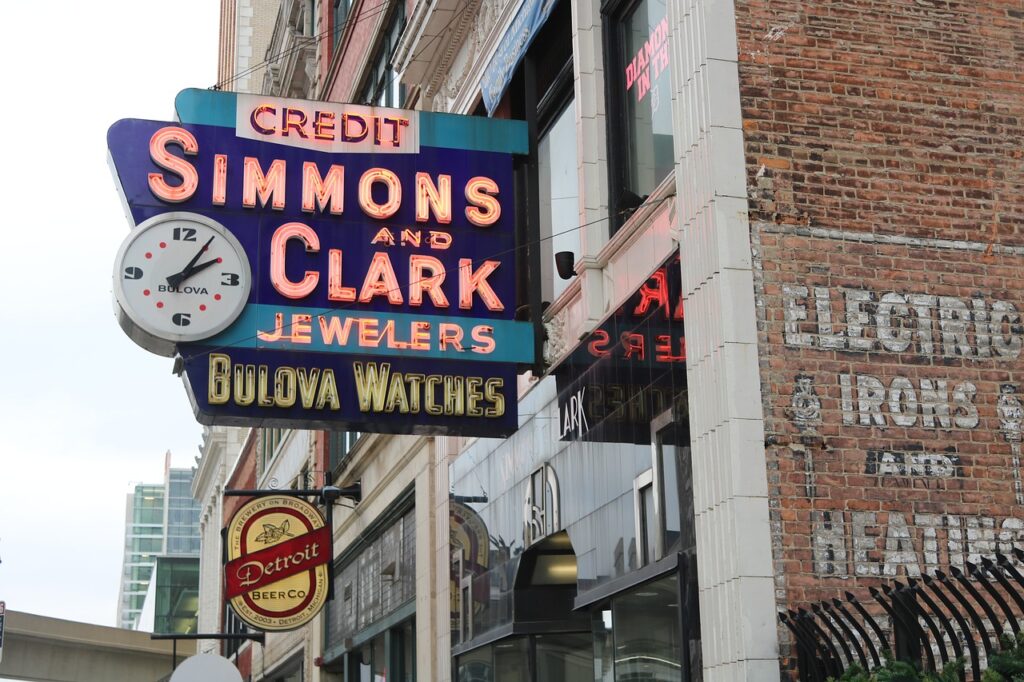
When to go: Spring months (May to June) and autumn (September to October) offer mild temperatures ideal for exploring the city on foot or via public transit.
Getting around: The urban bus system (DDOT) covers major routes. For greater flexibility in peripheral commutes, renting a car or using ridesharing services is highly practical.
Where to stay: Choosing small boutique hotels or independent lodgings in established residential areas such as Corktown or the historic center is recommended for a more authentic local experience.
Gastronomy: Local markets and neighborhood eateries offer a wide culinary variety reflecting the multiculturalism of the American city.
The Human Legacy Sustaining the Future
Deep within every tree-lined street and public square in Detroit beats a shared certainty: the future of the city depends on the daily commitment of its citizens. The memory of past generations, combined with the energy of those who choose to invest in community life, paints a picture where dignity and collective labor are the true engines of change. Far away from simplifying tropes, the North American metropolis reveals itself as a vibrant, complex, and deeply human space.
Walking its sidewalks at dusk, when golden light reflects off brick facades and neighbors converse on porches, allows one to understand that the true wealth of this territory is not found in grand economic figures, but in the strength of its neighborhood bonds. Detroit continues to write its own history with firm steps, demonstrating that a community’s identity is built day by day from mutual respect and shared memory.