
Coastal Geography and the Open Horizon of Queensland in Australia
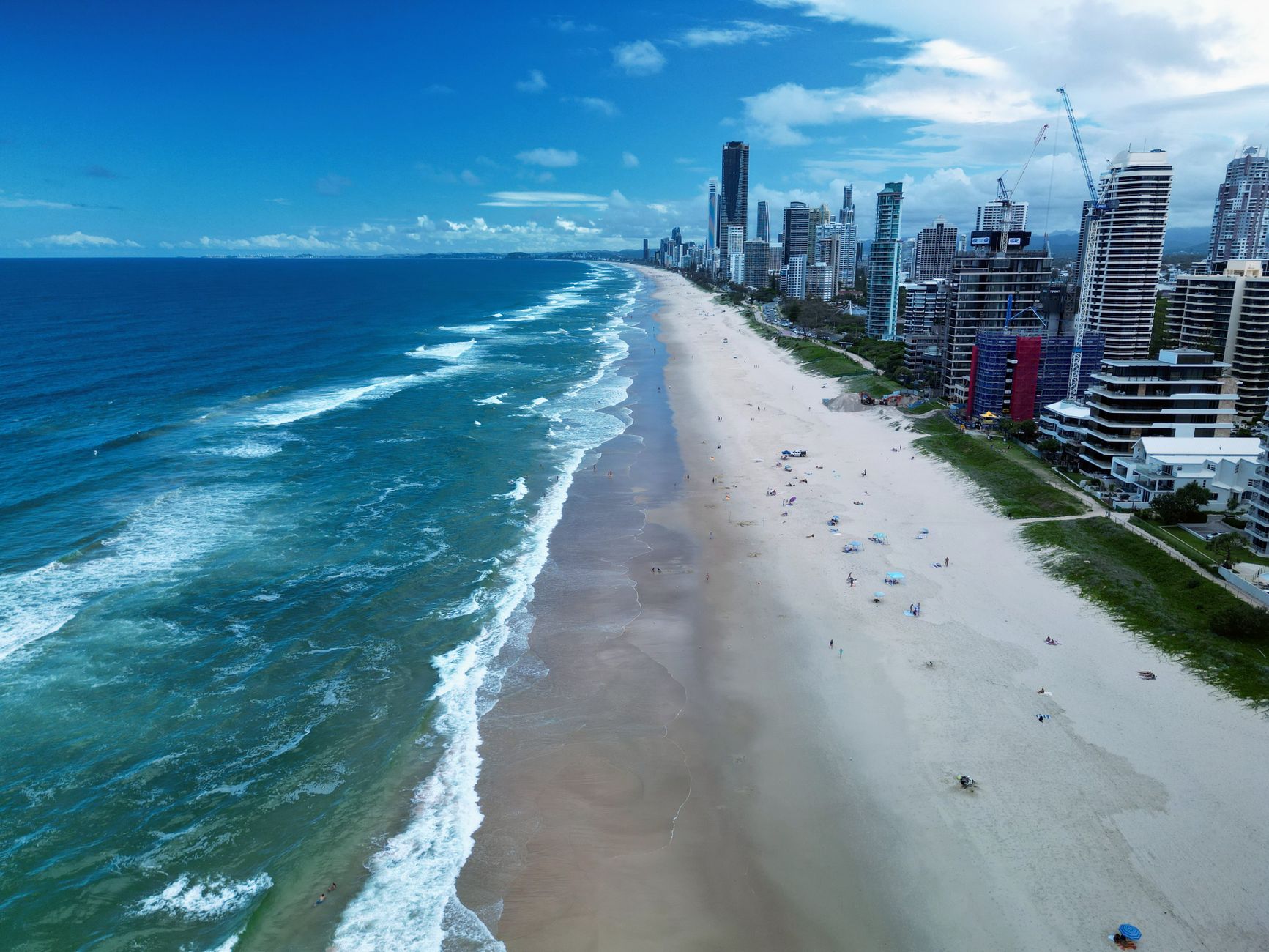
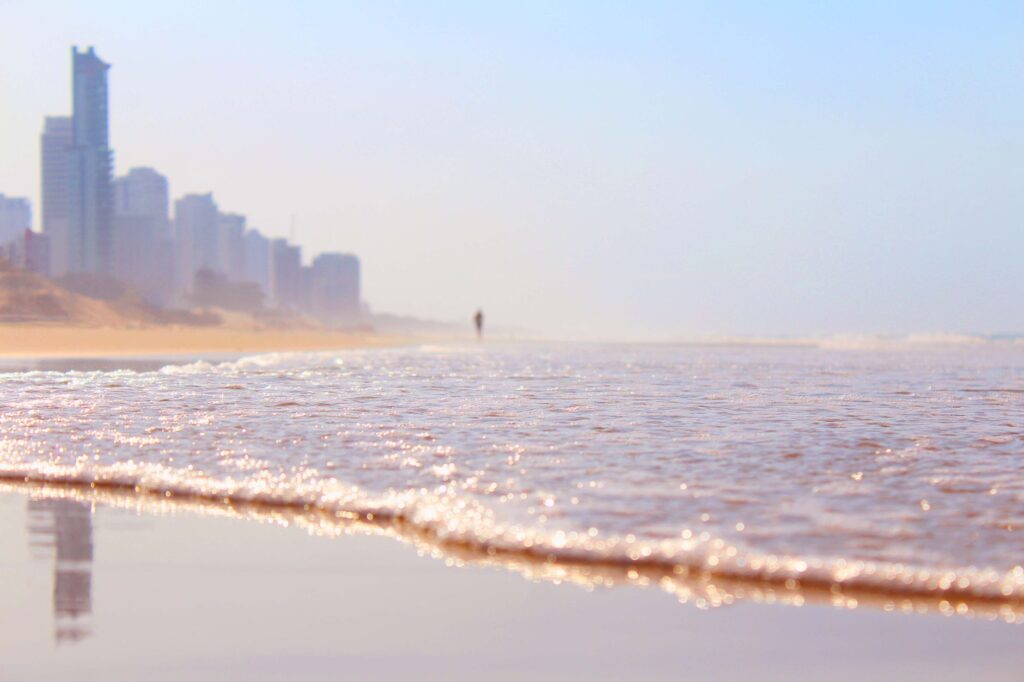
Located in the far southeast of Queensland on Australia’s eastern seaboard, the city of Gold Coast unfolds a distinctive geography where the Pacific Ocean meets an extensive network of tidal waterways and subtropical hills. With a population exceeding six hundred and forty thousand residents, this coastal municipality has evolved from a haven of fishermen and small rural settlements into a dynamic urban hub. Far from the hustle and bustle of massive tourist skyscrapers, the daily lives of its residents unfold along wide stretches of golden sand, tree-lined urban parks, and waterways that meander inland.
The region’s subtropical climate profoundly shapes the daily routines of its inhabitants. Mornings begin early, when the dawn light illuminates the open beaches and local surfers take to the water before starting their working days. This constant contact with the natural environment is not merely a recreational choice, but a fundamental pillar of collective wellbeing. Public spaces are designed to encourage active mobility, featuring continuous boardwalks, bicycle lanes, and parks endowed with native vegetation that invest in the quality of urban life.
Furthermore, the integration of public parks along the waterways allows residents to engage in gentle morning exercises, such as stretching routines and breathing practices, while listening to the native birdlife. This seamless transition between residential neighborhoods and waterfront pathways fosters a relaxed atmosphere that counters the stresses of contemporary routines. Neighbors often cross paths during their early walks, creating a tight-knit community feel grounded in shared appreciation for the local landscape.
Green Heritage and Biodiversity Beyond the Coastline
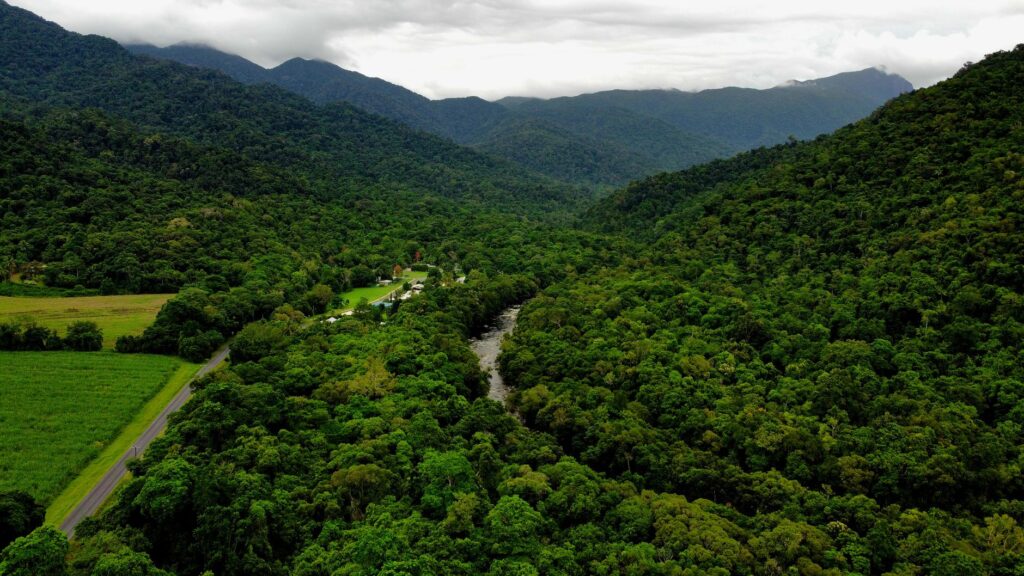
Just a short distance from the coastal strip, the urban landscape gives way to dense, ancient vegetation. The hinterland national parks, such as Lamington and Springbrook, form part of the Gondwana Rainforests of Australia, recognized for their immeasurable ecological value. These mountainous enclaves, shaped by ancient volcanoes, offer a green and silent counterpoint to the marine rhythm of the coast. Along these protected trails, endemic flora—including Antarctic beech trees and giant ferns—forms an ecosystem where time seems to stand still.
The relationship between Gold Coast residents and these interior spaces is close and responsible. Local conservation policies aim to protect biodiversity in the face of demographic pressure, fostering respectful tourism that values environmental education. Walking through these forests allows visitors to understand the complexity of a territory that balances modern urban development with the preservation of its deepest natural roots. Interpretive trails invite observation of local fauna, from native birds to marsupials, in their original habitats.
Educational centers located near these reserves run workshops on native flora identification and sustainable soil management, helping both locals and visitors understand the fragility of these upland ecosystems. Respecting trail markers and minimizing noise pollution are standard practices among hikers who visit these green sanctuaries week after week.
Nature in Gold Coast is not viewed as a static backdrop, but as an active element that modulates the rhythm of daily life and the health of its communities.
Neighborhood Life and Local Markets
Beyond the most famous stretches of sand, the true identity of Gold Coast lies in its residential neighborhoods and weekly community markets held across different parts of the city. Areas like Burleigh Heads or Southport retain a close-knit community atmosphere, where small local shops, independent bookstores, and specialty coffee shops encourage unhurried and sustainable social interaction.
Farmers’ markets are essential meeting points for understanding the proximity economy. They offer tropical fruits grown in the surrounding valleys, artisanal honeys, and organic vegetables. These spaces reflect the citizenry’s commitment to responsible, zero-kilometer consumption, supporting local producers and reducing the carbon footprint associated with food transport. Daily gastronomy draws from this natural pantry, prioritizing simple, wholesome recipes that make the most of Queensland’s fresh ingredients.
Artisans and small-scale growers take pride in sharing stories about their cultivation methods with curious patrons, transforming a routine grocery trip into a meaningful cultural exchange. This direct communication strengthens the bond between urban consumers and the rural hinterland, reinforcing a regional identity rooted in sustainable agricultural traditions.
Coastal Architecture and Sustainable Urban Planning
Gold Coast’s urban development has undergone a notable shift in recent decades, steering toward sustainability and energy efficiency. New residential and commercial buildings integrate bioclimatic criteria, maximizing natural ventilation and sunlight utilization, which are key elements in Australia’s subtropical climate. Likewise, the incorporation of green roofs and rainwater harvesting systems demonstrates a growing environmental awareness in infrastructure design.
Public transport also plays a crucial role in shaping this coastal metropolis. The light rail system, locally known as G:link, efficiently connects the main neighborhoods along the coast, reducing reliance on private automobiles and facilitating access to beaches and commercial centers without generating congestion. This transport network is complemented by extensive pedestrian and cycling infrastructure, consolidating an urban model where the human scale prevails over motorized traffic.
Urban planners continually evaluate shading strategies in public squares and walkways, utilizing native tree species to lower ambient temperatures during warmer months. These thoughtful design choices ensure that outdoor spaces remain comfortable and inviting for pedestrians throughout the entire year, promoting active lifestyles across all age groups.
Urban Art and Cultural Memory
Gold Coast’s cultural fabric extends far beyond traditional leisure offerings. In recent years, street art and community cultural spaces have gained prominence, transforming blank walls and public squares into open-air galleries. Mural art festivals and centers such as HOTA (Home of the Arts) provide a platform for local and Indigenous creators, promoting recognition of the Aboriginal history of the Yugambeh nation, the traditional custodians of this region.
Exhibitions and cultural displays weave in the narrative of the original peoples, reminding visitors that the modern occupation of the coast rests upon a territory with thousands of years of spiritual and material history. This dialogue between past and present enriches the city’s identity, offering visitors and residents a broader perspective on the importance of preserving cultural heritage alongside the natural environment.
Workshops hosted in community art centers often invite elders and traditional knowledge keepers to share stories about land stewardship, medicinal plants, and ancient navigational routes. These educational offerings ensure that the younger generations grow up with a deep, respectful understanding of the ancestral custodianship that shaped the region long before modern urban settlement.
Wellbeing Practices and Connection to the Environment
Wellbeing in Gold Coast is understood as an integral practice encompassing both physical health and mental tranquility. Outdoor activities are not limited to surfing or swimming; beach yoga, meditation by the sea, and morning walks along dune trails are deeply rooted habits among the population. The availability of holistic wellness centers, natural therapies, and silent spaces amid nature responds to a growing demand for deceleration against the fast pace of the modern world.
This pursuit of personal balance aligns with community initiatives for marine conservation and beach cleanups, where citizens actively participate in keeping coastal ecosystems clean. Caring for oneself and caring for the environment thus become two sides of the same coin, strengthening a sense of belonging and shared responsibility toward the landscape inhabited by the community.
Local wellness practitioners frequently collaborate with environmental groups to organize mindful coastal walks intertwined with litter collection efforts, demonstrating how physical health activities can directly benefit the surrounding ecosystem. Such collaborative events reinforce the idea that personal vitality cannot be separated from the ecological health of the shared habitat.
Mindful Living and Community Resilience
The daily experience of living in this Australian region involves adapting to shifting weather patterns and seasonal tides with patience and respect. Community gardens flourish in suburban pockets, where neighbors gather on weekends to share composting tips, harvest seasonal herbs, and teach children about plant life cycles. These grassroots initiatives foster intergenerational connections and cultivate a resilient local food culture that complements regional agricultural markets.
Furthermore, neighborhood associations regularly host educational seminars on water conservation and energy-saving practices tailored to the subtropical environment. By exchanging practical knowledge on how to maintain eco-friendly households, residents collectively lower their environmental impact without sacrificing comfort. This shared commitment to sustainable daily habits underscores the community’s dedication to long-term ecological balance.
Public libraries and community centers also serve as hubs for environmental literature exchange, hosting reading clubs dedicated to Australian ecology, indigenous history, and sustainable living philosophies. These intellectual gatherings encourage thoughtful discussions about the future of coastal towns and the responsibilities carried by current generations toward the natural landscape.

The true luxury in Gold Coast does not lie in ostentation, but in the availability of an accessible, clean natural environment that nourishes the daily wellbeing of all its inhabitants.
Practical guide
How to get there: Gold Coast Airport (OOL) connects the region with major Australian cities and selected international destinations. Alternatively, regional train services run from Brisbane to the Gold Coast in approximately one hour.
How to get around: The G:link tram and local bus networks effectively cover the coastal strip. To explore the hinterland national parks and rural areas, renting a car is recommended.
When to go: The climate is mild year-round. Autumn (March to May) and spring (September to November) offer very pleasant temperatures with fewer visitors.
Accommodation: Options range from small family-run boutique hotels in residential areas to accommodations integrated into natural settings near the national parks.
Gastronomy: Highlights include local farmers’ markets, specialty coffee shops featuring local produce, and restaurants focused on sustainable seafood and regional fare.
Practical recommendations: Visitors are advised to use eco-friendly sunscreen, respect safety signage on life-guarded beaches, and maintain a respectful attitude toward wildlife both along the coast and in the interior forests.