
The Foundations of a Metropolitan Vision
At the western edge of Singapore, Jurong Town stands out as one of the most unique examples of territorial planning in Southeast Asia. Far from the exclusive image of downtown financial districts, this enclave combines public housing residential blocks with expansive green zones and community spaces that shape a distinct local identity. The history of this area is not one of spontaneous growth, but the result of a systematic effort to reorganize the territory, integrating original industrial needs with the creation of livable, sustainable neighborhoods.
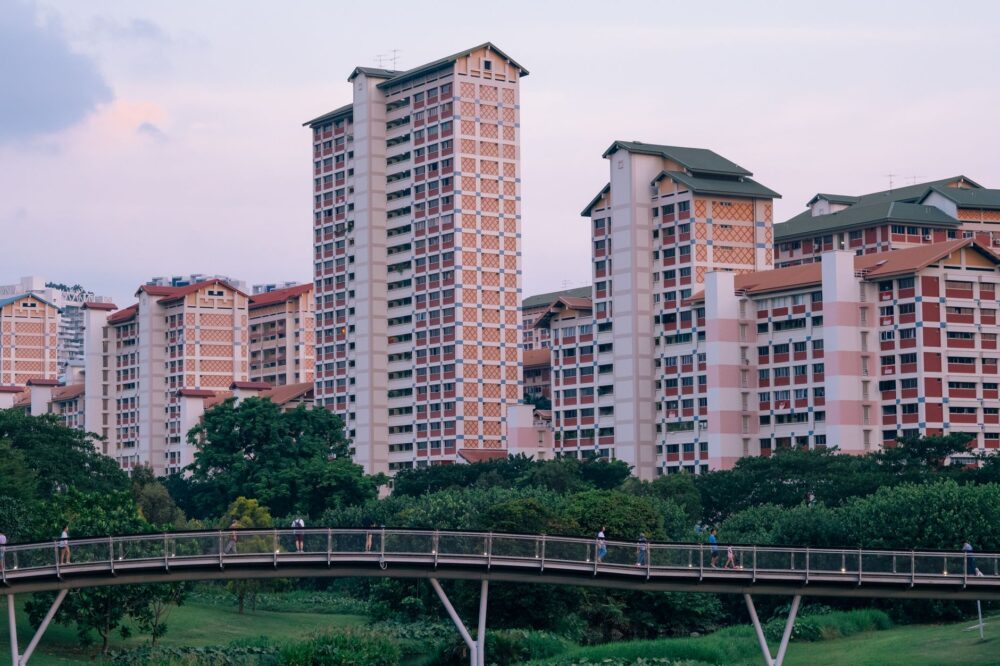
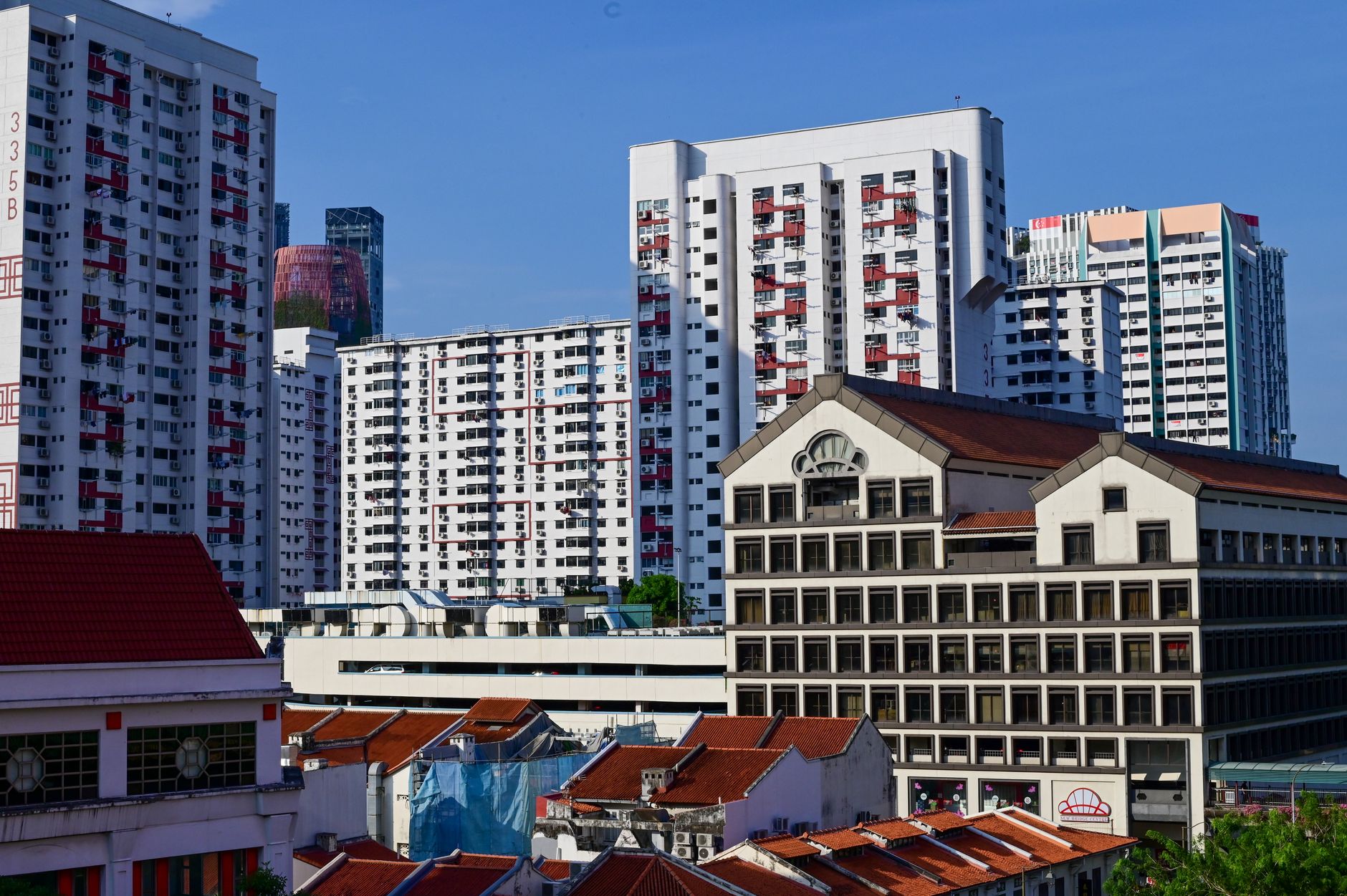
Walking through its streets reveals how residential architecture responds to criteria of functionality and livability. High-rise buildings, mostly managed by Singapore’s Housing and Development Board, are designed to maximize natural ventilation—a fundamental aspect of the country’s equatorial climate. Between these blocks, covered walkways and open porticoes act as extensions of the homes, hosting neighborhood gatherings, small local shops, and food markets that reflect the multicultural diversity of Singaporean society.
The integration of these architectural elements demonstrates a clear vocation for collective welfare. The transitional spaces between interior and exterior foster a microclimate of neighborhood where human relations are strengthened naturally. Far from constituting mere residential aggregates, the housing estates of Jurong Town have been conceived from their origins as complete social ecosystems, where habitability transcends the walls of the flats themselves to take over the surrounding passages and squares.
The Daily Pulse in Community Spaces
Daily life in Jurong Town moves at a measured yet steady pace. Public squares and neighborhood parks act as the true social heart of the district. From the early morning hours, when tropical light begins to dispel the morning mist, residents are regularly seen practicing stretching exercises and tai chi in green spaces or sharing a traditional breakfast at hawker centers.
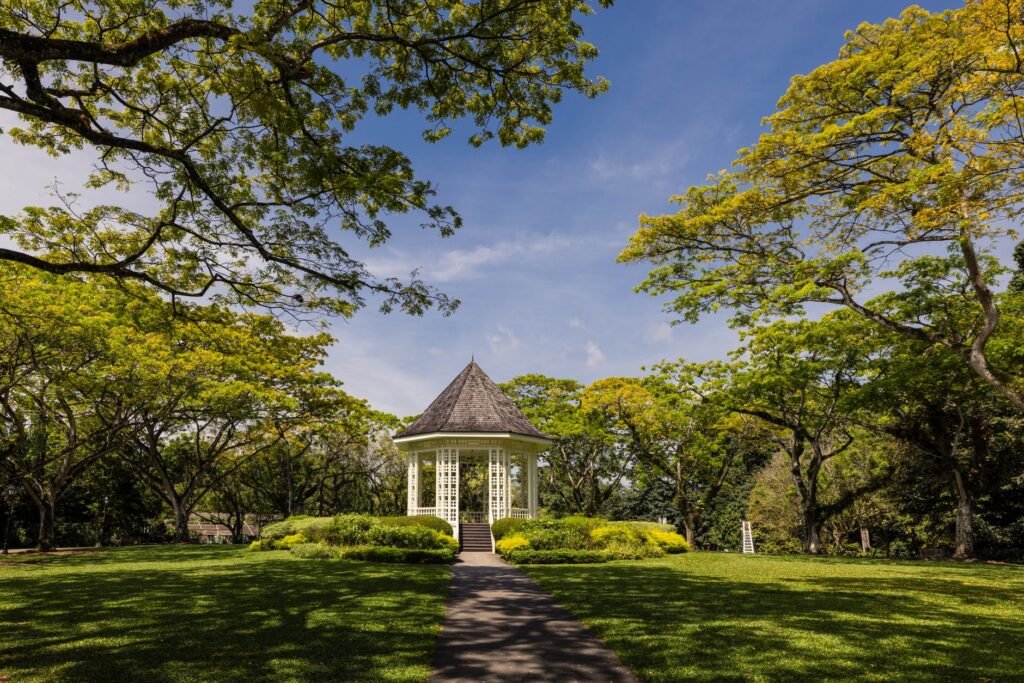
These food centers are much more than mere supply points; they represent a living cultural heritage where Chinese, Malay, Indian, and Eurasian culinary traditions converge. The layout of these spaces encourages social interaction without distinction of origin, consolidating coexistence based on mutual respect and integration. The shared table thus becomes a barometer of social cohesion, a value that Singaporean urban planning has deliberately cultivated over recent decades.
The intangible richness of these daily routines lies in their capacity to keep alive the customs of the various communities that make up the country. By sitting down to share a traditional dish, neighbors exchange stories, establish ties of mutual support, and transmit to new generations a sense of belonging that transcends cultural differences, consolidating a truly inclusive social fabric.
Integrated Nature and Landscape Design
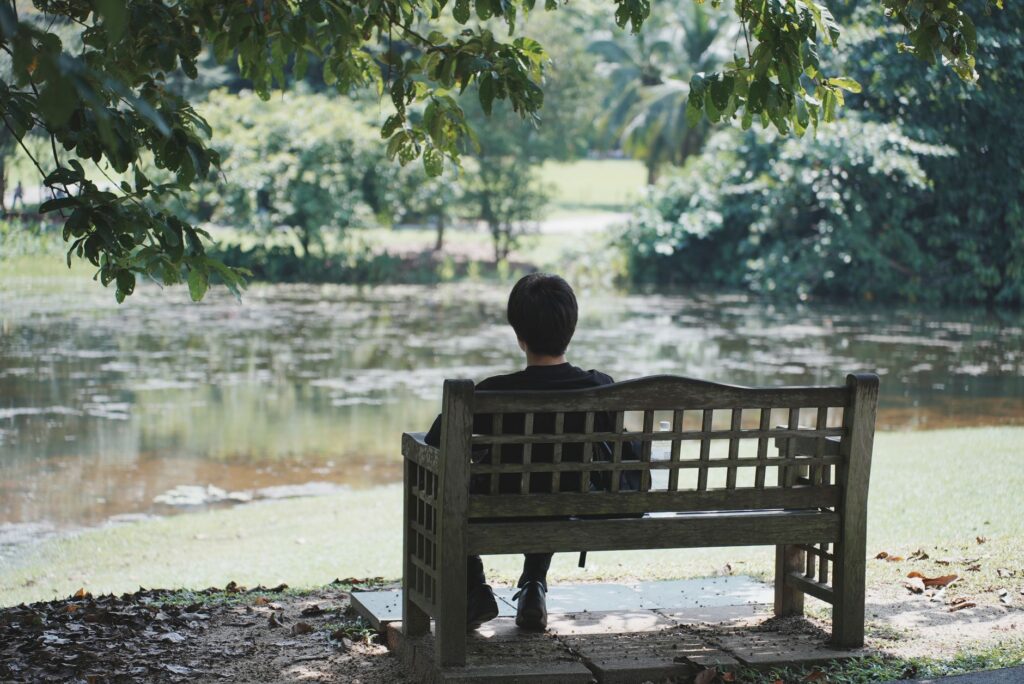
One of the most notable aspects of Jurong Town’s urban evolution is its firm commitment to incorporating nature into the built environment. Local parks are not merely ornamental decorations, but ecological corridors connecting different sectors of the district, allowing native flora to thrive amid urban density. Artificial ponds, converted into wetlands and water reserves, attract numerous bird species and offer inhabitants visual relief from asphalt.
Landscape design prioritizes accessibility and pedestrian well-being. Elevated pedestrian paths and shaded walkways connect public transport stations with residential complexes, facilitating foot mobility and reducing dependence on private vehicles. This attention to detail on a human scale demonstrates how large-scale planning can harmoniously coexist with the everyday needs of the average citizen.
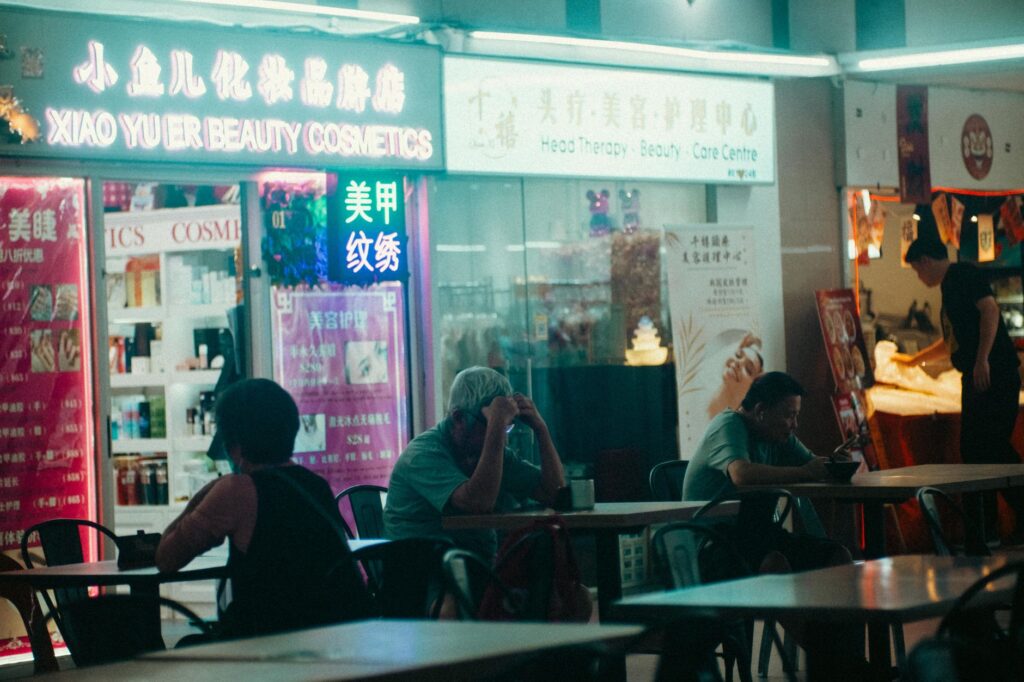
The careful selection of native plant species in parks and slopes contributes to local biodiversity, creating microhabitats that effectively withstand the demands of the tropical climate. This commitment to green infrastructure not only beautifies the urban landscape, but actively improves air quality and reduces the urban heat island effect in the district.
Industrial Heritage and Worker Memory
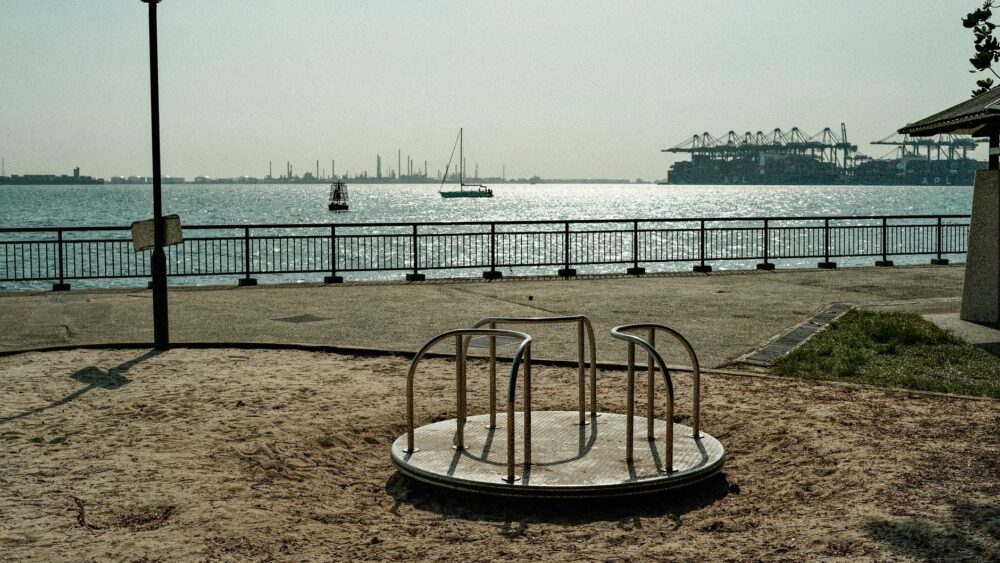
The development of Jurong Town is inextricably linked to Singapore’s economic takeoff following its independence. What were once swamps and mangroves were transformed, through major civil engineering and land reclamation works, into the nation’s primary industrial engine. Today, although much of that heavy activity has relocated or modernized, the district retains in its toponymy and the memory of its veteran residents the pride of having laid the foundations of the country’s modern economy.
Former industrial zones have given way to research centers, clean-tech parks, and mixed-use zones that reinterpret the working-class past from a contemporary perspective. This transition toward economic and environmental sustainability is perceived in the conversion of industrial warehouses into cultural spaces and design workshops, where new generations explore artistic forms of expression rooted in local history.
This constant dialogue between the factory past and technological innovation gives the place an unmistakable personality. The traces of its foundational stage intertwine with the demands of the present, reminding every visitor that current prosperity rests upon the collective effort of thousands of workers who transformed the original geographical landscape.
Local Commerce as Social Fabric
Unlike the large enclosed and air-conditioned shopping malls proliferating in other parts of the island, the wet markets and traditional shops of Jurong Town retain a markedly human character. In these establishments, direct interaction between merchants and customers fosters a sense of belonging that transcends simple commercial transactions. Local shopkeepers often act as informal neighborhood chroniclers, keeping collective memory alive through everyday anecdotes and conversations.
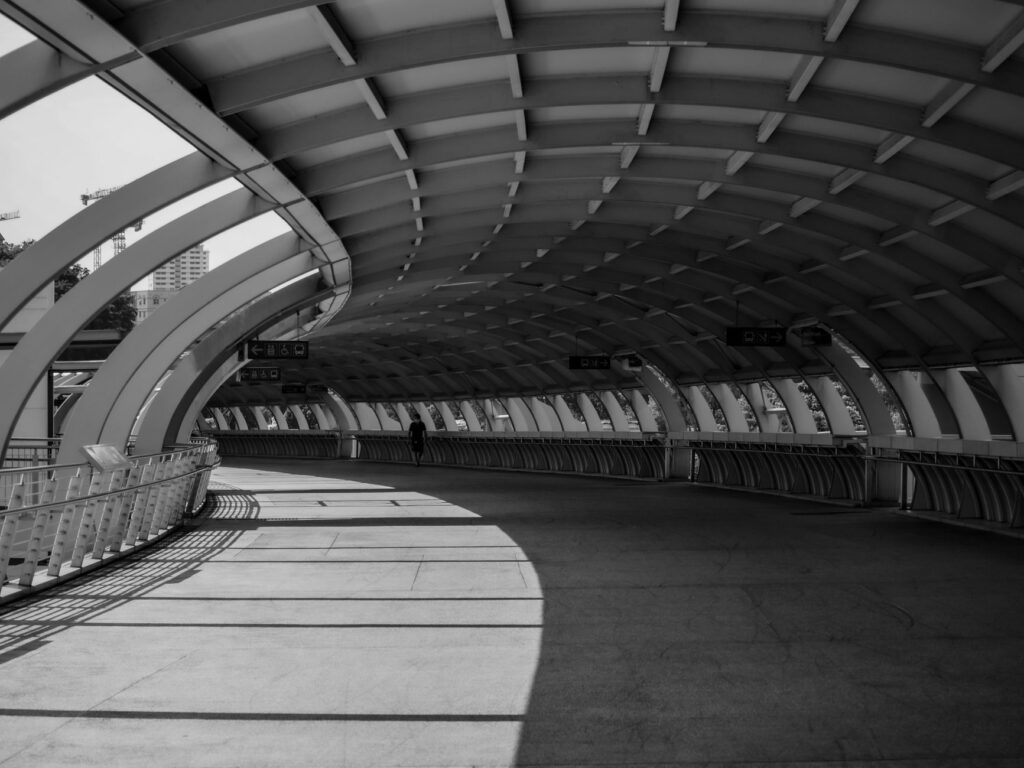
This neighborhood commerce survives thanks to the constant support of residents, who value product freshness and service proximity over the uniformity of large distribution chains. Traditional retail fabric sustains street vitality, ensuring sidewalks remain spaces for intergenerational encounters rather than mere transit routes.
The survival of these small businesses reinforces the economic resilience of the community and ensures that neighborhood identity is not diluted in the face of global homogenization. Shopping at the local market is, at the same time, an act of cultural preservation and direct support for the family economy of the residents.
Sustainability and Responsible Visitor Choices
For travelers choosing to explore Jurong Town beyond conventional routes, respect for local coexistence rules is essential. Efficient use of public transport—such as the metro system and bus network—allows visitors to access the district cleanly and orderly. Visitors are expected to maintain civic cleanliness standards and follow local water and energy conservation guidelines, which form part of Singapore’s collective consciousness.
Similarly, a respectful approach to community spaces, temples, and markets ensures tourist presence does not disrupt the delicate balance of neighborhood life. Supporting small local businesses and dining at traditional food centers directly benefit the resident community’s economy, promoting balanced and conscious tourism.
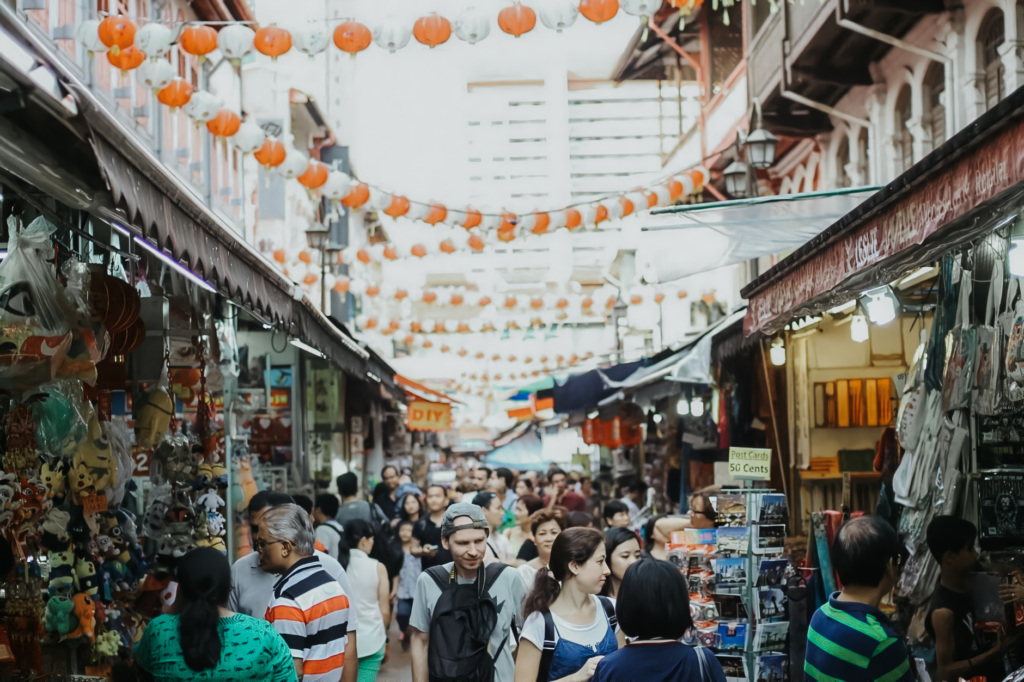
Adopting a receptive and observant attitude allows for a better understanding of daily dynamics without interfering in them. The traveler’s responsibility in this environment involves minimizing their ecological footprint, disposing of waste in designated points, and showing consideration for the shared spaces that residents zealously care for every day.
Practical guide
How to get there: Jurong Town is seamlessly connected to central Singapore via the Mass Rapid Transit (East-West and Downtown lines) and numerous regular bus routes.
When to visit: The climate is tropical year-round, with stable temperatures and high humidity. Early mornings and late afternoons are the most pleasant times to explore public spaces on foot.
Where to eat: Local hawker centers located next to major residential complexes offer a wide variety of traditional dishes at affordable prices.
Mobility tips: Purchasing a rechargeable transit card is recommended for convenient and efficient use of the metro and buses.
Final Reflection on the Human Landscape
Ultimately, Jurong Town offers an alternative and deeply human perspective of Singapore. Beyond its architectural milestones and advanced planning, the true value of this district lies in the ability of its inhabitants to weave a solid community upon diverse foundations. Walking through its parks, sharing a table at its market, or simply watching the sunset among its residential blocks reveals the essence of a place that has built its future without renouncing its memory.
The balance between modernity and tradition that is felt here demonstrates that urban development can be respectful of the environment and the people. At the end of the journey, the traveler understands that the true identity of this Singaporean corner is not found solely in its monuments or its growth figures, but in the warmth of its daily life and the firm will to live together in harmony.