
Introduction to Northern Croatia’s Pulse
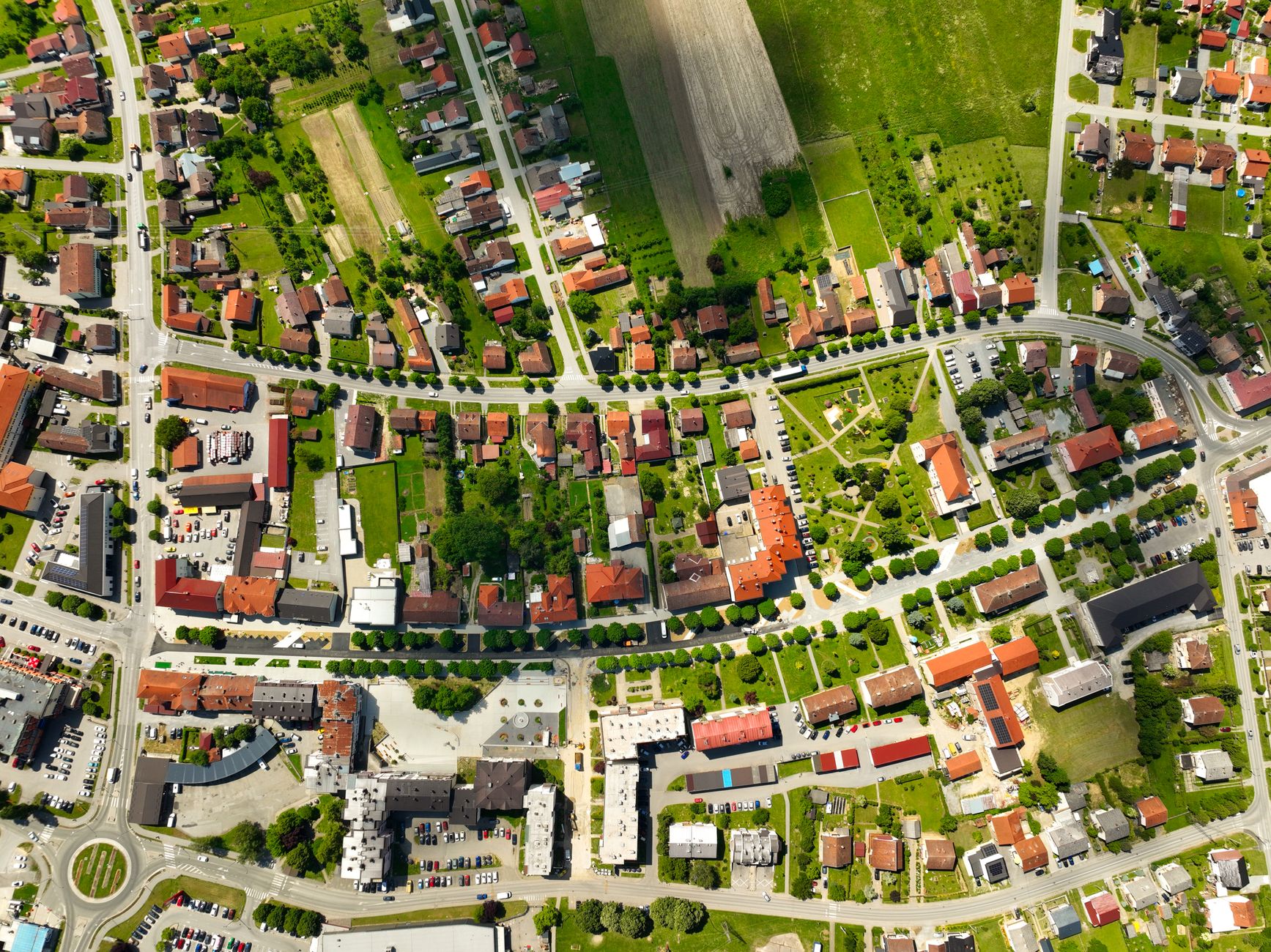
In northern Croatia, where the Pannonian plain begins to gently roll before merging with Alpine foothills, Varaždin unfolds as an exercise in urban continuity and measured memory. Located just a few kilometers from the borders with Hungary and Slovenia, this city of over thirty-six six hundred residents does not exhaust itself in postcard monuments. Instead, its identity is composed of everyday gestures: the chime of church bells marking local market routines, the steady murmur of the Drava River, and an architecture of pastel facades and reddish roofs that has weathered fires, conflicts, and the relentless passage of centuries. Far from the summer congestion of the Dalmatian coast, Varaždin offers a sanctuary where baroque history is not a museum backdrop, but the living framework of a community that has successfully preserved its human scale.
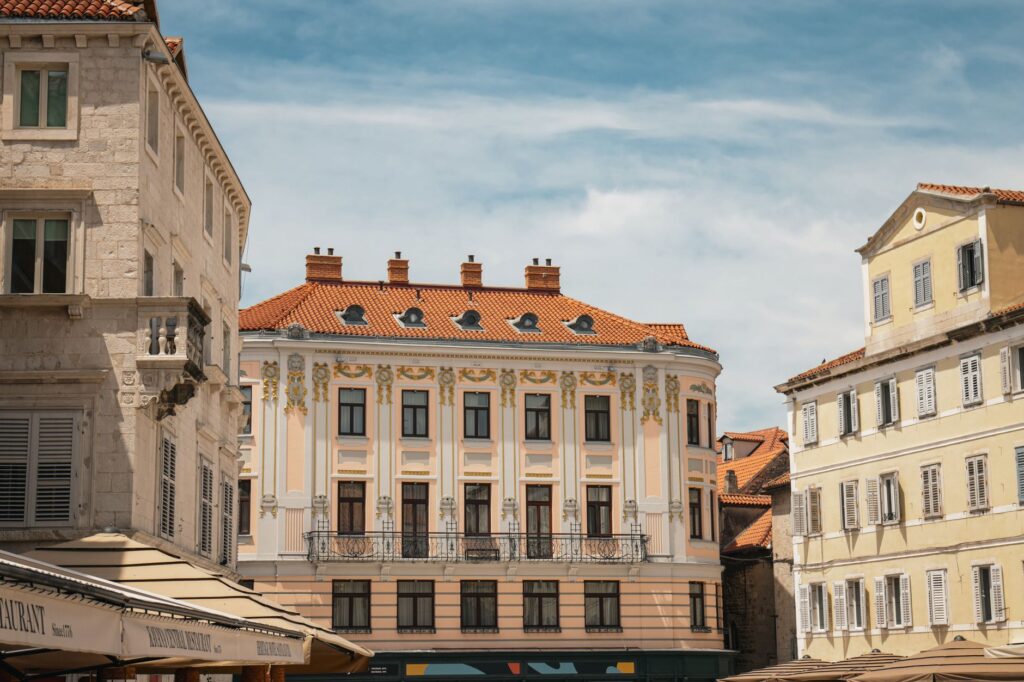
Walking through its historic core requires a disposition different from that of the hurried traveler. Here, pedestrian streets invite observation of courtyard details, interior gardens where hydrangeas bloom, and the care with which residents maintain their flower-laden balconies. The city experienced its golden age in the late eighteenth century, when it briefly served as the kingdom’s capital before a devastating fire in 1776 forced the administration back to Zagreb. That urban tragedy, paradoxically, preserved a homogeneous architectural style that defines its character today: a harmonious ensemble of rococo and bourgeois palaces built by local stonemasons using regional stone and sun-baked brick.
The Fortress and the Water: From Defense to Public Park
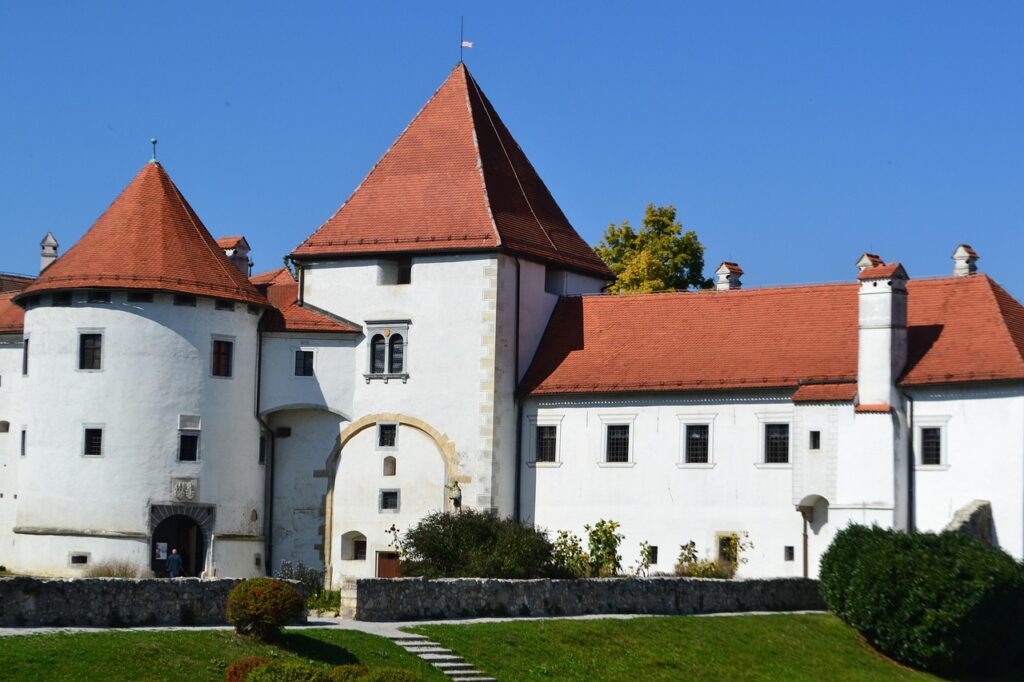
The city’s defensive core, popularly known as Stari Grad or the Old Castle, dominates the northwestern edge of the historic center with its white battlements and pointed roofs. Surrounded by a moat of tranquil water where mallards frequently swim, this fortified complex now houses the municipal museum. Beyond its collections of historical weaponry, guild artifacts, and period furniture, the true value of Stari Grad lies in its integration into daily life. Varaždin residents cross its pedestrian bridges on their way to work or to stroll beneath the shade of century-old chestnut trees that populate the dry moats now converted into landscaped walkways.
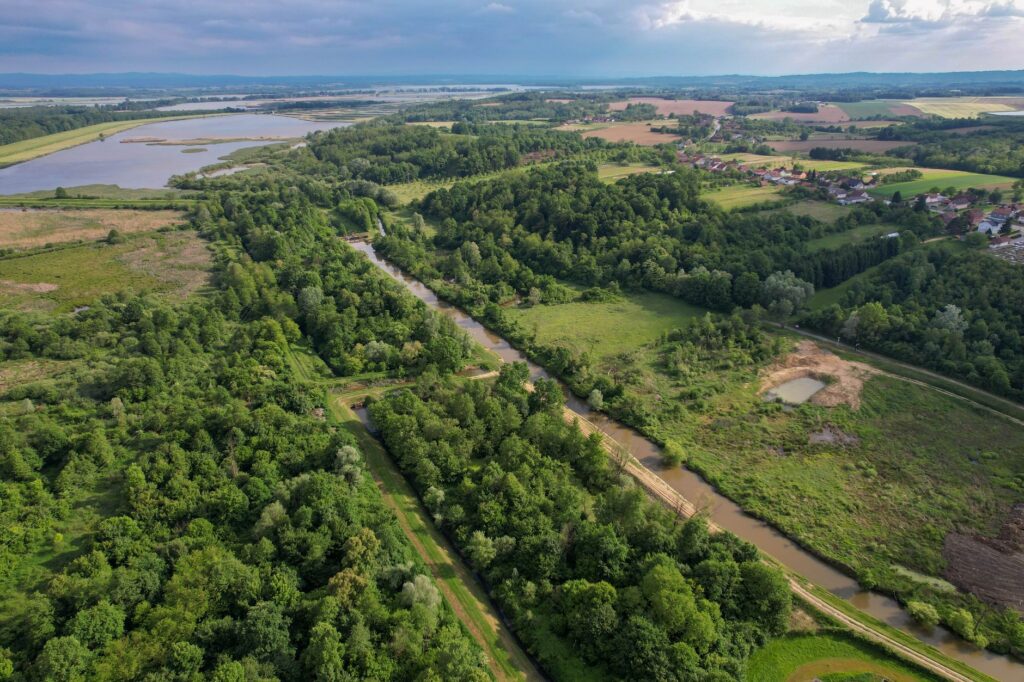
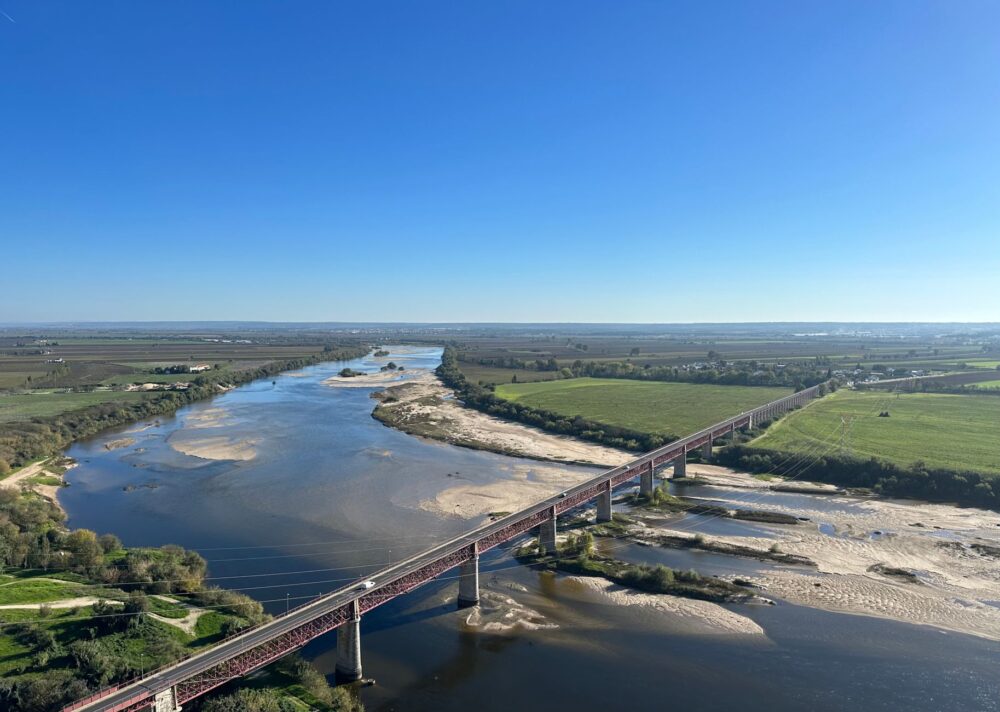
The relationship between the city and its natural surroundings is mediated by water. The Drava River, flowing north of the urban core, has shaped the region’s economy and recreation for generations. Unlike other over-channeled European waterways, the Drava retains a dynamic character, flanked by alluvial forests and sandy riverbanks that locals frequent during warm weekends. Along the shores, traditional fishing practices coexist with cycling routes that penetrate the Varaždin natural park, demonstrating that environmental conservation is an intrinsic part of local identity.
The architectural heritage of Varaždin does not belong to art history textbooks; it belongs to those who open their windows every morning and sweep the fallen leaves of the ancient linden trees.
Music as the Spine of Public Space
If stone defines Varaždin’s physical structure, music provides its invisible pulse. Throughout the year, and with particular intensity during the warmer months, the city fills with chords originating from both formal conservatories and street musicians stationed on the corners of Franje Tuđmana Square. Local musical tradition has deep roots in past centuries, when aristocratic families funded private chapels and cathedral choirs. Today, this heritage manifests in international wind festivals and choral gatherings that transform interior courtyards into acoustic resonance chambers.
The most palpable example of this sonic vocation is the Špancirfest, which each late summer turns the urban layout into an open-air stage combining puppet theater, contemporary art installations, and folk and classical concerts. During those days, the city multiplies its population while maintaining exemplary civic order. Neighbors open their entryways to offer homemade lemonades or traditional pastries, and public squares become intergenerational meeting points where grandparents teach children folk songs from the Međimurje region.
The Central Market: The Geography of Local Flavors
No approach to Varaždin’s daily life would be complete without stopping at its central market, known locally as plac. Situated just steps from the historic walls, this semi-covered outdoor enclosure is the city’s true social thermometer. From early dawn, farmers from surrounding villages display their produce on wooden tables: elongated pumpkins for seed oil production, fresh farm cheeses wrapped in cheesecloth, piles of shelled walnuts, and freshly cut herbs.
The gastronomy of this part of Croatia draws on Central European influences, blending Slavic tradition with Hungarian and Austrian nuances. Hearty dishes like štrukli—a baked or boiled pastry filled with cottage cheese—or warm soups made with garden vegetables are the norm in modest downtown eateries. Local restaurateurs and market vendors maintain a continuous dialogue based on seasonality; the goal here is not imported exoticism, but the excellence of local produce that respects the Pannonian earth’s cycles.
Guild Craftsmanship and Neighborhood Commerce
While many European cities have seen their historic centers transformed into theme parks of international franchises, Varaždin has resisted with notable firmness thanks to its network of traditional small shops. On streets like Korzo or Gajeva, it is still possible to find hat-making workshops, family-run watchmakers with decades of history, and independent bookstores that smell of old paper and fresh ink. These establishments are not mere commercial relics, but active agents of neighborhood social cohesion.
Local artisans have successfully adapted their offerings to the demands of responsible visitors without losing authenticity. Fine cabinetry, hand-embroidered regional costumes, and utilitarian ceramics continue to maintain a solid local market. When visitors purchase a piece from these workshops, they not only acquire a decorative object but directly contribute to the survival of trades requiring years of apprenticeship and a dedication that escapes mass industrial production.
The Monumental Cemetery: A Garden of Silence and Memory
Scarcely a kilometer from the bustling commercial center lies one of Croatia’s most unique and beautiful enclaves: the monumental cemetery of Varaždin. Designed in the early twentieth century by landscape architect Herman Haller, this burial ground was deliberately conceived as a botanical park where nature and commemorative architecture converse in perfect harmony. Rows of imposing thujas, trimmed with geometric precision, create green corridors that invite contemplation and silent walking.
Far from the gloomy atmosphere usually associated with such spaces, Varaždin’s cemetery is a gathering place for residents seeking tranquility, reading, or simply a moment of pause beneath the canopy of maples and birches. Sculpted stone gravestones, some signed by prominent period sculptors, integrate naturally into the plant landscape. This urban approach to memory spaces reflects a collective sensitivity that values the balance between life and rest, making the site an essential heritage landmark for understanding the city’s civic ethos.
Caring for the urban environment and preserving the silence of green spaces is the most honest way a community can bequeath its history to the future.
Practical guide
How to get there: Varaždin is well connected by road with Zagreb, the Croatian capital, located about eighty kilometers to the south. Regular daily bus services cover the journey in approximately one hour and a half. It is also accessible by train, though rail connections from other regions may require transfers.
When to go: The spring months (May to June) and early autumn (September) offer mild temperatures ideal for exploring the city on foot or by bicycle. The cultural peak is the Špancirfest festival held in late August, though advance accommodation planning is recommended.
Where to stay: The historic center features small boutique hotels housed in restored mansions and holiday apartments managed by local families. Staying within or very close to the pedestrian zone is recommended to enjoy the morning atmosphere.
Recommended gastronomy: Be sure to try local štrukli, dishes prepared with pumpkin, and the white wines of the Zagorje region, characterized by their freshness and balanced acidity.
Code of conduct: Varaždin is a quiet and respectful city. Maintaining a moderate tone of voice in public spaces and using recycling bins provided in squares and main streets is appreciated.
Sustainability and Future in the Drava Valley
The challenge facing Varaždin in the twenty-first century does not substantially differ from that of other historic European enclaves: balancing tourist influx with the preservation of residents’ quality of life. Fortunately, municipal policies and civic awareness have opted for a development model based on sustainable mobility—featuring an expanding bicycle lane network and traffic restrictions in the old town—and the strict protection of architectural and natural heritage.
For travelers arriving in Varaždin today, the reward lies not in accumulating hastily photographed monuments, but in temporarily adopting a more humane pace. Sitting on a terrace in the main square to observe the coming and going of residents, walking aimlessly along the Drava river paths, or listening to the distant chime of baroque bells constitutes a regenerating travel experience. Ultimately, the city’s true value lies in its ability to remind us that the most rewarding travel is learning to listen to the measured rhythm of the community that welcomes you.