
Between Basalt and the North Atlantic
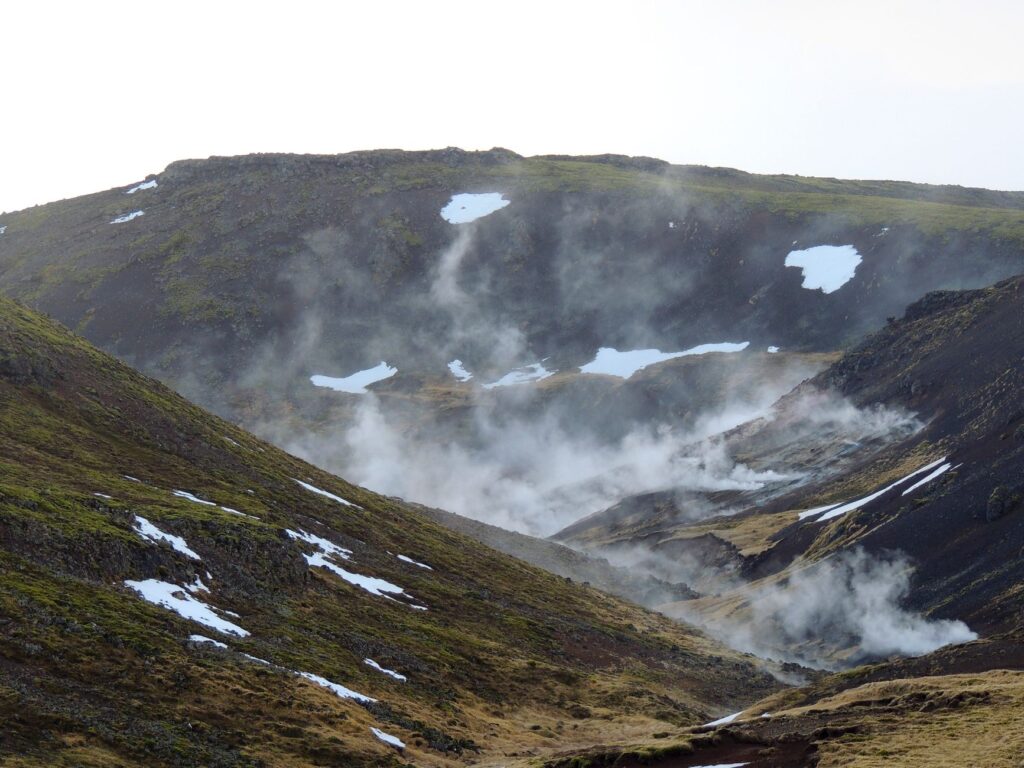
In the southwest of Iceland, the municipality of Reykjanesbær extends across a striking geography marked by hardened lava fields, the salty air of the Atlantic Ocean, and a history deeply intertwined with the sea and fishing. Far from being merely a brief transit point for travelers arriving at the nation’s primary international gateway, this municipality encompasses vibrant communities that have successfully preserved their distinct cultural identity amid the rapid transformations of contemporary tourism. Daily life here unfolds at the steady pace of the ocean tides and a shifting climate that demands a continuous, respectful relationship with the surrounding natural environment.
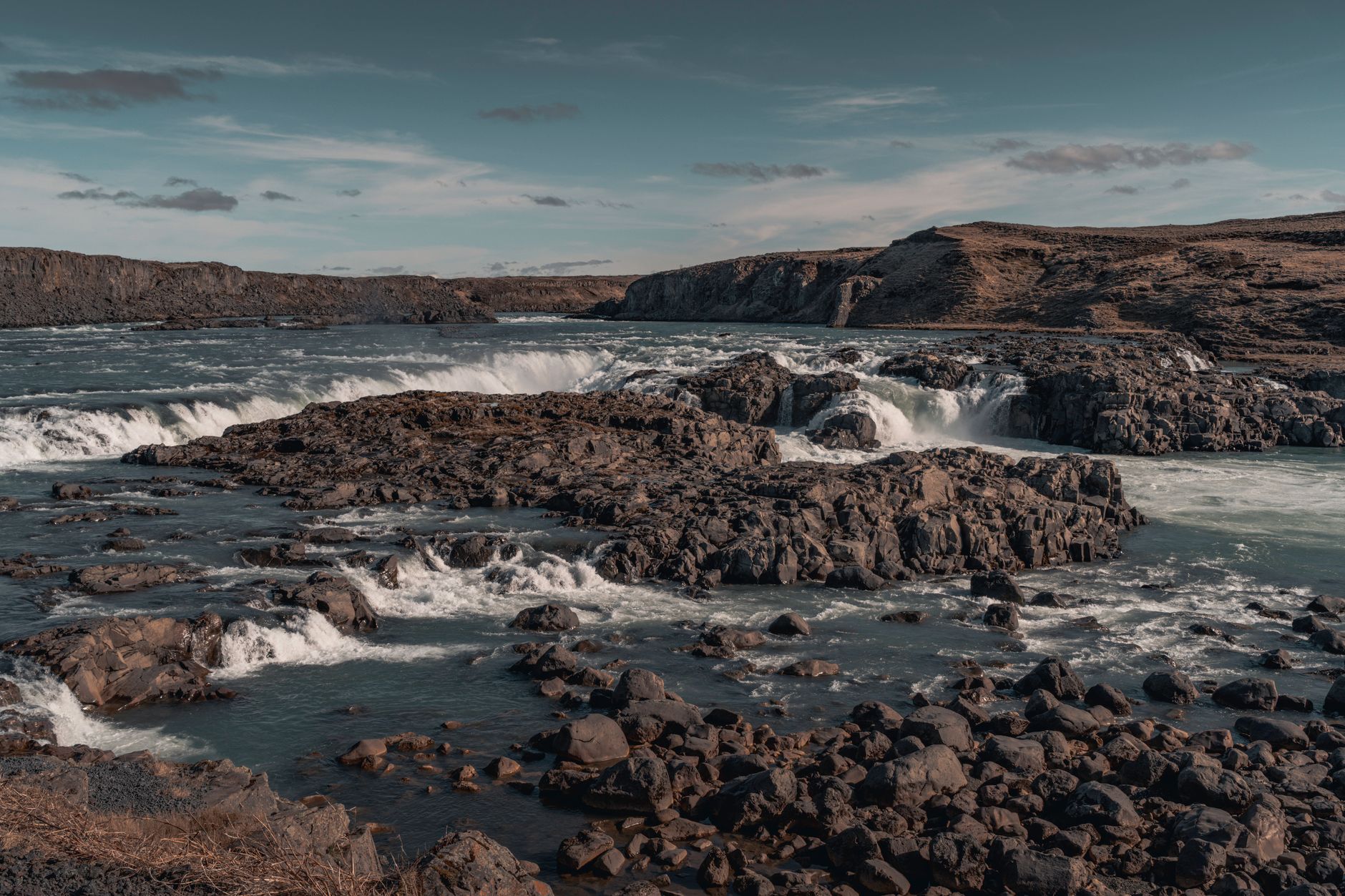
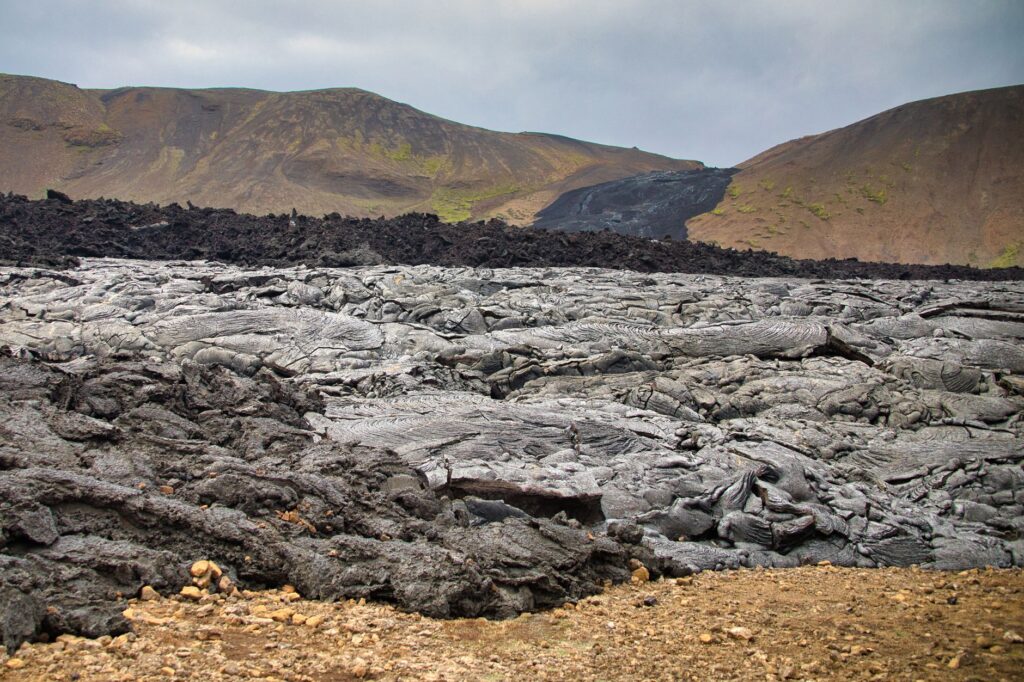
The landscape of the Reykjanes peninsula is defined by its dramatic volcanic and geothermal origins. Deep terrestrial fissures and expansive dark basalt fields serve as a permanent reminder of the immense geological forces that sculpted the island. In this setting, community decisions consistently revolve around safeguarding local heritage and pursuing a sustainable model where urban development never compromises natural resources nor erodes the time-honored customs that have supported generations of families.
The configuration of human settlements in this coastal zone reflects a rigorous historical adaptation. Early settlers learned to read the subtle signs of the sea and the sky, weaving their daily survival into a delicate balance with the raw elements. Today, current residents inherit this profound awareness of ecological limits, understanding that municipal growth must always remain subordinate to the carrying capacity of the insular ecosystem.
Maritime Memory in Daily Life
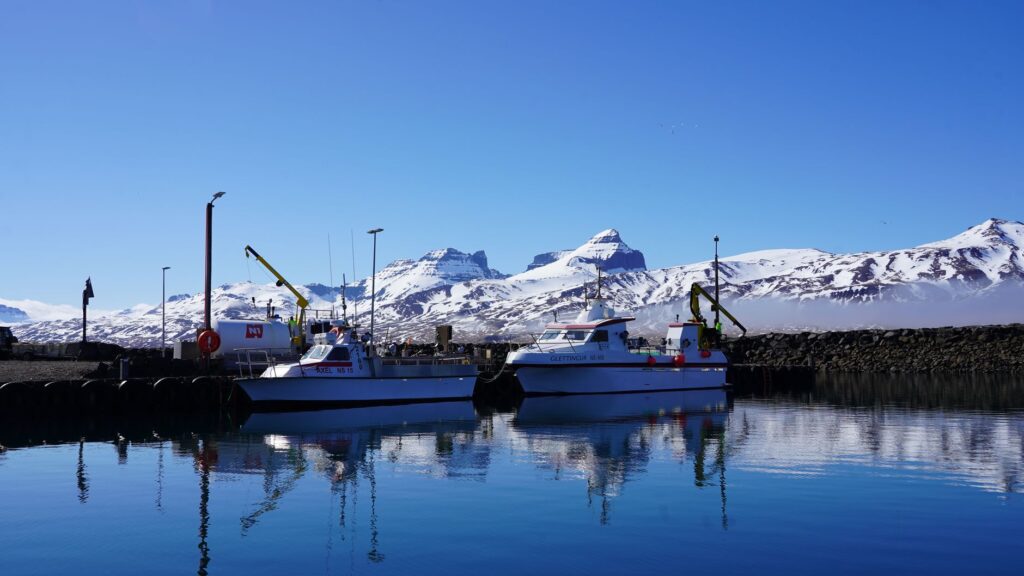
The history of Reykjanesbær cannot be fully comprehended without looking to the ocean. The ancient fishing communities that laid the foundations for the current urban centers relied entirely upon the formidable and often treacherous bravery of the open sea for their subsistence. Today, although the local economy has diversified significantly, traditional maritime culture continues to permeate every facet of daily life, from street naming conventions to a rich gastronomy anchored by fresh catches from the cold regional waters.
Local markets and intimate cultural centers act as dedicated guardians of this collective memory. Rather than accommodating massive commercial complexes tailored exclusively to foreign visitors, neighborhood commerce thrives on proximity and social cohesion. Here, residents share their living space with travelers who actively seek to understand the depth of Icelandic tradition, fostering an enriching cultural exchange built upon respectful curiosity and mutual learning.
The intergenerational transmission of coastal knowledge represents another vital, invisible pillar holding the community together. Traditional stories of navigation, ancient fish preservation techniques, and folk wisdom regarding unpredictable marine currents are frequently shared in everyday conversations, reinforcing a powerful sense of local belonging and deep territorial roots.
The true value of a coastal community is measured by its unwavering capacity to protect both the horizon that nourishes it and the collective memory that sustains it.
Architecture and Adaptation to Extreme Climates
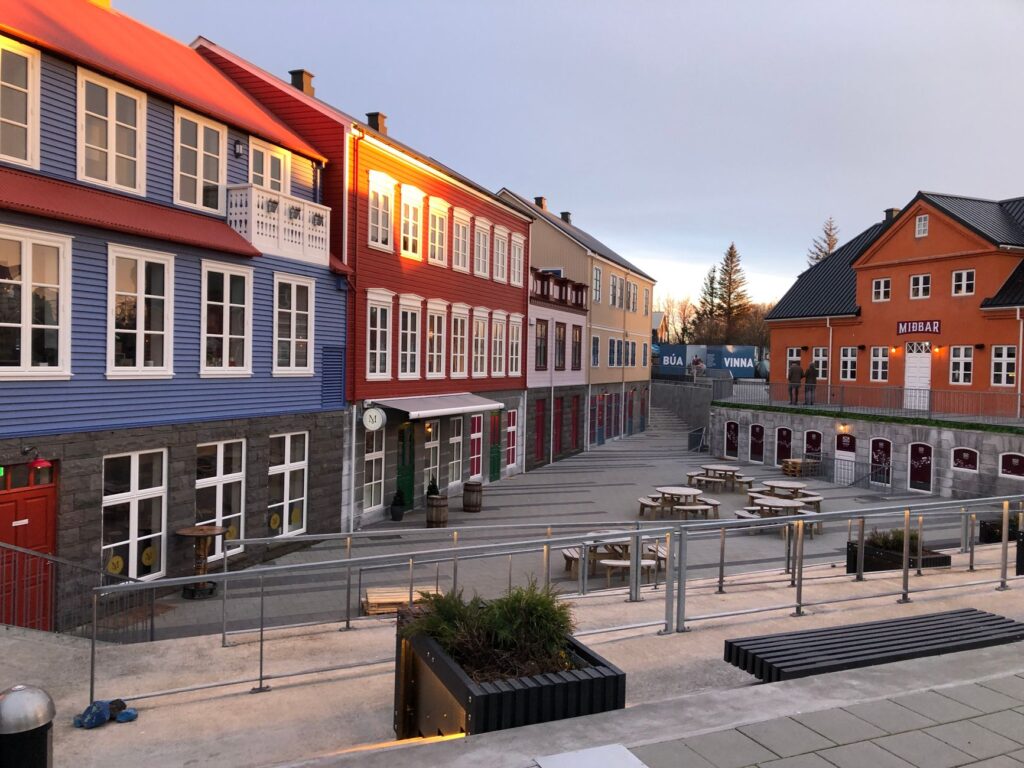
The traditional architecture of Reykjanesbær reflects a pure logic of functional survival. Residential dwellings, engineered to withstand fierce winter gales and frequent heavy snowfalls, skillfully combine modern materials with centuries-old construction techniques perfected across northern Europe. Steep pitched roofs, sober color palettes that harmonize with dark volcanic stone, and the carefully sheltered layout of local neighborhoods all point toward an urban planning philosophy rooted in collective well-being.
Efficient energy utilization stands as another foundational pillar of local municipal management. Thanks to the close proximity of abundant geothermal resources, homes and public buildings directly harness this natural energy, significantly lowering their environmental footprint and demonstrating a practical pathway toward energy sustainability that neighboring regions observe with great interest.
Furthermore, the thoughtful integration of buildings into the undulating volcanic topography prevents unnecessary disruption to the terrain. Streets and public squares are carefully mapped out to follow the natural contours of the basalt rock, proving that human habitation can coexist harmoniously with pre-existing geological formations.
Geological Heritage and Environmental Protection
The territory surrounding Reykjanesbær forms an integral part of an expansive geopark internationally recognized for its outstanding scientific and scenic value. Designated walking trails allow visitors to explore dramatic craters, delicate moss-covered fields, and unique rock formations without trampling the fragile flora that often takes decades to recover from human footprints. Local authorities and active neighborhood associations collaborate closely to regulate visitor access to the most ecologically sensitive zones, establishing clear regulations that consistently prioritize conservation over mass tourism.
This conscientious environmental stewardship translates into an enriching visitor experience that honors unhurried observation. Rather than fast-paced, closed tourist circuits, the landscape invites attentive walking, quiet contemplation before towering columnar basalt formations, and a deeper comprehension of the natural cycles governing life at this latitude.
The crucial protection of fragile moss carpets, which are essential for water retention and the structural stability of volcanic soil, is actively communicated to everyone exploring the municipality. Environmental education thus emerges as an indispensable tool for preventing soil erosion and preserving the pristine integrity of the landscape.
Culture as a Community Meeting Point
Cultural life in Reykjanesbær draws deeply from both its ancestral past and vibrant contemporary expressions. Local museums, dedicated to maritime history and the civil aviation milestones that shaped the region during the twentieth century, offer a broad perspective on how this remote corner of Iceland connected with the wider world. Nevertheless, it is grassroots artistic initiatives, local artisan workshops, and community celebrations that truly infuse public spaces with daily vitality.
Workshops specializing in wool processing, ceramics, and woodwork keep traditional crafts alive while adapting them to modern aesthetics and practical needs. Visitors gain access to these creative spaces not merely as passive spectators, but as active participants in an ongoing conversation concerning the importance of preserving skilled artisan hands in a world increasingly dominated by mass production.
Municipal libraries and civic centers function as open democratic forums where citizens discuss subjects of general interest, ranging from ecological transitions to the preservation of local dialects and popular folklore unique to the peninsula.
Flavors of the Atlantic and Local Produce
The gastronomy of Reykjanesbær reflects both historical scarcity and the abundant marine wealth of its surrounding waters. Traditional dishes, based on fresh seafood, edible seaweeds, and tender lamb raised in nearby valleys, are prepared using culinary techniques that highlight natural flavors without unnecessary artifices. Regional restaurants actively partner with local fishing and agricultural cooperatives, ensuring that every served ingredient tells a genuine story of origin and full traceability.
This thoughtful culinary approach not only bolsters the local economy but also educates visitors on the significance of responsible consumption. By respecting the strict seasonality of ingredients, restaurant menus shift in harmony with nature, delivering an authentic dining experience perfectly aligned with the ecological limits of an island territory.
The comprehensive utilization of daily catches and the revival of recipes inherited from past generations actively minimize food waste, consolidating a sustainable value chain where cooking becomes a profound act of respect toward the marine ecosystem.
Practical Guide
How to get there: Keflavík International Airport is situated directly within the municipality of Reykjanesbær, positioning the locality as the natural arrival gateway to Iceland for the vast majority of international travelers.
When to visit: The summer months from June through August offer extended daylight hours and complete accessibility to natural hiking trails. The winter season spanning November to February provides snowy landscapes and optimal conditions for witnessing the northern lights, though it requires heightened caution during travel.
Responsible mobility: Travelers are strongly encouraged to utilize public transit options for urban journeys or hire authorized local guides when exploring protected natural reserves.
Accommodation: A diverse range of lodging options managed by local residents is available, spanning cozy guesthouses to apartments that actively champion sustainable tourism and neighborhood respect.
The Shared Horizon of the Peninsula
Reflecting upon Reykjanesbær requires acknowledging the daily dedication of a resilient community that has successfully transformed geographic isolation into a rich cultural strength. Amid rising geothermal steam and the boundless expanse of the Atlantic Ocean, this corner of Iceland proves that inhabiting extreme territories without sacrificing personal identity or future responsibility is entirely possible.
Every traveler who reaches these shores soon understands that the true value of the journey lies not in accumulating visited landmarks, but in cultivating attentive listening and deep respect for local rhythms. As visitors bid farewell to the peninsula with their gaze fixed on the basalt horizon, they carry away the certain knowledge that places cherishing their own history are those that endure through time.