Lancy, Switzerland: Realistic Preparation, Trails, and Environmental Respect in the Canton of Geneva
Located in the heart of the canton of Geneva, Switzerland, the municipality of Lancy offers much more than a seamless transition between urban life and open spaces. With an average altitude of around 421 metres above sea level, this alpine and pre-alpine enclave presents an exceptional starting point for those seeking to understand Swiss geography on foot. Far from the four-thousand-metre peaks that dominate other regions of the country, Lancy proposes accessible yet demanding hiking that requires consistency, where the walker must read the landscape with attention and respect.
The environment combines established residential areas with riverbanks, well-preserved parks, and a network of rural paths connecting with neighboring municipalities. Planning a route in this sector of Switzerland does not require high-mountain equipment, but it does demand a rigorous evaluation of local weather conditions, daylight hours, and municipal regulations on the use of public and natural spaces. Preparation begins long before lacing up boots; it involves studying available cartography, understanding the influence of alpine winds, and assuming a strict commitment to environmental conservation.
The geographical layout of the territory allows for diverse paths that meander through green spaces and urban sectors without losing the connection to nature. Each trail is carefully designed to accommodate different levels of physical endurance, making it a versatile destination for both casual walkers and seasoned outdoor enthusiasts. Furthermore, the harmonious integration of natural paths with local architecture provides an evolving backdrop that constantly reminds visitors of the delicate balance between human habitation and ecological preservation.
Climatology and Seasonality in the Geneva Countryside
The climate in Lancy is shaped by the relative moderation provided by surrounding lakes and valleys, though proximity to the Alps introduces rapid changes in atmospheric conditions. During spring and summer months, hikers enjoy bright days with fresh mornings and pleasant daytime temperatures that rarely exceed extreme thresholds, although afternoon thunderstorms are frequent. In autumn, morning fog often covers the fields and riverbanks, reducing visibility and requiring the use of reflective clothing and non-slip footwear.

Winter, meanwhile, completely transforms the experience of walking through the canton. Nighttime frosts and occasional light snowfalls turn dirt trails into slippery surfaces that demand trekking poles and constant attention to every step. Realistic planning at this time of year requires shortening walking days because the sun sets early, limiting effective daylight hours. Knowing these seasonal cycles prevents unforeseen events and ensures that the hike stays within the safety margins recommended by Swiss hiking authorities.
Transitioning from one season to another brings distinct visual and sensory changes to the landscape. Spring awakens vibrant flora and revitalizes watercourses, while summer offers extended hours of daylight for deeper exploration of remote corners. Autumn paints the foliage in rich copper and golden hues, creating a contemplative atmosphere ideal for reflective strolls. Understanding these shifts helps hikers anticipate the specific gear and mindset required for each time of year, ensuring a rewarding and safe outdoor journey across the Swiss terrain.
Physical Preparation and Appropriate Equipment
Although elevation changes in Lancy are moderate compared to alpine giants, walking several kilometers over mixed surfaces of asphalt, gravel, and earth demands basic physical fitness. Excursionists must train aerobic endurance beforehand through prolonged urban walks and lower limb strengthening exercises. Lower body muscles and core stability are essential to prevent joint injuries when descending gentle slopes or navigating uneven terrain.
Equipment must be selected under the principles of versatility and lightness. A medium-capacity backpack is sufficient to carry a breathable waterproof jacket, lightweight thermal layers, adequate water, and a basic first-aid kit. Low or mid-cut hiking boots, preferably with a waterproof membrane, protect ankles without sacrificing agility. Carrying an updated topographic map or an offline navigation application is just as important as carrying enough hydration, as mobile phone signal can fluctuate in wooded stretches or river hollows.
Physical conditioning should also incorporate balance and flexibility routines, which help the body adapt swiftly to shifting ground conditions and unexpected obstacles along the path. Conditioning ankles, calves, and the core significantly reduces fatigue during longer excursions. Selecting moisture-wicking fabrics for clothing and packing blister care essentials further enhances comfort, allowing hikers to maintain a steady, enjoyable pace from the beginning of the route to the final destination.

Regulations, Access, and Leave No Trace Principles
Switzerland is a global benchmark in sustainable land management and nature conservation. In Lancy, every trail is regulated by strict rules designed to protect local flora, wildlife, and farmers’ private property. It is strictly forbidden to stray from marked paths, litter of any kind—including organic waste—or light fires outside of designated areas authorized by the local council.
Access to the trail network is extremely straightforward thanks to the efficient public transport infrastructure of the canton of Geneva, allowing visitors to dispense with private cars and reduce the excursion’s carbon footprint.
True walking adventure does not consist in conquering an unknown territory, but in traversing it leaving a footprint so imperceptible that nature barely notices our passage.
This low-impact philosophy translates into very specific daily actions: closing meadow gates after use to prevent livestock from escaping, respecting wildlife resting periods at dusk, and modulating voice volume during the trek.
Adhering to these principles ensures that the natural beauty and ecological integrity of the region remain intact for future generations of outdoor enthusiasts. Respecting private property signs, avoiding the disturbance of grazing animals, and packing out every piece of trash are fundamental duties of every responsible visitor. By embracing these core values, hikers contribute directly to the ongoing preservation of Switzerland’s invaluable natural heritage and foster a harmonious relationship between recreational users and local landowners.
Historical and Cultural Heritage Tied to Walking
Walking through Lancy is also an exercise in historical reading. The territory retains vestiges of its agricultural past and subsequent transformation into a residential area integrated within the Geneva metropolitan area. Along the routes, it is possible to identify old rural houses, stone bridges crossing small watercourses, and crossroads that for centuries served as points of commercial and social exchange between local communities.
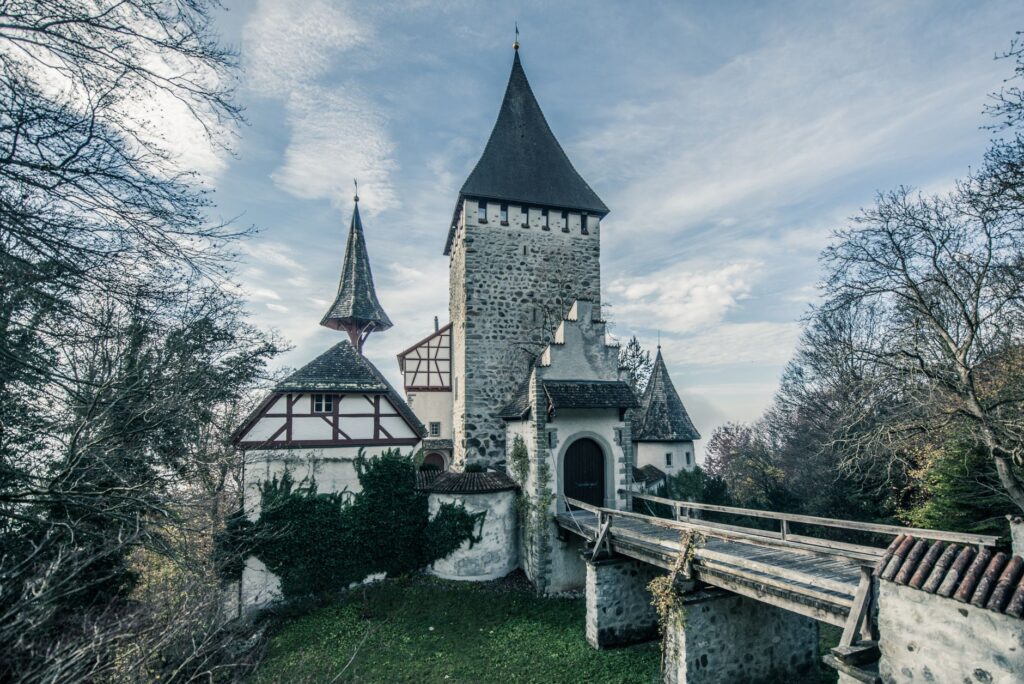
The preservation of this architectural and scenic heritage depends largely on the respect visitors show toward traditional elements. Local authorities promote marked thematic routes that allow walkers to learn about the geological and human history of the municipality without altering the daily rhythm of its residents. Understanding the cultural context of a place enriches the hiker’s experience and transforms a simple physical walk into an act of intellectual and human discovery.
These historical touchpoints offer a fascinating window into how past generations interacted with the local geography, shaping fields, water management systems, and pathways to suit their daily livelihoods. Engaging with these cultural markers deepens our appreciation of the landscape, turning an ordinary recreational outing into an educational journey through time. Recognizing the roots of the community highlights the enduring connection between the land and the people who have inhabited it for centuries.
Safety First: Prevention and Emergencies
Safety in mid-mountain and peri-urban hiking requires a vigilant attitude. In Lancy, although the risk of extreme isolation is low due to proximity to urban centers, minor accidents, disorientation, or sudden temperature changes can occur. It is vital to consult local weather bulletins before starting the march and to inform a family member or acquaintance of the planned itinerary and estimated return time.
In case of emergency, the Swiss rescue system operates with exemplary efficiency, but it requires the excursionist to communicate their exact location using coordinates or clear geographical references. Keeping the phone fully charged, carrying a backup power bank, and packing a small emergency blanket can make the difference between a minor anecdote and a risky situation. Self-discipline and common sense are always the walker’s best allies in any latitude of the Swiss Confederation.
Preparedness also involves recognizing personal limits and turning back if weather conditions deteriorate rapidly or if physical fatigue becomes overwhelming. Having a clear contingency plan and knowing how to signal for help in remote or semi-wooded sectors ensures that unexpected challenges are managed calmly and effectively. Prioritizing safety above all else guarantees that every outdoor adventure concludes with positive memories and renewed respect for nature’s dynamic forces.

Practical guide
- How to get there: Lancy has excellent tram, bus, and commuter train connections from downtown Geneva, facilitating access to route starting points without needing a car.
- When to go: Late spring (May to June) and early autumn (September to October) offer the best climatic and scenic conditions for walking.
- Ideal duration: Half-day excursions (between 3 and 5 hours) are recommended to cover the main natural and cultural circuits without excessive fatigue.
- Permits and restrictions: No special permits are required to walk public trails, but respecting private property and environmental protection zones is mandatory.
- Recommended equipment: Sturdy hiking footwear, trekking poles, layered clothing, breathable waterproof jacket, water, sunscreen, and digital or printed map.
- Tourist office: To check the updated status of trails and local events, visitors can consult official information points in the canton of Geneva.
Final Reflection on Mindful Walking
Exploring Lancy on foot invites us to pause the accelerated rhythm of modern life and tune into the leisurely pace of nature and local history. Every trail, every centuries-old tree, and every corner of this Swiss municipality holds a lesson in balance between human development and environmental preservation. At the end of the day, when the sun begins to sink behind the alpine horizon and the lights of the canton of Geneva start to glow, the walker’s satisfaction stems not from titanic effort, but from the certainty of having walked with respect, awareness, and gratitude.
This mindful approach transforms physical exercise into a restorative mental practice, allowing individuals to reconnect with their surroundings on a deeper level. By absorbing the subtle details of the landscape, the rustle of leaves, the distant hum of the city, and the crisp mountain air, we cultivate a lasting appreciation for our environment. Ultimately, walking with intention leaves both the landscape and the traveler enriched, fostering a sustainable culture of outdoor exploration across Switzerland.