Introduction to Stone and Arrested Time
On a quiet street in Paris’s 14th arrondissement, time is not measured in microseconds or flows of binary data, but in the dense weight of limestone slabs and the drying time of greasy inks. As global graphic design shifts toward ultra-bright screens and automated processes, a minority of lithographic workshops in Europe keep alive a technique invented by Alois Senefelder at the end of the 18th century. This is neither a nostalgic whim nor a historical reenactment exercise for tourists, but a material resistance grounded in surface chemistry, roller pressure, and paper friction against stone. This report examines the current ecosystem of fine art lithography in Paris, analyzing material supply challenges, the intergenerational transmission of knowledge, and the role of these spaces as refuges for creative slowness.
Lithography differs fundamentally from other printmaking methods such as woodcut or metal engraving due to its physical principle: water and grease do not mix. The artist draws on a perfectly polished limestone slab using a greasy crayon or ink. Subsequently, the stone is treated with a solution of nitric acid and gum arabic, which fixes the image and sensitizes the grease-free areas so they retain moisture. When the inked roller passes over, the ink adheres exclusively to the drawn areas while being repelled by the water everywhere else. This delicate chemical balance requires intuition cultivated over decades—a physical mastery that current workshops strive to safeguard against the advance of digital homogenization.
The Geology of the Image: The Hunt for the Perfect Stone
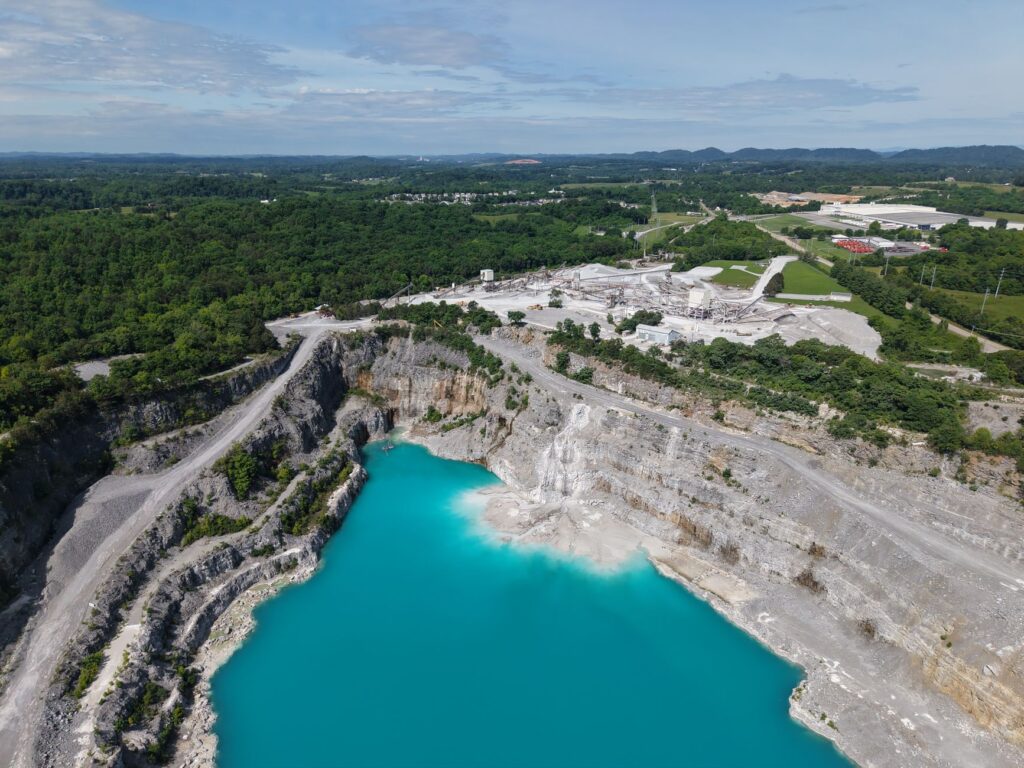
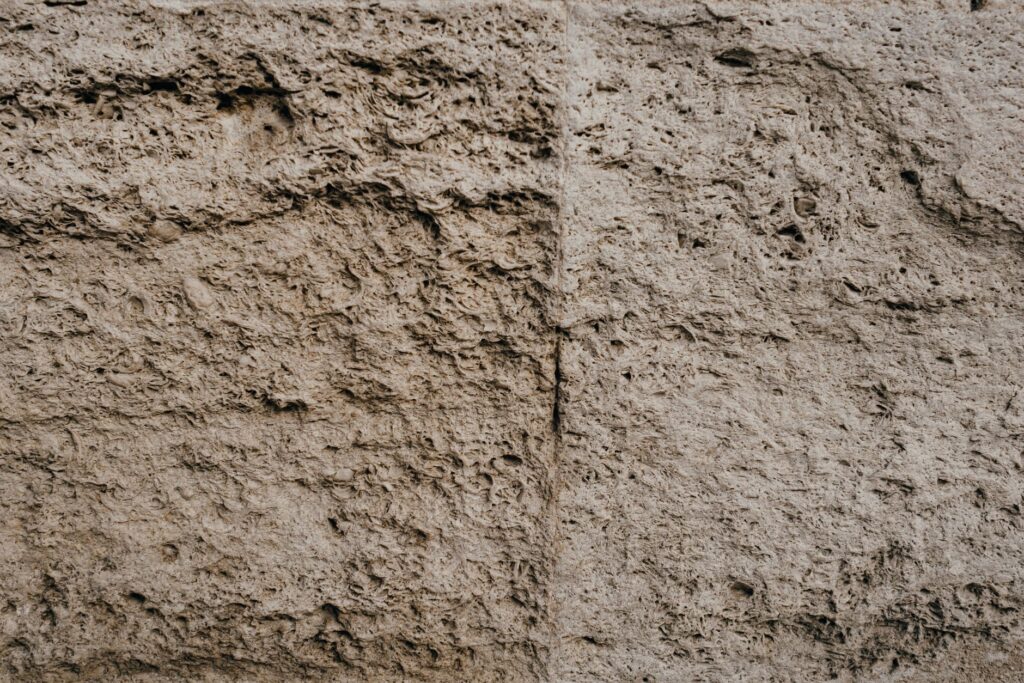
The heart of any lithographic workshop lies in its floor and shelves: heavy limestone slabs sourced from the quarries of Solnhofen in Bavaria. These Upper Jurassic geological formations possess an exceptionally homogeneous microcrystalline structure that captures the subtlest strokes and the exact density of shading. Today, acquiring new large-format stones is virtually practical impossibility due to the depletion of optimal commercial veins and environmental extraction restrictions. For this reason, Paris workshops operate as custodians of a finite geological archive, where each slab is polished, sanded, and reused indefinitely.
The stone preparation process is a demanding physical ritual. Before a new artist can draw a single line, the printer must remove the previous image using an emery machine or through manual friction with fine sand, water, and another auxiliary stone called a muller. This grinding removes millimeters of limestone, erasing the prior graphic memory and restoring the surface to its original porosity. Master lithographers calculate stone thickness with micrometric precision; if a slab becomes too thin after decades of use, it risks fracturing under the immense pressure of the lithographic press. This scarcity of raw material turns each stone into an item of inestimable heritage value, bridging ancient geology and contemporary creation.
The Workshop as an Ecosystem of Radical Collaboration
Unlike easel painting, where the artist works in solitude, lithography is an intrinsically collective art. In the studios of Paris, the relationship between the visual creator and the printer—the passeur or master printer—defines the final outcome of the work. Contemporary artists, many coming from abstract painting, sculpture, or architecture, arrive at these spaces without deep knowledge of stone physics. It is the printer who translates the author’s aesthetic intentions into the chemical and mechanical language of the press, calculating acid concentration, ink viscosity, and ambient humidity.
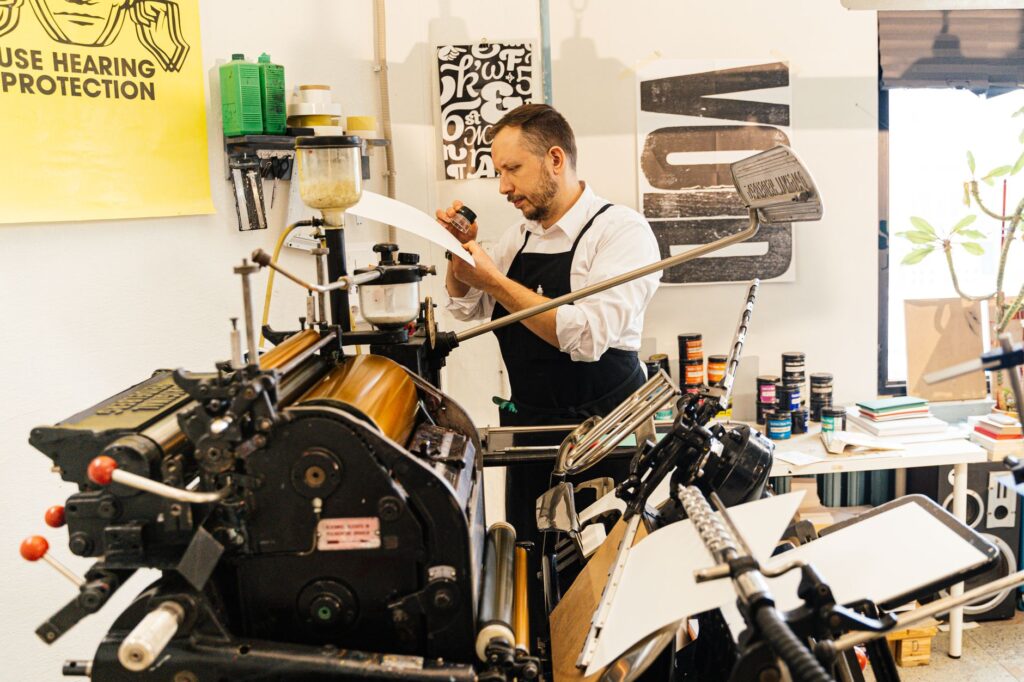
This collaboration requires constant dialogue based on mutual trust and listening skills. A mistake in the etching phase can destroy weeks of drawing work on the stone. Today’s master printers combine intuition inherited from their predecessors with rigorous control over technical variables. In the words of one of the deans of printmaking in the Montparnasse district: «The artist provides the spark of the concept; we provide the resistance of the material so that spark does not extinguish upon first contact with paper.»
Lithography does not imitate drawing; it is an intimate dialogue between the grease of the human stroke and the uncompromised porosity of Jurassic limestone.
Historical Presses: Iron Engineering and Pressure
The operation of a lithographic workshop relies heavily on its printing machines. The 19th-century long-arm, manual-traction presses manufactured in cast iron by houses like Voirin or Alauzet remain the operational standard in traditional studios. These monumental structures distribute pressure uniformly via a system of levers and cylinders that slide a leather-covered wooden scraper bar over the stone and paper.
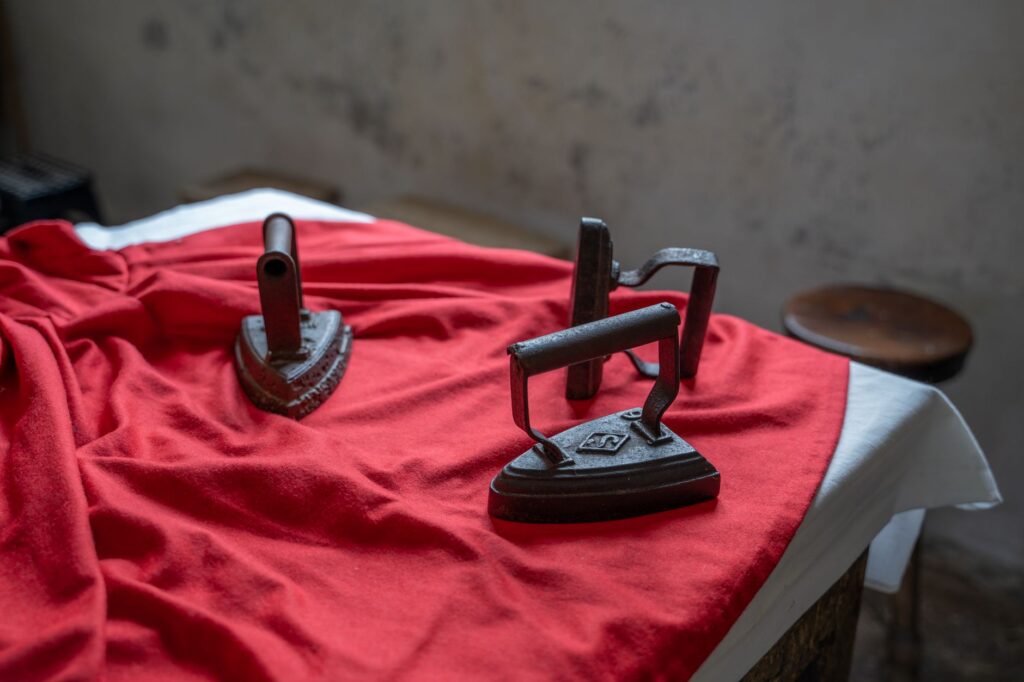
Unlike modern high-speed mechanical presses, manual machines allow the printer to modulate pressure second by second, feeling through the metal flywheel the resistance of the stone and paper absorption. Maintaining these pieces of engineering is a specialized discipline in itself. Gears require constant lubrication, leather soles must be replaced and adjusted with micrometric precision to avoid register shifts in color. Keeping these machines fully operational in the 21st century involves sourcing artisanal replacement parts or custom-manufacturing components, as the industry that birthed them vanished over a century ago.
The Alchemy of Color and Pure Cellulose Papers
Color lithography—chromolithography—adds an extraordinary layer of technical complexity. Each color requires an independent stone and perfect registration so that inks overlap without misalignment. Printers blend mineral and vegetable pigments with linseed-oil-based varnishes, adjusting the transparency and body of each tone directly on the marble palette. The challenge lies in predicting how wet ink will behave when transferred to paper and how its tonality will shift once dry.
The print support is another fundamental pillar of the process. Workshops exclusively use handmade vat papers, crafted from cotton or linen without chemical bleaches, sourced from historic mills in France and Italy. Papers like Arches or Rives act as subtle sponges that absorb greasy ink without distortion, providing a velvety texture that enhances the visual depth of the print. The combination of heavy-weight paper, oily ink, and limestone yields a work of exceptional material durability, capable of surviving intact for centuries.
Economic Challenges and Sustainability in the 21st Century
Maintaining a lithographic workshop in central Paris entails highly complex formal financial challenges. The exponential rise in urban real estate prices, high costs of specialized supplies, and a shortage of generational succession threaten the continuity of these spaces. Unlike mass-produced cultural industries, artisanal lithography is inherently slow: a run of fifty numbered copies can require weeks of meticulous work, driving up the final product’s cost and limiting accessibility for the general market.
To survive, studios have diversified their revenue streams by combining fine art print editions for international museums and galleries with artist residency programs, specialized training workshops, and collaborations with contemporary design brands. Likewise, environmental sustainability has become a priority: current workshops replace petroleum-derived solvents with biodegradable plant-based cleaners and manage ink and gum arabic waste in strict compliance with European ecological regulations, proving that artisanal tradition can dialogue with environmental responsibility.
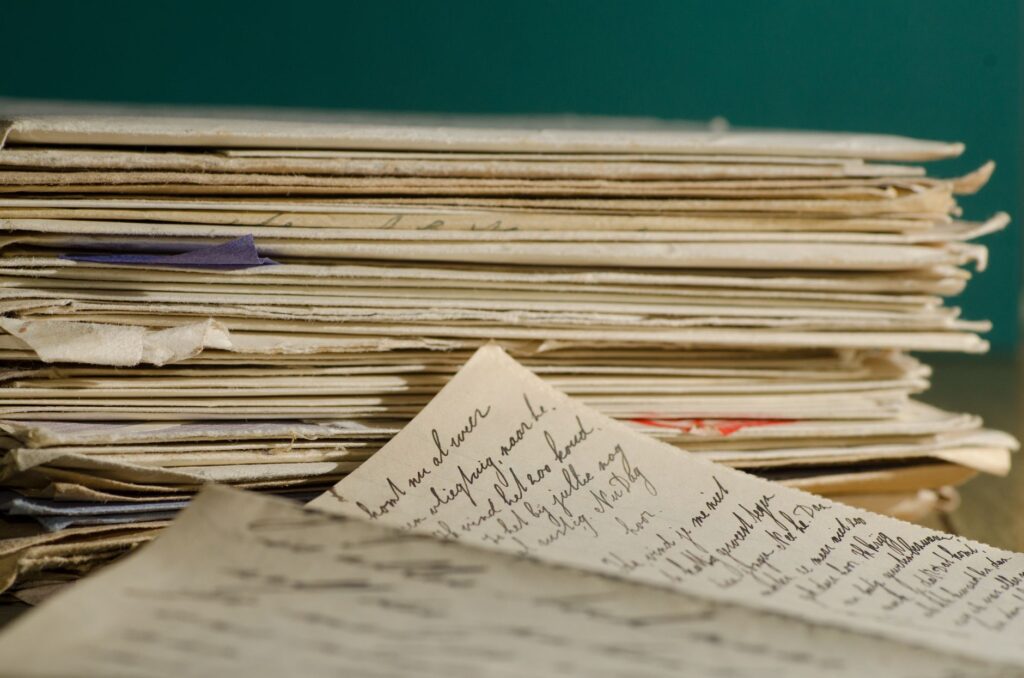
In a world saturated with ephemeral images consumed in seconds, the lithographic stone offers the force of an enduring physical archive.
Practical Information for Visitors and Scholars
Exploring Paris’s lithographic heritage requires planning, as most of these workshops function as active production spaces rather than commercial museums open to the general public. Below are guidelines and recommendations for researchers, collectors, and travelers interested in the art of printmaking:
- Access to Workshops: Iconic spaces such as Idem Paris (in the 14th arrondissement) or Atelier Michael Woolworth admit visits and small study groups exclusively by appointment several weeks in advance.
- Public Reference Collections: To understand the historical evolution of the technique, the Cabinet des Estampes et de la Photographie at the Bibliothèque Nationale de France (BnF) and the Musée Carnavalet house exceptional archives of original posters and prints from the 19th and 20th centuries.
- Specialized Bookstores: In the Latin Quarter and around Saint-Germain-des-Prés, antiquarian and print bookstores offer catalogues raisonnés and technical manuals on historical lithography.
- Etiquette in the Studio: During visits to active workshops, touching stones prepared for printing is strictly prohibited, as the natural grease from human skin alters the surface chemistry of the limestone and ruins the artist’s work.
Conclusion: The Irreplaceable Value of the Analog Trace
The silent renaissance of stone lithography in Paris workshops demonstrates that digital technology, for all its efficiency, has failed to supplant the human need for physical contact with matter. Limestone, the leather roller, greasy ink, and cotton paper form an ecosystem of creation where error, patience, and physical effort are inseparable parts of the artwork. In this territory of aesthetic resistance, slowness ceases to be an obstacle and becomes an ethical and cultural value. Preserving these studios is not an archaeological whim, but a guarantee of expressive diversity in an increasingly standardized visual landscape.