The dawn of a new era for Hellenic hospitality
For decades, the international narrative surrounding Athens was built almost exclusively upon the foundations of its glorious antiquity. The Acropolis, the remains of the Ancient Agora, and the overwhelming weight of classical philosophy have systematically overshadowed the contemporary heartbeat of a vibrant, complex, and constantly reinventing metropolis. However, naming Athens as Cocktail Culture City of the Year at the prestigious Travel & Taste Awards 2026 marks a definitive milestone. This recognition is neither a tourism coincidence nor the result of a fleeting marketing campaign; it is the confirmation of a cultural and gastronomic phenomenon that has been quietly brewing in the streets of the historic center for years.
The accolade, widely reported by specialized outlets such as GTP Headlines, highlights how the Greek capital has successfully capitalized on local talent, its unsurpassed tradition of hospitality —classical philoxenia— and an overflowing creativity that converses on equal terms with the world’s great drinking capitals. In recent years, Athens has ceased to be a mere transit stop for travelers heading to the Cycladic or Ionian islands and has established itself as an essential pilgrimage destination for lovers of craft mixology.
Tradition and modern alchemy in historic neighborhoods
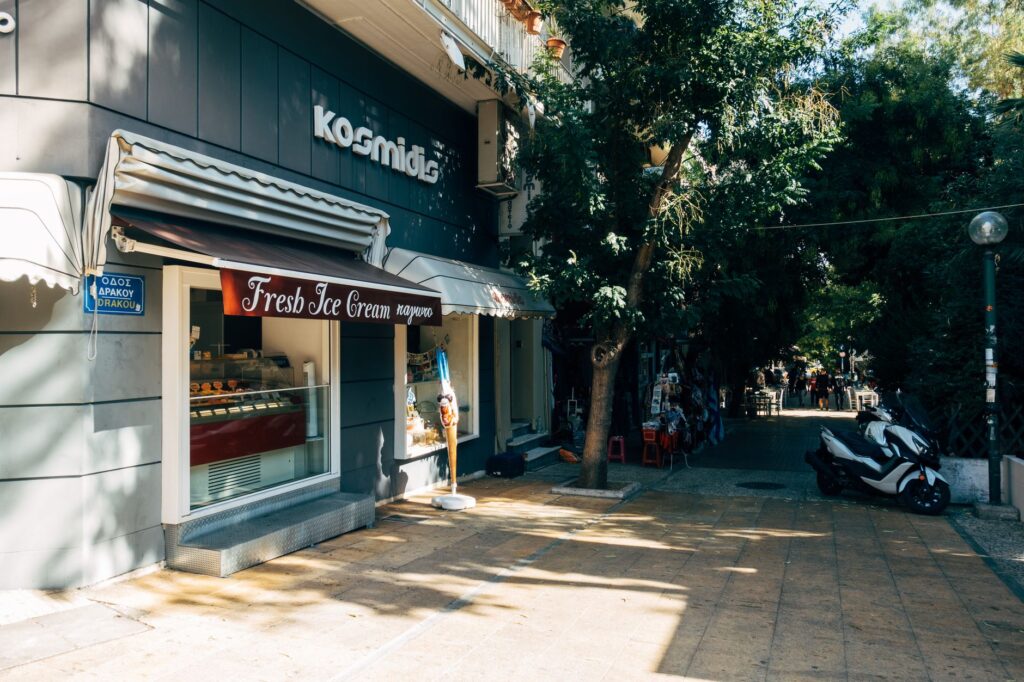
The heart of this liquid revolution beats strongly in once-neglected or commercial neighborhoods that are now undergoing a thriving cultural gentrification, such as Psiri, Exarchia, Pagrati, and the surroundings of Syntagma Square. Far from copying New York or London models, Athenian bartenders and creators have chosen to look inward, rescuing indigenous ingredients that have formed part of the Greek and Mediterranean pantry for millennia. Wild herbs foraged from the slopes of Mount Parnassus, traditional resins, forgotten liqueurs, and native grape distillates now share space on top venue menus with avant-garde clarification and fermentation techniques.
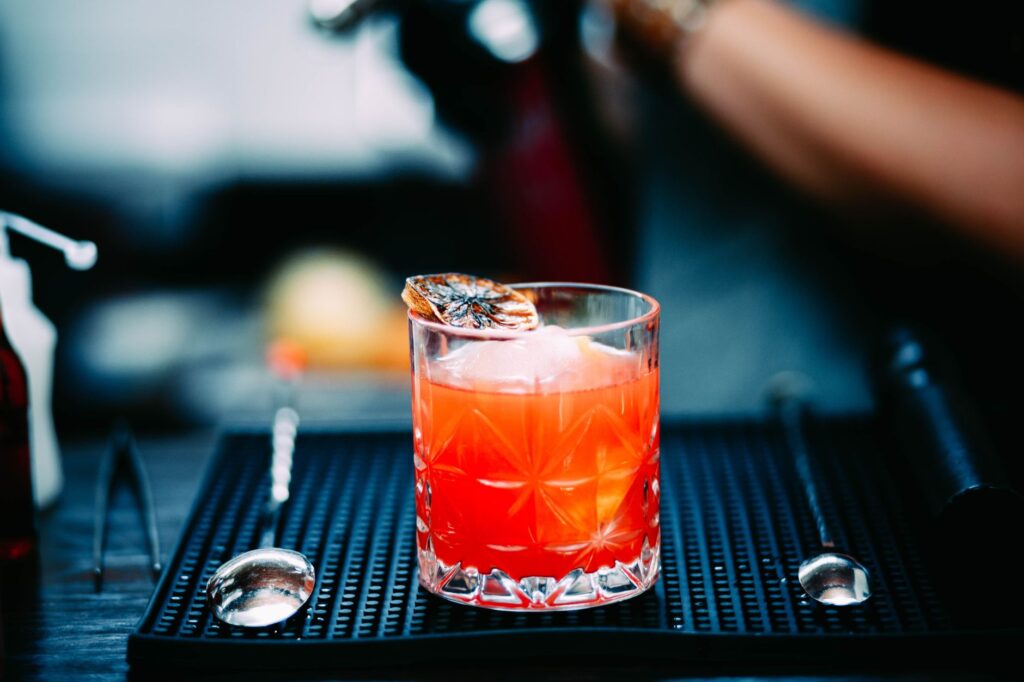
This fusion between the ancestral and the contemporary grants Athenian mixology an unmistakable personality. It is not merely about quenching thirst, but about telling a story through the senses. Every glass is a tribute to the land, the Aegean Sea, the citrus fruits of the Peloponnese, and the spices that crossed the Eastern Mediterranean for centuries. The local community of bartenders has demonstrated exemplary cohesion, sharing knowledge and collectively raising the bar of quality to place the city firmly on the global map of excellence.
Liquid architecture: design at the service of experience
The boom of the bar culture in Athens has been accompanied by an unprecedented architectural and interior design transformation. The new venues are not mere spaces for consuming alcohol, but authentic design galleries where aesthetics play a fundamental role in the liturgy of the cocktail. From former printing presses converted into clandestine laboratories to minimalist rooftops with privileged views of the illuminated Parthenon, Athenian urbanism has focused on creating immersive atmospheres.
Mixology in Athens has ceased to be a nocturnal trade and has transformed into an artistic discipline that reinterprets Hellenic cultural heritage through the senses.
Local architects and designers have expertly integrated traditional architectural elements of Athenian neoclassicism and industrial textures into highly sophisticated spatial proposals. Reclaimed marbles, noble woods, warm lighting, and native vegetation transform every visit into an immersive journey. This meticulous attention to architectural and environmental detail is one of the decisive factors that earned the city international recognition in this year’s awards.
Sustainability and zero kilometer: the new Hellenic commitment
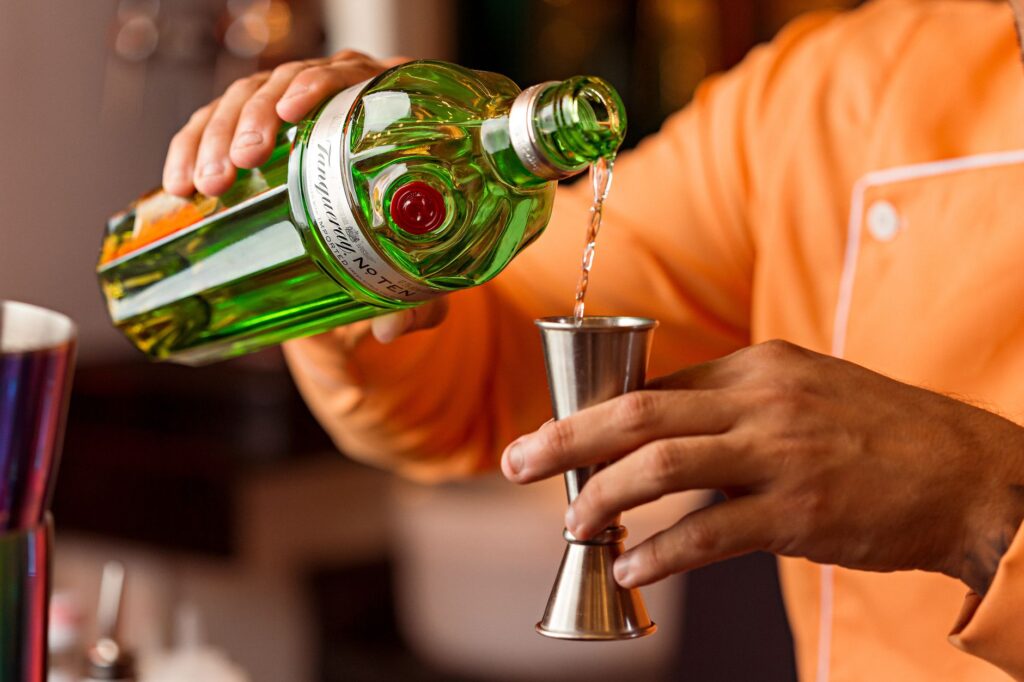
Behind the glamour of the awarded bars lies a profound environmental and social conscience. Athens’ cocktail scene has rigorously embraced the principles of sustainability and holistic utilization, responding to the ecological challenges of the twenty-first century. The zero-kilometer concept is no longer an aesthetic option, but an operational and ethical necessity in a country experiencing the close consequences of climate change.
Leading establishments collaborate closely with small farmers, beekeepers, and local producers from Attica and nearby mainland regions. Fruit surpluses are repurposed to craft homemade syrups and ferments, single-use plastics are minimized, and water consumption is optimized in high-mixology processes. This resolute commitment to the circular economy proves that gastronomic excellence can and must go hand in hand with ecological responsibility.
The human factor: the Athenian school of hospitality
None of these achievements would have been possible without the human factor. The hospitality community in Athens stands out for its warmth, technical rigor, and genuine vocation for service. Unlike other megalopolises where service can feel impersonal or rushed, in Athens mixology retains a distinctly human and conversational character. The bartender frequently acts as a host, cultural guide, and confidant.
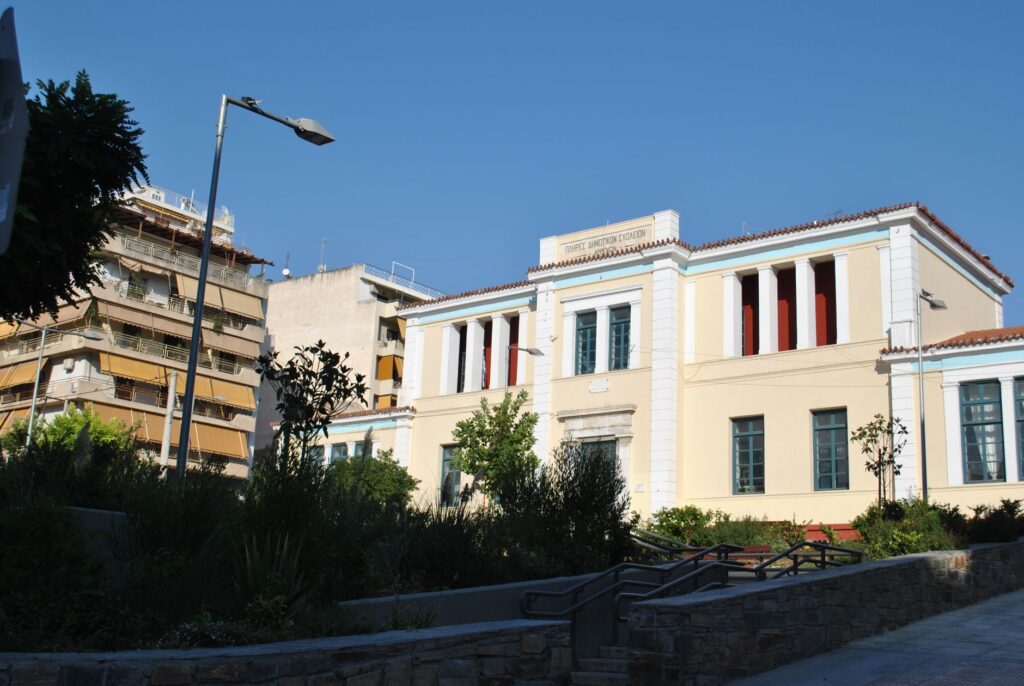
This hospitable attitude is rooted in popular Greek culture, where sharing a drink and conversation around a table is a sacred act of social communion. The generational transmission of the craft combines with ongoing international training, creating a pool of talent that now exports its know-how worldwide through collaborations, lectures, and overseas openings.
Socioeconomic impact and urban regeneration
Recognition as Cocktail Culture City of the Year brings very tangible economic and urban repercussions. The tourism attracted by this new scene is not traditional mass tourism, but a cultural, curious traveler with higher purchasing power and deep respect for the local fabric. This has revitalized depressed commercial areas, generated skilled employment for young professionals, and encouraged the opening of complementary businesses, from book cafés to design studios.
Local administrations have begun to view this sector with fresh eyes, recognizing its strategic value as an engine for economic and cultural dynamism. Nighttime security has improved in many areas thanks to constant civic activity, and civic pride is felt in every corner of the historic center, where Athenians once again enjoy their own streets and squares.
Future challenges facing global success
Despite widespread enthusiasm and the well-deserved accolade, the Athenian scene faces considerable challenges in maintaining its vanguard status. Accelerated gentrification, skyrocketing commercial rents in the center, and the pressure of mass tourism threaten to increase the cost of living in neighborhoods and dilute the authenticity that made this cultural miracle possible.
Local creators and entrepreneurs are acutely aware that the greatest danger of success is the loss of identity. Therefore, they insist on the need to preserve the balance between international openness and community roots. Maintaining accessible prices for the local public, protecting historic businesses, and avoiding excessive touristification are the pending homework assignments for Athens to remain a vibrant capital rather than a mere theme park for visitors.
Practical guide for enjoying liquid Athens
For travelers interested in exploring this award-winning cocktail culture, planning the visit in advance is strongly recommended, as recognized venues routinely book out completely, especially from Thursday to Saturday. Booking a table whenever possible is advisable, alongside trusting the bar teams rather than strictly adhering to classic menus.

- Best time to visit: The spring months (April to June) and autumn (September to November) offer ideal temperatures to enjoy both sophisticated interiors and open-air terraces.
- Dress code: Smart casual prevails. Formal labels are not strictly required, but care for personal aesthetics is appreciated.
- Tipping and payments: Card payments are widely accepted throughout the city. Leaving a tip between 5% and 10% is customary and warmly welcomed by service staff.
- Getting around: The historic center of Athens is extremely walkable. For longer distances, the metro and official taxis are safe and affordable options.
Epilogue: a toast to resilience and the future
The recognition granted at the Travel & Taste Awards 2026 is much more than a trophy for the display cases of Greek hospitality. It is the symbol of a city that has successfully reinvented itself from its own ashes, transforming the economic and social crises of the past decade into an inexhaustible source of creativity and resilience.
The true essence of contemporary Athens lies in its capacity to look toward the future without ever abandoning the memory of its Mediterranean past.
When travelers cross the threshold of any awarded bar in the Hellenic capital and raise their glass, they will be toasting not only to the excellence of a perfectly balanced drink, but to the cultural renaissance of one of the most fascinating cities on the planet.
Source: Information based on reports from GTP Headlines and data from the Travel & Taste Awards 2026.