An Archipelago Rewriting Its Tourism Narrative
Tourism in the Philippines is undergoing a quiet yet profound transformation. It is no longer solely about promoting pristine white-sand beaches or idyllic turquoise waters, but about unearthing the material and intangible roots that sustain the identity of its provinces. Within this new paradigm, the province of Capiz—traditionally known as the seafood capital of the archipelago—has chosen to champion a botanical and structural symbol: bamboo. During the 37th Philippine Travel Mart, the Capiz delegation captured widespread attention through its thematic pavilion, named Balay Kawayan, a structure that encapsulates the philosophy of a community finding its greatest historical strength in the flexibility of this plant.
The province’s presence at this major commercial gathering is not an isolated event. It is part of a coordinated institutional strategy to diversify Panay’s tourism offerings, steering travelers away from mass tourism and toward immersive cultural and ecological experiences. The pavilion did not function merely as a static display, but as a three-dimensional manifesto of vernacular architecture, utilitarian craftsmanship, and deep respect for the region’s river ecosystems. Through this national showcase, the province sought to demonstrate that modernity and tradition are not only compatible but must reinforce one another to ensure equitable development.
The Architectural Concept of Balay Kawayan
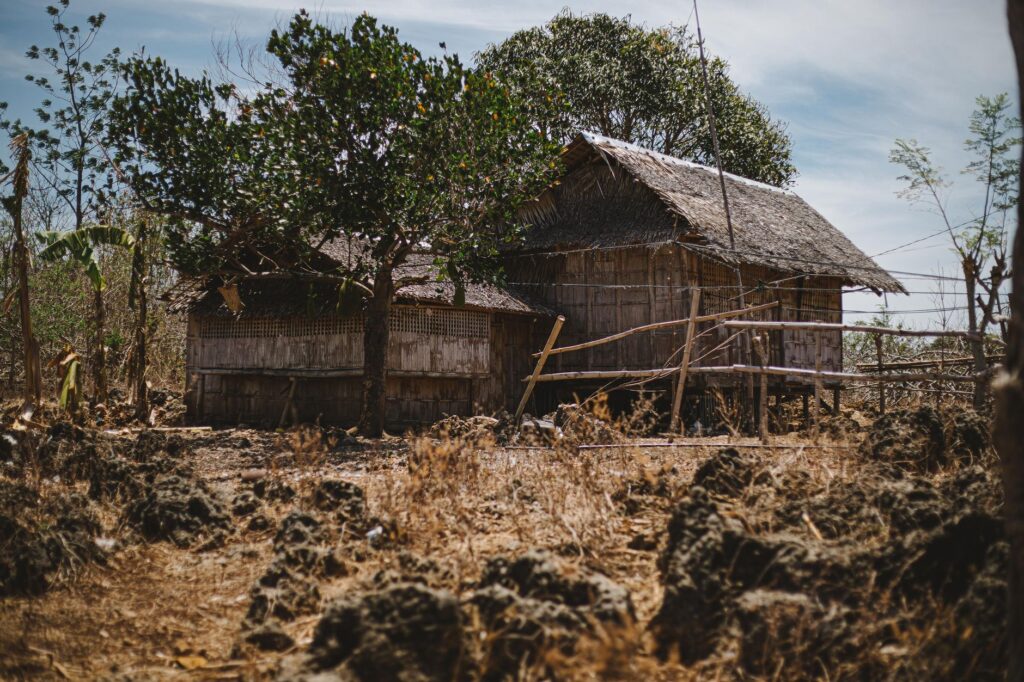
To understand the visual and conceptual impact of Balay Kawayan, one must examine the technical and symbolic properties of bamboo within the Filipino context. Locally known as kawayan, this material has historically served as the structural skeleton of rural housing, capable of withstanding typhoons thanks to its natural elasticity and dense root systems that prevent riverbank erosion. In the design of the pavilion exhibited in Manila, local architects and master artisans collaborated to interweave stalks of various species, creating lattices that allowed constant airflow and filtered overhead light, emulating the shade of native forests.
This architectural approach challenges the hegemony of concrete and steel in contemporary tourism infrastructure. Every joint, node, and curve of the exposed framework reflected a millenary mastery of green carpentry. The use of bamboo in Balay Kawayan acts as a physical reminder that large-scale sustainable construction is achievable using local resources that regenerate in just a few years, contrasting sharply with heavily polluting building materials. The structure thus became the visitor’s first sensory contact with the province, foreshadowing the atmosphere of its river valleys and coastal communities.
Bamboo is not merely a building material in Capiz; it is the invisible thread connecting the resilience of our ancestors with the urgent climate challenges of the present.
Living Heritage: Beyond Seafood and Capiz Shells
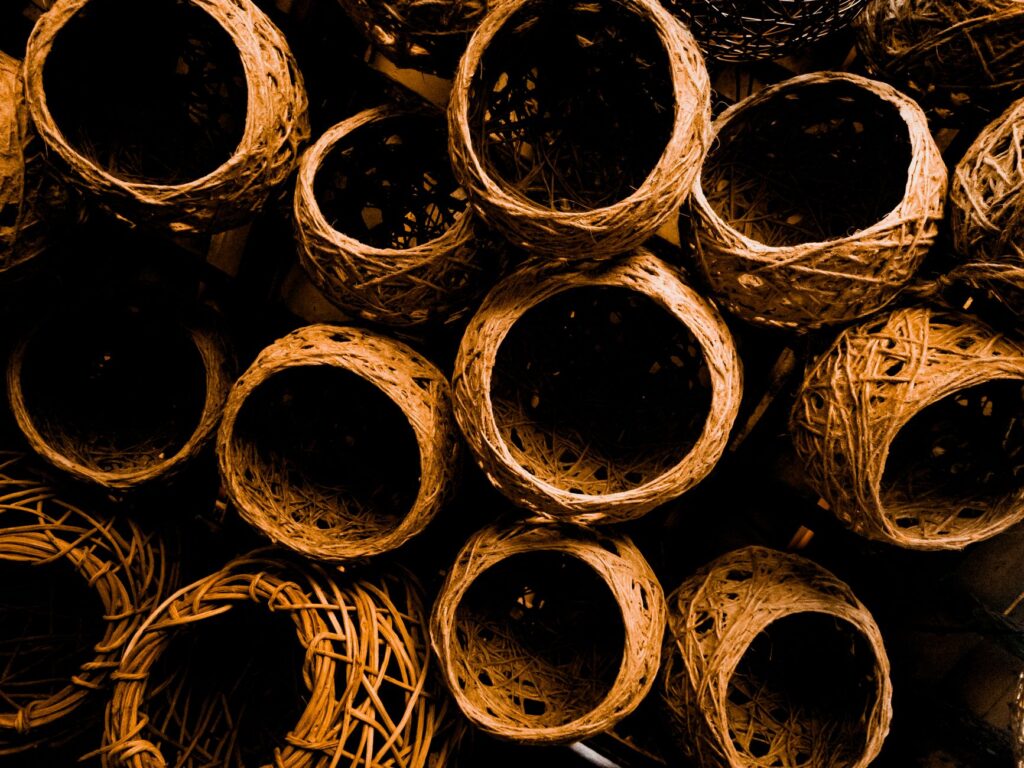
Historically, Capiz’s tourism imagery has been dominated by two elements: its rich marine gastronomy and the delicate kapis shells used in traditional crafts and windowpanes. However, the focus on Balay Kawayan at the Philippine Travel Mart expands the perspective toward community forestry and rural trades. The province is home to extensive bamboo cultivation areas managed by local cooperatives that derive their economic livelihoods from transforming this resource into high-end furniture, household utensils, and decorative elements.
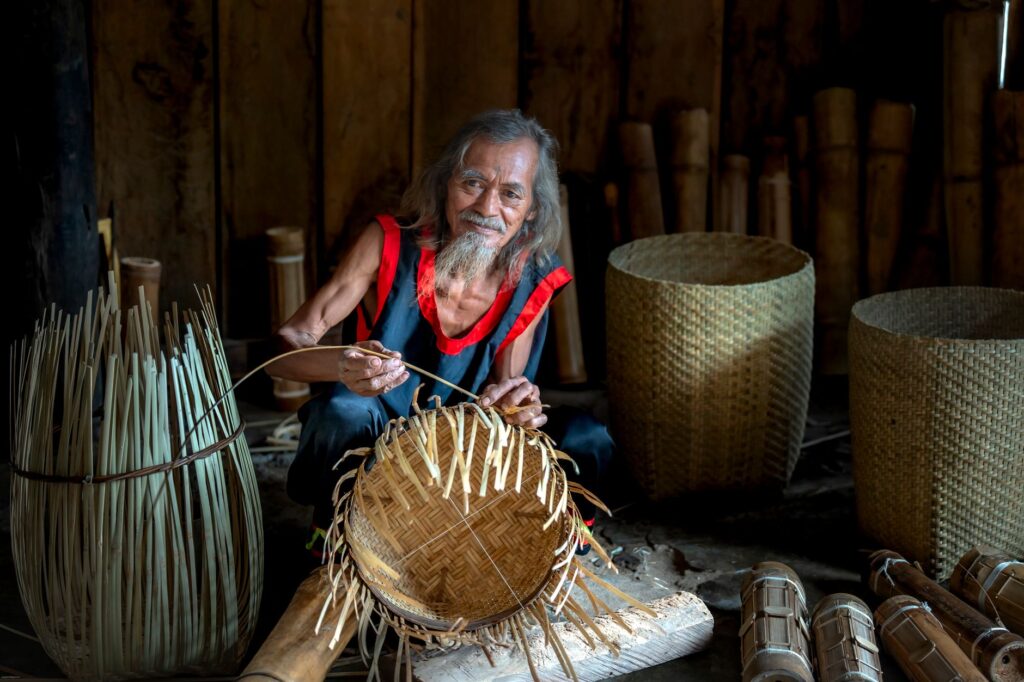
This productive diversification directly benefits interior communities that have traditionally remained on the sidelines of coastal tourism revenues. During the trade fair, artisans from Capiz performed live demonstrations of weaving and assembly, allowing the public to understand the technical rigor behind each piece. This direct exchange between creators and visitors reinforces the dignity of craftsmanship, moving it away from cheap souvenirs and elevating it to contemporary folk art.
Sustainability and Rural Tourism in the Heart of Panay
The rise of initiatives like Balay Kawayan aligns with the Philippine Department of Tourism’s guidelines on promoting regenerative tourism. In Capiz, this translates into the development of river ecotourism routes, guided tours of sustainable bamboo plantations, and stays in rural communities where travelers can learn regenerative agriculture and forest management techniques. The province understands that the future of the sector lies in the ability to preserve pristine natural landscapes while offering meaningful, respectful experiences.
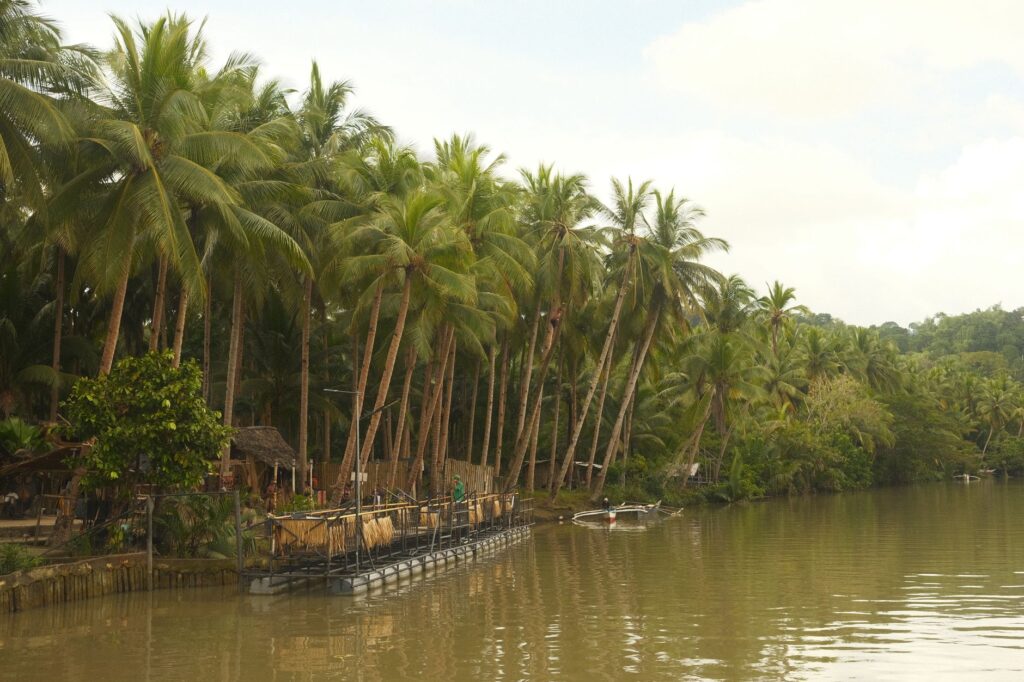
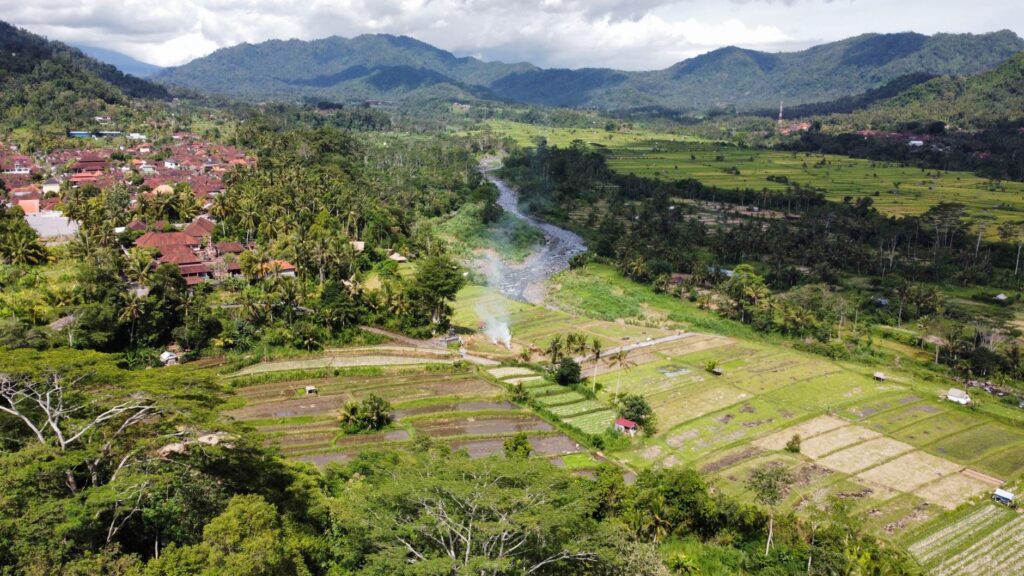
The proposed routes invite visitors to explore inland municipalities where the Panay River shapes the region’s human geography. There, travelers can observe firsthand how riverside communities use bamboo not only for housing and suspension bridges, but also for aquaculture and traditional fishing traps. This harmonious integration between humans and the aquatic environment offers a masterclass in sustainable coexistence, a value increasingly sought after by conscious international travelers.
The Economic Dimension of the Artisan Renaissance
Behind the pavilion’s aesthetics lies a robust economic structure designed to stimulate local employment. The bamboo industry in Capiz generates thousands of indirect jobs, from farmers managing groves to industrial designers adapting traditional techniques to global market standards. Participating in trade fairs the size of the Philippine Travel Mart allows small cooperatives to secure commercial agreements with tour operators, boutique hotels, and interior design shops in Manila and other Asian metropolises.
This access to new markets is essential to prevent rural depopulation and the loss of ancestral knowledge. By proving that bamboo craftsmanship can be economically viable and modern, younger generations find incentives to remain in their home communities and continue family legacies. The pavilion functioned as both a B2B and B2C platform, cementing Capiz as a key player in the Philippines’ creative economy.
The Role of Trade Fairs in Tourism Decentralization
Events like the Philippine Travel Mart play a crucial role in democratizing the national tourism map. Traditionally, major destinations captured the lion’s share of advertising investment and visitor flow. However, immersive and conceptual pavilions like Balay Kawayan enable provinces with lower mass visibility to stand out through their cultural and environmental value propositions. The ability to surprise operators and travelers with a coherent narrative rooted in the territory is the key to success in such arenas.
For the Capiz delegation, participating in the thirty-seventh edition of the event was an exercise in self-assessment and projection. It was not about competing in visitor volume, but in the quality and authenticity of the offered experience. Public and critical reception confirmed that the chosen path—valorizing material heritage, craftsmanship, and ecological sustainability—resonates strongly with contemporary travel demands.
Investing in local identity through vernacular materials is the only way to ensure tourism does not devour what it seeks to celebrate.
Practical Information for the Cultural Traveler
For those interested in exploring Capiz’s cultural and artisanal wealth beyond conventional itineraries, several practical recommendations are worth noting:
- How to get there: The provincial capital, Roxas City, features regular flights from Ninoy Aquino International Airport in Manila, as well as sea and land connections from other parts of Panay Island.
- Best time to visit: The dry season, spanning from November to May, offers optimal conditions for exploring rural ecotourism routes and attending local festivals.
- Accommodations and workshops: Travelers are encouraged to seek stays managed by local communities that promote community-based tourism and fair trade for bamboo and kapis shell crafts.
- Environmental respect: When visiting plantations and craft workshops, visitors must follow conservation guidelines and minimize single-use plastics.
A Visual Conclusion Toward Capiz’s Future
The legacy of Balay Kawayan at the Philippine Travel Mart extends far beyond the days of the event in Manila. The dismantled temporary structures return to the province for reuse in community projects, while Capiz’s image as a stronghold of green sustainability is firmly established in the national collective imagination. In a world saturated with homogeneous destinations, the province of Panay proves that true tourism wealth lies in fidelity to one’s own materials, the hands that craft them, and the rivers that nourish them.
The challenge for coming years will be maintaining this delicate balance between opening up to global tourism and preserving everyday life in rural communities. If the pavilion experience serves as a compass, Capiz possesses the firmest foundations possible: flexible, deeply rooted, and profoundly human, much like the bamboo that sustains its history.
Source in EN: Panay News – Capiz showcases ‘Balay Kawayan’ at 37th Philippine Travel Mart