The Resonance of the Yellow River on the Tropical Shores of Jakarta
The humid air of the Indonesian archipelago is frequently laden with the scents of cloves, betel nut, and tropical asphalt. However, during a recent summit held in the heart of Jakarta, the atmosphere seemed to shift thousands of kilometers northward, carried by the echoes of the Yellow River. The Henan Cultural Tourism Promotion Conference and Heluo Culture Exhibition were not merely protocol-driven events of institutional exchange, but a carefully orchestrated exercise in public diplomacy designed to connect the civilizational roots of China’s continental interior with the thriving economic and demographic pulse of Southeast Asia.
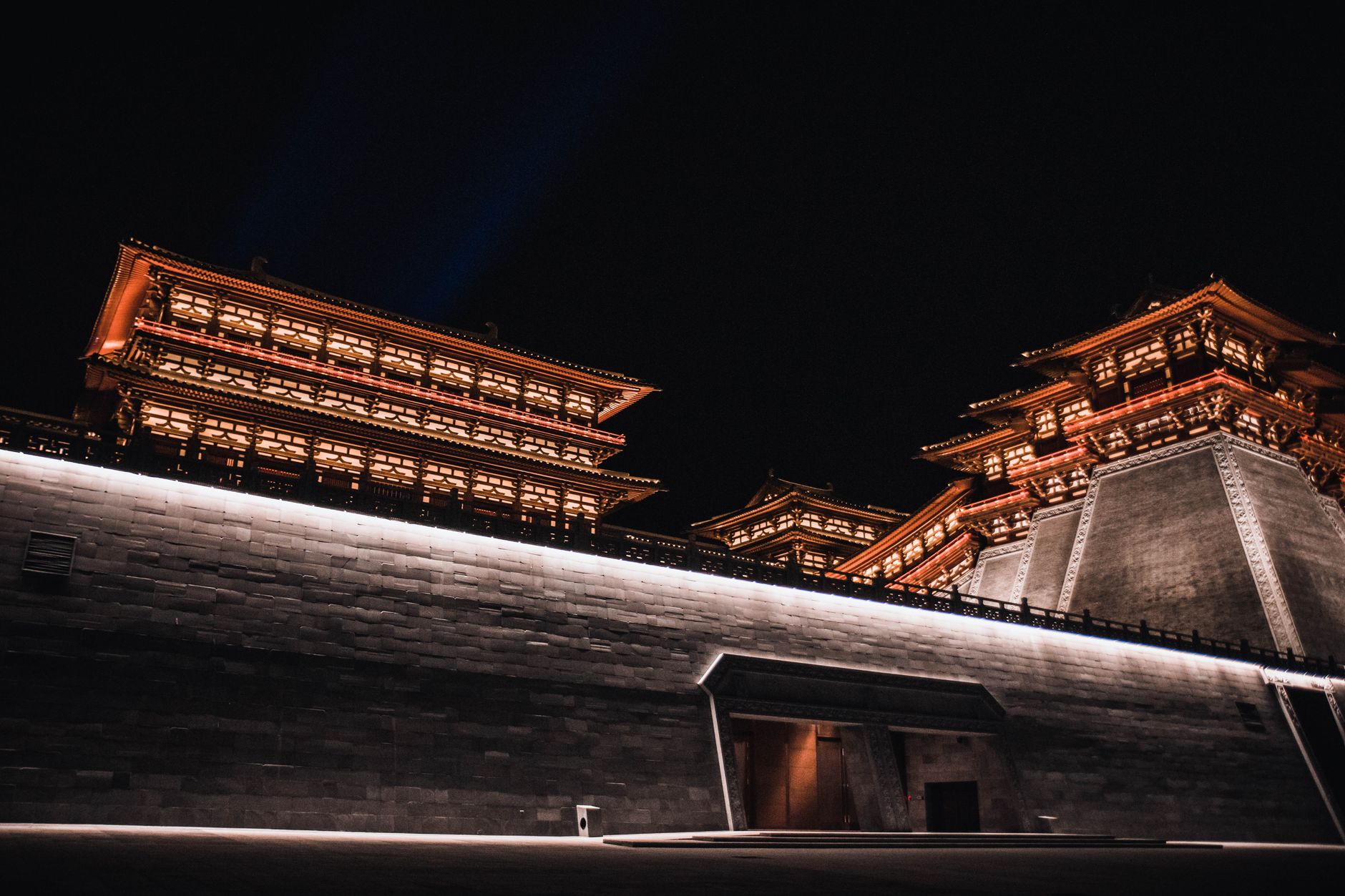
To grasp the significance of this cultural deployment, it is imperative to look beyond folklore and examine historical geography. Henan, situated in the central plains of China, is universally regarded by historians as the cradle of early Sinitic civilization. Across its territory flowed the lower and middle reaches of the Yellow River, nurturing successive dynasties that shaped the writing, philosophy, and metallurgy of East Asia. Bringing this heritage to Indonesia—Southeast Asia’s largest economy and a multi-ethnic mosaic of over two hundred seventy million people—reveals a deliberate strategy: consolidating bridges of understanding through shared heritage and contemporary tourism appeal.
The Heluo Basin: The Invisible Core of Ancestral Memory
The central concept anchoring the Jakarta exhibition was the so-called Heluo culture, a term referencing the geographical and historical confluence of the Luo River and the Yellow River (He). In traditional Chinese cosmology and historiography, this region is the epicenter where the earliest rudiments of mythical cartography, primordial trigrams, and centralized state organization emerged. Framing the exhibition under this conceptual umbrella enabled curators and Chinese diplomats to transcend simple vacation package promotion, presenting Henan instead as a living archive of Asian memory.

During the exhibition days, Indonesian visitors engaged with museographical reproductions, intangible projections, and craft displays illustrating how ancestral philosophical thought and mastery in ritual bronze casting evolved over millennia. Local specialists attending the meeting noted that such exhibitions help decouple China’s global image from contemporary manufacturing hegemony alone, unearthing a deep humanistic and aesthetic substrate that resonates with Nusantara’s own syncretic traditions.
Between the Shaolin Monastery and Modern Tourism Infrastructure
Despite the academic weight of Heluo culture, any contemporary tourism promotion strategy for Henan must inevitably contend with its most universal icon: the Shaolin Monastery. Located at the foothills of Mount Songshan, this temple is globally recognized as the birthplace of Zen (Chan) Buddhism and the epicenter of traditional Chinese martial arts. Within the context of the Jakarta conference, provincial tourism authorities introduced new access routes and travel facilities for visitors coming from Indonesia, seeking to capture an emerging middle class interested in both wellness tourism and historical exploration.
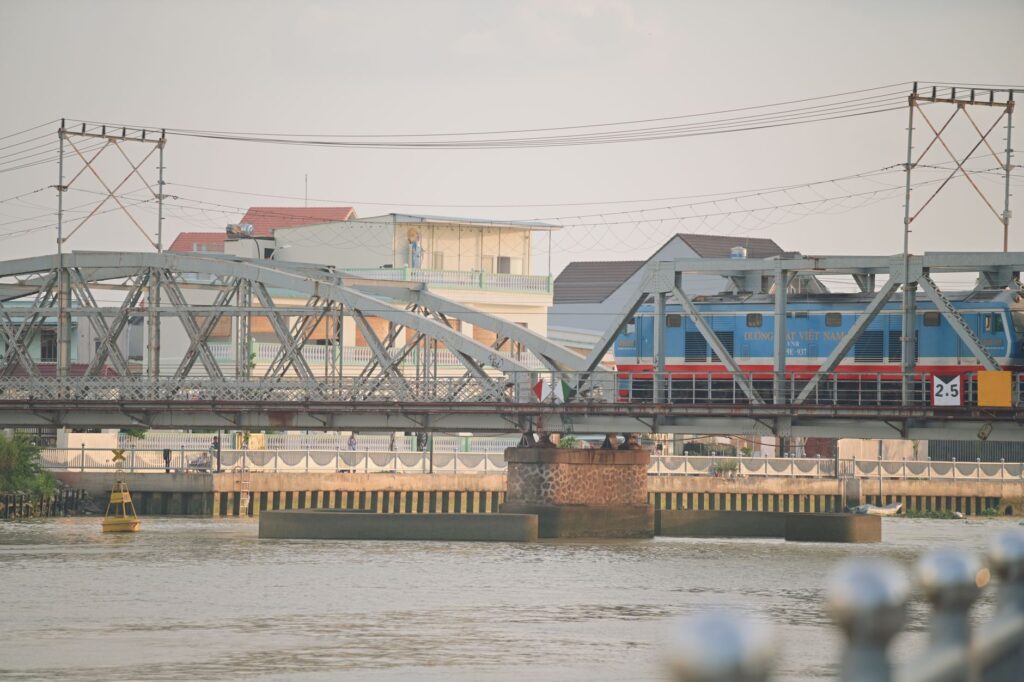
Organizers detailed investments made over the past decade to modernize high-speed rail networks connecting Henan’s major heritage cities—such as Luoyang, Kaifeng, and Zhengzhou—with major international aviation hubs. This internal connectivity aims to transform the traditional pilgrimage or brief stopover into an extended stay experience, allowing foreign travelers to comfortably explore the ancient Longmen Buddhist grottoes or the remnants of imperial capitals buried beneath the river silt.

Culture is not a static museum, but a dynamic river capable of crossing geographic and climatic borders to forge new forms of human understanding.
The Demographic and Economic Factor in Bilateral Relations
Henan’s cultural deployment in Indonesia does not respond solely to soft power dynamics; it operates within a meticulously calculated economic framework. Indonesia represents a key strategic partner for China within the Belt and Road Initiative, particularly in sectors linked to infrastructure development, the energy transition, and digital commerce. Simultaneously, the sustained growth of Indonesia’s middle class has exponentially increased its demand for diversified international tourism destinations, positioning China as a market of prime medium-term interest.
During sector-specific working sessions held during the conference, tourism operators from both countries explored pathways to increase flight frequencies and simplify visa processing procedures. Although official visitor exchange figures have experienced fluctuations due to recent global economic cycles, the institutional delegations expressed a clear commitment to an accelerated recovery driven by market segmentation: ranging from educational and archaeological tourism to weekend urban getaways.
Material and Intangible Heritage: The Challenge of Authenticity
One of the underlying debates during the symposium centered on preservation versus mass commercialization of heritage. Henan harbors an overwhelming monumental density, yet the contemporary challenge lies in showcasing these treasures without falling into tourist banalization. Cultural heritage experts participating in parallel panels emphasized the importance of applying digital conservation technologies, such as high-resolution three-dimensional scans and virtual museums, to protect fragile stone reliefs and ancient manuscripts from mass visitor erosion.
This sensitivity toward authenticity was particularly well received by the Indonesian academic audience, highly accustomed to the dilemmas of managing colossal monuments like the temples of Borobudur and Prambanan. The exchange of experiences in heritage management demonstrated that Henan and Jakarta share a common denominator: balancing the economic development derived from the smokeless industry with the rigorous safeguarding of historical integrity.

The Diplomacy of Details: Gastronomy, Arts, and Rituals
Beyond keynote speeches and framework agreements, the conference made room for sensory diplomacy where the senses played a primary role. Henan’s gastronomy, characterized by complex flavor profiles, masterful use of wheat, and long-simmered broth soups, was introduced to Indonesian chefs and food critics as a bridge of subtle affinities. Although Javanese and Henan cuisines stem from distinct ecosystems and traditions, both share a devotion to deep marinades and the integral utilization of local ingredients.
Additionally, demonstrations of traditional calligraphy, performances on ancient string instruments such as the guqin, and exhibitions of artisanal glazed porcelains captured the attention of local media. These everyday acts of cultural transmission helped humanize bilateral agreements, transforming macroeconomic figures and diplomatic protocols into memorable aesthetic experiences for the Indonesian citizens attending the event.
Perspectives and Shared Horizons for Future Tourism
In closing the conference, Henan delegations and Indonesian tourism sector representatives signed memorandums of intent aimed at fostering technical cooperation and cross-training for industry professionals. The long-term objective is not merely to increase raw tourist volumes, but to elevate the quality of the experience, promoting deeper and more lasting intercultural understanding between the two Asian regions.
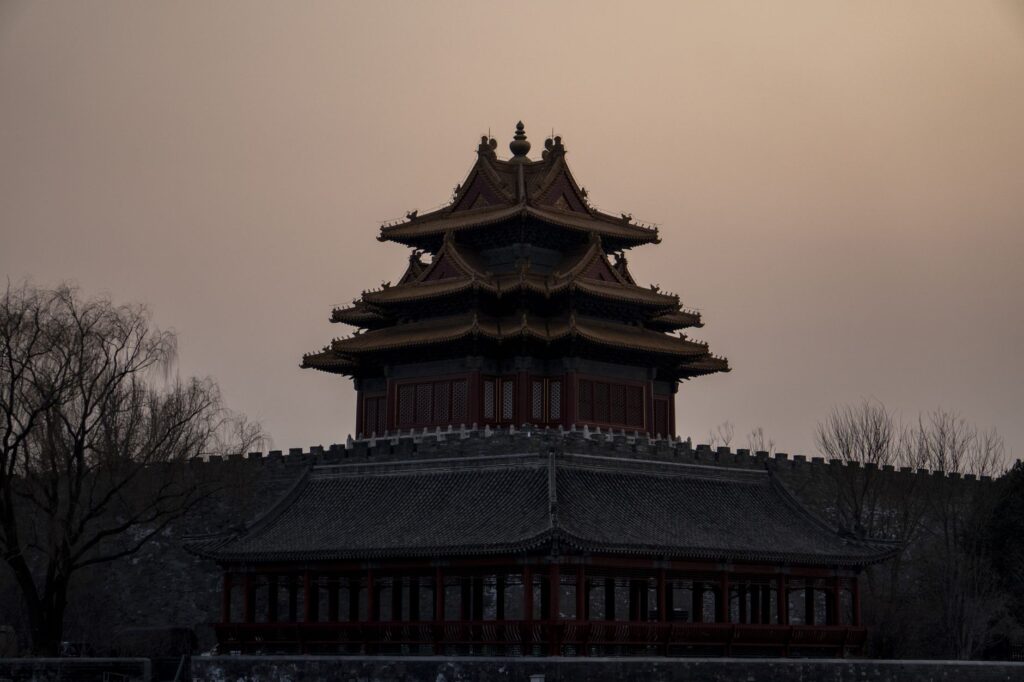
The true success of a cultural exchange is measured not by the number of brochures distributed, but by the persistence of curiosity in the other’s gaze.
In conclusion, the gathering in Jakarta demonstrated that Henan’s fluvial past retains a potent and contemporary voice on the international stage. By projecting its Heluo legacy onto the tropical islands of Indonesia, the Chinese province has not only reaffirmed its status as a historical beacon but has also built a dynamic bridge toward the future of mutual understanding in Asia.
Practical Information for Travelers and Researchers
- Reference Location: Zhengzhou, the capital of Henan province, serves as the primary land and air communications hub for exploring the region.
- Connectivity: The high-speed rail network connects Zhengzhou with Luoyang and Kaifeng in under an hour.
- Documentation: A valid passport with a minimum validity of six months and a tourist visa complying with current consular regulations of the People’s Republic of China are required.
- Best Time to Visit: Spring (April to May) and autumn (September to October) offer the most favorable weather conditions for touring outdoor archaeological sites.
Source in EN: ANTARA News – Henan Cultural Tourism Promotion Conference and Heluo Culture Exhibition Held in Indonesia.