
There is a way of traveling that does not consist of adding up kilometers or collecting stamps in a passport. It is an older and more demanding form: the one that understands movement as a reading of the world. It is not about arriving sooner, but about arriving with open eyes. In a time that rewards speed and display, it is worth remembering that territory is not a stage, but a text written in many layers. Reading it requires time, silence, and a certain humility.
Haste as Illiteracy
When we travel in haste, we do not see: we recognize. We mistake the landscape for a postcard and culture for shop-window folklore. Haste makes us illiterate in the world. This is not a metaphor: it is a precise description. Those who do not stop cannot read the signs a place offers to those who inhabit it: the way people greet each other, the rhythm of meals, the way the street is occupied, the silence of certain hours. These signs are not in guidebooks. They are in daily life, and they only reveal themselves to those who stay long enough for them to stop being strange.
Haste also has a cost. It turns us into consumers of places rather than interlocutors. And territory, like any interlocutor, closes when interrupted. The first form of respect is attention. Without it, travel is reduced to a succession of selfies and a collection of anecdotes that transform no one.
Reading the Territory on Foot
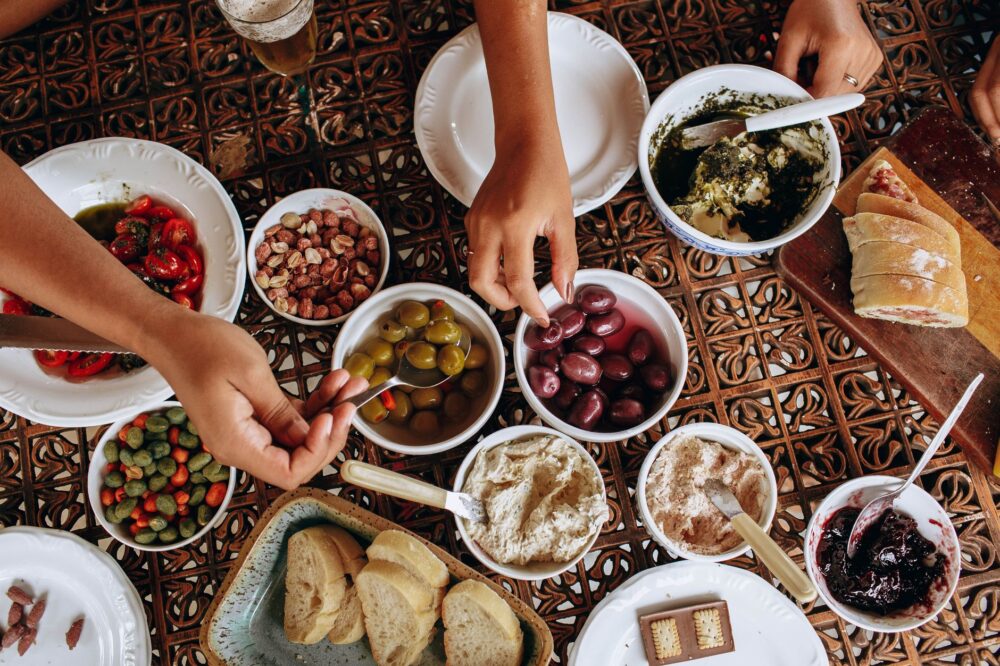
Reading a territory is a bodily task. It is read by walking, eating, listening, waiting. Gastronomy, for example, is not an ornament of travel: it is one of its deepest grammars. A dish speaks of a climate, a history, an economy, a migration. Behind a recipe lie centuries of adaptation and memory. When we eat without asking, we lose the chance to understand where we are. When we ask, the tablecloth becomes an archive.
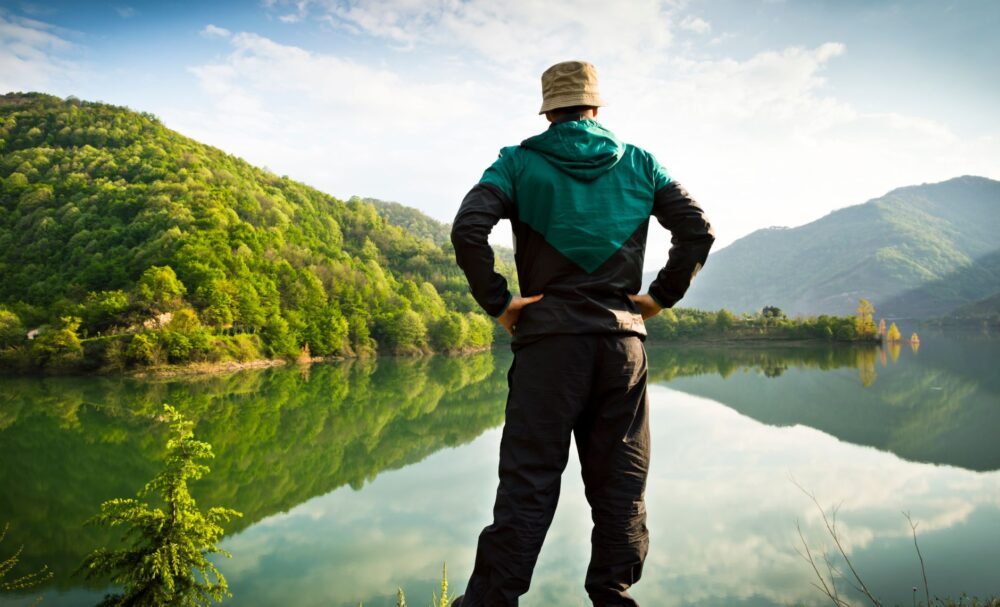
The same happens with nature. A forest is not a backdrop: it is a system of relationships, a long time made visible. Walking through it without noise is a form of reading. Sounds, smells, humidity, filtered light: all of it says something. But it demands an attention that our culture of distraction has made almost heroic. Learning to look at a landscape without needing to capture it is perhaps the first step toward no longer treating it as merchandise.
Hospitality: The Other Side of the Map
No journey is sustained without hospitality. And hospitality is not a service: it is an ethic. It is the gesture of one who opens a door knowing the other is a stranger and, even so, receives them. In that gesture there is a radical trust: that the world is not only a place of passage, but a shared home. When we travel, we should remember that we are guests. And a guest does not demand: they give thanks, they care, they leave the place a little better than they found it.
Hospitality also has its limits. Not every territory is obliged to receive us. There are places that need silence, communities that ask for distance, ecosystems that cannot bear more visits. Recognizing those limits is part of the reading. The responsible traveler does not only ask what they can see, but what they should avoid. That uncomfortable question is, in fact, the most necessary one.
The Memory of Places
Places have memory. Not only monuments: also walls, roads, markets, kitchens. Traveling is, in a way, entering that memory and allowing ourselves to be changed by it. It is not about appropriating others’ stories, but about listening to them with respect. The memory of a territory is not there to be consumed: it is there to be understood. And understanding is not the same as explaining. Sometimes, understanding is simply keeping quiet and letting the place speak.
That memory also questions us. It reminds us that we too are part of the landscape, that our presence leaves a trace. The trace can be predatory, or it can be discreet. Choosing the latter is an ethical decision, not an aesthetic one. It is not about going unnoticed, but about not imposing our presence as if it were a right. The traveler who reads the world knows they are passing through, and that their passage must be light.
Travel as a Form of Attention
Perhaps the best definition of travel is not that of a displacement, but that of an exercise in attention. Traveling is learning to look. And looking well is one of the most difficult things there is, because it demands stripping away prejudices, haste, and expectations. It demands accepting that the world is not there to confirm what we already know, but to show us what we did not know we were looking for.
In that sense, travel is a school of humility. It teaches us that we are not the center, that there are other ways of living, eating, speaking, inhabiting. And it teaches us, above all, that difference is not a threat, but a richness. Reading the world is accepting that the map does not unfold all at once, but is written with each attentive step, each conversation, each shared meal.
We do not travel to escape the world, but to learn to read it. And reading it well is the highest form of respect.
May our journeys not be a collection of destinations, but a library of attentions. May each territory we cross leave us a page written with care, and may that page not be a trophy, but a lesson. Because in the end, the true map is not the one we carry in our hand, but the one we carry in our gaze.