
The island of Sumatra, the sixth largest in the world and one of the most biodiverse regions on the planet, conceals among its volcanic mountain ranges and dense equatorial jungles one of the most fascinating and overlooked railway engineering feats in Southeast Asia. The West Sumatra network, constructed in the late 19th century under Dutch colonial administration, represents a monumental testament to human tenacity in the face of an unforgiving geography. In an area marked by the relentless seismic activity of the Pacific Ring of Fire, the Bukit Barisan mountain range stands as an impassable barrier dividing the western coast from the fertile interior. Overcoming this natural wall required the design of narrow-gauge systems combined with Abt-system rack-and-pinion sections, allowing locomotives to climb impossible gradients between the valleys and the Minangkabau highlands.
Today, this railway corridor is not merely a historical relic from the era when coal from the Ombilin mines fueled the global Industrial Revolution; it is a living organism struggling to maintain relevance against the hegemony of asphalt highways and motor transport. The fragility of this connectivity lies in its extreme vulnerability to the elements. Torrential monsoon rains trigger constant landslides that bury the tracks, while aggressive tropical humidity accelerates the corrosion of metal lattice bridges and wooden sleepers. Throughout this report, we examine how modern engineers, local engine drivers, and the communities living alongside the tracks strive to preserve a transport system that defines the identity and economic pulse of the region.
Colonial Legacy and the Geography of Coal
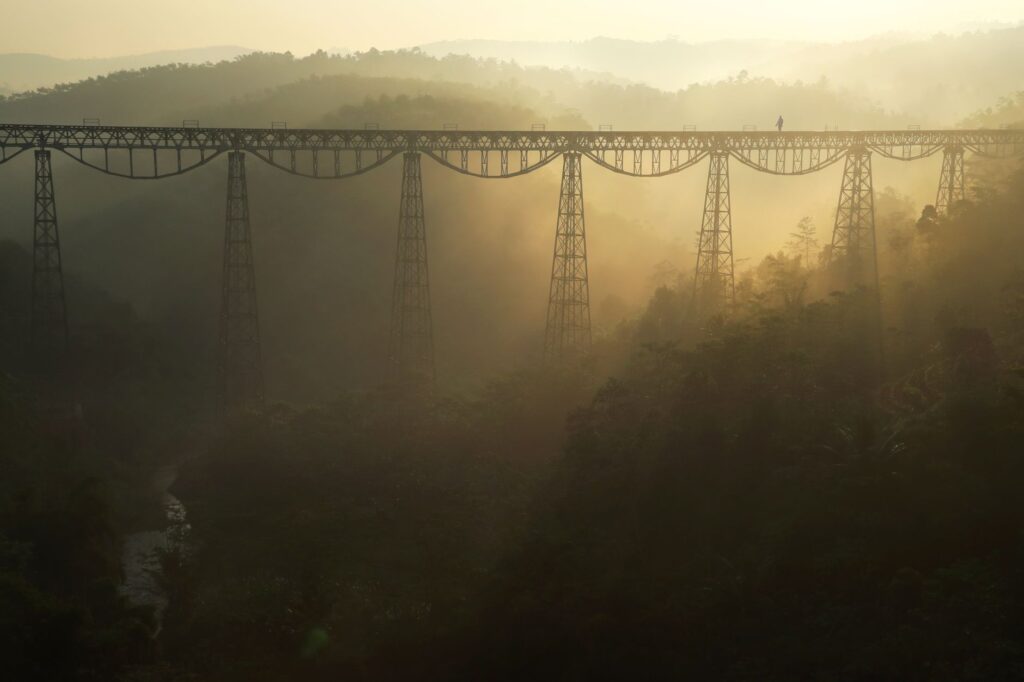
The genesis of the West Sumatra railway network is inextricably linked to coal extraction in the Ombilin basin near the town of Sawahlunto. Discovered in the final third of the 19th century, this high-grade mineral was coveted by colonial powers to fuel the steamships plying the trade routes of the Indian Ocean. To transport the coal from the bowels of the mountains to the port of Teluk Bayur near Padang, Dutch engineers faced a titanic challenge. Virgin jungle, rushing rivers, and deep ravines demanded the construction of dark hand-carved tunnels and vertiginous viaducts defying gravity.
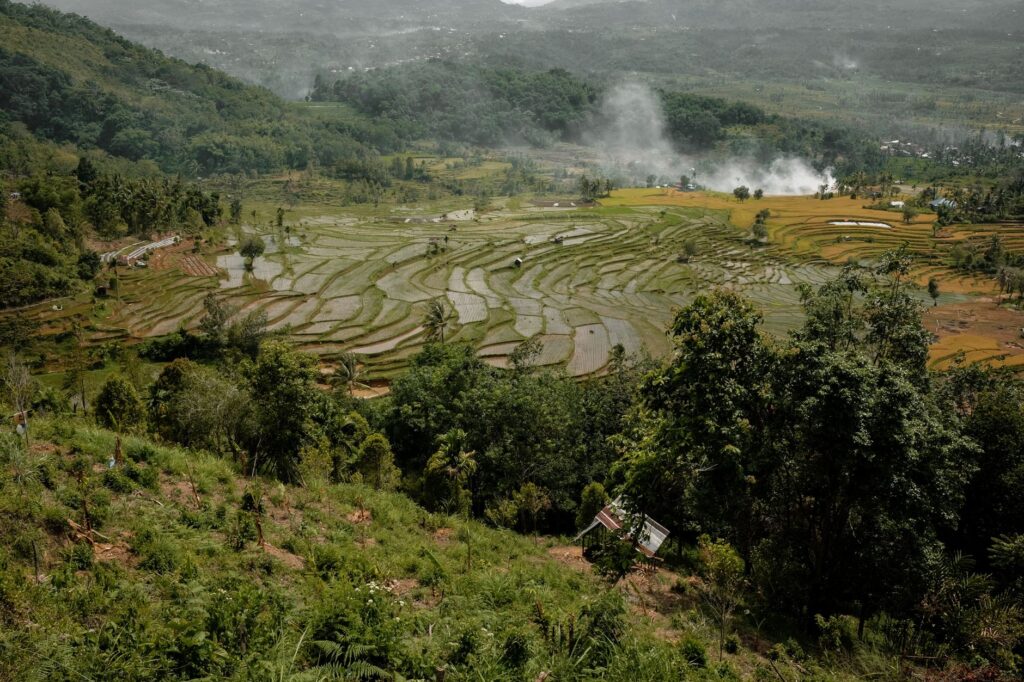
The original layout not only connected extraction centers with the coast but integrated the bustling markets of Padang Panjang and Bukittinggi into a unified network. The original steam locomotives, many manufactured in the Netherlands and Germany, were specially designed with auxiliary cylinder systems to engage the toothed bars of the rack-and-pinion tracks. This technological deployment radically transformed the agrarian and commercial economy of the Minangkabau plateau, replacing slow caravans of porters and oxcarts with a regular flow of passengers and freight that laid the groundwork for regional modernization in the Dutch East Indies.
Rack-and-Pinion Engineering on Extreme Slopes
One of the most notable aspects of Sumatra’s railway infrastructure is the section winding through the Anai Gorge, where the track ascends narrow canyons carved by the Batang Anai River. In this sector, slopes reach inclinations of up to 7 %, an unsustainable gradient for conventional adhesion trains. The implemented solution was the adoption of the Abt rack-and-pinion system, where a central toothed bar installed between the rails allows the locomotive’s cogwheels to engage firmly, guaranteeing traction on the steepest ascents and safe braking on descents.
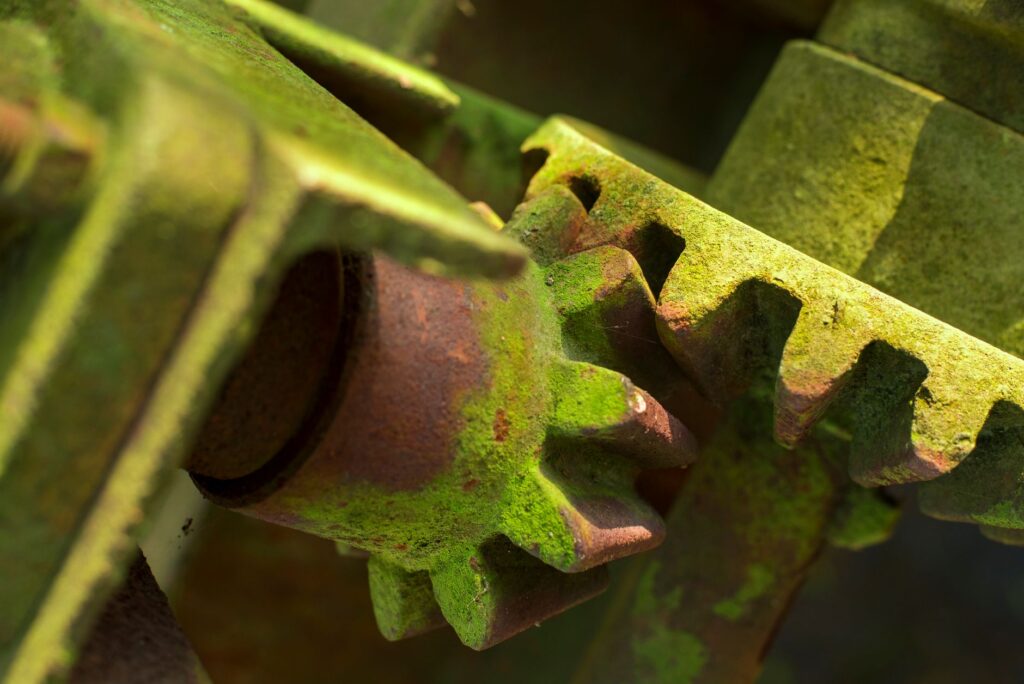
The operation and maintenance of these rack sections demand millimeter precision. The steel teeth suffer accelerated wear due to constant friction and thermal variations caused by the tropical climate. Track maintenance teams from Indonesia’s state railway company conduct continuous manual inspections, walking the gorges to check bolt tightness and the precise alignment of the toothed bars. Any negligence in this terrain can prove catastrophic, given that safety margins on these mountain ledges are virtually nonexistent.
The Daily Pulse: Passengers, Markets, and Century-Old Stations
Beyond its technical value, the West Sumatra railway network has historically functioned as the social thread of the Minangkabau community. The train stations, constructed with a peculiar vernacular architecture combining buffalo-horn-shaped roofs—characteristic of traditional *rumah gadang* houses—with European industrial functionality, act as the true agoras of interior villages. On market days, platforms teem with farmers carrying sacks of cinnamon, Arabica coffee, and fresh vegetables destined for coastal distribution centers.
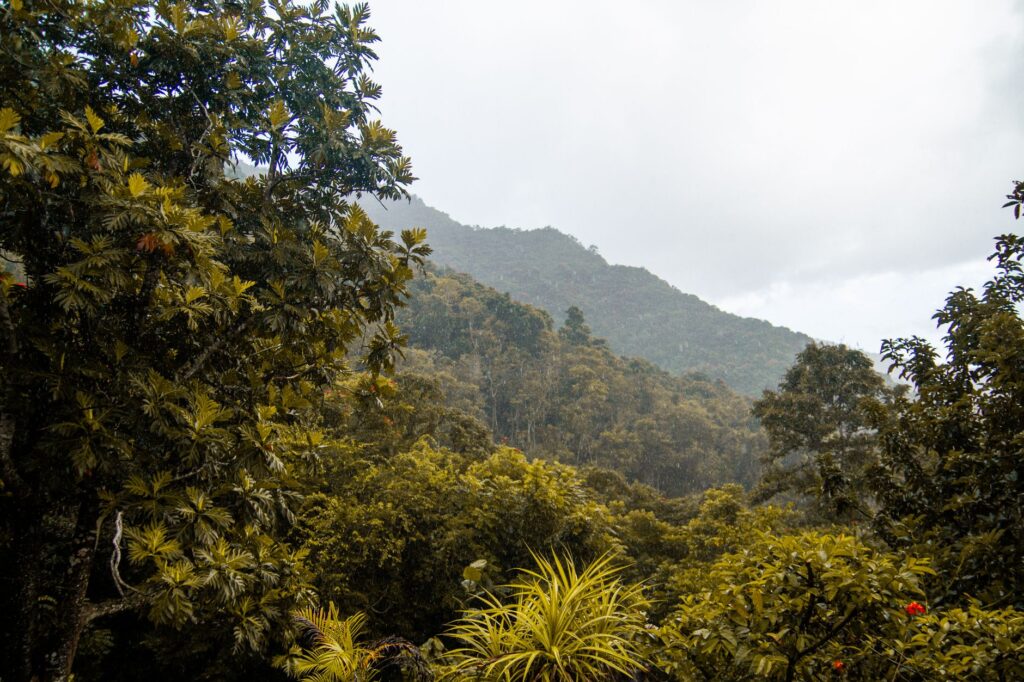
Unlike high-speed trains that prioritize passenger isolation, regional Sumatran convoys foster a deeply communal travel experience. The carriages, equipped with large windows remaining open to mitigate the equatorial heat, allow the scent of damp vegetation and the roar of mountain streams to flood the interior. Travelers share wooden and wicker seats, exchanging local news and goods in an atmosphere where time seems to pass at a different speed, untouched by the urgency of Indonesia’s large metropolises like Jakarta or Surabaya.
The train in Sumatra is not a mere means of transport; it is the invisible thread sewing mountain communities to the sea, resisting with iron patience the relentless advance of the jungle and modern oblivion.
Despite the warmth of these interactions, the number of daily services is limited, and delays are common due to technical or weather incidents. For inhabitants of rural villages far from main roads, the train nonetheless remains the only reliable transport medium during the rainy season, when mudslides frequently block asphalt and leave agricultural municipalities isolated for days.
Climate Challenge and Corrosion in the Equatorial Jungle
The greatest enemy of the railway system in Sumatra is not heavy traffic, but nature itself in its most exuberant expression. The combination of constant warm temperatures, annual precipitation exceeding four thousand millimeters in some areas, and relative humidity rarely dropping below 80 % creates a highly corrosive environment. Nineteenth-century metal bridges require permanent anticorrosive maintenance, a complex and costly logistical task demanding special paints capable of resisting salt spray carried by coastal winds and organic acids from the jungle.
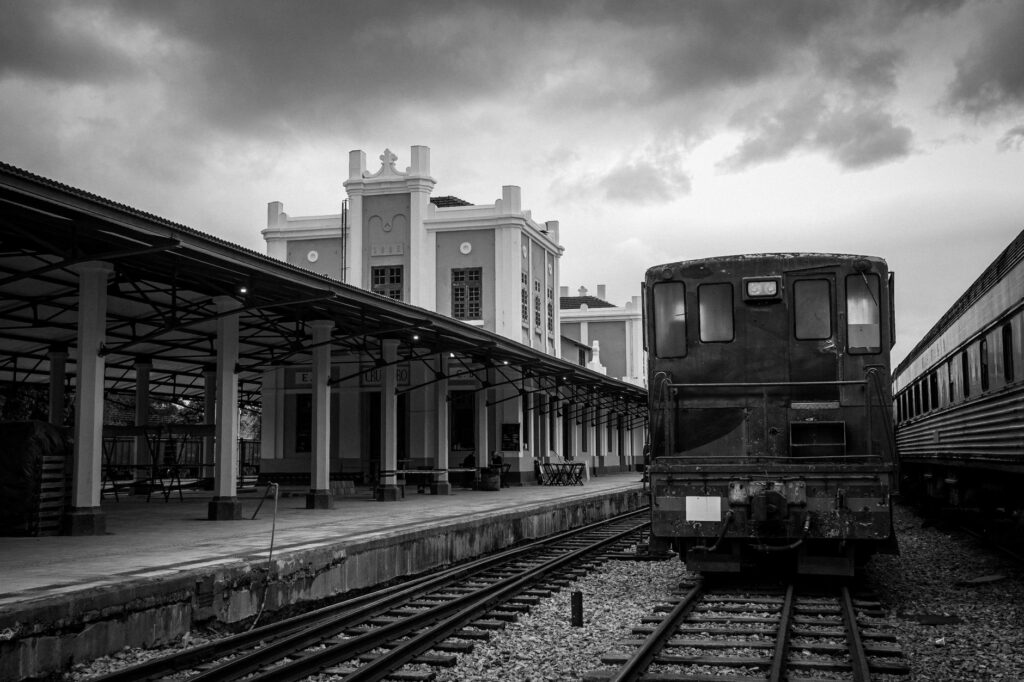
Likewise, tropical vegetation possesses astonishing regenerative capacity. Tree roots and invasive vines undermine retaining wall foundations and lift sleepers if maintenance crews neglect clearing work for even a few weeks. Local engineers must also contend with slope erosion caused by deforestation on upper slopes, an environmental problem exponentially increasing the risk of mudslides over the tracks. Keeping this corridor operational is, therefore, a daily battle against decay and the relentless advance of the jungle.
Heritage Restoration and the Tourism Renaissance
Over the past two decades, West Sumatra authorities, in collaboration with Indonesia’s Ministry of Transport, have launched ambitious initiatives to rescue emblematic sections of the railway network for tourism and cultural purposes. The most prominent project has been the restoration of the iconic steam locomotive known as *Mak Itam* (Black Grandpa), a Mallet model manufactured in Germany in 1921 that roared back to life in the Sawahlunto valleys after decades of inactivity. This recovery effort has not only restored pride to local residents but has breathed new economic life into the region through the arrival of travelers interested in industrial heritage.
Tourist trains operate intermittently, attracting railway enthusiasts from around the world alongside Indonesian families interested in rediscovering their history. However, experts warn that a purely tourism-focused approach must not overshadow the need to modernize infrastructure for local freight and passenger transport. The long-term sustainability of the West Sumatra line depends on finding a financial and operational equilibrium justifying public investment in such a complex geography.
Practical guide
Planning a trip to explore West Sumatra’s railway infrastructure requires patience, flexibility, and a deep respect for local rhythms. Below are the essential aspects for navigating this route safely and knowledgeably.
Getting There: The primary entry point to the region is Minangkabau International Airport (PDG), located about 23 kilometers north of Padang, with frequent air connections from Jakarta and Kuala Lumpur.
When to Travel: The dry season, spanning from May to September, offers the most stable conditions for road travel and enjoying railway journeys without interruptions from monsoon rains.
Railway Logistics: Regular passenger services are limited and subject to frequent modifications due to maintenance work. Consulting updated local schedules at the main stations of Padang Panjang or Sawahlunto before initiating any journey is essential.
Accommodation: The cities of Bukittinggi and Padang offer the best hotel infrastructure, ranging from family-run guesthouses to traditional hotels adapted within old colonial mansions.
Health and Safety: Obtaining travel insurance covering activities in remote mountain and rural areas is advisable. Carrying highly effective insect repellent and slip-resistant footwear is fundamental for exploring gorges and historical stations.
Epilogue on Rails and Mists
As evening falls, when tropical mist descends from volcanic peaks to embrace corrugated tin roofs and old freight platforms, Sumatra’s railway network reveals its true essence. It is not merely a collection of rails and wooden ties subjected to the rigor of the equatorial climate, but a living monument to human perseverance in one of the planet’s most challenging environments. Hearing the distant echo of a locomotive whistle resounding in the Anai Gorge is understanding that connectivity in these highlands is measured not solely in tons transported or minutes saved on a journey, but in the capacity to keep communities united against the immensity of the jungle and the fragility of time.