
Venturing into the depths of Jiuzhaigou National Park, located in the Aba Tibetan and Qiang Autonomous Prefecture, demands an understanding of a geography where ancient Asian tectonics have sculpted a symphony of calcareous travertines, stepped waterfalls, and mountain lakes so crystal clear they challenge optical perception. Unlike high-altitude routes where the alpine terrain is bare and unforgiving, this eastern Tibetan corridor unfolds beneath a dense mantle of mixed and coniferous forests that shift their colors with millimeter precision to the rhythm of the seasons. Planning an extended hiking and exploration trek in this valley is not an exercise in casual outdoor improvisation, but a complex immersion in a highly protected ecosystem where state conservation regulations dictate every step of the traveler.
The central question guiding this expedition interrogates the feasibility of reconciling mass boardwalk tourism with the true spirit of hiking exploration in a fragile valley, where every square meter of soil is meticulously monitored by Chinese authorities. Through this report, we will examine how experienced trekkers can navigate logistical restrictions, interpret the karst topography of its multicolored lakes, and structure a route that goes beyond traditional electric bus viewpoints, reclaiming the autonomy of travel on foot along ancient forest paths connecting the hidden valleys of Shuzheng, Zechawa, and Hari.
Karst Topography and the Hydrological Pulse of the Min River Basin
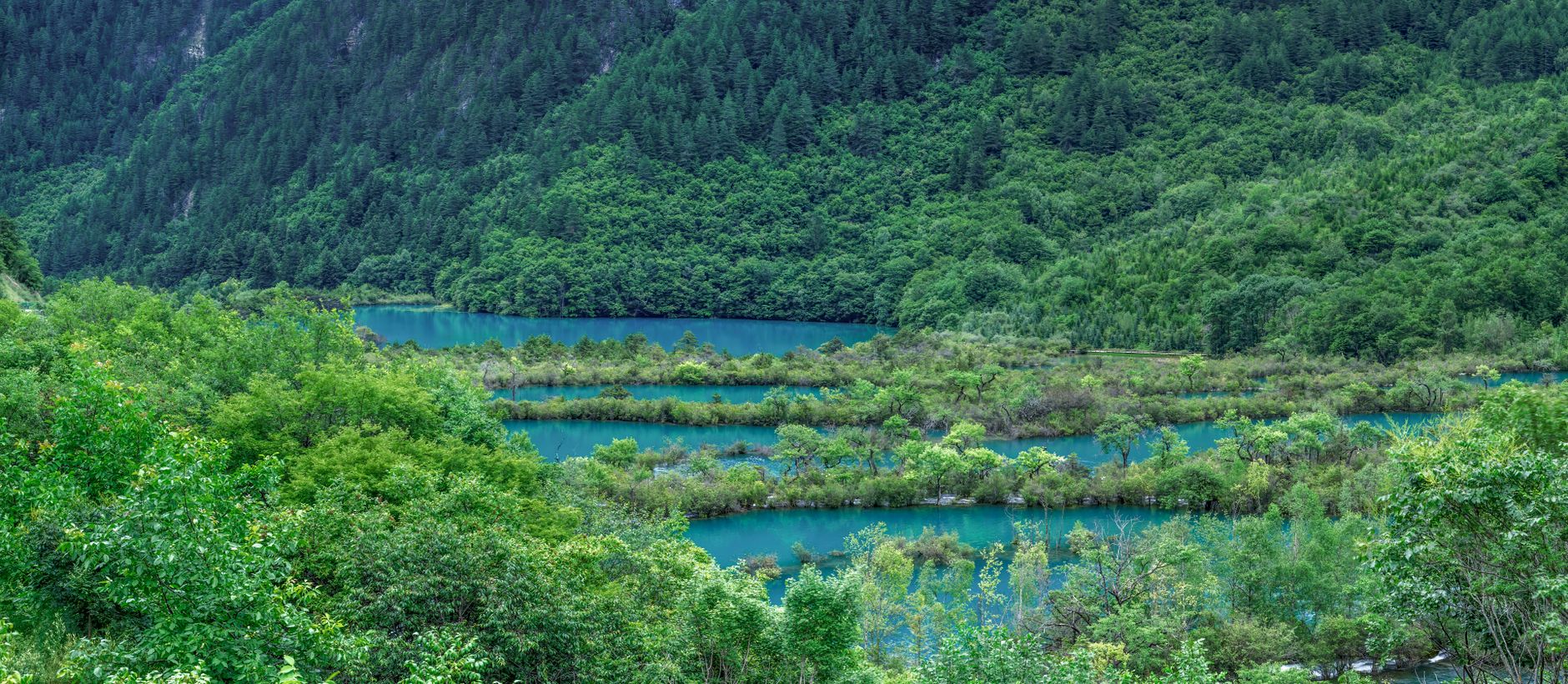
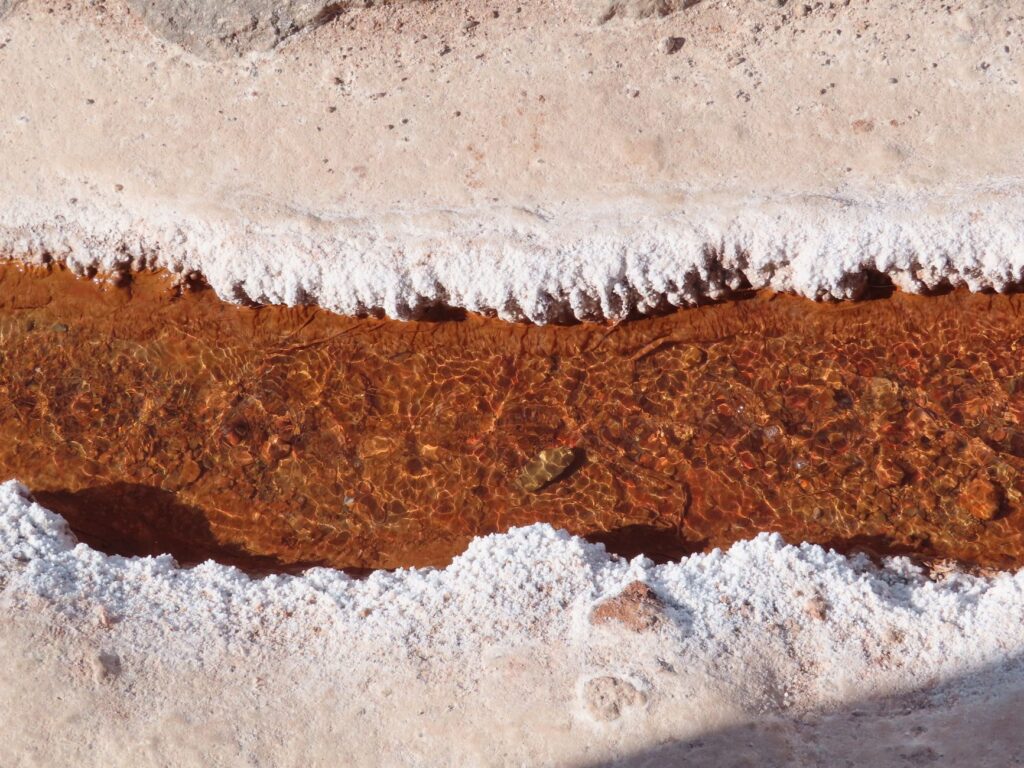
The territory comprising Jiuzhaigou—whose name poetically translates as the Valley of the Nine Tibetan Villages—rests upon a limestone bed subjected to karst dissolution processes for millennia. This geological phenomenon is directly responsible for the visual singularity of the place: melting snow and precipitation water dissolve calcium carbonate during its descent from the snow-capped peaks, depositing it in the form of natural dams made of calcareous tufa or travertine. These transverse dams act as authentic natural barriers that divide rivers into stepped waterfalls and give rise to dozens of lakes or haizi, whose chromatic palette ranges from deep emerald green to the most luminous turquoise.

From a purely exploratory perspective, understanding this hydrological dynamic is essential for anticipating terrain conditions. The trails running parallel to Panda, Mirror, and Long lakes require footwear with excellent grip due to constant environmental humidity and wooden boardwalks soaked by morning mist. The park’s altitude, ranging from 2,000 meters at the valley mouth to over 3,100 meters at the upper end of Zechawa, introduces an acclimatization factor that must not be underestimated. Although the slopes lack the alpine verticality of the great Himalayan giants, sustained aerobic effort above three thousand meters requires careful management of heart rate and hydration.
Access Logistics and State Permit Systems
Accessing the Jiuzhaigou region requires transport and administrative planning machinery that differs radically from self-guided treks in Europe or North America. The usual starting point is the city of Chengdu, capital of Sichuan Province, from where travelers can take a domestic flight to Jiuzhaigu Huanglong Airport, located about 88 kilometers from the park entrance, or opt for a terrestrial route of approximately eight to ten hours through high mountain roads winding through the Min River gorges.
Once at the park gate, visitors face one of the strictest tourism management regulations on the Asian continent. Camping within the national park boundaries is strictly prohibited, and free roaming outside designated circuits carries severe penalties. For hikers seeking a deeper experience, the key lies in using official eco-buses to cover long distances between valleys and disembarking at strategic points to walk lateral footpaths running parallel to the main roads, allowing travelers to escape the bustle of organized tour groups and connect intimately with the forest.
Forest Architecture and Endemic Flora of Eastern Tibet
Jiuzhaigou’s forest ecosystem represents one of the most important temperate and subalpine biodiversity reserves in China. As the trail gains elevation, the vegetation undergoes a striking transition from deciduous forests dominated by birches, maples, and oaks to imposing coniferous masses ruled by Sutchuen firs and Chinese white pines. During autumn months, this plant mosaic ignites in an array of ochres, copper reds, and intense yellows that reflect upon the tranquil lake waters, creating a visual aesthetic that has inspired traditional Chinese landscape painting for centuries.
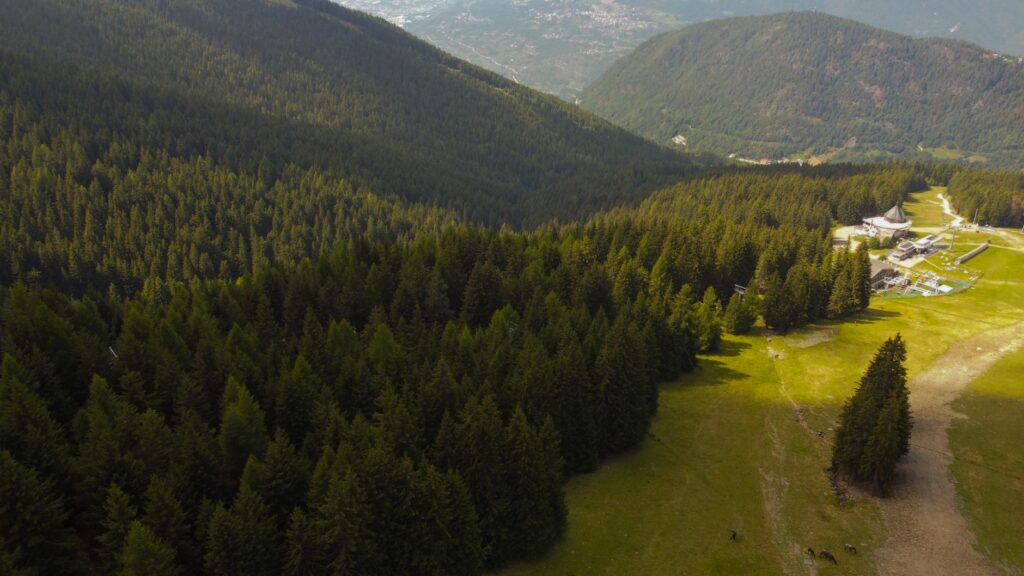
For the attentive observer, the forest floor reveals an understory rich in ferns, endemic mosses, and a wide variety of fungi that thrive thanks to the constant humidity of the local microclimate. Wildlife, though elusive due to high human influx on main arteries, includes emblematic species such as the giant panda, the takin—a large-bodied goat-antelope adapted to mountain forests—and the golden snub-nosed monkey, whose habitats are strictly protected in the peripheral and most inaccessible zones of the valley.
True exploration in Jiuzhaigou is not about conquering unscalable peaks, but about learning to listen to the murmur of water over travertine while the Tibetan forest closes in silence around the traveler.
Walking these secondary paths demands absolute respect for Leave No Trace principles. Unlike other destinations with rudimentary infrastructure, state cleanliness here is an obsession, and any alteration of the natural environment is rigorously prosecuted. Trekkers must carry their own reusable hydration systems and manage waste with absolute neatness, conscious that they are transiting a natural sanctuary of extreme fragility.
Tibetan Communities and the Cultural Heritage of the Valley
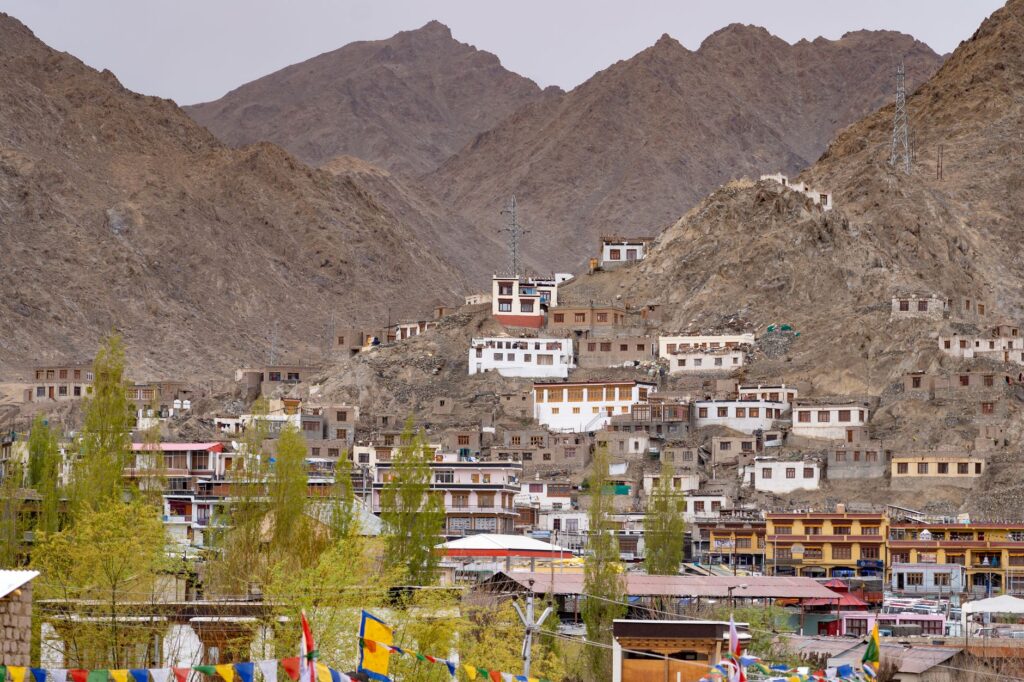
Jiuzhaigou’s landscape is not merely a masterpiece of geology and botany, but also a territory ancestrally inhabited by Tibetan and Qiang communities. The park’s name derives precisely from the nine traditional villages dotting the valleys, several of which remain inhabited today. Visiting settlements such as Shuzheng or Zechawa allows travelers to understand the area’s vernacular architecture, characterized by sturdy wood and stone houses adorned with protective symbols and Buddhist prayer flags fluttering in the wind.
The integration of these communities into the national park model has been a complex process, marked by economic transition from traditional agriculture and logging toward regulated tourism and local craftsmanship. Walking along trails near these villages, visitors can observe traditional water-driven prayer wheels and looms where wool blankets with ancestral geometric patterns are woven. This human contact provides an indispensable anthropological dimension to the journey, reminding travelers that the mountains of eastern Tibet have long been home to resilient cultures capable of thriving in harsh climatic environments.
Weather Planning and the Seasonal Challenge
The climate in the Jiuzhaigou basin is heavily conditioned by mountainous topography and continental monsoon influences. Winters are long, dry, and extraordinarily cold, with temperatures frequently plunging well below freezing, icing waterfalls and turning lakes into translucent ice surfaces. Spring brings gradual melting and an explosion of wildflowers in alpine meadows, though weather can remain highly variable and gusty.
Summer coincides with the monsoonal rainy season, characterized by frequent precipitation and persistent mists that drastically reduce visibility at high passes. For this reason, the optimal window for a hiking expedition concentrates between September and October, when rainfall decreases, daytime temperatures are moderate, and forests display their celebrated autumn chromatic spectacle. Trekkers must equip themselves with technical waterproof and windproof layering systems, as mountain weather conditions can shift in a matter of minutes.
The Hidden Route: Beyond the Main Boardwalks
For expeditionaries seeking to escape crowds concentrated at iconic spots like Nuorilang Waterfall or Five Flower Lake, alternatives exist within the legal framework that allow rediscovery of landscape solitude. The most effective strategy is to start early to catch the park’s first buses, heading directly to the head of the Zechawa valley and descending on foot along less-traveled forest trails running parallel to the main road yet hidden behind dense fir curtains.
These trail sections allow walking at the body’s natural rhythm, listening to the crunch of dry leaves and the song of endemic birds such as Lady Amherst’s pheasant. It is on these routes that Jiuzhaigou’s true nature reveals itself without commercial filters, offering an intimate perspective of the hydrological basin and appreciating the grandeur of travertine formations in absolute stillness.
Practical guide
How to get there: The main access is by flying from Chengdu to Jiuzhaigu Huanglong Airport (JZH) or via overland transport by road (long-distance buses or hired private vehicles). The road journey provides progressive acclimatization to altitude.
Permits and regulations: Acquiring national park entry in advance through official digital booking platforms is mandatory. Daily visitor quotas are strictly limited to protect the ecosystem. Free camping is not permitted.
Best time to visit: September and October offer the most stable weather conditions and the peak of autumn foliage. Spring (April to June) is ideal for enjoying blossoming meadows with lower tourist influx.
Recommended gear: Hiking footwear with high-traction soles and waterproof membranes, technical layering systems (thermal wear, fleece, and windproof/waterproof jacket), trekking poles with rubber tips, and a lightweight daypack for water and provisions.
The mountain does not yield its secrets to the hurried traveler, but to those who accept walking in silence and respecting the sacred rhythms of the territory.
In short, the traverse along Jiuzhaigou’s trails constitutes a high-mountain experience where natural beauty intertwines with rigorous conservation discipline. Far from being a mere photographic destination, this eastern Tibetan valley demands from the hiker an attitude of profound respect and impeccable logistical planning to discover, step by step, the true essence of its emerald forests and eternal waters.