
Introduction to Shikoku’s Rugged Topography
The island of Shikoku, the smallest of the four main islands forming the Japanese archipelago, has historically presented a titanic challenge for transport engineering. Its interior geography is dominated by the Shikoku mountain range, a stronghold of steep summits, enclosed river valleys, and limestone gorges that for centuries isolated northern communities from southern ones. Within this setting of extreme geographic complexity, the necessity to weave a viable overland communication network spurred one of Japan’s most fascinating railway projects: the trunk connection linking the northern coast at Takamatsu with the southern oceanic facade at Kochi.
This route represents much more than a mere transit corridor for passengers and freight; it stands as a monument to technical perseverance against an unyielding topography. From the earliest narrow-gauge alignments conceived in the late Meiji period to the modernization of contemporary tilting limited expresses, Shikoku’s railway corridor embodies the evolution of logistics in insular mountainous terrain. Throughout this report, we will examine how overcoming elevation gains, boring major mountain tunnels, and adapting to a rigorous monsoon climate have shaped a masterpiece of Japanese civil engineering.
Meiji Genesis and the First Narrow-Gauge Alignments
The origins of rail transport in Shikoku date back to the late 19th century, a period when the imperial Japanese government decisively promoted industrialization and territorial cohesion through track-laying. Unlike the plains of Kanto or Kansai, where construction progressed rapidly across flat terrain, pioneers in Shikoku faced an insurmountable mountainous barrier that fragmented the island into small, self-sufficient valley economies.
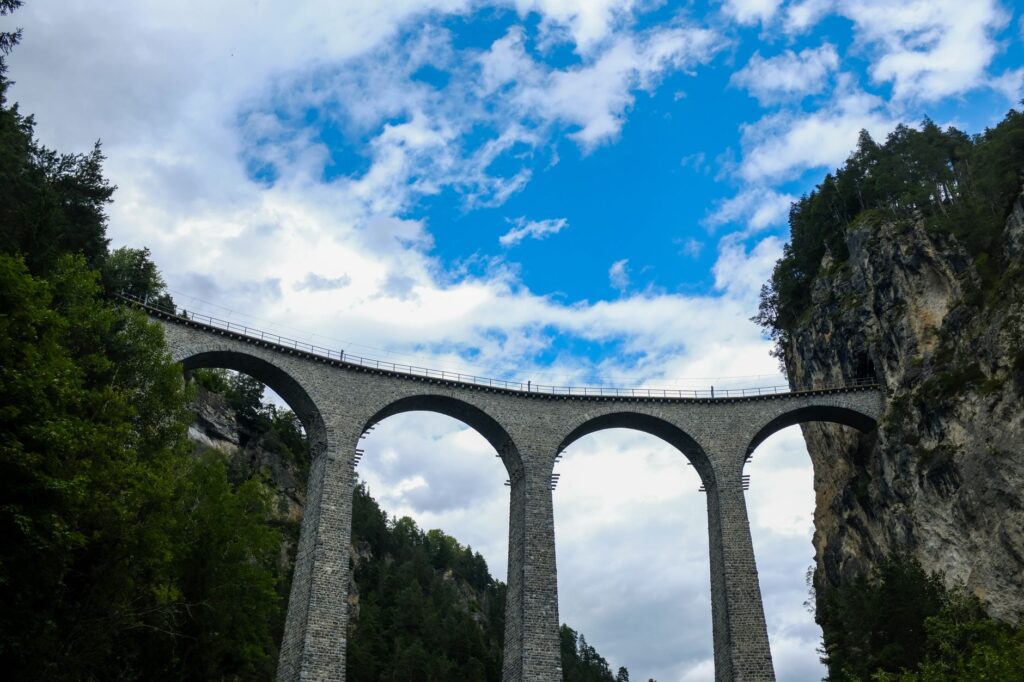
Early private and regional lines began operating in the 1880s, connecting small fishing ports and local agricultural hubs. However, the ultimate challenge lay in forging a central axis capable of cutting across the central mountain mass to link the Seto Inland Sea with the Pacific Ocean. Initial railway companies adopted the 1,067-millimeter narrow-gauge standard—known in Japan as narrow gauge—a decision dictated both by initial capital scarcity and by the geometric flexibility this gauge offered for sharp-radius curves along steep hillsides.
Tunnel Engineering and the Conquest of the Yoshino Gorge
The primary physical obstacle along the route between Takamatsu and Kochi is the Yoshino River and its network of tributaries, which have carved deep canyons through solid bedrock. To overcome these gorges, engineers had to resort to an uninterrupted succession of structural works, lattice iron viaducts, and, above all, a dense network of tunnels piercing the heart of the mountain range. The construction of these bores during the first half of the 20th century was carried out under extremely harsh labor and technological conditions, utilizing manual tools and controlled explosive charges inside unstable geological formations and underground aquifers.
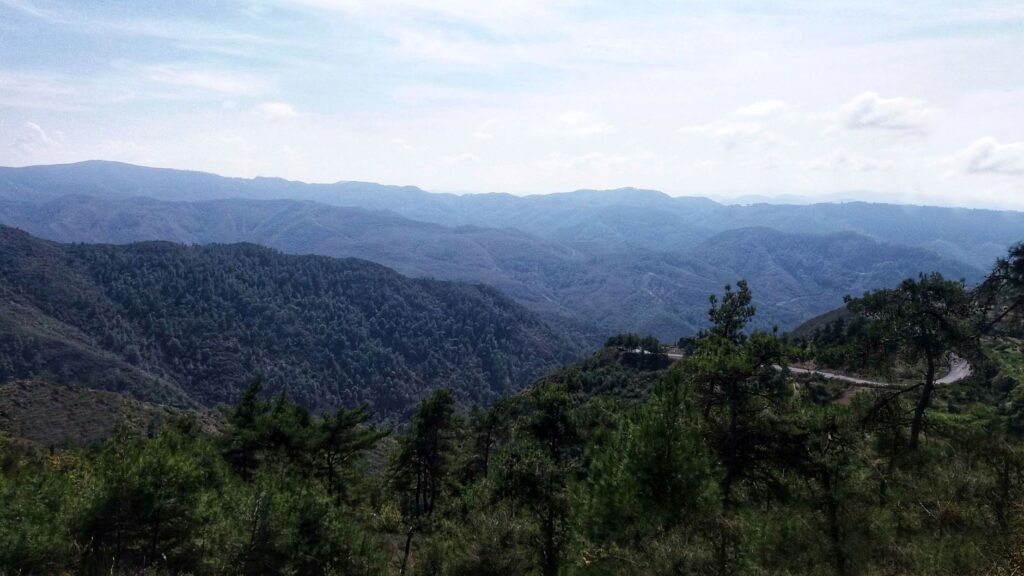
Every kilometer of track in the central section required precise calculations to prevent slope failures and ensure structural stability against the region’s intense seismic activity. The bridges soaring above the Yoshino River ravines were conceived with remarkable structural daring, employing high-strength reinforced concrete piers capable of supporting not only the weight of passing trainsets but also the sudden flood surges driven by summer typhoons.
The railway track in Shikoku is not merely a transit conduit, but a scar of geometric precision traced with steel and rock across Japan’s most untamed geography.
Insular Logistics and Integration into the National Network
With the nationalization of Japanese railways in 1906 and subsequent reorganization under JR Shikoku following the privatization of Japanese National Railways (JNR) in 1987, the corridor underwent profound logistical modernization. The definitive integration of this insular network with the main island of Honshu was completed with the opening of the monumental Seto Ohashi Bridge in 1988, a structural milestone enabling direct physical connection via passenger and freight trains between Okayama and Takamatsu.
From that landmark onward, Shikoku’s rail logistics shifted radically. Heavy freight transport declined in favor of specialization in high-efficiency passenger traffic and the touristic articulation of the territory. Timetable synchronization between local services and limited express trains drastically reduced journey times between the northern coast and Kochi, transforming a trip that once consumed entire days into a journey of a few hours through landscapes of immense scenic value.
The Era of the Tilting Diesel Engine and Uphill Speed
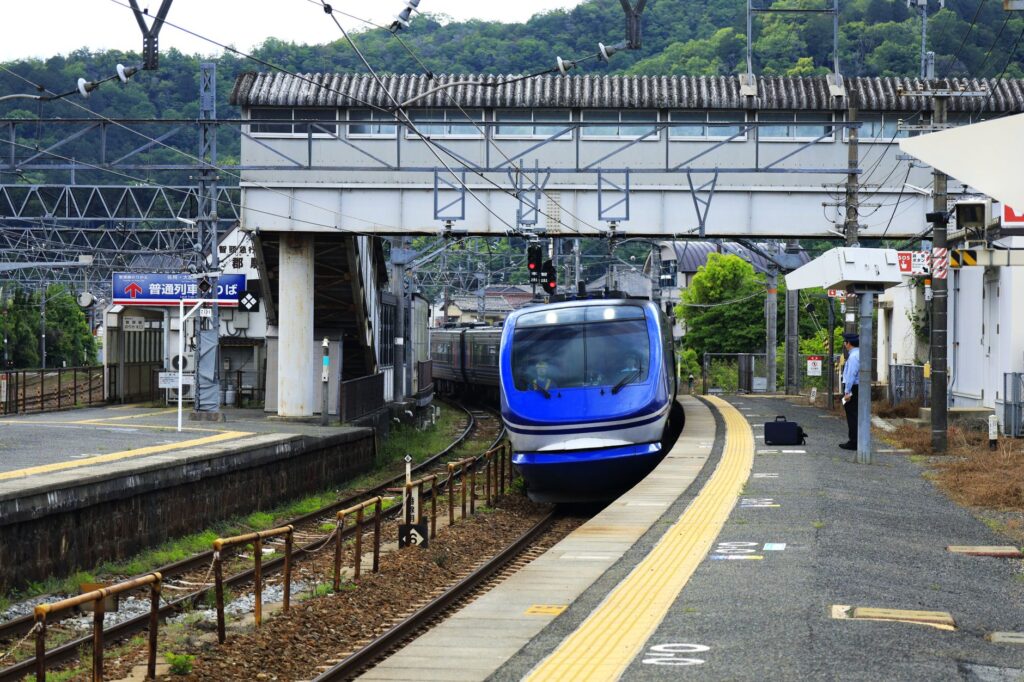
Due to the rugged terrain and lower population density compared to Honshu’s major metropolises, mass electrification of mountain lines in Shikoku has not always been economically viable or technically practical. For this reason, JR Shikoku pioneered the development and deployment of high-technology diesel multiple units equipped with active tilting systems.
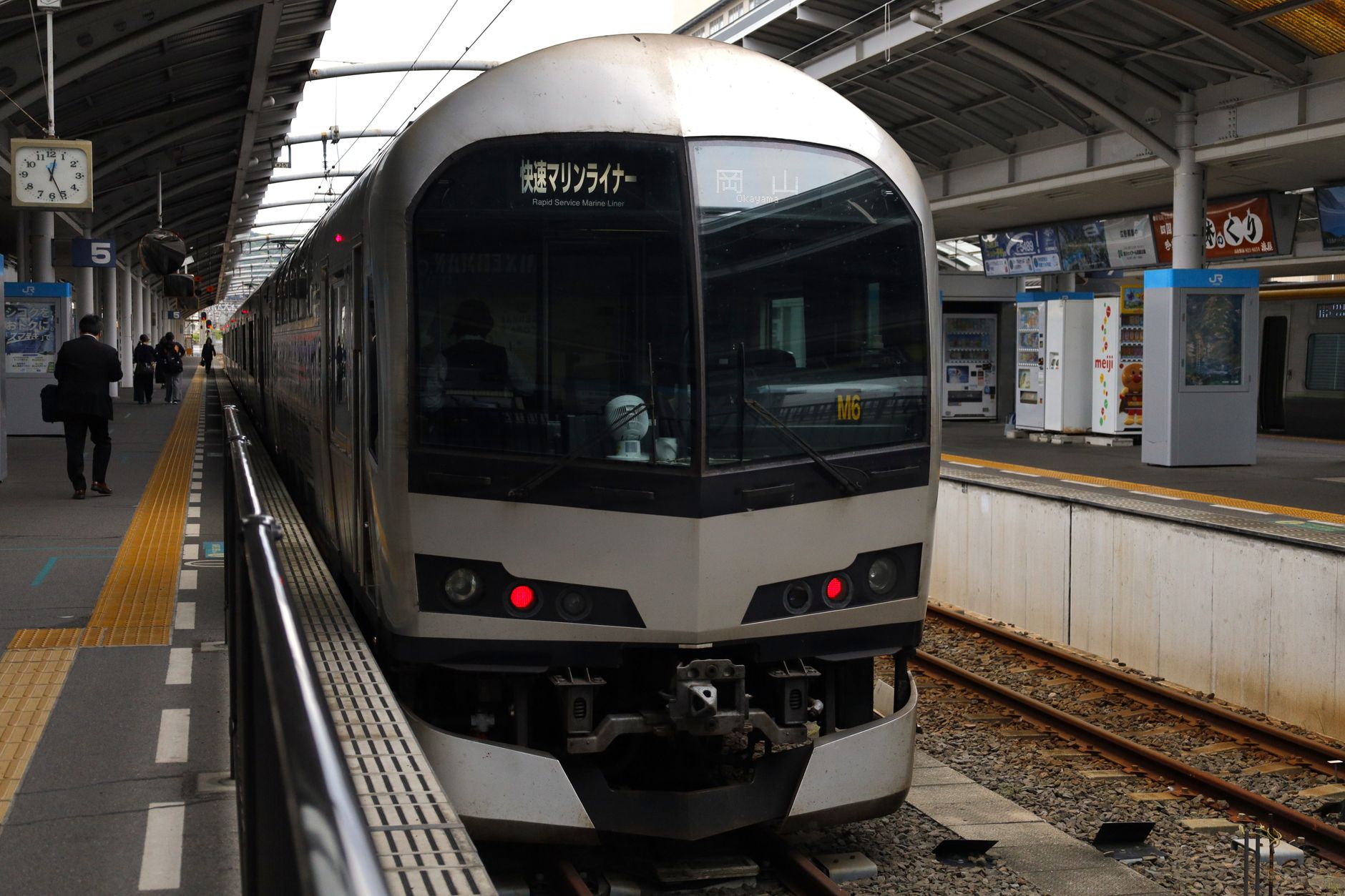
Emblematic rolling stock such as the 2000 series and its modern successors were specifically engineered to negotiate sharp curves across mountainous alignments at speeds significantly higher than conventional sets, without compromising passenger comfort or lateral stability. This hydraulically controlled tilting technology shaved crucial minutes off travel times through the most winding interior segments, demonstrating that mechanical innovation could overcome the limitations imposed by nineteenth-century infrastructure.
Railway Architecture and Mountain Stations in Remote Settings
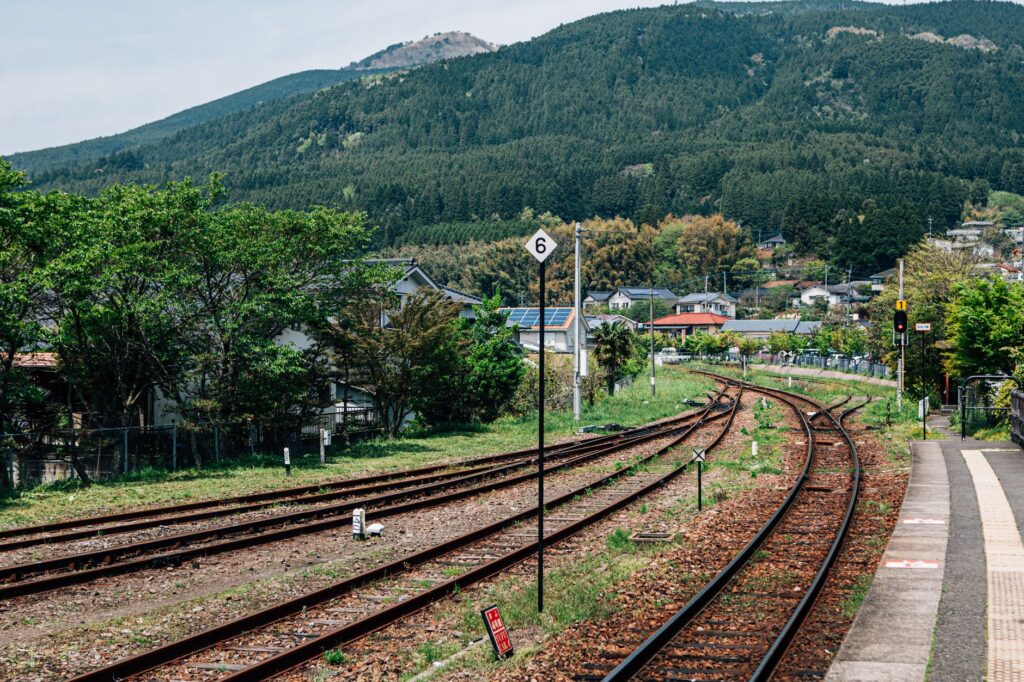
The architectural heritage associated with the Trans-Shikoku Railway reflects the functional austerity and deep respect for landscape characteristic of Japanese civil engineering. Stations situated along the mountain section—often wedged into narrow gorges or perched on wooded hillsides—stand out for their use of treated timber structures and traditional roofs designed to withstand heavy humidity and seasonal precipitation.
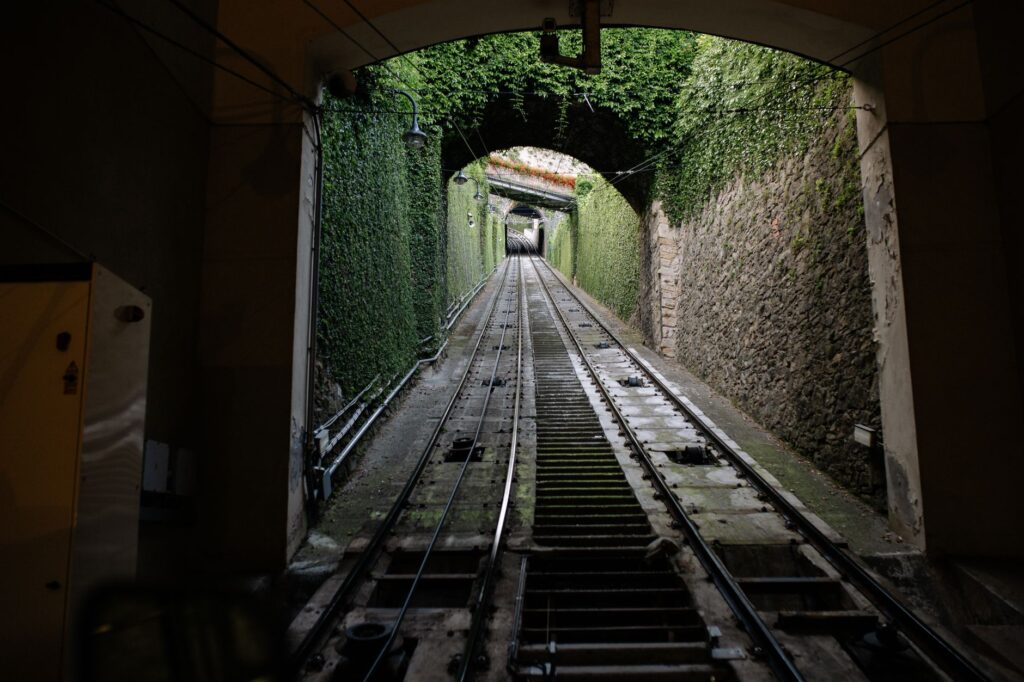
Some of these rail enclaves function as intimate community nodes where time seems to have slowed its pace. Narrow platforms flanked by cyclopean stone retaining walls offer the contemporary traveler an intimate perspective of rural life within the interior valleys. The preservation of these century-old assets is carried out under strict heritage guidelines, keeping manual switch cabins and historical signaling systems operational alongside modern digital traffic control architectures.
Contemporary Challenges: Depopulation and Climate Sustainability
In the 21st century, the Trans-Shikoku Railway faces profound socioeconomic and environmental challenges. The progressive depopulation of the island’s interior rural zones and the demographic aging of its inhabitants raise complex questions regarding the financial sustainability of maintaining high-frequency rail operations in low-demand areas.
Added to this is the mounting threat of climate change, which increases the frequency and intensity of extreme weather events—such as torrential rains and landslides capable of disrupting service across vulnerable mountain segments. To mitigate these risks, railway authorities have implemented automated early-warning systems based on geotechnical sensors and real-time rain gauges, ensuring that operational safety remains the fundamental pillar upholding this historic corridor’s future.
Practical guide
Planning a journey along the rail corridor between Takamatsu and Kochi requires understanding the operational particulars of the network managed by JR Shikoku. The essential logistical aspects for undertaking this traverse with precision and efficiency are detailed below.
- Main Itinerary: The trunk route connects Takamatsu Station (in Kagawa Prefecture) with Kochi Station (in the prefecture of the same name), crossing the mountainous heart of the island via the Yoshino River valleys.
- Service Type: The primary journey is operated by Limited Express trains equipped with tilting technology to optimize speed across winding sections. Seat reservations are essential during peak travel seasons.
- Transport Passes: The nationwide Japan Rail Pass is valid across all JR Shikoku lines. Additionally, the company offers specific regional passes such as the Shikoku Rail Pass, which optimizes costs for extended stays within the island.
- Connectivity and Schedules: Frequencies range from one to two services per hour on main connections. Travelers should consult updated digital displays and local rail navigation apps due to potential schedule adjustments caused by adverse weather.
- Support Infrastructure: Major stations feature automatic lockers and bilingual tourist information offices, while secondary rural stops operate with automated IC card validation systems.
- Best Time to Visit: Spring (April and May) and autumn (October and November) offer stable weather conditions and richly colored landscapes, minimizing the risk of disruptions from summer typhoons.
Mountain railway engineering in Shikoku proves that the union of tradition and advanced technology is the sole pathway to preserving territorial memory across the most challenging landscapes.
Emotional Epilogue on the Kochi Coast
When the train finally descends from the gloomy summits and exits the last limestone-bored tunnel, the landscape opens abruptly toward the blue horizon of the Pacific Ocean. At the terminus in Kochi, the saline air permeates the platforms and disperses the metallic echo of the diesel engines that have challenged the gradient for hours. In this insular stronghold, where the fierce sea clashes against ancient cliffs, the traveler grasps the true magnitude of the journey: a titanic engineering feat that successfully stitched mountain abysses with steel threads, allowing life and culture to flow uninterrupted between once-inaccessible valleys.