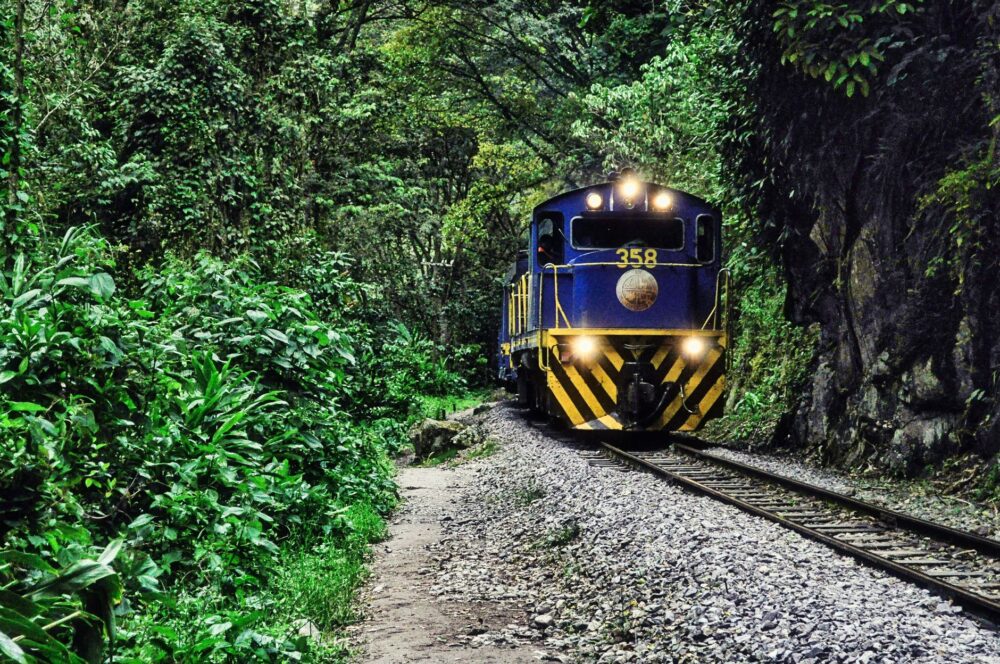
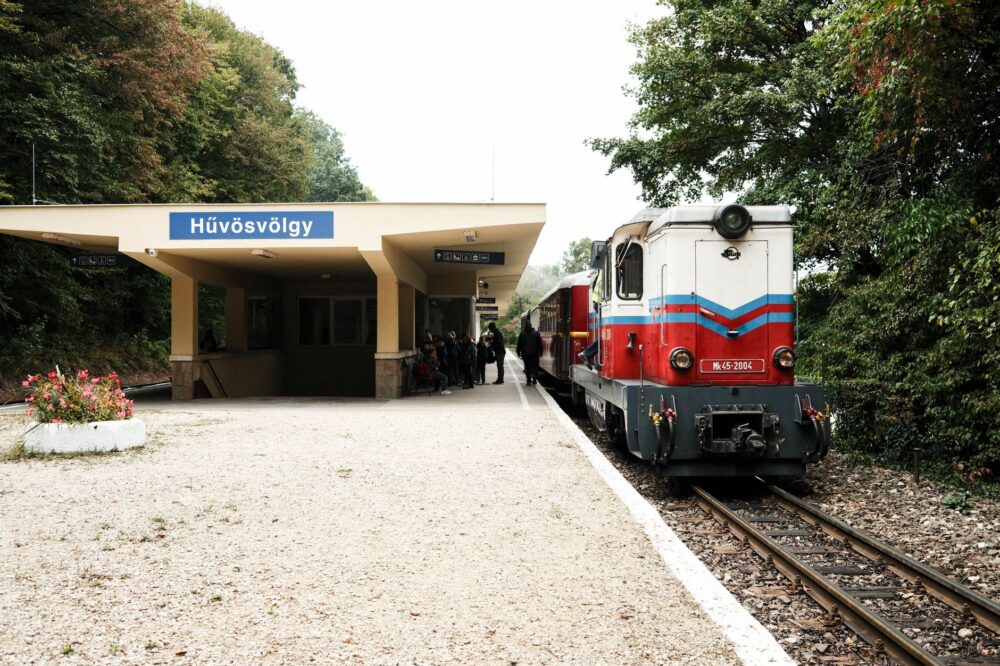
Origins and Ambition in the Heart of Wales
The history of the rail connection between Shrewsbury and Aberystwyth represents one of the most fascinating chapters of nineteenth-century British civil engineering. At a time when the Industrial Revolution demanded a communications network capable of mastering the island’s rugged geography, the project to link the English border with the western coast of Wales stood as a titanic challenge. Engineers had to trace routes through deep river valleys and wind-swept moors, establishing a vital corridor for the transport of goods, local livestock, and later, travelers seeking the sea air of Cardigan Bay.
This layout did not emerge from a single master plan, but rather from the convergence of several smaller railway companies that, after multiple mergers and financial hardships, managed to consolidate the Cambrian main line. The topography of mid-Wales imposed severe conditions: steep gradients, the need to erect masonry viaducts over rushing torrents, and the excavation of tunnels through unstable rocky ridges. Every kilometer won from the mountain demanded innovative technical solutions and the backbreaking labor of navvy crews working with rudimentary tools under frequently adverse weather.
Valley Topography and the Challenges of the Track
As the train leaves the gentle countryside of Shropshire in Shrewsbury and crosses the Welsh border into Montgomeryshire, the landscape transforms radically. Open fields give way to rolling hills that quickly rise into the imposing massifs of central Wales. The railway runs parallel to watercourses such as the River Severn and later the River Dovey, taking advantage of natural gorges carved over millennia. This reliance on river valleys exposes the infrastructure to seasonal floods and hillside landslides, necessitating continuous maintenance from the Victorian era to the present day.
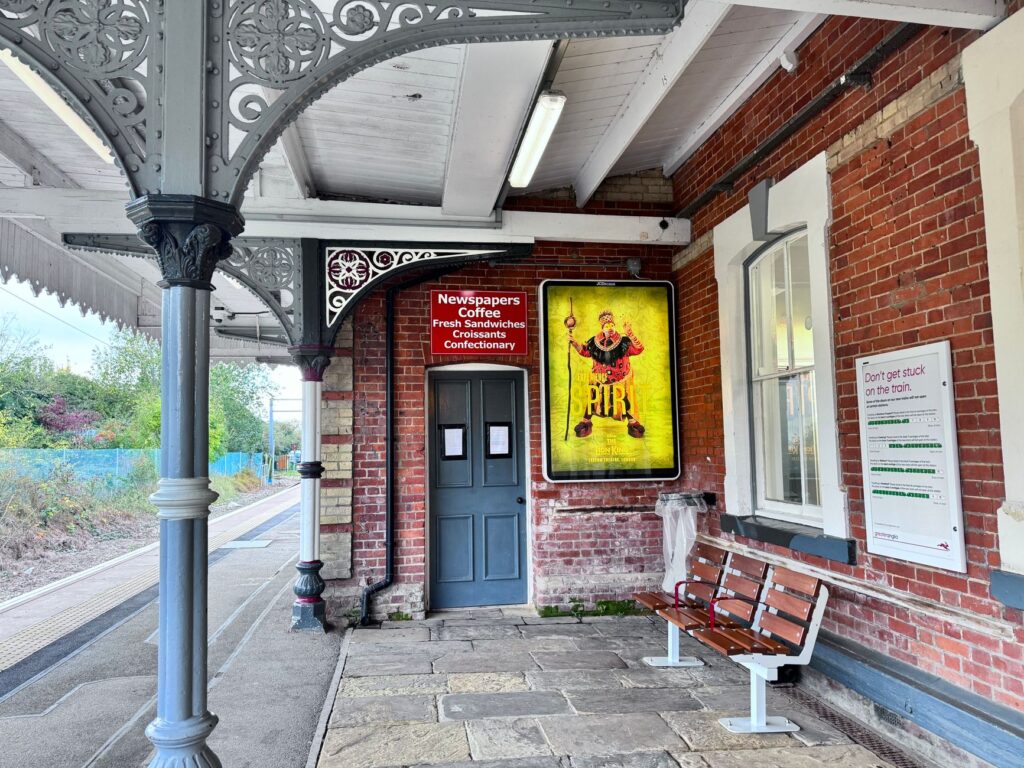
One of the most notable technical milestones along the route is found in the ascent toward the highlands and the crossing of gorges where the terrain’s elevation demands steep inclines. The original steam locomotives required exceptional power and frequent water stops, while modern diesel sets must manage regenerative braking and traction with pinpoint precision under low-adhesion conditions caused by persistent rain and falling autumn leaves. Slope stability and the upkeep of iron lattice bridges and stone arches continue to demand rigorous inspections by railway engineering teams.
The railway between Shrewsbury and Aberystwyth is not merely a transport link; it is an iron suture keeping isolated valleys connected to the economic pulse of the United Kingdom.
Railway Architecture and Stations with Memory
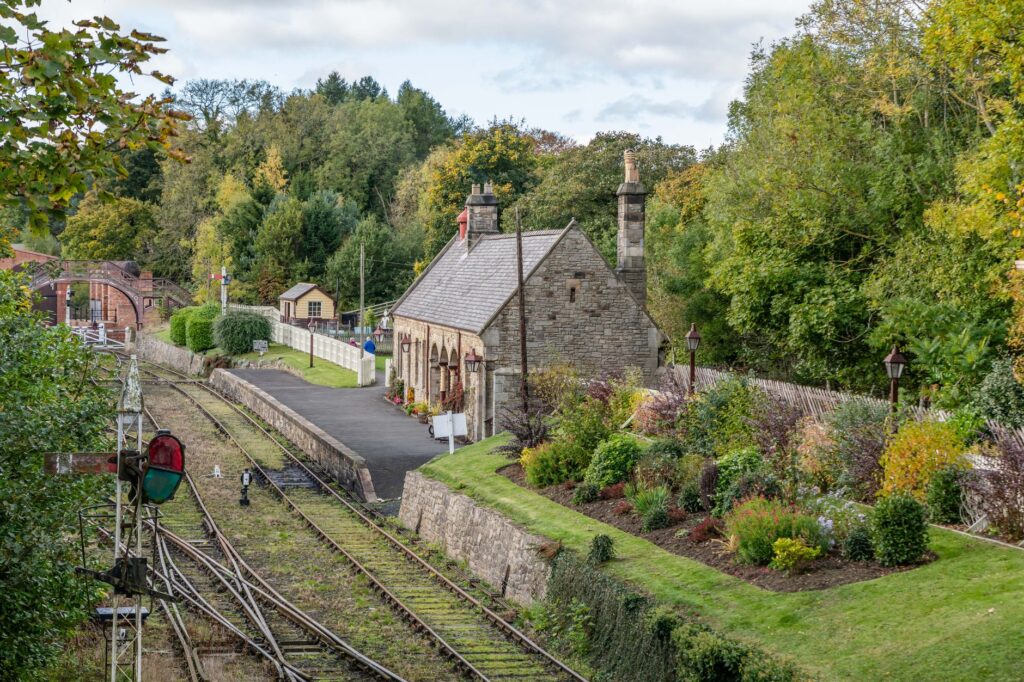
The architectural heritage associated with this line reflects the aesthetics and functionality of the late Victorian era. Intermediate stations, built with local stone, Welsh slate, and ornamental woodwork, often preserve their original platforms, signal boxes, and goods sheds. Enclaves such as Newtown, Llanidloes in its heyday, and Machynlleth act as living museums of British transport history, where mechanical signaling elements coexist with twenty-first-century automated control systems.
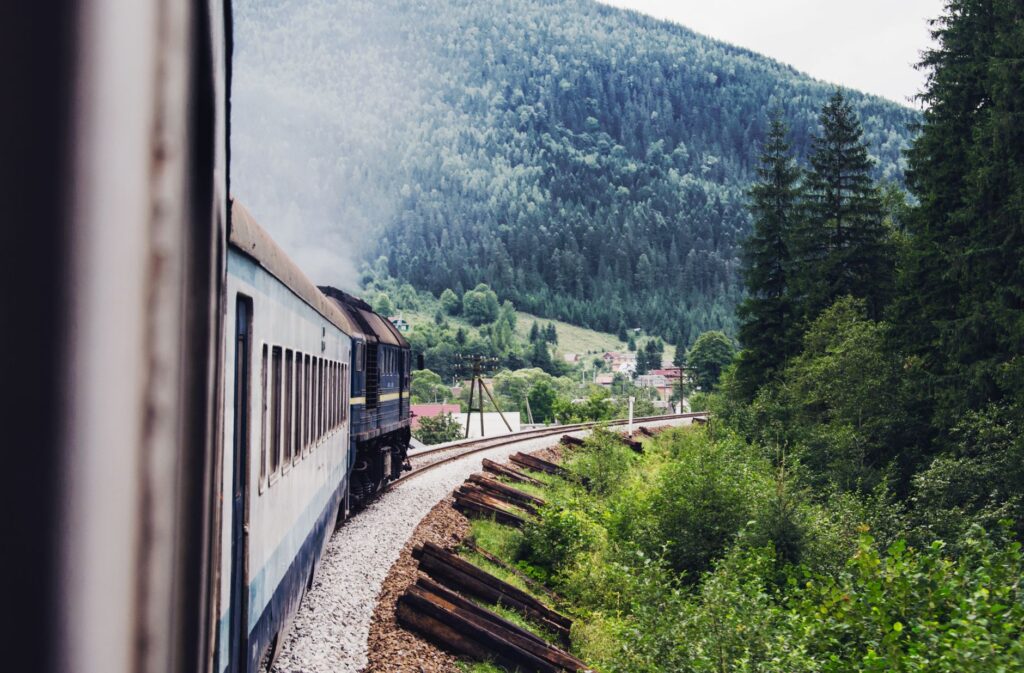
Machynlleth deserves special mention for housing not only a station of great architectural character but also the operational and maintenance headquarters for the regional fleet. Here, the daily logistics required to maintain punctuality on a single-track line with passing loops are managed. The preservation of these facilities demonstrates an institutional commitment to industrial heritage, allowing passengers to experience a journey that respects the human scale and traditional aesthetics of rural British railways.
Contemporary Logistics and Regional Connectivity
Today, the Shrewsbury-Aberystwyth line plays an irreplaceable role in the territorial cohesion of Wales. In a region where secondary roads are winding, narrow, and prone to summer congestion, the train offers a fast, safe, and sustainable alternative. University students heading to the Aberystwyth campus, residents traveling for work to Shrewsbury or Birmingham, and visitors exploring Snowdonia National Park and the Atlantic coast rely on this railway artery for their daily commutes.
Traffic management on a single-track line requires millimeter coordination. Trains operated by Transport for Wales must cross at specific stations equipped with double tracks, where modern signaling systems guarantee operational safety. Likewise, fare integration and synchronization with local bus services at hubs like Dovey Junction or Machynlleth maximize the efficiency of the network, making the railway the backbone of sustainable mobility in central Wales.

Socioeconomic Impact on Local Communities
The railway has historically shaped the demographics and economy of the small settlements dotted along its route. In the nineteenth century, it facilitated the export of wool, agricultural produce, and minerals extracted from the bowels of the Welsh hills. With the decline of traditional industrial activity, the line underwent a conversion toward the service sector and nature tourism, becoming an indispensable economic engine for rural districts that might otherwise suffer from depopulation.
Small commercial villages revive every weekend thanks to the arrival of hikers, cyclists, and ecotourists who use the train to access high-mountain trails and remote valleys. This steady flow of visitors energizes the local economy, boosting the opening of guesthouses, cafes, and small craft shops. Railway accessibility ensures that tourism in the region develops under parameters of lower environmental impact, reducing the carbon footprint associated with massive private car usage in protected rural areas.
Environmental Challenges and Climate Resilience
Operating a century-old railway line in such a demanding geographic environment poses monumental challenges in the context of climate change. Extreme weather events, characterized by intense precipitation and recurrent North Atlantic storms, have increased the frequency of flooding in river valleys and rockfalls in hillside cuttings. Transport authorities and infrastructure managers allocate significant resources to slope monitoring, drainage clearance, and the structural reinforcement of historic bridges.
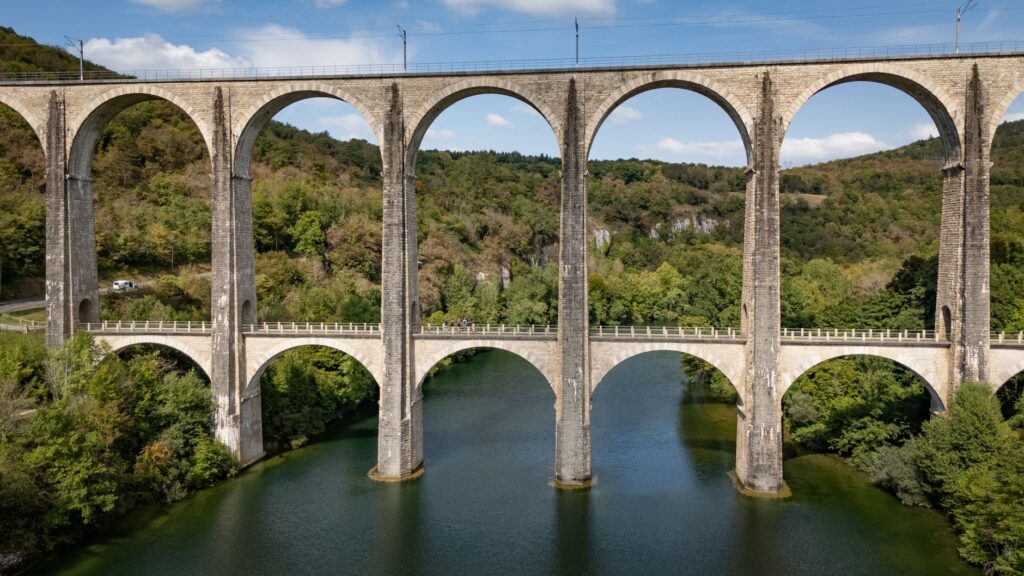
To guarantee the long-term viability of the railway corridor, advanced drainage works, rockfall containment netting, and the modernization of electrical and communications systems are periodically carried out. These preventive engineering tasks are indispensable for minimizing service interruptions and ensuring that the connection between Shrewsbury and Aberystwyth remains operational, cementing its status as an example of adaptation and resilience against new climatic realities.
The Future of Rail Transport in Western Wales
Looking ahead to the coming decades, partial electrification and the incorporation of hybrid or hydrogen traction technologies stand out as the next major steps to further reduce the emissions of railway transport in the British west. Although investment in low population density areas presents complex economic challenges, the Welsh government’s decarbonization strategy places the railway as the fundamental pillar to achieve climate neutrality in the mobility sector.
Additionally, improvements in passing frequency and commercial speed are being studied through the optimization of signaling systems and the targeted expansion of track sections. These initiatives aim to attract a larger number of users and consolidate an efficient public transport culture that definitively replaces road travel for medium and long-distance journeys, ensuring that the legacy of the Cambrian railway remains alive and adapted to twenty-first-century needs.
Practical guide
- How to get there: The main gateway to the line is Shrewsbury station, directly connected via regular train services from Birmingham New Street, Manchester, and London Euston.
- Journey duration: The complete trip between Shrewsbury and Aberystwyth takes approximately one and a half to two hours, depending on intermediate stops.
- Frequency: Trains operated by Transport for Wales run regularly throughout the year, with a frequency of approximately one train per hour on weekdays.
- Best time to visit: Spring and summer offer lush green landscapes and extended daylight hours, while autumn stands out for the copper tones in the forested valleys.
- Luggage advice: Bring waterproof clothing and appropriate footwear if you plan to combine the train journey with hiking routes in the valleys and mountains of mid-Wales.
- Reservations: Although seat reservations are not always mandatory on regional services, checking timetables and purchasing tickets in advance during holiday periods is recommended.
- Useful connections: From Aberystwyth, it is possible to connect with the Cambrian Coast line toward Pwllheli or use local bus services toward Snowdonia National Park.
Visual and Human Epilogue on the Atlantic Coast
When the railway convoy finally slows its pace and glides smoothly onto the terminal platform at Aberystwyth, the low rumble of the diesel engine merges with the distant echo of waves crashing against the sea wall. On the seats of worn wood and faded velvet, local passengers in thick coats and backpackers loaded with topographic maps share a moment of complicit silence before opening the doors to the salty breeze of the Irish Sea.
At the end of the line, the Atlantic greets travelers with its briny mist after they have crossed the backbone of Wales on century-old rails.
Outside the station, the golden evening light bathes the dark slate facades and Victorian rooftops of the coastal town, while seagulls trace concentric circles across the changing sky. This journey’s end synthesizes the very essence of train travel through the British highlands: a voyage where slow, unhurried movement allows one to absorb the poetic rawness of the landscape, connecting human activity with the timeless immensity of the Welsh nature.