
The Iron Scar Across South Africa’s Garden
Along the rugged southern coast of the Western Cape, where the Indian Ocean batters sandstone cliffs and the ancient, indigenous forests of Tsitsikamma guard timeless secrets, the Outeniqua Choo Tjoe railway line stands as one of the most audacious testimonies of nineteenth-century engineering on the African continent. This is not merely a heritage corridor designated for summer leisure, but a complex transport artery originally conceived to bridge the economic isolation between the interior agricultural basins and the commercial ports of the littoral. The region’s topography, characterized by abrupt river gorges and stepped plateaus, imposed from its inception a series of colossal challenges that demanded state-of-the-art technical solutions at a time when steam traction dominated the geopolitical chessboard of global transport.
The genesis of this layout dates back to the tail end of the nineteenth century, when British colonial authorities and local landowners realized that ox-wagon transport across the Outeniqua Pass was utterly unsustainable for the commercial development of the colony. Torrid rains turned dirt roads into impenetrable quagmires for months, paralyzing the flow of noble hardwoods, grains, and livestock. The decision to lay a railway track over vertical abysses was not an aesthetic whim, but an imperative logistical necessity to unify a territory fractured by orography. Engineers had to contend with a geologically unstable terrain where water seepage from the mountain forests constantly threatened to destabilize embankments and bridge abutments.
The Architecture of Abysses: Viaducts and Impossible Grades
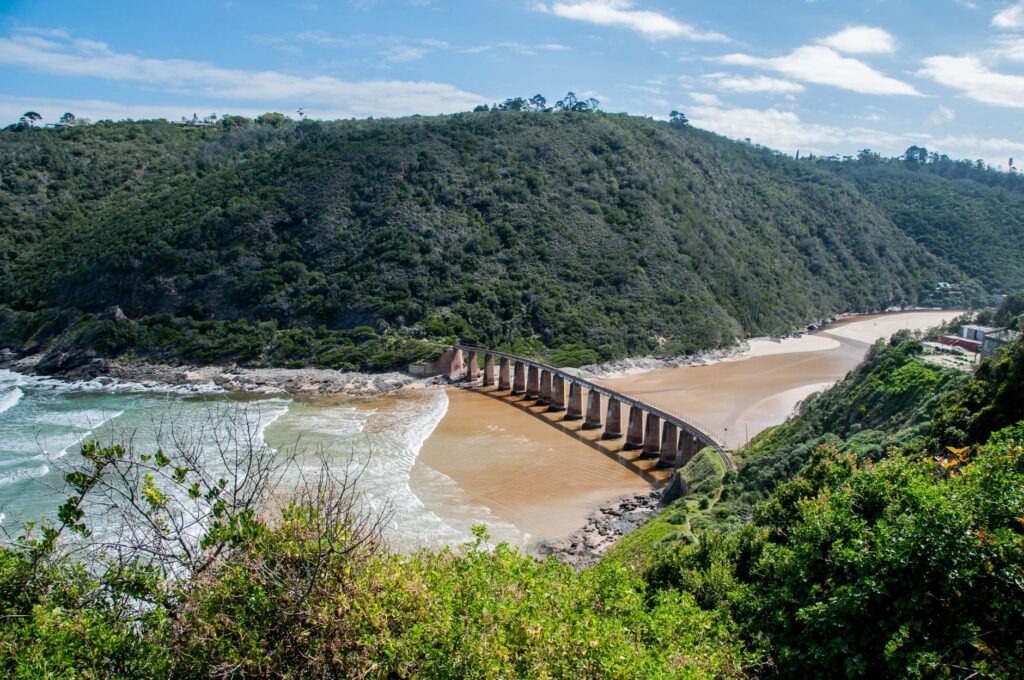
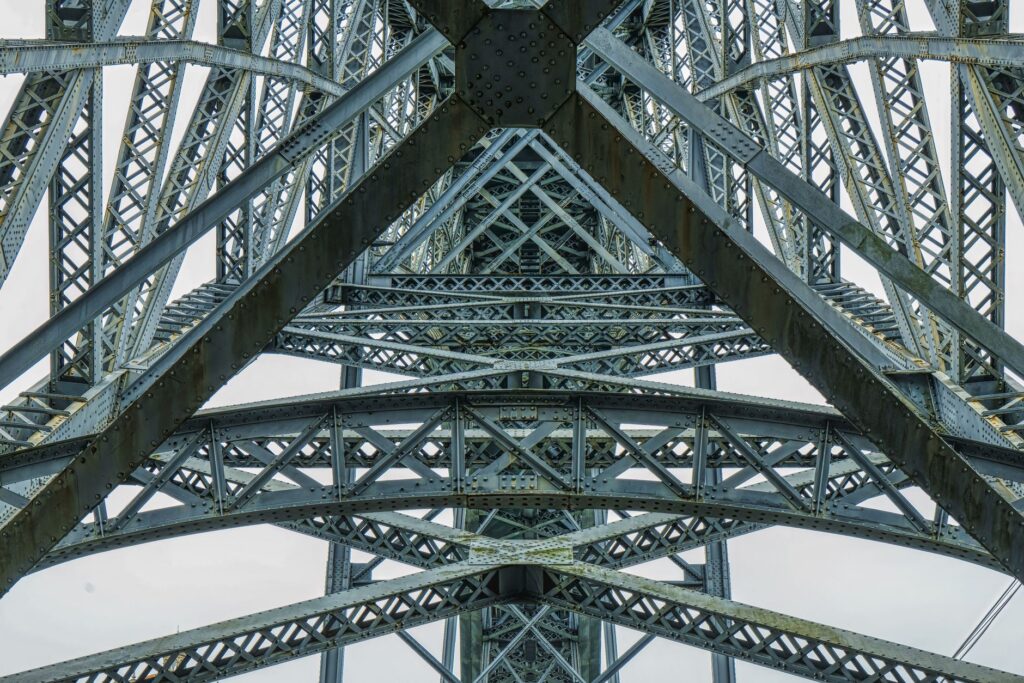
The layout of the Outeniqua Choo Tjoe is particularly notable for its civil architecture, designed to defy the laws of gravity in sections where the margin for error was literally nonexistent. Between George and Knysna, the track snakes its way past dizzying elevation drops through a system of compensated ramps and tight-radius curves that forced steam locomotives to operate at the absolute limit of their tractive capacity. Metal lattice bridges, transported in pieces from European shipyards and assembled by hand over ravines where rushing rivers roared, today constitute authentic open-air industrial cathedrals. Every beam, every rivet, and every buttress tells a story of human endeavor, where mixed crews of local laborers and European engineers battled against fevers, extreme humidity, and a scarcity of logistical supplies.
The crossing over the Knysna Lagoon estuary represents perhaps the culmination of this symbiosis between infrastructure and marine landscape. The track runs across an embankment and a swing bridge that for decades enabled amphibious coexistence between heavy rail traffic and coastal vessels penetrating from the ocean. Marine corrosion, driven by constant salinity and spring tides, demanded intensive, almost artisanal maintenance of the metal structure. The workers tasked with conservation had to apply successive coats of red lead and tar while suspended from precarious scaffolding, facing gale-force winds that descended suddenly from the summits of the Outeniqua Mountains. This constant battle against the elements forged a unique railway culture based on guild solidarity and a profound respect for the limits imposed by nature on human technique.
The Logistics of Steam and Maintenance Under Extreme Conditions
Operating a mountain railway line in southern Africa required a supply chain as complex as it was fragile. Class 19D steam locomotives, the true workhorses of the South African Railways, demanded a constant supply of high-grade coal and thousands of liters of fresh water in locations where natural springs dried up during summer droughts. Water tanks and supply towers were constructed in strategic, hard-to-reach locations, fed by rudimentary yet effective gravity networks that captured water in the upper reaches of the river basin. Fuel replenishment depended on auxiliary convoys climbing slowly from the main marshalling yards, constituting a logistical bottleneck that tested the operational efficiency of the entire network.
Steam is not merely an obsolete technology; it is a living organism that breathes, consumes, and demands relentless discipline from those who dare govern its fire amid untamed wilderness.
Track maintenance, meanwhile, relied on maintenance-of-way crews, popularly known as gangers, who walked miles of rail under the scorching sun or muddy rain to tighten bolts, replace timber sleepers rotted by humidity, and level ballast. The introduction of steel sleepers in the most critical sections provided a modest relief, but galvanic corrosion in salt-fog zones forced engineers to develop hybrid solutions. This meticulous attention to technical detail guaranteed the safety of millions of passengers and tons of cargo for over a century, establishing the line as a global benchmark for railway management in ecologically sensitive and topographically hostile environments.
Economic Decline and Battles for Preservation
By the late twentieth century, the radical transformation of global supply chains and the indisputable hegemony of road transport began to erode the commercial viability of the Outeniqua Choo Tjoe. Heavy-duty trucks, capable of navigating new national highways that bypassed mountain passes with gentler curves, stripped the railway of its freight traffic. The line was relegated almost exclusively to nostalgic tourism, a lucrative segment during summer months yet incapable of generating revenues sufficient to cover the astronomical maintenance costs of its fragile infrastructure. Structural repairs following massive landslides triggered by exceptional storms began to far exceed budgets allocated by public administrations.
The definitive turning point occurred after a series of devastating floods in the region that destroyed entire sections of coastal embankments and undermined historical bridge foundations at the dawn of the twenty-first century. The temporary suspension of service evolved into a prolonged shutdown, unleashing an intense legal and social battle between transportation authorities, private operators, and industrial heritage associations. For local communities in George and Knysna, the train was not merely a transport mode or a tourist attraction, but the backbone of their collective identity. Grassroots initiatives to rescue the layout demonstrated that railway memory holds intangible value difficult to quantify in conventional financial balances, driving phased recovery projects that continue to struggle against bureaucracy and a lack of structural funding.
The Human Dimension: Drivers, Firemen, and Railway Communities
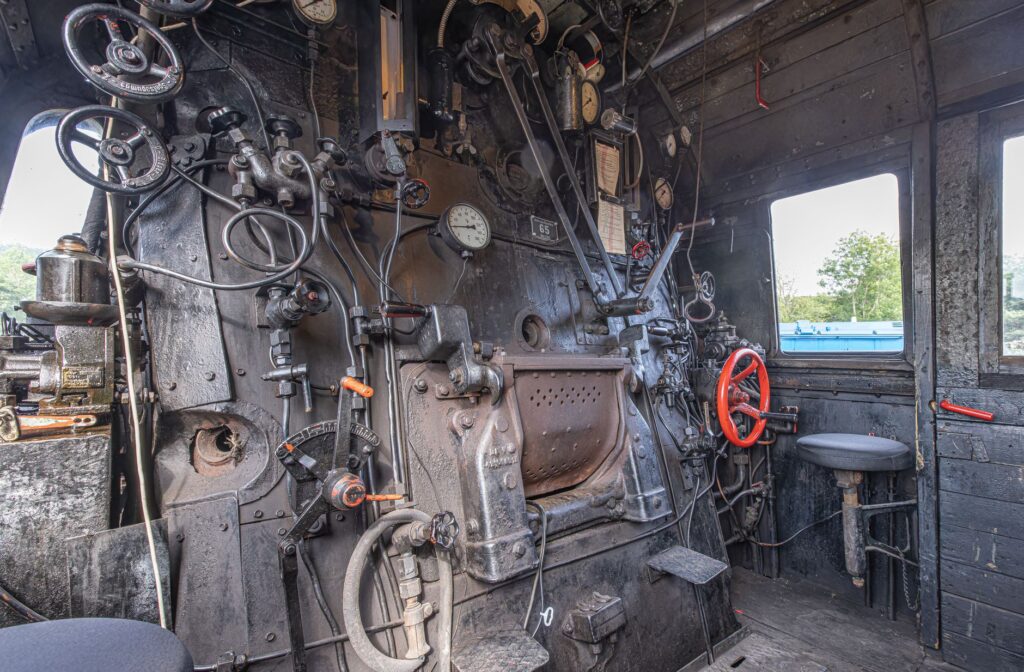
Behind the imposing presence of the locomotives and the geometric precision of the rails lies the human factor that gave soul to the system. The drivers and firemen of the Outeniqua Choo Tjoe shared an unwritten code of complicity with the machinery, learning to interpret the subtle language of vibrations, whistle tones, and smoke colors exhaled by the chimney. In an era marked by strict social and labor segregation, the cramped, sweltering space of the locomotive cab functioned as a microcosm where hierarchy was subordinated to technical competence and shared survival. Steam veterans passed their craft down to younger generations through an oral tradition grounded in rigorous observation and absolute respect for high-pressure steam.
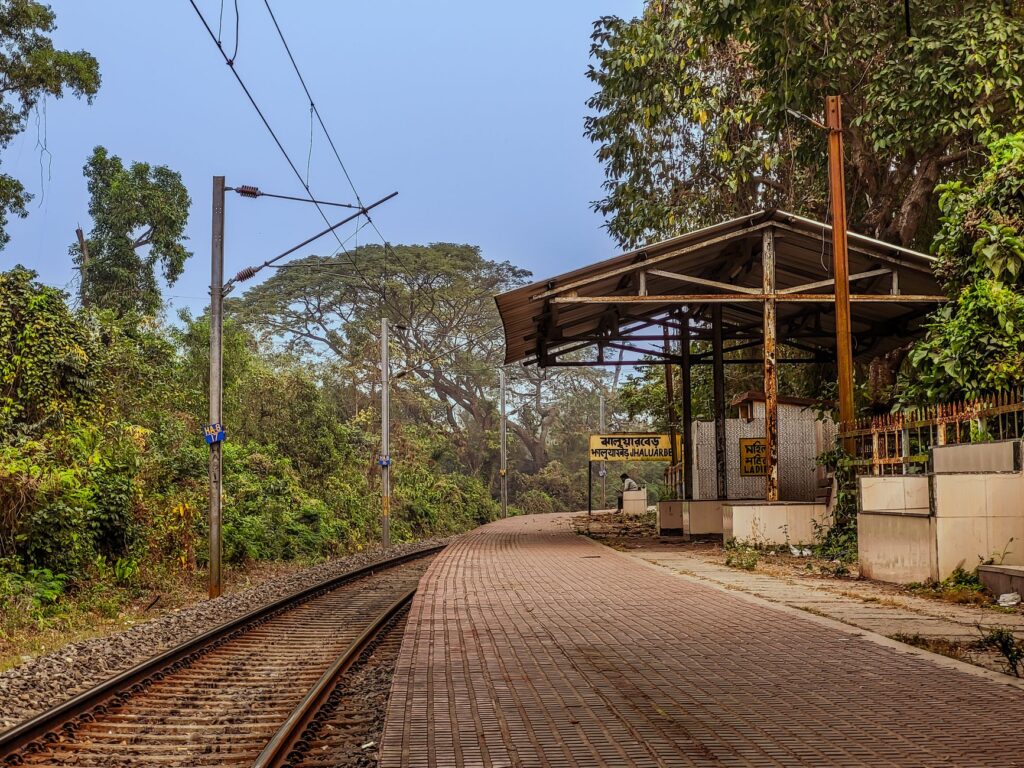
Similarly, small rural stations scattered along the route—such as Sedgefield or Wilderness—operated as nerve centers for the social and economic life of surrounding communities. Station masters not only managed convoy crossings and telegraph operations, but also served as local mediators, receiving mail, newspapers, and fresh provisions linking isolated settlements with major urban centers of the Cape. The daily arrival of the train marked the everyday rhythm of inhabitants, synchronizing agricultural, scholastic, and commercial activities. Today, although many of these historic buildings have been repurposed into cafés or local museums, their platforms retain the phantom echo of farewells and encounters that defined the human epic of the region.
Practical guide
Planning a rigorous approach to the territory of the Outeniqua Choo Tjoe requires understanding the current logistical dynamics of the Garden Route in South Africa’s Western Cape. The primary operational base for exploring this railway heritage is the city of George, which features George Airport (GRJ), connected by daily scheduled flights to Johannesburg and Cape Town via airlines such as Airlink and FlySafair. To tour the region autonomously and access various viewpoints, viaducts, and accessible sections of the former track, renting an SUV or robust sedan from terminal rental agencies is essential.
Access to heritage sections and the Outeniqua Transport Museum, located at George central station, is regulated by daytime hours from Tuesday to Saturday, generally between 09:00 and 16:30, with a standard admission fee of approximately 50 South African rands per person. While regular long-distance passenger services operated by steam remain indefinitely suspended due to partial bridge reconstruction, several local associations operate short-distance tourist sections using motorized railcars and restored diesel locomotives in specific sectors near Mossel Bay and Wilderness.
Visitors are strongly advised to check the updated status of pedestrian access and designated walking trails along the former railway right-of-way through the regional tourism office Wesgro or the Knysna Municipality. For those interested in photographically documenting historical viaducts like the Kaaimans River bridge, the best public viewpoints are located along marked pull-offs on the N2 national highway, where walking on active or inactive tracks is strictly prohibited for safety and rail legislation reasons. The best time to visit the region spans the transitional months between September and November, as well as March to May, when temperatures are moderate and South African summer tourism crowds are avoided.
The Echo of Steam in the Cape’s Memory
As morning mist descends from the forested summits of Outeniqua to wrap around the century-old pillars of abandoned bridges, the presence of the railway line acquires an almost mythical resonance. The rails, occasionally polished by the passage of technical inspections or auxiliary track vehicles, continue to reflect the silver light of the Indian Ocean like indelible scars traced by human audacity across South Africa’s wild topography. This corridor is not merely an inert monument to industrial archaeology, but an eloquent reminder of how the will to connect communities and overcome extreme geographical obstacles shaped the social, economic, and cultural physiognomy of an entire subcontinent. In every wood sleeper fossilized by time and every rivet exposed to sea salt lies a story of endurance, ingenuity, and profound communion with a landscape as breathtaking as it is unforgiving.