
Navigating the Amphibious Territory
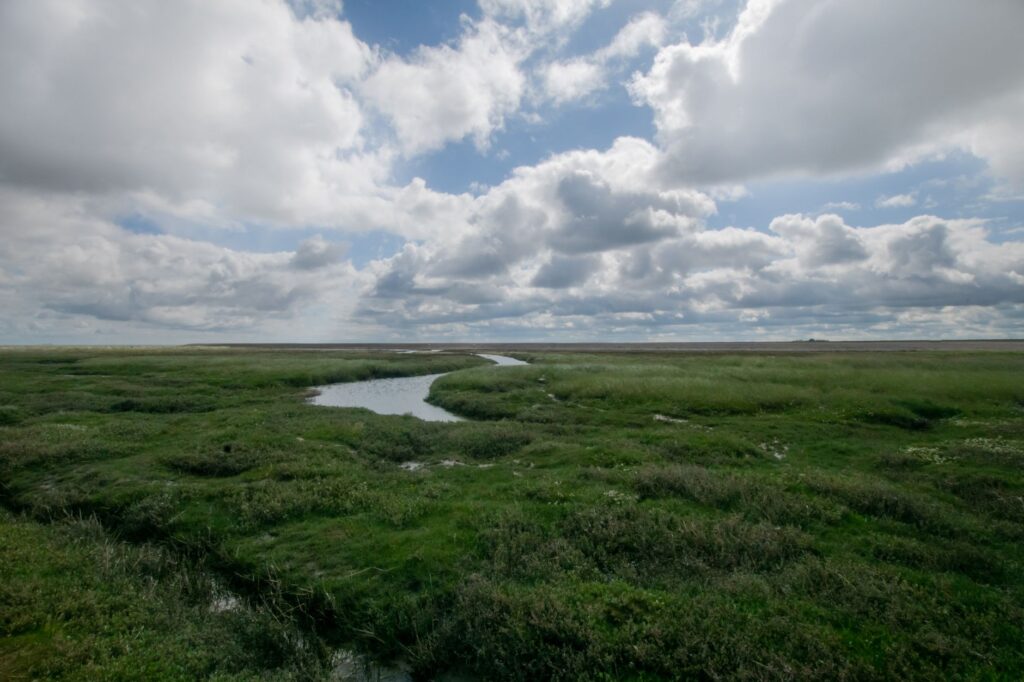
The Thames Estuary in southeastern England has served for centuries as the fluvial gateway to the Atlantic and the commercial heart of the British Empire. However, beyond the industrialized docks of London, the landscape dissolves into a vast expanse of tidal marshes, drainage ditches, and small island settlements that have traditionally depended on road transport. Today, this wetland territory faces the urgent challenge of decarbonizing its mobility without compromising the connectivity of rural communities that become partially isolated during high tides. The transition toward a sustainable transport model in this region is not limited to the electrification of conventional vehicles, but demands a fundamental rethinking of the relationship between land and water through low-impact engineering.
The geography of the estuary imposes formidable physical constraints. North Sea tides generate water level variations of up to seven meters twice daily, covering and exposing thick clay mud that hinders both terrestrial transit and traditional navigation. For decades, residents of towns such as Burnham-on-Crouch and Bradwell-on-Sea have suffered the effects of partial isolation and congestion on narrow secondary roads vulnerable to coastal erosion. In response, a consortium of naval engineers, local authorities, and marine ecologists has launched a radical overhaul of the regional transport network. This approach combines the use of amphibious vehicles powered by solid-state batteries with the selective dredging and restoration of ancient commercial canals that had lain inactive for half a century.
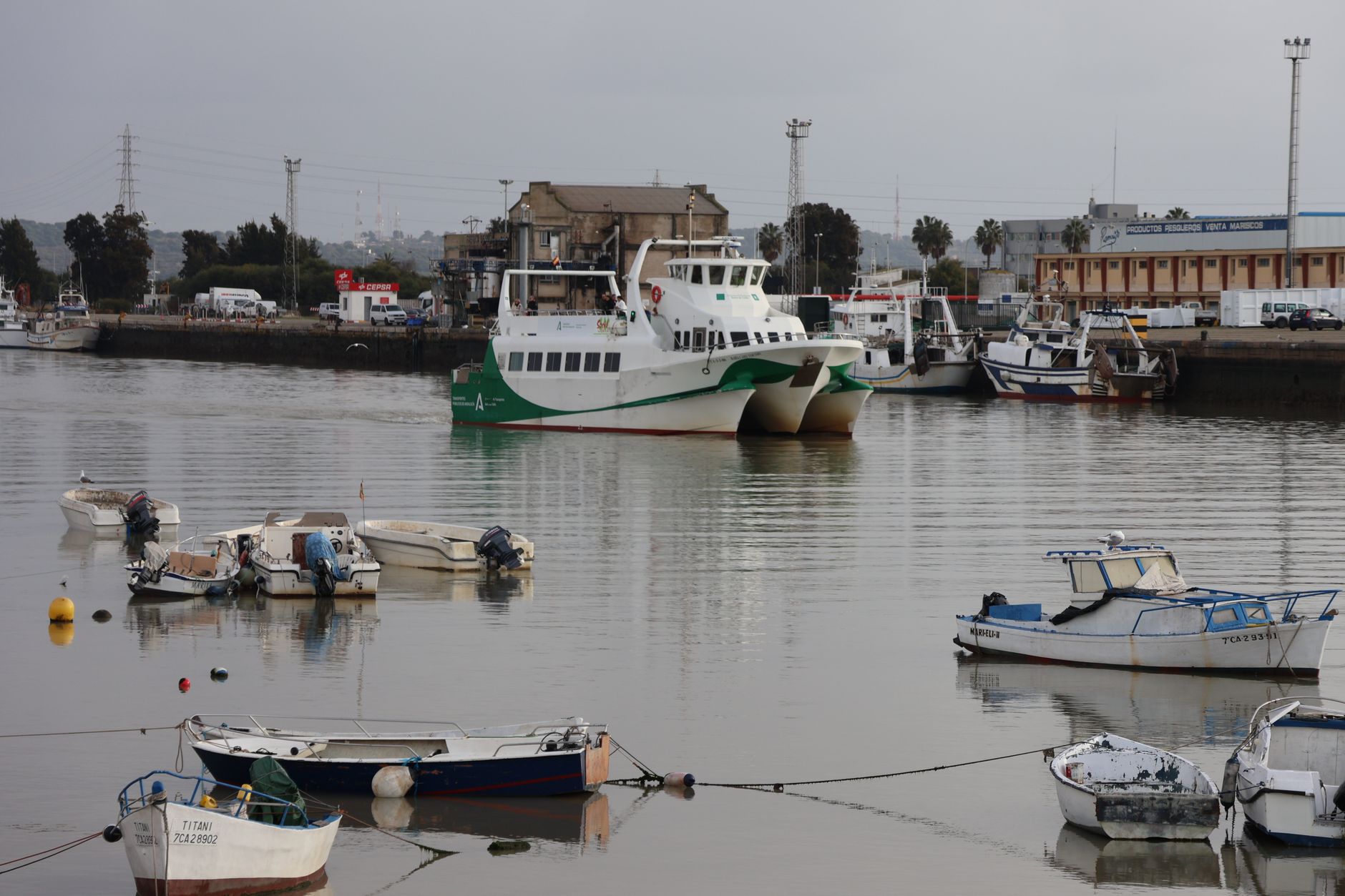
At the core of this strategy lies the gradual replacement of standard diesel buses by hybrid and amphibious units capable of operating both on flood-prone roads and within the estuary’s interior channels. These units, engineered specifically to withstand corrosive saline environments, allow seamless transit between the local road network and recovered watercourses, eliminating the inconvenient transfers that have historically discouraged public transport use in the area. The integration of these flexible systems drastically reduces travel times between fishing enclaves and the high-speed rail connections leading to London.
The Engineering of Restored Waterways
The viability of the new fluvial mobility network depends directly on the ecological health of the watercourses. During the industrial era, many of the tidal creeks connecting inland villages with the main channel of the Thames were encased in concrete walls, choked by dikes, or simply abandoned to sedimentation. These alterations disrupted natural freshwater and saltwater flows, destroying habitats for numerous wader bird species and migratory fish. The current transport project has adopted the principle of fluvial bioengineering, using soft restoration techniques that stabilize banks through massive reed plantings and the installation of submerged wooden structures that dampen current velocities.
Engineers mapping out the new aquatic routes have had to navigate complex environmental protection regulations, as a large portion of the estuary is designated as a Site of Special Scientific Interest and a Special Protection Area for Birds. Rather than dredging deep channels for large vessels, the preference has been to restore shallow channels adapted exclusively to lightweight, flat-bottomed boats with silent electric propulsion. This decision minimizes acoustic disturbance to local wildlife and prevents the resuspension of contaminated sediments accumulated on the seabed throughout the twentieth century. Charging infrastructure located in historic docks is powered entirely by floating solar farms installed in disused industrial basins.
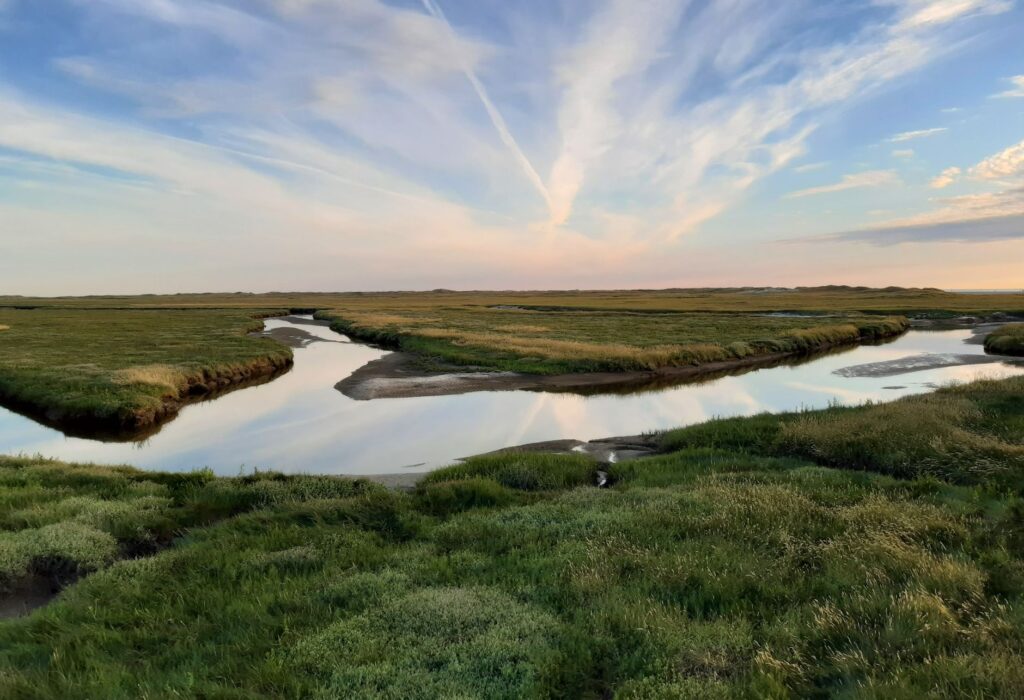
blockquote>The recovery of secondary waterways not only optimizes passenger movement but also reconstructs the ecological tissue fragmented decades ago by rigid engineering works and environmental neglect.
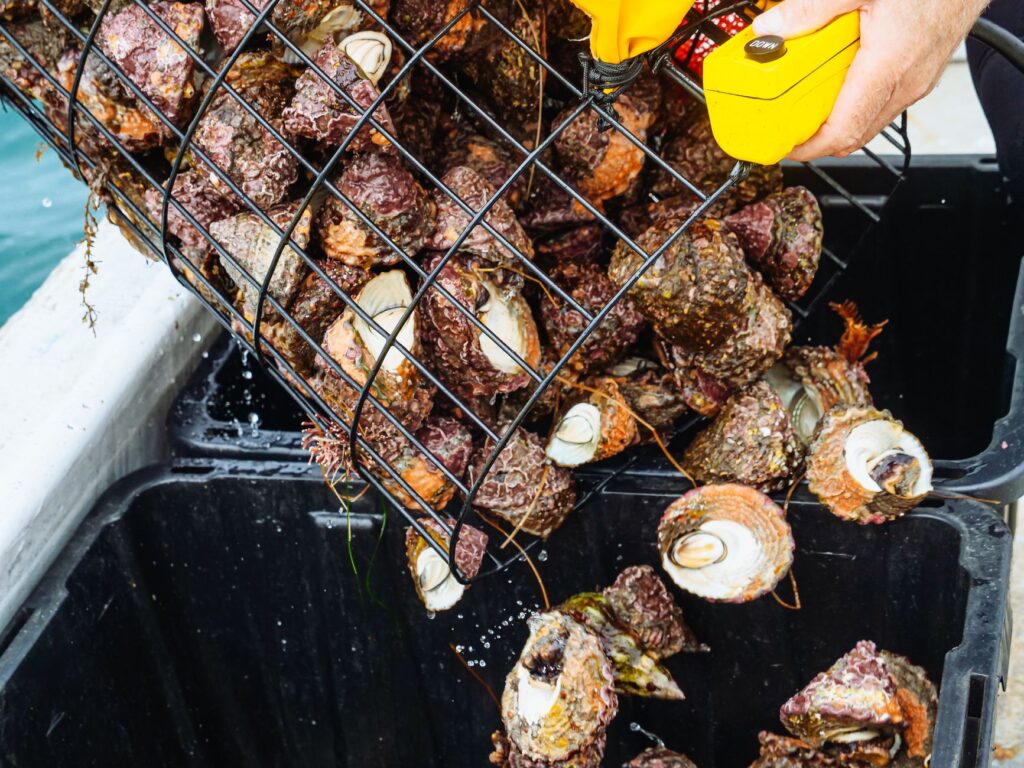
The economic impact of this transformation is already perceptible in small local economies. Local agricultural producers and artisanal shellfish cooperatives now have access to a low-carbon freight transport route that allows them to market their goods directly in metropolitan markets without relying on diesel-powered refrigerated trucks. Similarly, the steady flow of passengers has revitalized traditional businesses in riverside villages, which are experiencing an economic revival driven by a mobility model prioritizing deliberate slowness and landscape contemplation over blind speed.
Multimodal Integration in Coastal Hubs
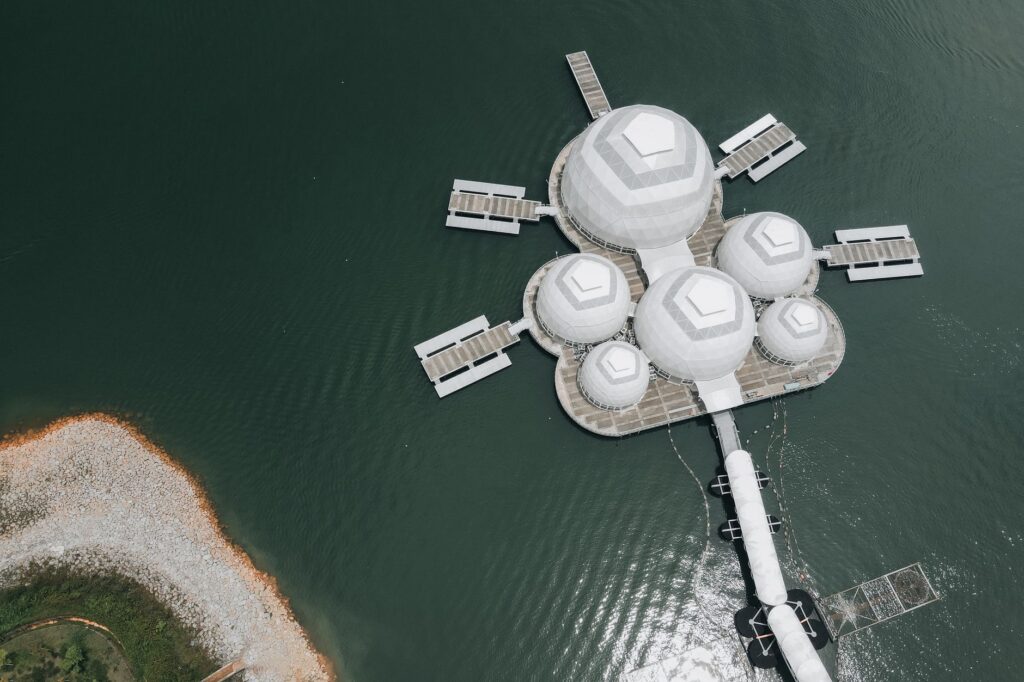
One of the greatest technical challenges in the Thames Estuary has been coordinating different transport modes. Traditionally, local buses and ferry services operated on disconnected schedules, turning daily commutes into an exercise in patience. Implementing the current system required creating multimodal interchange hubs designed with bioclimatic architecture and resilience against sea-level rise. These floating and semi-amphibious terminals automatically adjust to tidal oscillations, ensuring safe and universal access for passengers with reduced mobility at any time of day.
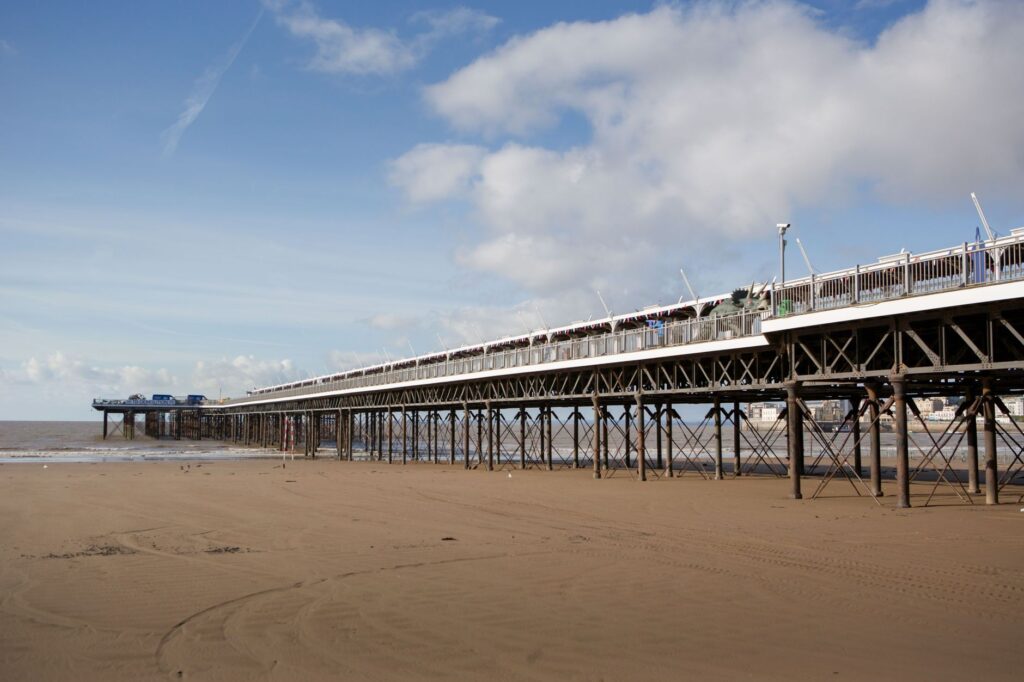
Management of these hubs relies on a unified digital platform centralizing real-time traffic data, tide states, and charging station energy availability. Users can plan journeys combining shared bicycles, amphibious buses, and regional trains using a single digital ticket. This level of integration has increased public transport ridership by over thirty percent among permanent residents, significantly reducing the fleet of private vehicles that previously congested narrow access roads to natural reserves during weekends.
The environmental benefits of this integrated network undergo continuous monitoring by independent university consortia. Preliminary data indicate a notable reduction in net carbon dioxide and nitrogen oxide emissions across the Essex region. Furthermore, replacing heavy road traffic with soft electric navigation has drastically reduced underwater noise pollution—a critical factor for the recovery of marine mammal populations, particularly common seals that use the estuary’s sandbanks as resting and breeding grounds.
Practical Guide
Planning a journey through the Thames Estuary using exclusively the new sustainable mobility infrastructure requires understanding the rhythm imposed by the tides and the structure of available multimodal connections in the region.
How to Get There
The ideal starting point for exploring the estuary’s sustainable transport network is the city of Colchester or Chelmsford, both accessible via direct electric trains from London Liverpool Street station in approximately thirty to fifty minutes. From there, electric feeder buses connect directly to the new intermodal hubs located on the estuary’s banks.
When to Go
Spring and early autumn offer the most stable weather conditions and are optimal periods for observing wader bird migrations. It is essential to consult local tide tables before scheduling any journey combining land and river segments, as some secondary access points may temporarily submerge during equinoctial high tides.
Travel and Fares
The unified Essex Estuary Mobility Pass grants unlimited access to amphibious buses, river ferries, and bike-sharing networks for periods of one, three, or seven days. It is purchased digitally via the official application or at automatic terminals in major multimodal interchange hubs. Cash is not accepted on board vehicles.
Accommodation and Services
Riverside towns such as Maldon or Burnham-on-Crouch feature a network of rural guesthouses and small hotels certified with environmental sustainability labels. Booking well in advance during summer months is recommended, as hotel capacity is intentionally limited to preserve ecological balance and prevent tourist overcrowding in historic cores.
Final Reflections on the Wet Horizon
The transport transformation in the Thames Estuary demonstrates that reconciling human connectivity demands with the strict preservation of fragile ecosystems is entirely achievable. By abandoning reliance on rigid asphalt and concrete infrastructure in favor of nature-based solutions and zero-emission amphibious technology, the communities of Essex have found a viable path to face global climate change challenges. This amphibious territory, where the boundary between land and water remains under constant negotiation, stands out as a living laboratory of smart mobility for other coastal regions worldwide seeking to reinvent their future without sacrificing their historical identity.
blockquote>True progress in territorial management is not measured by the speed with which we traverse it, but by our capacity to preserve the fragile balance that keeps it alive for generations to come.