
The Vast Plain Where Water Writes the Rules of Time
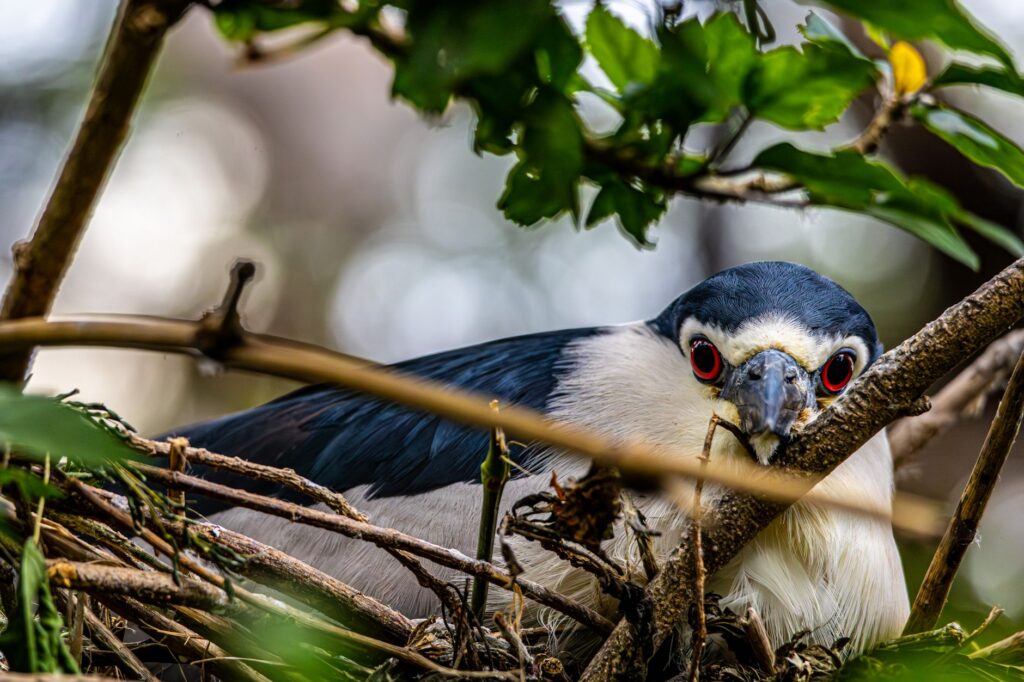
Spanning millions of hectares across Brazil, Bolivia, and Paraguay, the Pantanal is not merely a wetland, but a vast pulse system where land and water star in an ancient dance. Each seasonal rain cycle overflows the main rivers, flooding savannas, gallery forests, and grasslands in a process that fertilizes the soil and sustains one of the most astonishing concentrations of wildlife on the planet. Here, the jaguar stalks through riparian vegetation fringes, flocks of jabirus and herons populate the horizon, and caimans gather in the dwindling pools of the dry season.
However, in recent decades, this delicate balance has been profoundly shaken. Alterations in headwater basins, deforestation in surrounding plateaus, and prolonged periods of extreme drought have shortened the duration of floods, transforming permanent wetlands into dusty, fire-prone expanses. Far from yielding to climate pessimism, local communities and scientists have begun weaving a network of resistance rooted in empirical knowledge and applied science.
The core challenge lies in reconciling the region’s traditional economic activity—extensive cattle ranching practiced for over two centuries—with the pressing demands of nature conservation. While intensive industrial agriculture models threaten to fragment the ecological mosaic, advocates of community stewardship argue that the traditional rancher, properly advised, is the territory’s best guardian. The key is no longer banning human use, but redesigning how ranches interact with the hydrological cycle.
The New Water Pact: Restoring Natural Channels
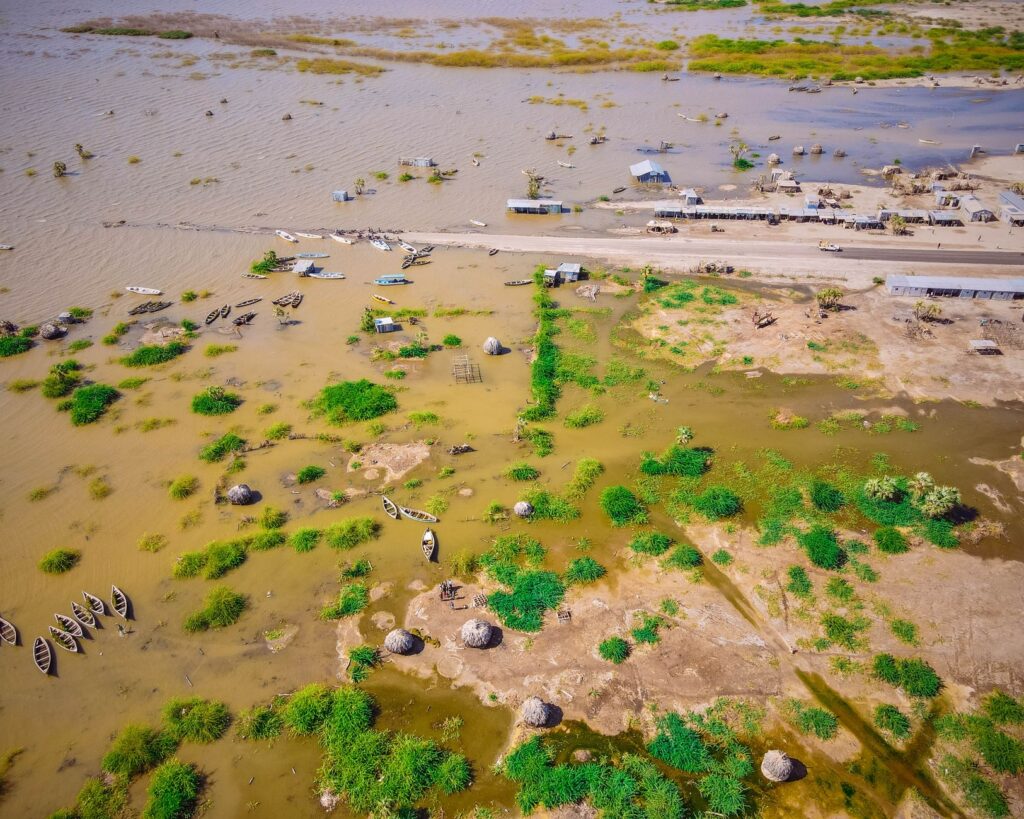
For generations, human intervention in the Pantanal’s secondary channels and river connections was carried out without a systemic understanding of its hydrology. The poorly planned opening of artificial canals and the construction of dikes to protect private pastures ended up accelerating natural drainage, drying out entire sectors ahead of schedule. Today, environmental engineers and biologists work hand in hand with estate foremen to dismantle those barriers and restore original flows.
This passive and active restoration allows floodwaters to remain retained in the plains for additional weeks, recharging subterranean aquifers and maintaining the surface moisture needed for native vegetation to withstand the dry season. Artificial ditches are closed with rustic gates made of wood and local stone, designed to regulate flow according to current ecological needs. As a result, spawning areas for migratory fish have remarkably recovered across the Paraguay River sub-basins.
blockquote>Restoring the Pantanal does not mean returning it to an imaginary pristine state, but healing the conduits through which the earth breathes so that water can resume its regulatory function.
This soft-engineering effort relies on constant satellite monitoring and hydrological sensor networks managed jointly by Brazilian universities and rural producer associations. Thanks to these real-time data, estate managers can anticipate wildfires through prescribed and controlled burns during periods of higher relative humidity, preventing the uncontrolled conflagrations that devastated millions of hectares in recent years.
Regenerative Ranching as a Shield Against Fire and Degradation
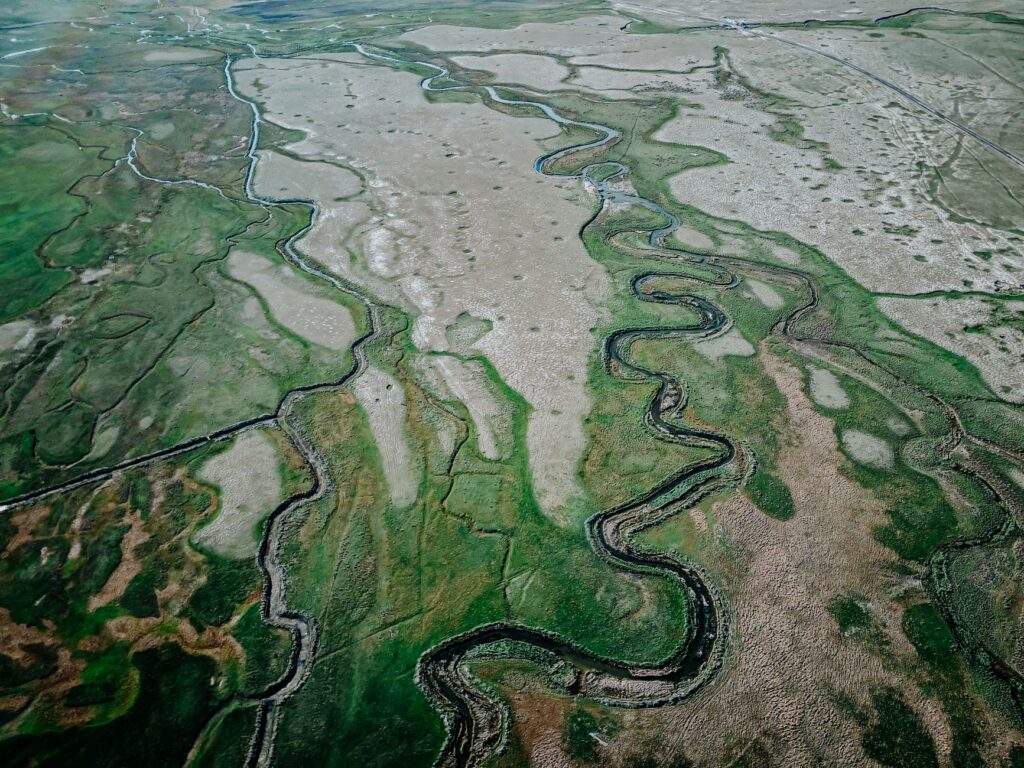
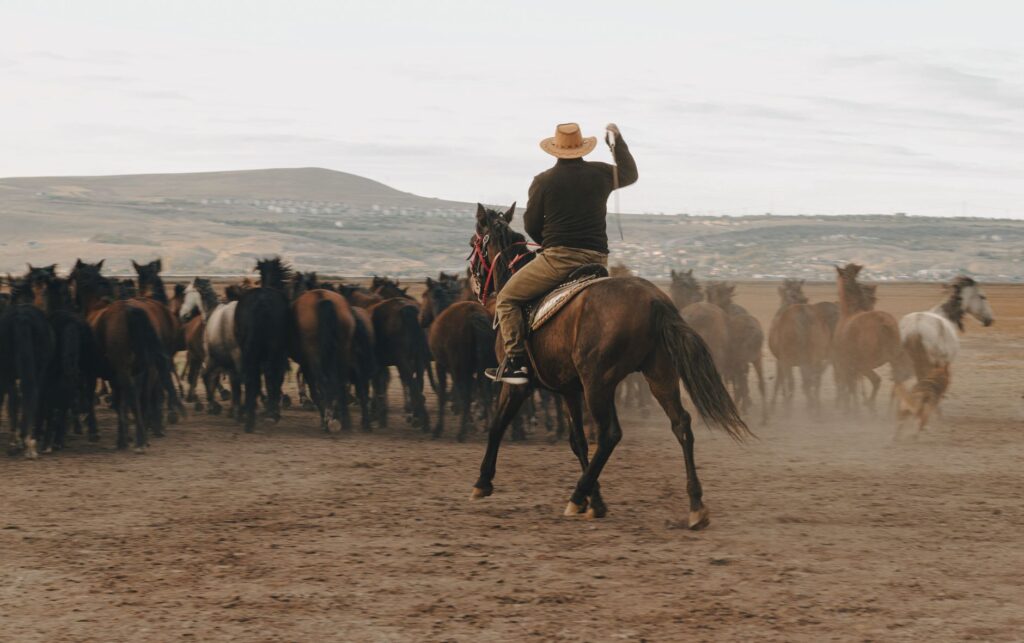
Livestock management in the Pantanal has always demanded high resilience. With the arrival of major floods, cowboys move herds on horseback to higher grounds, locally known as cordilheiras. During the drought, animals return to graze on muddy riverbeds. Traditionally, animal overgrazing in these critical areas compacted soil and destroyed native grasslands, facilitating the invasion of plant species unadapted to fire.
The regenerative ranching program implemented in the region introduces a radical shift: high-density, short-duration rotational grazing. By temporarily grouping cattle in paddocks delimited by solar electric fences, animals trample dry biomass, incorporating organic matter into the soil and stimulating vigorous regrowth of native grasses upon their departure. This controlled trampling also acts as a natural clearing tool that reduces the accumulation of dry plant fuel, drastically lowering the risk of catastrophic fires.
Economic and ecological results are beginning to bear tangible fruit. Ranches adhering to this protocol have improved herd body condition without expanding the deforestation frontier, while the diversity of terrestrial birds and small mammals recovers in parallel across resting paddocks. Beef produced under these standards is beginning to reach markets with origin and sustainability certifications, finding niches willing to pay a fair price for biodiversity conservation.
The Invisible Network of Aquatic Biodiversity
Though jaguars capture tourism headlines, the true ecological engine of the Pantanal swims beneath the surface. Rivers and flooded plains harbor over three hundred fish species, whose lives synchronize with the rhythm of floods. When water overflows main channels, migratory fish leave deep streams to spawn in flooded forests, where they find refuge from large apex predators and an inexhaustible supply of fallen fruits and seeds.
The fragmentation of these aquatic corridors by infrastructure works or highland hydroelectric dams represents an existential threat to the trophic chain. Therefore, local basin committees have promoted the creation of temporary and permanent fishing exclusion zones at strategic spawning points. Artisanal fishers, integrated into local governance, actively participate in fish population censuses, transforming from traditional extractors into guardians of river health.
This active participation ensures that fishing pressure remains within sustainable ecological limits, allowing emblematic species like dorado and surubí to maintain stable populations. The recovery of aquatic fauna has a direct impact on piscivorous bird populations and mammals like the giant otter, closing a biological cycle that underpins the stability of the entire ecosystem.
Community-Based Tourism as Witness and Ally
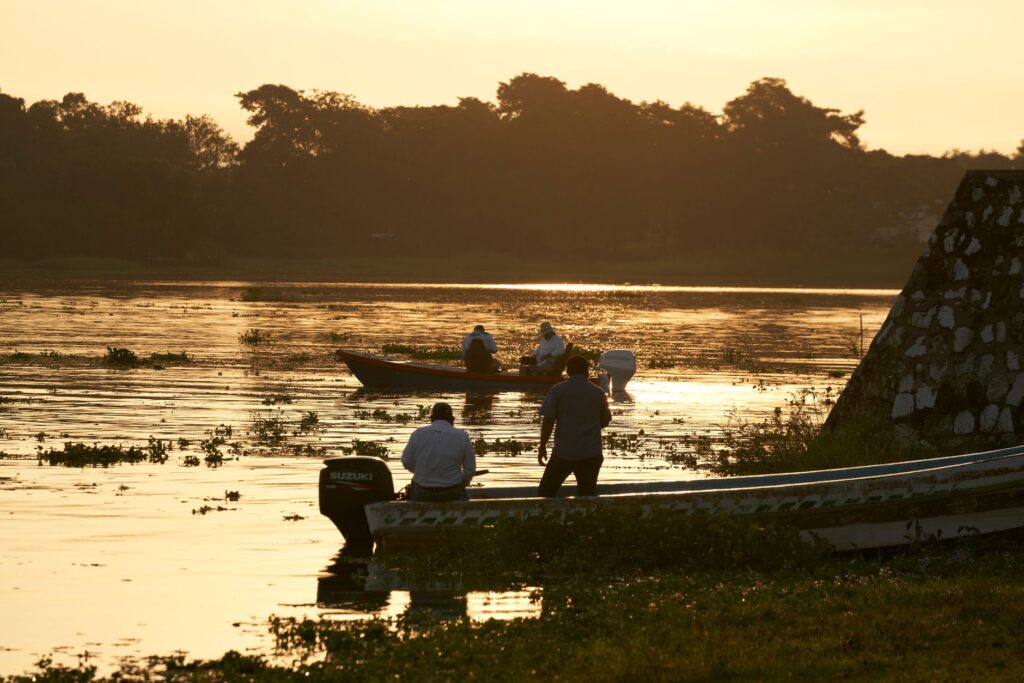
In contrast to the model of isolated luxury mega-resorts, a new wave of community-based tourism and historic estancias is gaining ground in the Pantanal. Travelers who arrive here seek not conventional luxury, but a deep immersion in the daily life of cattle ranches and respectful wildlife observation in natural habitats. Small local cooperatives offer guided expeditions in traditional canoes, botanical interpretation walks, and stays in family-run lodges.
This tourism acts as a direct economic incentive to keep habitats intact. When a rural landowner understands that a living jaguar attracts nature photographers willing to pay for guided sightings, the incentive to hunt the feline over alleged livestock attacks vanishes. Local guides, trained in ecology and first aid, act as conservation ambassadors, conveying the complexity and fragility of the environment to visitors.
blockquote>True luxury in the Pantanal is being a silent witness to a territory that refuses to yield, where every sunset over the marshes reaffirms an ancient pact between man and water.
Regulations for wildlife observation are strict: the use of artificial bait is banned, minimum safety distances for boats are established, and the number of simultaneous visitors in nesting areas is limited. This rigorous regulation ensures tourism does not alter resident species’ natural behavior or erode the tranquility defining the wetland experience.
Practical guide
Planning a responsible trip to the Pantanal requires understanding climate seasonality and the logistical limitations of a region lacking paved roads in its inner core.
- How to get there: The two main entry gates are Cuiabá (to the north, accessing the Poconé subregion and the Transpantaneira highway) and Campo Grande (to the south, accessing Corumbá and Miranda). Both cities feature domestic airports connected with São Paulo and Brasília.
- When to go: The dry season (May to October) is ideal for wildlife viewing, as animals concentrate around remaining water bodies and the Transpantaneira is passable. The rainy season (November to April) offers lush landscapes and the flood spectacle, though land travel is limited.
- Where to stay: Opt for traditional ranches converted into eco-lodges or community inns participating in conservation and regenerative ranching programs. Avoid mass tourism resorts disconnected from local reality.
- What to pack: Lightweight long-sleeve clothing for insect protection, a hat, biodegradable sunscreen, quality binoculars, water-resistant footwear, and high-efficacy repellent. A camera with adequate zoom is essential for wildlife photography.
- Code of conduct: Strictly respect wildlife viewing distances, leave no trace of garbage, consume local products, and support artisanal initiatives from riverside communities.
Mud and Star Horizon: The Wetland’s Eternal Pulse
When night falls over the vastness of the Pantanal, the sound of receding water gives way to an incessant chorus of amphibians and the distant whisper of wind through carandá palms. In this confine where land seems to dissolve into an aquatic horizon, survival is no longer conceived as a conquest over nature, but as a daily exercise in listening and adaptation. Ranchers guarding herds on horseback and scientists measuring river levels share a single certainty: the future of the wetland depends on its capacity to follow the rhythm of water.
Visiting this sanctuary demands a humble gaze, stripped of urban world urgencies. Contemplating the low flight of a kingfisher over marshes golden in twilight, one understands true conservation is no abstract ideal, but an earthly practice woven with patience, hard work, and deep respect for the cycles sustaining life on Earth.