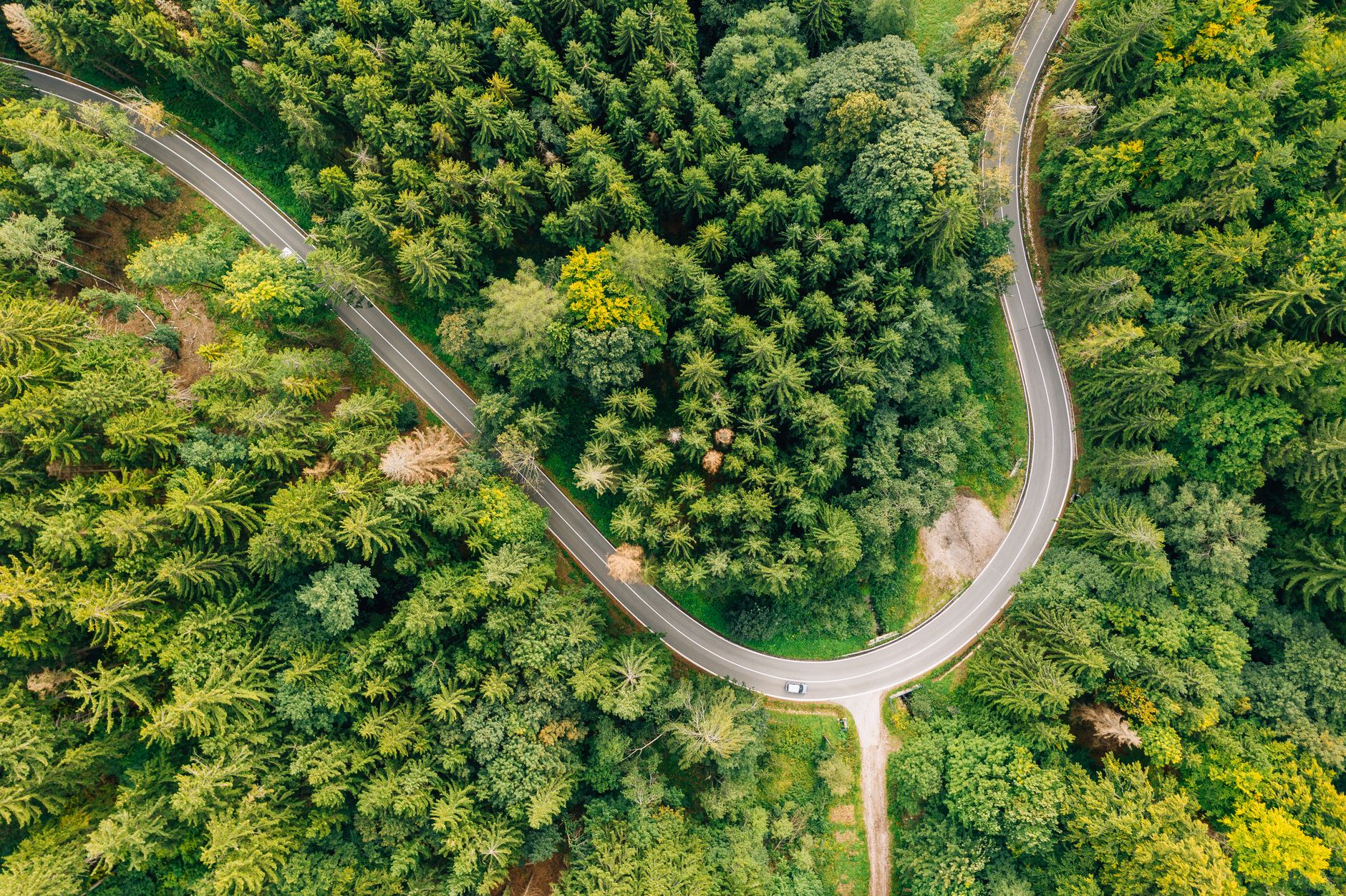

Deep in the heart of Baden-Württemberg, where dense fir forests and deep valleys carve out one of Central Europe’s most iconic landscapes, a quiet transformation is underway. For decades, private car dependency on these winding secondary roads threatened to choke out the very natural values that draw millions of visitors to the Black Forest. Today, however, a pioneering alliance among rural municipalities, public transport cooperatives, and environmental planners is completely rewriting the rules of alpine and forest mobility. The goal is not merely substituting thermal engines with electric alternatives, but entirely rethinking the relationship between the traveler, the territory, and the local communities that call it home.
This metamorphosis addresses a systemic urgency: reconciling the right to accessibility with the strict preservation of forest ecosystems and river corridors. Through the smart integration of hydrogen trains, low-floor hybrid buses, and a dense network of greenways tailored for e-bikes and soft pedestrian transit, the region has successfully decongested its main valleys without sacrificing its traditional character. The result is a regional connectivity model demonstrating how transport engineering can directly serve biodiversity and social well-being.
The Diagnosis of Alpine Congestion
During peak summer and winter seasons, the valleys of the Black Forest traditionally suffered from chronic traffic gridlock. The narrow roads connecting historic towns such as Triberg, Titisee, and Freudenberg were overwhelmed by private vehicles, generating noxious emissions and unsustainable noise pollution for local wildlife. Mobility studies conducted by district administrations over the past decade revealed that eighty percent of tourist trips were made by private car, despite the existence of a historic yet fragmented railway infrastructure.
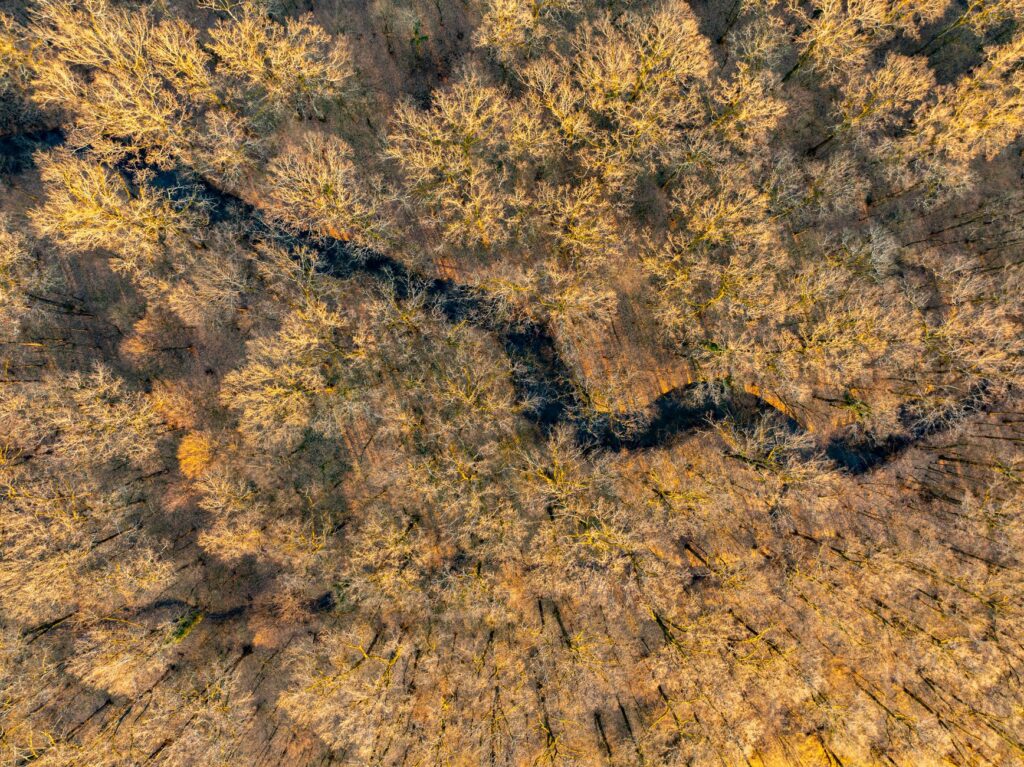
The institutional response did not involve widening roads or paving new forest tracks—a solution that would have further fragmented the habitats of protected species like the capercaillie. Instead, the regional government pursued a strategy of controlled strangulation of heavy traffic and a radical boost to clean multimodality. Intermodal transfer hubs were established on the forest periphery, where drivers leave personal vehicles to access the interior valleys exclusively via public low-emission fleets.
True sustainability in alpine transport does not lie in moving travelers faster, but in shrinking the invisible footprint that each journey leaves on the forest floor and water purity.
This paradigm shift required convincing both local residents and tourism operators that vehicle restrictions were not an attack on personal freedom of movement, but a guarantee of economic and environmental survival. Neighborhood councils played a crucial mediating role, ensuring that new public transport routes prioritized the daily needs of local workers and students over mere vacation convenience.
The Revolution of Hydrogen Trains and Hybrid Fleets
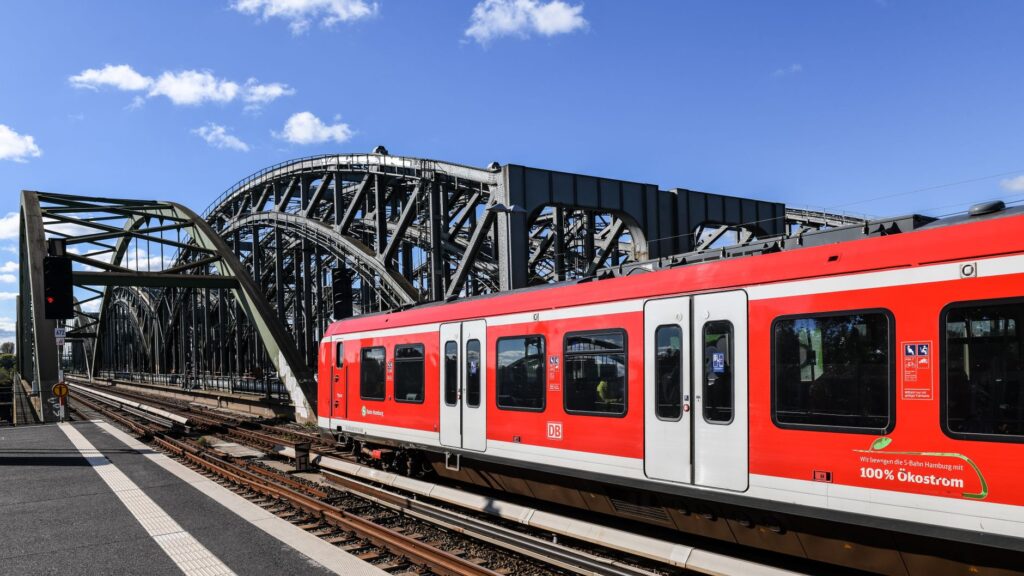
The backbone of this new mobility network consists of modernized rail corridors and the gradual introduction of fuel cell hydrogen units on secondary lines where overhead catenary electrification would have proven environmentally invasive or economically unviable. These silent trains, traversing forested slopes with minimal acoustic footprints, have doubled passenger frequencies between major transport hubs without disturbing the tranquility of the natural surroundings.
Complementing the railway, state-of-the-art hybrid and electric buses operate on high-mountain branch lines. These vehicles feature regenerative braking systems capable of recovering up to thirty percent of energy during steep descents into river valleys. Furthermore, their low-floor design and spacious bicycle storage bays facilitate seamless transitions between transport modes, turning the journey into an integrated, accessible experience for people of all ages.
The energy management of these fleets is largely powered by local solar parks and small run-of-the-river hydroelectric plants, closing a circular consumption loop that minimizes transmission losses. Local engineers have installed smart sensors at key stops to adjust bus frequencies in real-time based on actual demand, preventing empty runs that would compromise the system’s overall efficiency.
Fluvial Greenways and Low-Speed Pathways
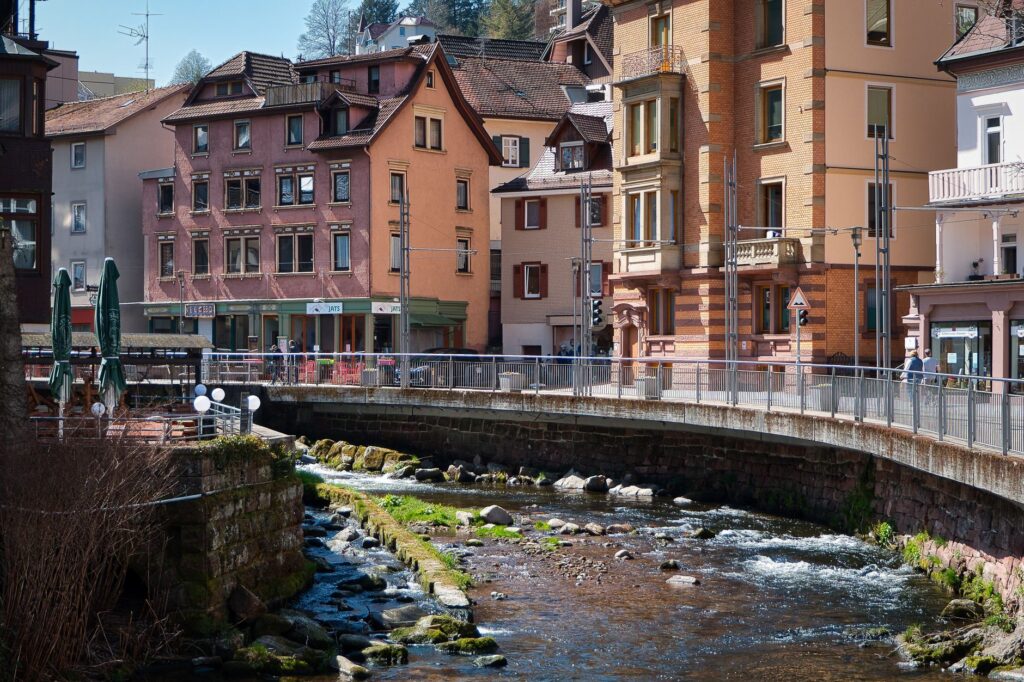
Alongside the modernization of heavy public transport, the secondary road network has undergone a radical conversion through the creation of so-called fluvial greenways. Capitalizing on old water diversion channels and forestry service tracks along rivers such as the Kinzig and the Murg, planners designed a continuous network of pedestrian and cycling paths strictly segregated from motorized traffic.
These pathways are not mere recreational lanes; they function as genuine arteries of soft mobility, allowing residents to travel between neighboring villages safely and directly. The permeable aggregate used in their construction prevents soil sealing, enabling natural stormwater drainage and protecting the riparian ecosystem against flash flood events. Additionally, solar-powered e-bike charging stations and educational panels detailing native flora and fauna have been installed, transforming every commute into an environmental learning opportunity.
Mayors of municipalities integrated into this green corridor emphasize that coexistence among cyclists, walkers, and locals has self-regulated admirably thanks to infrastructure design that enforces lower speeds through natural landscape features like vegetated slopes and shaded resting zones.
Community Governance and Citizen Participation
The success of this transformation in the Black Forest stems less from technological investment alone and more from the robust framework of community governance underpinning it. From the outset, planning decisions were not made in distant offices in Stuttgart, but through neighborhood dialogue tables and local mobility committees involving farmers, hoteliers, conservation groups, and regular public transport users.
This co-creation model identified specific bottlenecks that external engineers might have missed, such as the need to synchronize bus schedules with shifts at district hospitals or ensure direct connections for high school students descending from isolated mountain farms. Transparency in public budget management and emissions data has generated a profound climate of civic trust.

When the local community directly participates in designing its transport routes, infrastructure ceases to be an external imposition and becomes a collective heritage that everyone feels compelled to protect.
As an added incentive, visitors arriving in the region and registering at participating accommodations receive the unified Konus mobility card, granting unlimited use of all regional buses and trains at no extra cost. This system is funded by a modest targeted tourist tax reinvested entirely into expanding and maintaining the clean transport network and conserving forest trails.
Practical Guide
Planning a sustainable journey through the Black Forest’s hybrid and fluvial transport network requires familiarizing oneself with core mobility corridors and digital tools available to the mindful traveler.
- Getting There: Primary access is through Frankfurt or Zurich international airports, from where excellent direct rail connections lead to the intermodal hubs of Offenburg, Freiburg, and Karlsruhe, gateways to the regional Black Forest network.
- Railway Network and Passes: The Konus card is provided free of charge to all visitors staying in over 140 partner municipalities; it permits unlimited travel on all regional buses and standard regional trains throughout the Black Forest.
- Cycling Mobility: The fluvial greenway network is fully signposted. Electric bicycles can be rented at virtually all major railway stations and returned at different locations thanks to the regional network of partner operators.
- Recommended Season: While spring and summer offer optimal conditions for combining public transport with river hiking, autumn stands out for lower weekday crowds and the stunning scenic beauty of changing foliage.
- Environmental Etiquette: Leaving marked trails in strict forest reserve zones and using combustion vehicles on riverside service tracks is strictly prohibited.
The future of this alpine and forested territory demonstrates that sustainability is not an unreachable ideal, but the cumulative result of rigorous technical decisions, courageous public investments, and a profound respect for the natural rhythms governing these centuries-old valleys. By transforming how we move through the Black Forest, its inhabitants have not only decoupled their roads from unsustainable traffic, but have reconnected their own future with the unyielding health of their forests and rivers.