
The horizon of the United Arab Emirates is instantly associated with the sparkle of glass towers, the vastness of golden sands, and the dizzying pace of coastal metropolises. Yet, just a few hours from the shore, the landscape undergoes a radical transformation that defies any geographical stereotype. The Hajar Mountains, an imposing cordillera rising like a bastion of ancient stone between Emirati territory and the Sultanate of Oman, embody one of the most ambitious conservation bets in the Arabian Peninsula: reconciling integrated tourism growth with the strict preservation of fragile mountain ecosystems.
This metamorphosis is not the result of chance, but of recent public policies aimed at diversifying the country’s offerings through low-impact ecotourism. Far from viewing nature as a static backdrop, authorities and local communities have begun weaving an active protection network to safeguard endemic flora, subterranean water resources, and the cultural heritage of historic enclaves such as Hatta and Wadi Wurayah. The challenge is monumental: opening these landscapes to global travelers without compromising the delicate ecological balance that has sustained unique species for millennia.
Geography of the Hajar: the spine of stone and wadis
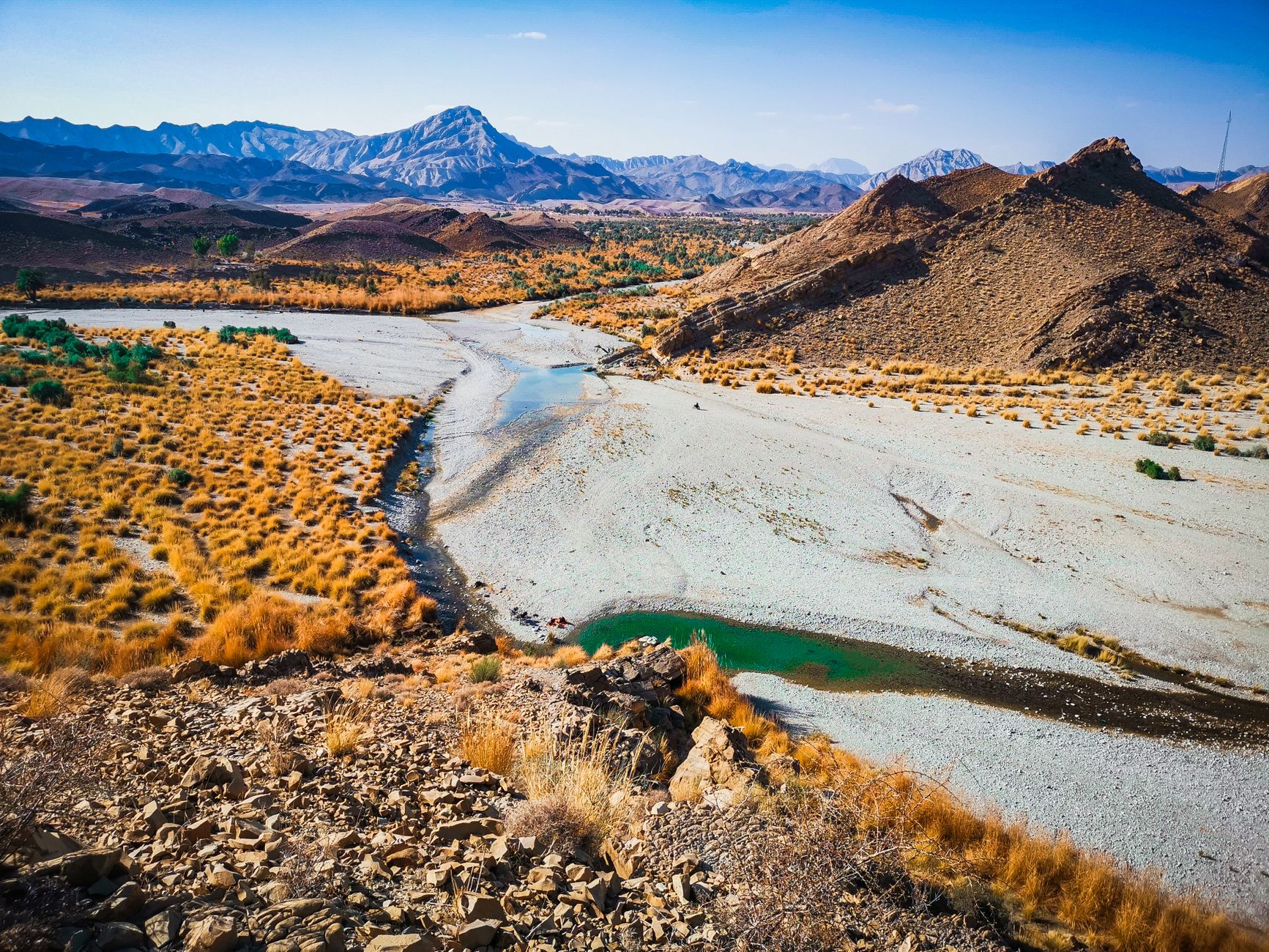
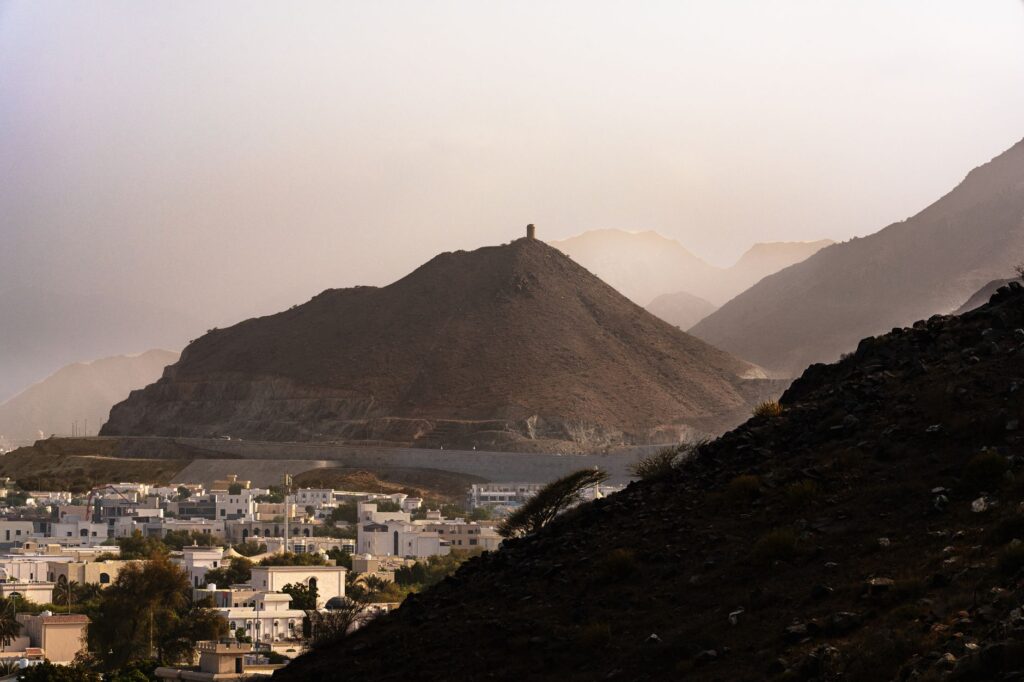
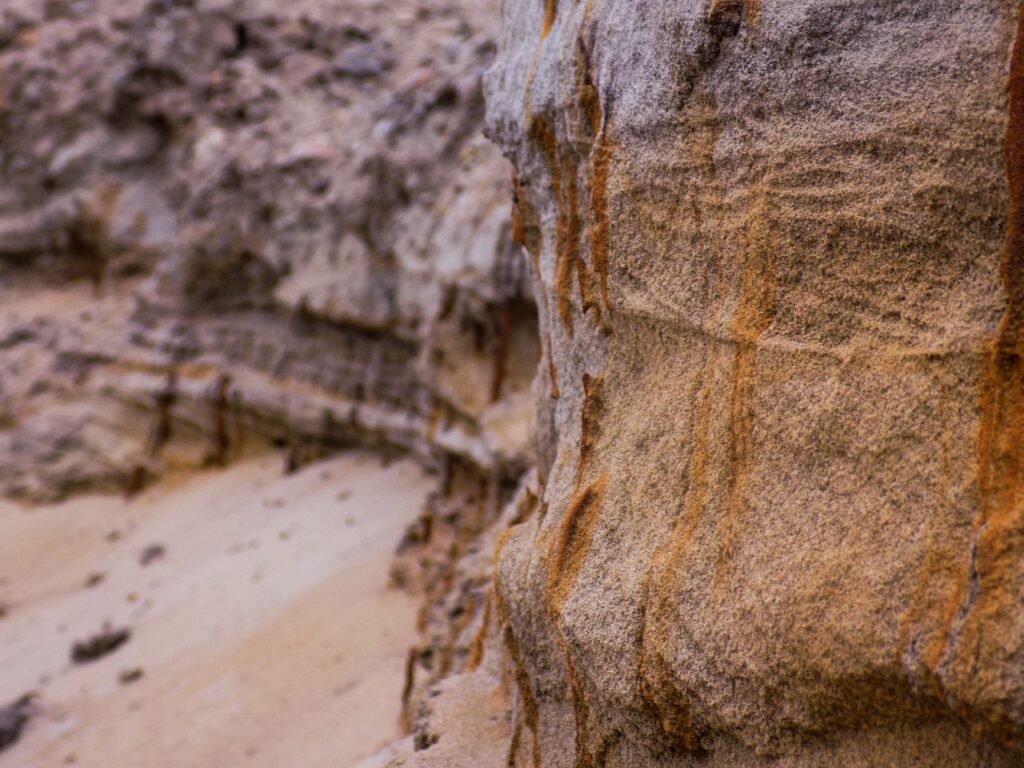
The Hajar cordillera represents an exceptional geological archive whose rock formations date back more than seventy million years. Composed predominantly of ophiolites—fragments of oceanic crust and the upper mantle thrust onto the surface during tectonic plate collisions—these mountains display a color palette ranging from intense ochres to dark greens and reds. Through this mineral labyrinth wind the wadis, dry riverbeds that come to life ephemerally yet violently during rare seasonal rains, carving deep canyons and forming freshwater pools that sustain rich biodiversity.
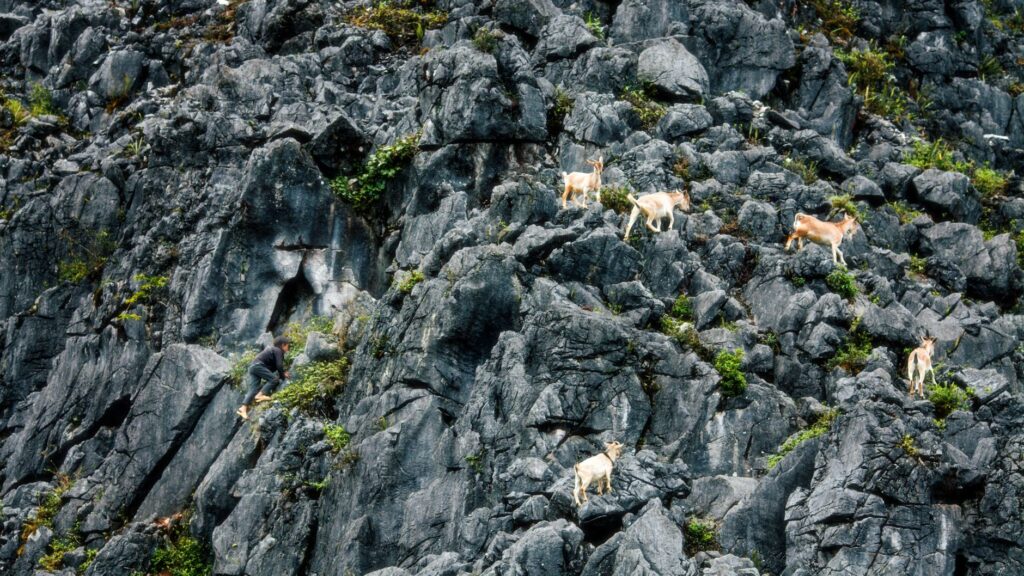
Understanding the dynamics of the Hajar requires abandoning the notion of a uniform desert. Here, altitude softens the extreme temperatures of coastal plains, creating microclimates where plant communities thrive despite water scarcity and intense insolation. Sheltered canyons act as ecological corridors, allowing the movement of elusive fauna such as the Arabian tahr, a hoofed mammal that finds its safest natural refuge on vertical cliffs away from human pressure.
Biodiversity on high: the endurance of endemic flora and fauna
The biological wealth of the Hajar Mountains constitutes a scientific treasure of the highest order. Despite apparent aridity, experts have cataloged hundreds of native plant species, many of them endemic to this mountain chain. Trees such as the umbrella thorn acacia and the ghaf provide vital shade and food for local wildlife, while various aromatic shrubs and succulents carpet rocky slopes following winter rains.
The conservation of the Hajar Mountains demonstrates that sustainable development in arid environments is not a utopian dream, but an imperative necessity to protect natural heritage against climate change and demographic pressure.
Among the fauna, the Arabian tahr (Arabitragus jayakari) stands out as an endangered species whose population is subject to rigorous monitoring and conservation programs. Alongside it, raptors such as Verreaux’s eagles sweep the skies for prey, and small mammals like Ruppell’s fox use nightfall to explore the wadis. The national ecotourism strategy has integrated the protection of these habitats by delineating core zones where motorized access is strictly prohibited, prioritizing scientific observation and guided hiking.
The rebirth of Hatta: between agricultural tradition and active tourism
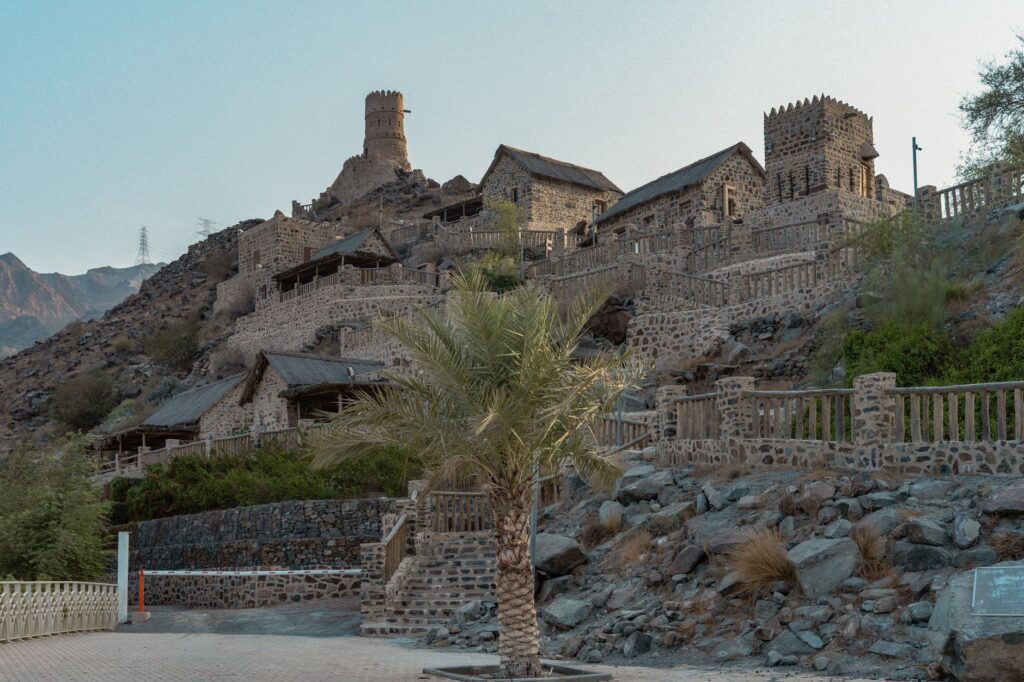
Nestled in a valley of the western Hajar, the municipality of Hatta has become the visible epicenter of this green transformation. Once an isolated agricultural settlement that relied almost exclusively on date farming and an ingenious subterranean irrigation canal system known as falaj, Hatta has reinvented its economy without abandoning its rural roots. The restoration of its historic fort, the recovery of traditional farms, and the creation of a center dedicated to preserving native bees demonstrate a firm commitment to local memory.
Concurrently, the development of environment-friendly infrastructure has driven activities such as mountain biking, kayaking in the local reservoir, and hiking of varying difficulty. These initiatives not only attract travelers eager for authenticity, but also generate direct employment for residents, making the local community the primary custodian and beneficiary of its natural wealth.
Wadi Wurayah: the first mountain national park and its hydrological management
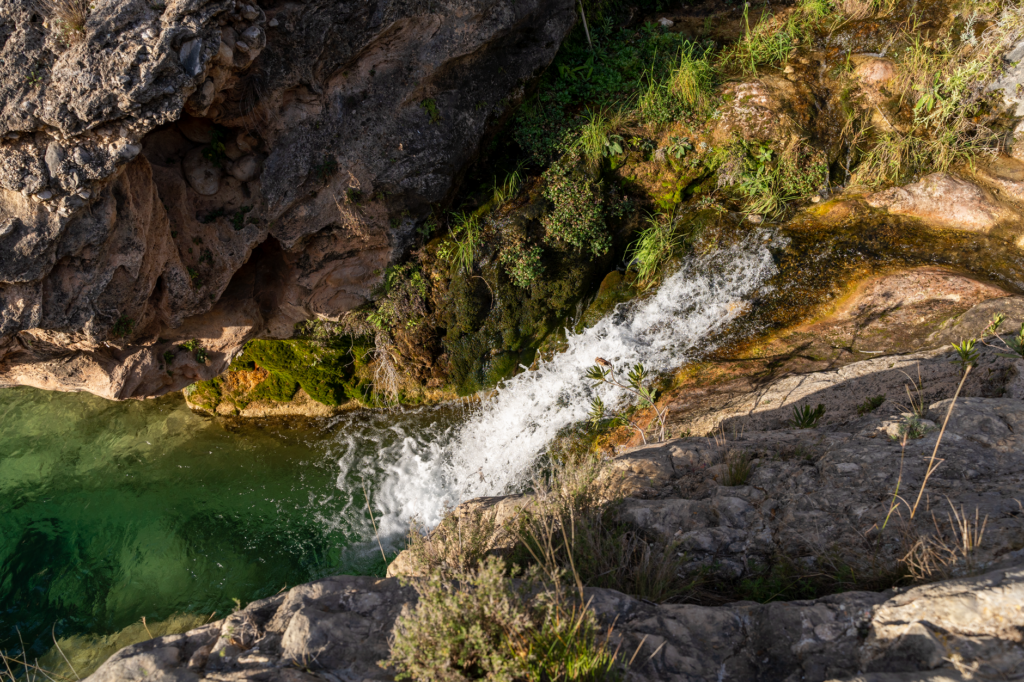
If Hatta represents the dynamism of active ecotourism, the Wadi Wurayah Biosphere Reserve in the Emirate of Fujairah constitutes the ecological sanctuary par excellence of the Hajar. Declared a protected area of international importance, this wadi hosts the only permanent waterfall in the United Arab Emirates and serves as a vital hydrological reserve for the region. The abundance of surface and subsurface freshwater enables a unique community of amphibians, dragonflies, and freshwater fish found nowhere else in the country.
The management of Wadi Wurayah exemplifies the rigor of the new Emirati environmental policy. Visitor access is regulated through specific permits and daily quotas to prevent soil degradation and water source contamination. Researchers and rangers work side by side to monitor ecosystem health, using camera traps to record the occasional presence of large mammals and strictly controlling recreational activities to ensure human footprints remain virtually imperceptible.
Integrated sustainability: the role of communities and the circular economy
The success of sustainable development in the Hajar Mountains relies not only on designating protected areas, but on actively integrating rural communities into the tourism value chain. Current projects promote the circular economy, prioritizing local agricultural products, the training of indigenous mountain guides, and the creation of low-impact accommodations utilizing renewable energy and advanced water treatment systems.
This decentralized approach allows economic benefits derived from tourism to flow directly to local families, reducing rural exodus to large cities and fostering pride in preserving cultural and natural heritage. Traditional crafts, gastronomy based on local ingredients, and oral transmission of knowledge regarding medicinal wild plants form part of the experience offered to the conscious traveler.
Future challenges: climate change, visitor management, and ecological resilience
Despite notable progress, the future of the Hajar Mountains faces significant challenges driven by global warming and rising visitor numbers. Higher summer temperatures and irregular rainfall test the resilience of mountain ecosystems, increasing erosion risks and plant vulnerability during prolonged droughts.
The true success of ecotourism in the Hajar Mountains will be measured not by the number of visitors it attracts, but by its ability to keep spring waters pristine and wildlife unhindered.
Likewise, controlling overcrowding on weekends and preventing poor recreational practices—such as littering or illegal off-road driving outside authorized tracks—remain pending tasks for regulatory authorities. Implementing public awareness campaigns and toughening penalties for environmental offenders are essential measures to safeguard these landscapes against uncontrolled tourism.
Practical guide
How to get there: Main access to the Hatta region is via road from Dubai or Sharjah along the E44 highway, a drive of approximately ninety minutes. To explore interior wadis and the Fujairah area, a four-wheel-drive vehicle is highly recommended, especially when accessing unpaved rural routes.
When to go: The optimal time to visit the Hajar Mountains is between November and March, when daytime temperatures are mild (20°C to 25°C), allowing for safe outdoor activities. The summer period (June to September) should be strictly avoided due to extreme heat.
Requirements and permits: While general regional access is open, specific high-value ecological areas like Wadi Wurayah require prior entry permits obtained through official channels of the Fujairah environmental authorities.
Behavioral tips: Strictly respect local waste management regulations, do not feed wildlife, and refrain from collecting plants or minerals. Camping outside designated areas is strictly prohibited.
The silent beat of the summit
As the sun begins to dip behind the sharp ridges of the Hajar, limestone and ophiolites cast an amber glow that seems to suspend time. In that moment of absolute silence, far from the bustling coastal cities, the true magnitude of conservation efforts reveals its full depth. It is not merely about protecting a picturesque landscape, but preserving the silent pulse of an ancient ecosystem that has endured climatic shifts for millennia. The Hajar Mountains demonstrate that modernity and nature can forge a pact of mutual respect, offering contemporary travelers a humble, luminous reminder of the urgent need to care for the earth we inhabit.
Source in EN: Emirates 24|7 (https://www.emirates247.com/)