The new geography of climate risk
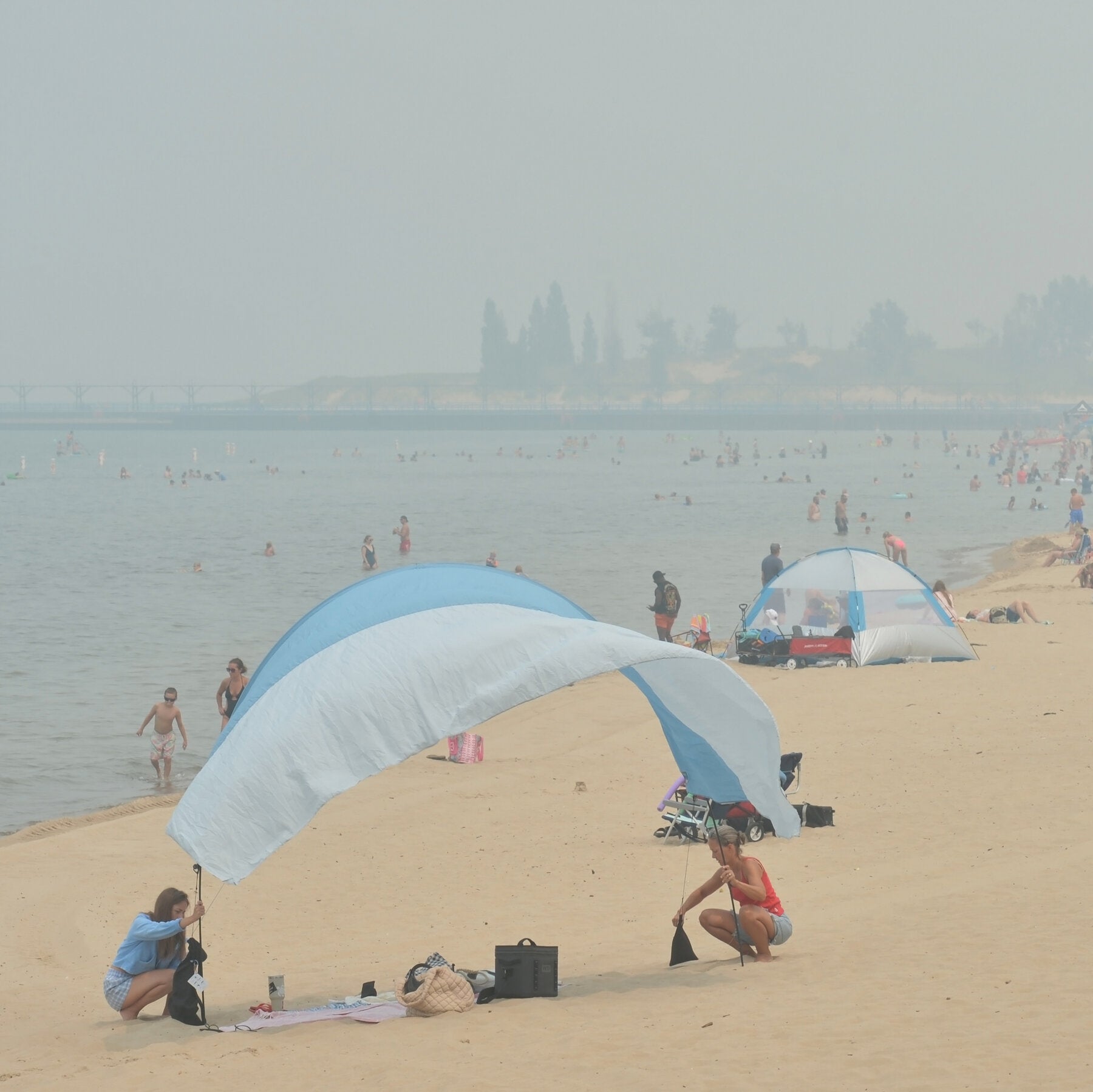
For decades, the global tourism industry operated on an implicit premise: seasonal predictability. Travel guides were written around stable climate calendars where the Mediterranean summer guaranteed clear skies, the Alps offered thermal refuge, and tropical archipelagos were visited respecting known monsoon cycles. Today, that architecture of certainty has crumbled. Extreme heatwaves, recurring wildfires, and flash floods are no longer isolated incidents that punctually disrupt a season, but the permanent backdrop against which contemporary tourism unfolds.
This phenomenon not only transforms the immediate traveler experience but redefines the economy of entire regions that depend on the summer months to sustain their annual gross domestic product. The climate crisis acts as an accelerator of transformations that forces a rethinking of when, how, and where we move. Data compiled by international meteorological and tourism bodies show that the traditional mass exodus toward southern European coasts and traditional urban enclaves faces unprecedented scrutiny from citizens who prioritize safety and thermal comfort over vacation inertia.
The collapse of traditional seasonality
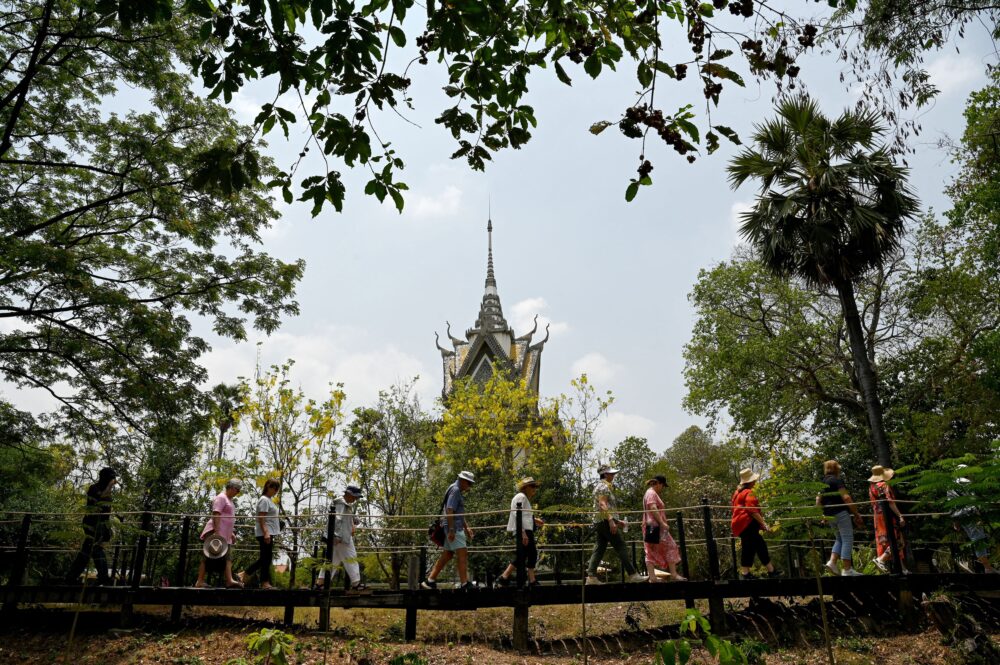
The concentration of tourist flows in the central months of the boreal summer has collided head-on with the planet’s biophysical limits. Record temperatures recorded in cities like Athens, Rome, or Seville have turned daytime visits to open-air monuments into physical endurance tests. Tour operators observe how last-minute cancellations increase exponentially when red alerts for extreme heat are issued, a factor that destabilizes the financial forecasts of airlines, hotels, and small local businesses.
Faced with this scenario, the industry faces a complex dilemma: persist in the model of seasonal massification under increasingly adverse weather conditions or force a transition toward deseasonalization. However, this shift is neither automatic nor free of labor and economic tensions. The sector’s temporary workforces face unsustainable working conditions under unprecedented thermal peaks, opening an urgent debate on the protection of frontline tourism service workers.
Summer tourism has ceased to be a simple matter of leisure to become an exercise in environmental risk management on a global scale.
The transformation of the contemporary traveler
The psychology of the tourist is undergoing a profound mutation. The desire to escape urban routine now collides with the uncertainty of encountering destinations with infrastructure collapsed by unforeseen storms or drinking water restrictions due to prolonged droughts. Today’s traveler no longer seeks relaxation alone, but incorporates complex variables into decision-making: the destination’s climate resilience, the availability of contingency plans, and the direct environmental impact of their journey.
This awareness generates market polarization. On one hand, a growing segment of the population opts for proximity tourism or rediscovering northern latitudes where summers maintain moderate temperatures. On the other hand, demand persists to squeeze traditional destinations before they suffer irreversible alterations, a phenomenon known as last-chance tourism that paradoxically increases pressure on already severely vulnerable ecosystems.
The search for climate refuges
As a direct response to rising temperatures in classic circuits, the concept of summer climate refuges has gained strong momentum. Medium-altitude mountainous destinations, northern European coastal regions, and sub-arctic archipelagos are experiencing a rebound in occupancy rates during July and August. These places, which traditionally lacked the massive infrastructure of the south, must now manage accelerated growth that tests their own environmental and social balances.
Local governments in these regions face the challenge of absorbing this new demand without replicating the mistakes of mass tourism. Quota policies, vehicular access restrictions, and strict local biodiversity conservation regulations are being implemented to prevent the remedy from worsening pre-existing ecological problems in these fragile mountain and tundra ecosystems.
Infrastructure to the limit and fragmented mobility
The global transport system, the cornerstone of tourist mobility, directly suffers the consequences of climate instability. Airport runways suffer deformation from extreme heat, forcing weight restrictions on aircraft or canceling takeoffs during the central hours of the day. Similarly, high-speed rail networks experience speed limits when steel tracks reach critical temperatures that compromise journey safety.
Maritime routes and cruises are not immune to this vulnerability either. Ocean acidification, sea-level rise, and the higher frequency of out-of-season cyclones disrupt traditional navigation routes. Mediterranean and Caribbean ports must invest millions in fortifying their breakwaters and modernizing docking systems capable of resisting increasingly violent extreme weather events.
The hidden cost of adaptation
Adapting tourist infrastructure to the new climate reality requires colossal investments that threaten to drastically increase the cost of traveling. From the installation of advanced air conditioning systems in heritage spaces to the construction of desalination plants to guarantee water supply in tourist islands, the resilience bill inevitably falls on the sector’s value chain.
This rising cost generates an evident socioeconomic gap in access to summer leisure. While higher-income segments can afford to pay premiums for flexible travel insurance and technologically adapted accommodations, families with lower purchasing power are left exposed to non-refundable cancellations or stays marked by environmental precariousness in overwhelmed destinations.
Turist resilience cannot depend exclusively on the traveler’s economic capacity; it demands a structural transformation of public and private policies.
The invisible impact on heritage and ecosystems
Beyond traveler comfort, the climate crisis irreversibly alters the fundamental appeal of many destinations: their natural and cultural heritage. Entire coral reefs suffer severe bleaching due to warming marine waters, decimating scuba diving tourism in tropical regions. On land, wildfires ravage national parks and nature reserves that constituted the main ecotourism draw of entire countries, altering endemic species habitats and drastically reducing visible biodiversity.
Architectural and historical heritage also suffers accelerated wear and tear. The combination of extreme temperatures, fluctuating humidity, and torrential rains accelerates the degradation of stone monuments, archaeological sites, and centuries-old historic centers. Cultural authorities are forced to restrict public access to emblematic areas to protect them, limiting the visitor experience and transforming the relationship between the public and historical legacy.
The management of water scarcity
One of the most complex and urgent challenges is water management in tourist enclaves during summer peaks. The coincidence of the maximum number of visitors with periods of lowest rainfall generates a critical water deficit in numerous regions of southern Europe and North Africa. Hotels, golf courses, and swimming pool complexes compete directly with local human and agricultural consumption for increasingly scarce water resources.
This water tension has begun to generate palpable social friction between residents and visitors, calling into question the social sustainability of the current tourism model. Local communities demand strict limits on water consumption by the hotel industry, forcing establishments to implement purification and reuse technologies that, although necessary, require prolonged implementation periods.
Toward a new paradigm of global responsibility
The debate on the future of summer tourism no longer revolves around how to recover pre-pandemic or climate normality, but how to design a model capable of operating in a state of permanent change. Travel agencies, airlines, and local governments must transition from reactive emergency management to strategic planning based on prevention and geographic and temporal diversification.
This new paradigm also demands greater informational transparency from the industry. Travelers demand reliable, real-time data on destination environmental conditions, the actual sustainability policies of accommodations, and security guarantees against extreme weather events. Truthful information thus becomes the most valuable asset to build a renewed relationship of trust between the sector and citizens.
Practical guide
- Flexible planning: Always contract travel insurance that includes specific coverage for itinerary interruption due to extreme weather events or government alerts.
- Temporal diversification: Consider moving your vacation periods outside the central months of July and August, opting for June or September to mitigate thermal impact and overcrowding.
- Destination selection: Evaluate northern or mid-mountain alternatives that offer better thermal conditions and less pressure on local water resources.
- Accommodation verification: Check that chosen establishments have rigorous environmental certifications and operational plans against droughts or high temperatures.
- Responsible resource use: Minimize water and energy consumption during your stay, respecting local restrictions imposed by destination town halls.
- Weather tracking: Consult official meteorological and civil protection sources of the destination country before and during travel to anticipate potential alerts.
- Support for the local economy: Prioritize consumption in proximity businesses and services operating under proven social and environmental sustainability criteria.
The horizon of human movement
The way we conceive summer and rest no longer belongs to the realm of immutable certainties. As global temperatures continue their rise, the travel experience transforms into a constant exercise of adaptation, respect, and ecological awareness. The challenge facing global society is not merely preserving the viability of a fundamental economic industry, but redefining our relationship with the territory and the limits of a planet that demands we listen to its warning signals before the map of world leisure is permanently erased by heat.
Source in EN: The New York Times – How Climate Change Is Disrupting Summer Travel (https://www.nytimes.com/2026/09/25/travel/climate-change-summer-travel-disruptions.html)