
The Summits Where Granite Rules
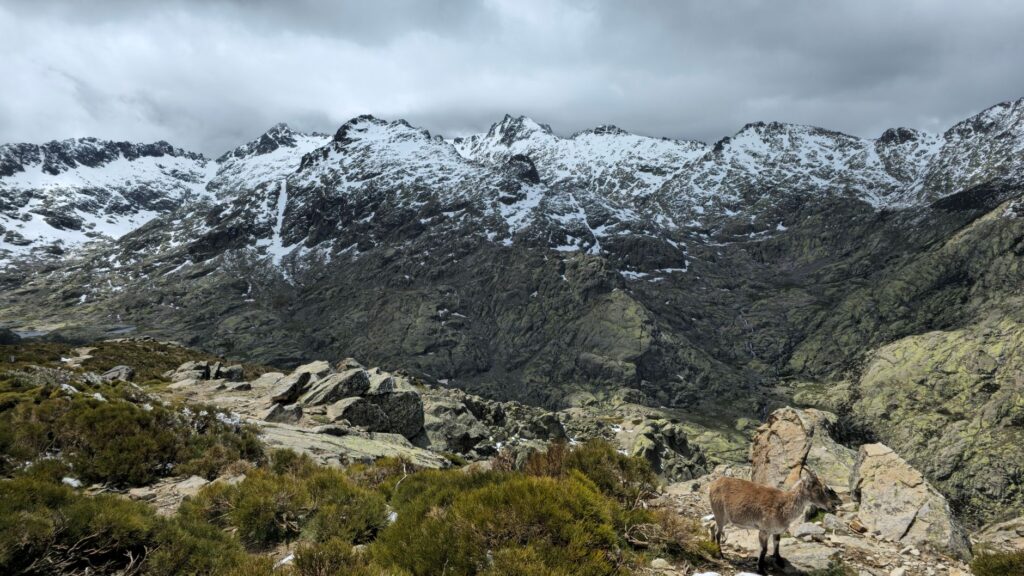
The Central System is a stone backbone dividing the Northern and Southern Mesetas, and in its most rugged section, the Gredos massif, geology imposes its own rules. Here, Quaternary glacial erosion left a landscape of cirques, moraine lakes, and ice-polished granite crests. In this extreme environment, where winter winds exceed one hundred kilometers per hour and temperatures drop well below freezing, one of the Iberian Peninsula’s most emblematic wild ungulate populations survives: the Gredos ibex (Capra pyrenaica victoriae).
Unlike other subspecies inhabiting more Mediterranean or gentle profiles, the Gredos ibex has sculpted its morphology and behavior around verticality. Adult males, characterized by impressive ringed horns curving backward in a perfect parabola, patrol the most inaccessible cliffs during the summer months, seeking high-altitude pastures emerging after the thaw. This geographic isolation is no accident; during the nineteenth and twentieth centuries, hunting pressure nearly drove the lineage to extinction, saved in extremis by royal intervention that established the Royal Hunting Reserve in 1905, the germ of the current Regional Park.
Understanding the dynamics of this species requires delving into the mechanics of its winter biology. When snow blankets the mountain shrublands and codesars, ibex tactically descend toward southern slopes, seeking areas with greater solar exposure where the snowpack recedes earlier. In these mid-mountain bands, the availability of tender woody shoots becomes the limiting factor for survival. Biologists monitoring populations through annual visual censuses observe how dry winters drastically alter recruitment rates, meaning the number of kids managing to survive their first year of life.
Gregarious Behavior and Social Architecture
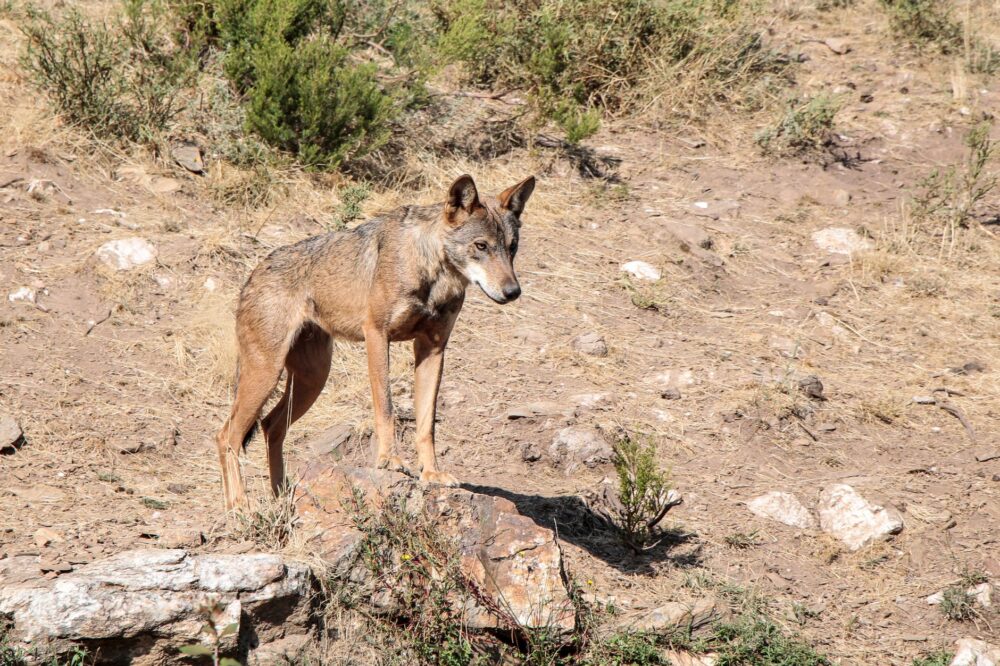
The social structure of the ibex is a clear example of sexual segregation outside the rutting season. During spring and summer, herds strictly formed by females, newborn kids, and subadults of both sexes are commonly observed. These matrilineal groups occupy alpine meadows where food is most abundant and predictable, reducing direct competition and ensuring safety against natural predators such as the Iberian wolf, whose presence in the massif has experienced intermittent return in recent decades.
Meanwhile, adult males form bachelor groups or live solitary lives for most of the year. These male collectives are governed by a fierce dominance hierarchy based on body size and, very conspicuously, the span and thickness of their horns. Clashes during the rutting season, concentrated in November and December, are rituals of staggering physical intensity. Frontal collisions between males echo across glacial valleys, a dry sound testifying to the genetic supremacy of the victor, who will monopolize most matings with the territory’s females.
This gregarious organization responds not only to reproductive impulses but to an evolutionary early-warning strategy. On rocky walls where visibility is excellent but the margin for error is zero, multiple pairs of eyes reduce the time each individual must spend watching for predation risks. When an individual detects an anomaly—whether the silhouette of a golden eagle soaring over the brush or the approach of disoriented hikers—it emits a sharp, dry snort instantly alerting the entire herd, triggering synchronized flight along ledges where no other terrestrial mammal would dare venture.
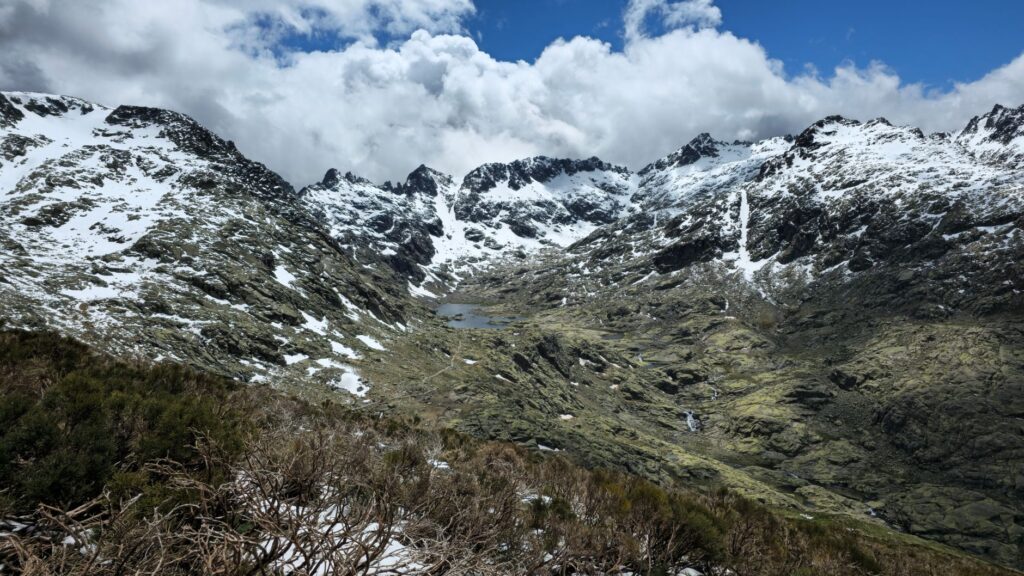
The conservation of large wild herbivores in southern European massifs depends not only on the legal protection of spaces, but on preserving ecological corridors that prevent inbreeding and allow gene flow among neighboring populations.
Physiological Adaptations to the Rupicolous Environment
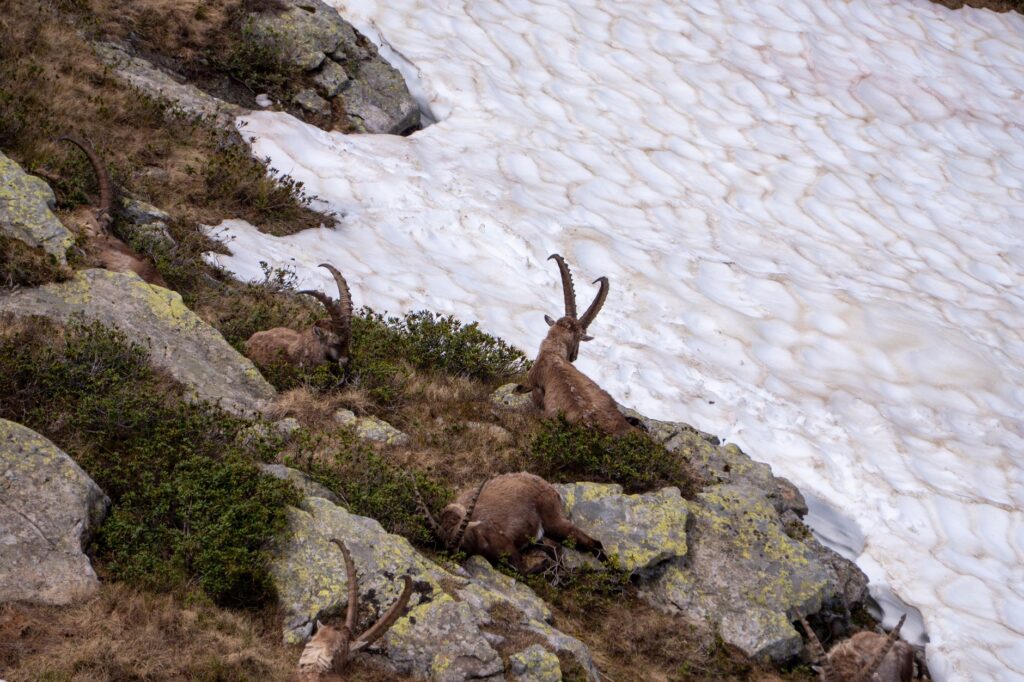
The ability of Capra pyrenaica victoriae to defy gravity on nearly vertical, smooth rock walls is the result of millions of years of morphological evolution. The hooves of these animals feature specialized design: a hard, keratinized outer rim acting as a natural crampon on bare rock or ice, combined with a soft, elastic central pad functioning like a suction cup, maximizing traction.
Beyond their limbs, the ibex’s thermoregulatory system is optimized to withstand extreme thermal fluctuations. Their coat varies markedly between summer and winter. During summer months, they sport a short, brown or grayish coat conferring extraordinary camouflage among granite and lichens. With autumn’s arrival, they develop a dense, woolly undercoat covered by long, dark guard hairs, especially prominent in males, effectively isolating them from moisture and the freezing mountain wind.
Diet also undergoes complex seasonal variations. Although essentially browsers in cold months—consuming shoots of mountain scrub, creeping juniper, and Pyrenean oak—during spring they eagerly take advantage of the explosion of grasses and mineral-rich herbaceous plants. This dietary shift not only satisfies energy needs after the wear of rutting or gestation, but allows them to ingest trace elements necessary for proper bone development and the mineralization of their formidable horns.
Health Threats and Demographic Management
Despite relative success in numerical recovery since the early twentieth century, Gredos populations face complex ecological challenges. One of the most serious problems detected by protected area veterinary services is the incidence of sarcoptic mange, a parasitic disease caused by the mite Sarcoptes scabiei, which has caused mass mortality episodes in several Spanish mountain ranges.
Mange causes intense itching, hair loss, and the formation of hyperkeratotic crusts preventing proper thermoregulation, leading the animal to exhaustion and ultimately death. In an environment as rugged as Gredos, managing this epizootic is extremely complex. Regional park technicians carry out constant epidemiological monitoring, removing sick animals when population density favors contagion through direct contact in communal grazing areas.
Alongside health pressures, climate change exerts a silent yet persistent influence on the alpine habitat. Progressive increases in summer temperatures and reductions in snowfall alter the hydrological cycle of high-mountain lakes and dry out summer pastures prematurely. This forces herds to make wider, energetically costly movements, increasing the vulnerability of pregnant females and newborns to weather inclemencies and anthropogenic stress factors.
Practical guide
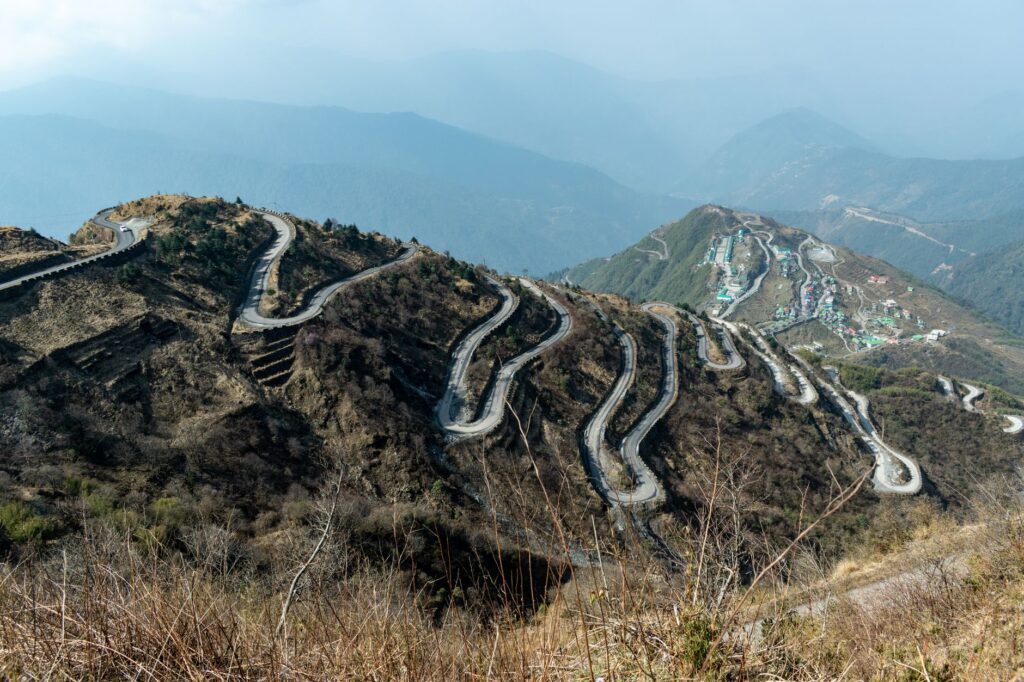
How to get there: The main access to the Sierra de Gredos Regional Park is via the N-502 road, crossing the Puerto del Pico pass, or through the A-6 to Ávila and from there via the CL-502. The main starting points for hiking routes are the Gredos platform, in the municipality of Zapardiel de la Ribera, and Hoyos del Espino.
Best time to visit: Late spring (May and June) offers the spectacle of newborn births and the greening of shrublands. Autumn (October and November) is ideal for witnessing the early stages of male rutting, though it requires caution regarding meteorological instability.
Requirements and regulations: Access to certain areas of the Regional Park is regulated depending on the time of year to protect fauna breeding grounds. Parking exclusively in designated lots is mandatory, camping outside authorized shelters is prohibited, and the use of drones is strictly forbidden, as their presence causes severe stress to rupicolous birds and ibex herds.
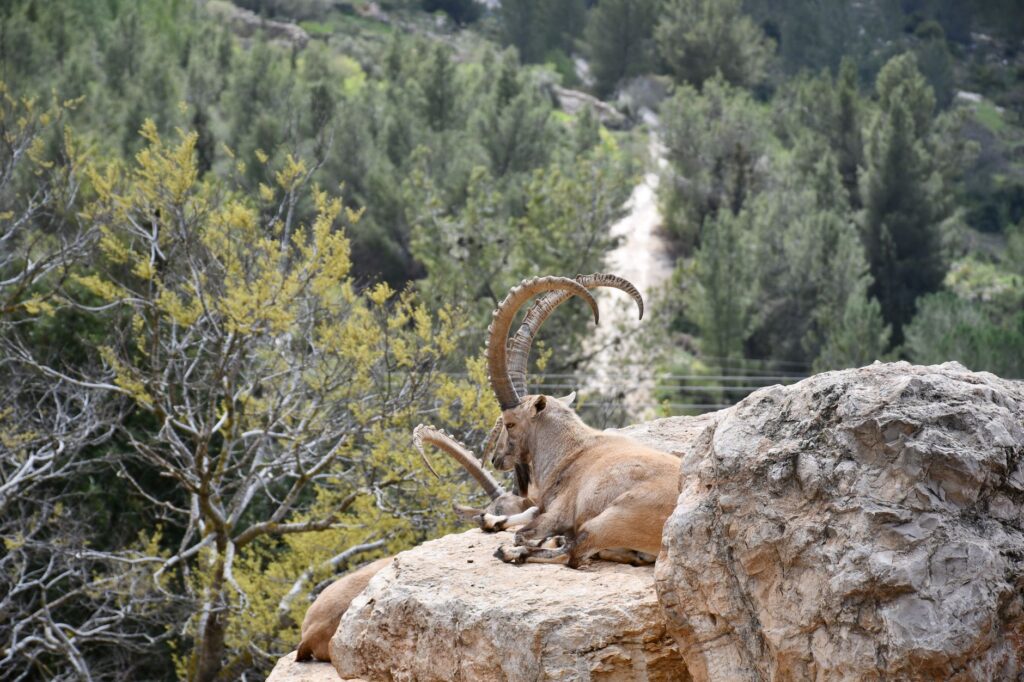
Recommended gear: Layered clothing, mountain boots with high-traction soles, high-power binoculars or a spotting scope for distant wildlife observation, and proper sun protection for high altitude, where ultraviolet radiation is significantly elevated.
The Murmur of Wind on Stone
Contemplating at dusk the silhouette of a large male ibex outlined against the burning sky of the Gredos cirque is one of the most moving aesthetic and naturalistic experiences offered by the Iberian landscape. It is not merely spotting a unique animal, but realizing that wildlife still preserves refuges where evolutionary persistence defies climatic adversity and the pressure of an increasingly humanized world.
In the silence of these granitic crests, where meltwater whispers between crevices and the griffon vulture glides over abysses, the ibex continues fulfilling its ecological role as architect of the rocks. Protecting its habitat and respecting its seasonal preferences is not only an act of conservationist responsibility, but a moral obligation toward future generations, who must have the right to hear, high in the Ávila massif, the distant and superb echo of stone beaten by life.