
Introduction to the Oceanic Isolation of the Mexican Pacific
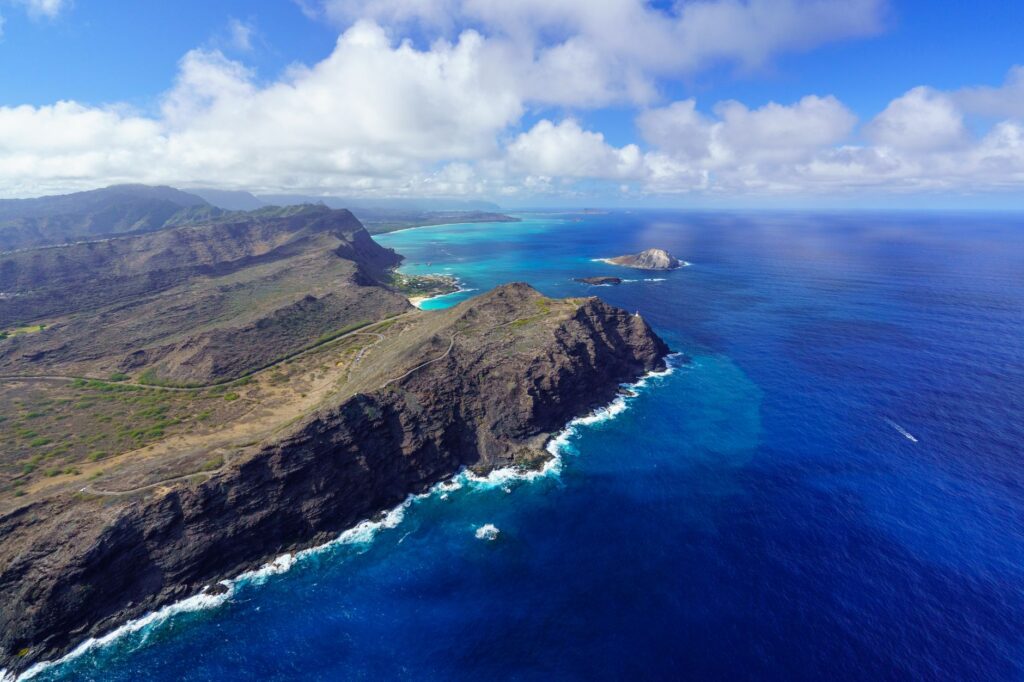
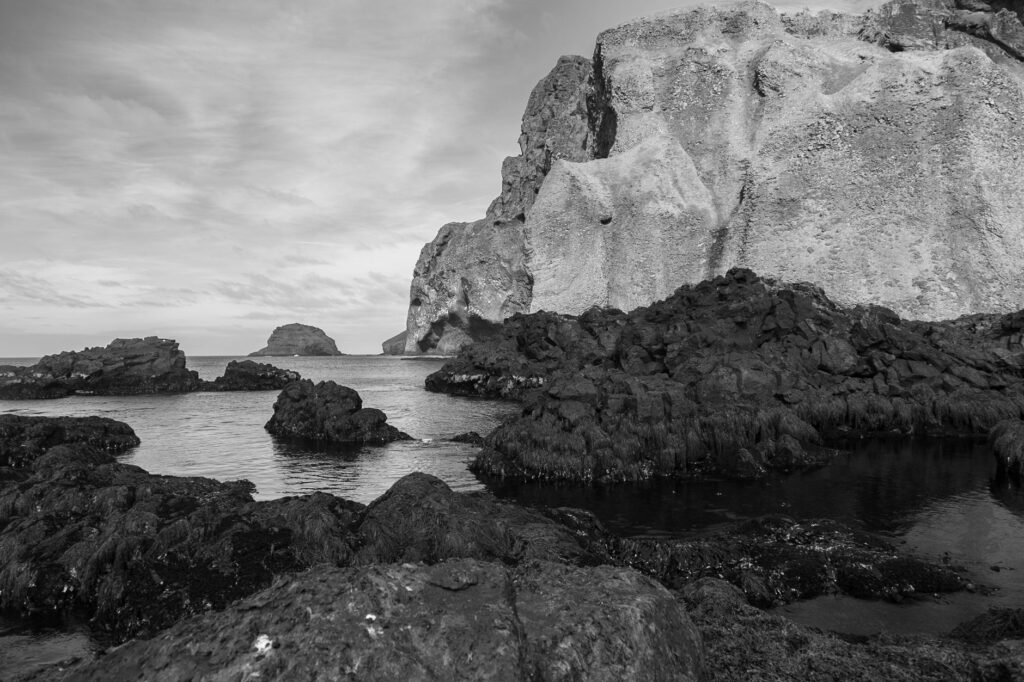
More than four hundred kilometers off the coast of Baja California Sur, the Revillagigedo Archipelago emerges as a fortress of basalt and foam lashed by the relentless swell of the open Pacific. This group of volcanic islands, comprising Socorro, San Benedicto, Roca Partida, and Clarión, represents much more than a geographical landmark on the navigation routes; it constitutes one of the best-preserved marine sanctuaries in the Western Hemisphere. Beneath the surface of these deep waters, where sunlight rapidly fades into an impenetrable cobalt blue, unfolds a biological universe dominated by black coral formations of the order Antipatharia, authentic millennial giants anchored to vertical volcanic walls.
The study of these colonial structures is not merely a matter of contemplative wonder, but an urgent necessity to decipher how sessile deep-water organisms resist thermal fluctuations and dynamic currents. Unlike shallow coral reefs that depend on surface photosynthesis, deep black coral forests rely on the constant arrival of nutrients brought by abyssal upwelling currents. This oceanographic interaction turns Revillagigedo into a living natural laboratory where marine science and biodiversity conservation converge to protect an ecological heritage of incalculable value against the growing global pressures of climate change and commercial overfishing.
Abyssal Architecture and Upwelling Currents
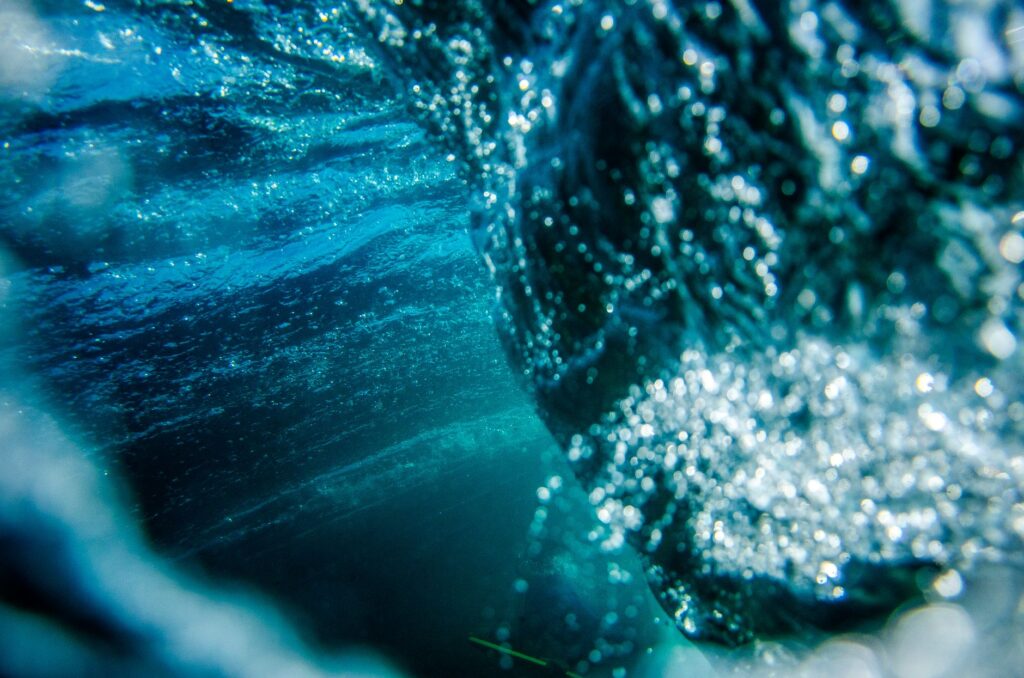
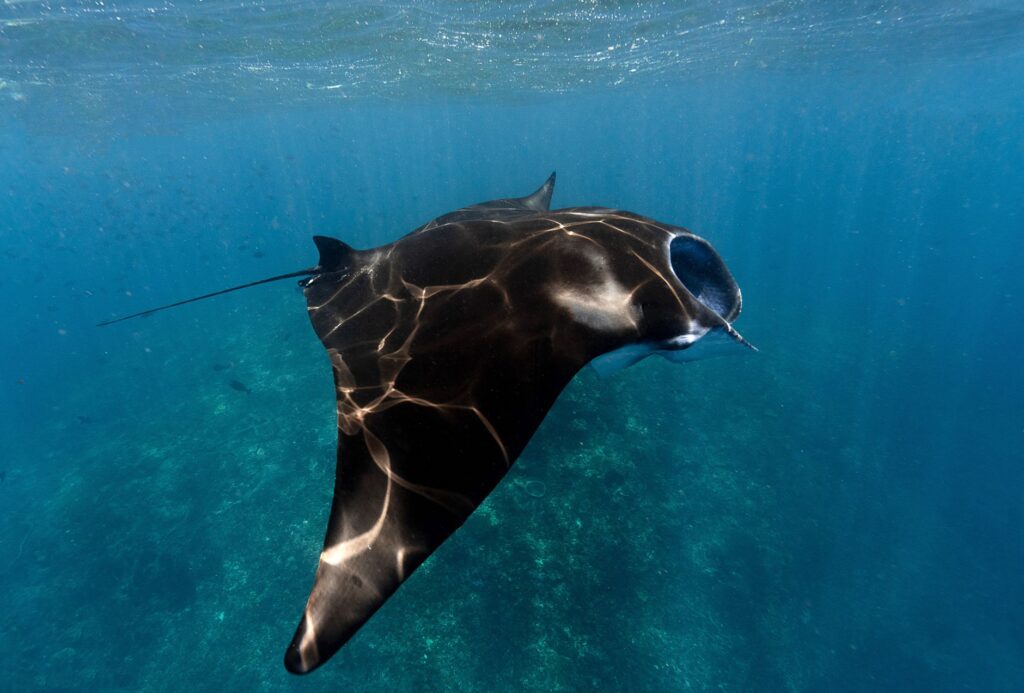
To understand the persistence of black corals in this oceanic outpost, it is essential to analyze the complex bathymetry of the seabed. The islands are actually the peaks of colossal underwater volcanoes rising from the ocean floor over three thousand meters below. This rugged topography creates natural channels where cold water masses from the north converge with warm tropical currents, generating a permanent vertical mixing phenomenon. Nutrients accumulated in the abyssal plains are thrust toward the surface, fueling a dense trophic chain that begins with microscopic phytoplankton and culminates in apex predators such as hammerhead sharks, giant manta rays, and humpback whales.
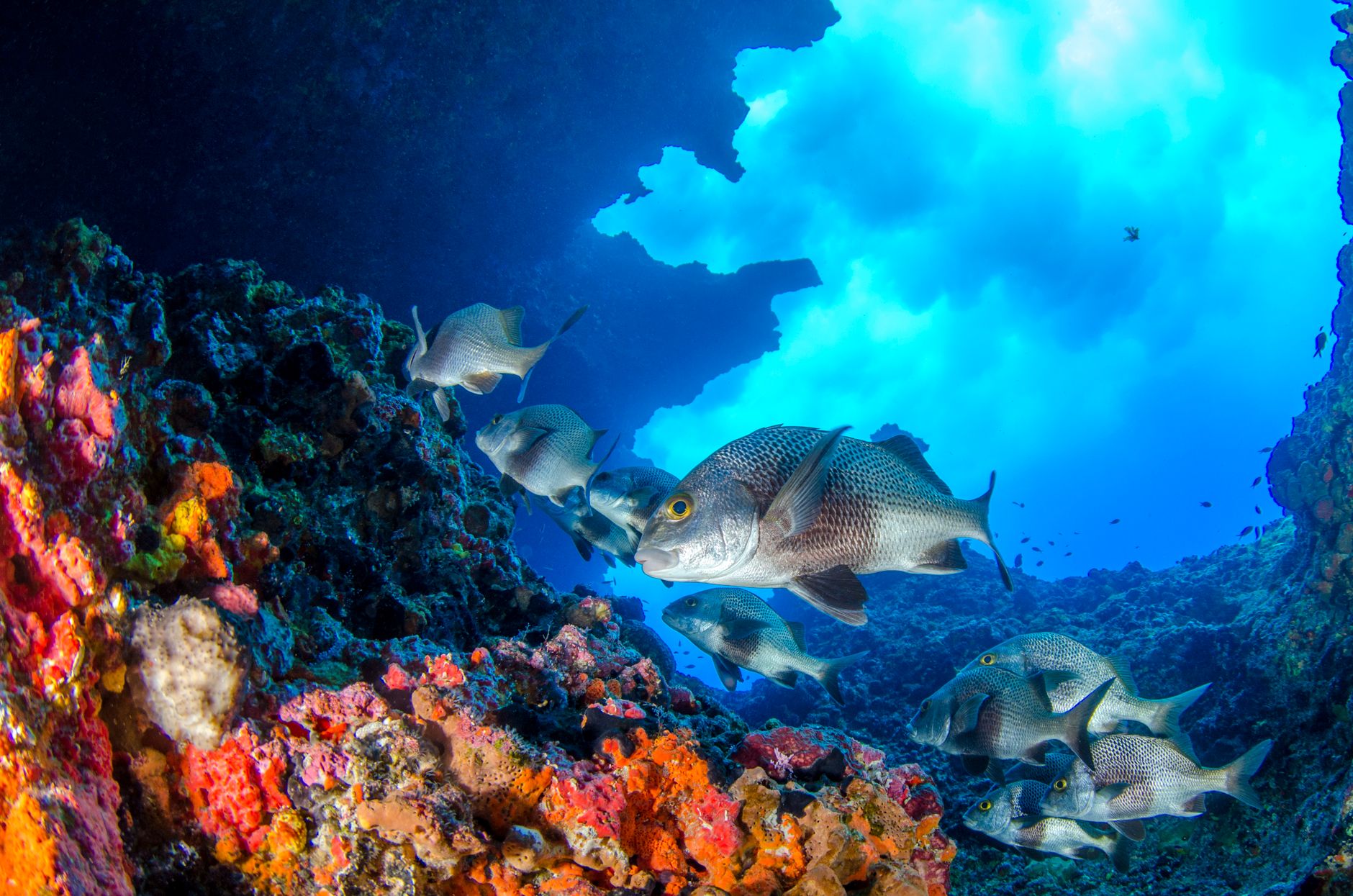
The vertical walls of basaltic rock plunging into darkness are exposed to extreme hydrodynamics. Tidal currents strike the cliffs with relentless force, compelling black coral colonies to develop exceptional structural adaptations. Their protein skeletons, formed by concentric layers of a flexible yet remarkably resilient horny substance, allow them to sway to the rhythm of water movement without fracturing. This biomechanical design is the result of millennia of evolution in an environment where stability is the sole exception to the rule of constant oceanic motion.
Demographics and Ecology of Submerged Forests
Contrary to the popular misconception that these organisms are dark in color due to their living appearance, black coral owes its name to the color of its internal skeleton, which sharply contrasts with the translucent, yellow, or white polyps covering it during its feeding phase. In the depths of Revillagigedo, between thirty and two hundred meters deep, these colonies form dense three-dimensional forests that act as true ecosystem engineers. Their branching structure provides critical shelter, spawning zones, and nursery areas for a myriad of rock-dwelling fish, crustaceans, and mollusks that could not survive on exposed slopes.
Underwater surveys conducted by international scientific teams reveal extremely slow growth rates, estimated at just a few millimeters per year. Some of the largest and oldest colonies in the archipelago exceed several centuries of existence, becoming living archives of the chemical and thermal conditions of the ocean throughout modern history. However, this extreme longevity also makes them highly vulnerable. Mechanical damage caused by poor anchoring practices or abandoned fishing nets can destroy structures in seconds that took generations to consolidate, an imbalance that would take decades to reverse naturally.
Trophic Dynamics and Apex Predators
The ecological equilibrium around Revillagigedo is sustained by the massive presence of apex predators, whose abundance is a direct indicator of marine ecosystem health. In the vicinity of Roca Partida and the underwater seamounts of Socorro Island, scientific divers and researchers record notable concentrations of silvertip sharks, tiger sharks, and large schools of jacks. These carnivores play a fundamental regulatory role, controlling populations of herbivorous fish and mesopredators, which in turn prevents the collapse of the lower tiers of the food web.
The relationship between black coral forests and large pelagics is symbiotic and functional. While corals offer physical architecture as safe havens for juvenile stages of numerous fish species serving as a food base, top predators maintain the energetic flow of the system by connecting deep zones with surface waters. The absence of industrial fishing pressures within the boundaries of the national park—declared a UNESCO World Heritage Site—has allowed these populations to maintain stable demographic structures, offering science a unique baseline parameter on how the planet’s oceans functioned prior to the massive expansion of industrial fishing.
Global Threats and Insular Resilience
Despite its strict protection status as the largest fully protected marine reserve in North America, the Revillagigedo Archipelago is not immune to the major environmental crises affecting the planet. Global ocean warming represents a latent and growing threat. Extended thermal anomaly events can trigger physiological stress processes in sessile organisms, weakening their defenses and altering the circulation patterns of nutrient currents that sustain the entire biological system of the archipelago.
Likewise, plastic pollution and microplastics transported by global ocean currents reach even the most remote corners of these uninhabited volcanic islands. Fragments of ghost fishing nets, originating from international fleets operating in adjacent high seas, are frequently washed toward rocky cliffs, where they act as death traps for marine wildlife and cause severe abrasion to black coral colonies. Constant satellite surveillance and patrols by the Mexican Navy are essential tools to deter illegal fishing, but long-term conservation demands more ambitious international cooperation in high seas governance.
Scientific Monitoring and Conservation Strategies
The study and protection of deep ecosystems in Revillagigedo require the deployment of advanced technology. Because the highest concentrations of black coral lie beyond the safe limits of recreational scuba diving, researchers rely on remotely operated vehicles (ROVs) and manned submersibles equipped with high-definition cameras and articulated arms for non-destructive sampling. These tools allow millimeter-precision mapping of the distribution of submerged forests and assess the health status of polyps against water temperature and acidity fluctuations.
Simultaneously, acoustic tagging programs and telemetry applied to sharks and large fish inhabiting these same deep zones have mapped migratory corridors connecting Revillagigedo with other sanctuaries in the eastern Pacific, such as Cocos Island in Costa Rica and the Galapagos in Ecuador. This regional vision of conservation recognizes that protecting an isolated site is insufficient if the species inhabiting it travel through unprotected waters during their reproductive or feeding cycles. Science thus establishes itself as the fundamental pillar supporting public marine management policies.
Effective conservation of oceanic abysses is not about freezing time, but ensuring that evolutionary processes follow their natural course without the destructive interference of unbridled human activity.
The future of this marine refuge depends directly on the international community’s capacity to maintain rigor in non-extraction policies and to fund long-term scientific research. The lessons learned in Revillagigedo demonstrate that when marine ecosystems are granted the space and legal protection necessary for recovery, nature possesses an extraordinary capacity for resilience. However, the margin of error narrows with every decade of global climate inaction, making it imperative that the protection of these abysses transcends national borders to become an absolute priority of global environmental diplomacy.
Practical guide
How to get there: The Revillagigedo Archipelago is strictly uninhabited and lacks terrestrial tourism infrastructure, airports, or commercial services. The only way to access the area is through long-range expedition and diving vessels departing primarily from the port of Cabo San Lucas in Baja California Sur. Estimated sea voyage: between 24 and 30 hours of open-sea navigation each way.
Permits and regulations: The area is part of the Revillagigedo Archipelago National Park and Biosphere Reserve. Access is restricted to authorized tour operators complying with strict environmental regulations set by the National Commission of Natural Protected Areas (CONANP). Landing on the islands is prohibited without special scientific authorization, as is any extractive activity.
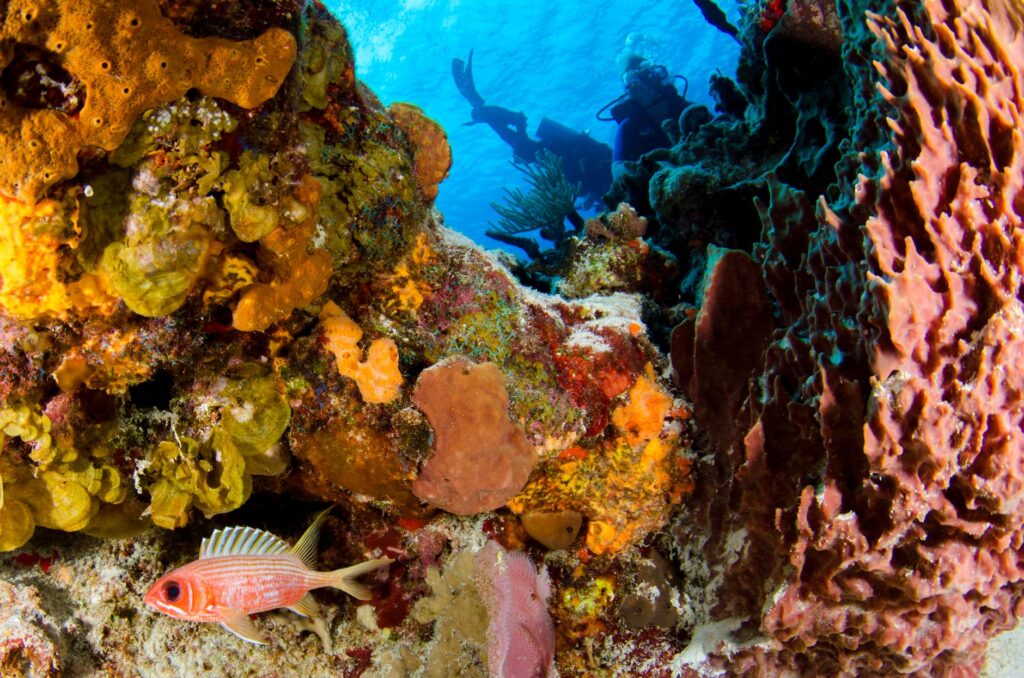
Expedition requirements: Trips are intended exclusively for experienced divers due to strong currents, variable water temperatures, and the depth of the sites. Certification in advanced diving, a minimum logbook of open-water dives, and specialized hyperbaric medical evacuation insurance are mandatory.
Recommended season: The expedition season generally runs between November and May, during which sea conditions are most stable and the highest presence of large pelagics, giant manta rays, and humpback whales is recorded in the region.
Emotional Conclusion and Visual Closing
Contemplating the descent into the deep blue of Revillagigedo from the deck of a drifting vessel is an experience that commands profound respect for the immensity of the planet. In the distance, the imposing silhouette of Roca Partida cuts against the horizon like a solitary monolith where thousands of seabirds find temporary rest. Beneath that seemingly serene surface, in the perpetual twilight of the basaltic cliffs, black corals continue their slow, imperceptible growth, weaving a web of life that defies the currents of time. In these abysses where human presence fades, nature continues to write its purest story, reminding us of the urgency of preserving the last truly wild strongholds still remaining on Earth.