Contemporary cinema possesses the uncanny ability to reshape the sentimental cartography of the planet. Remote locations become the silent doubles of unreachable geographies, and audiences accept the illusion quite naturally. In the case of productions recreating the implacable territory of Alaska, the film industry has found in New Zealand’s South Island a visually stunning substitute. This southern territory, characterized by glacier-sculpted peaks, deep fjords, and wind-scoured plains, offers a natural architecture capable of embodying both the beauty and the hostility of the American far north.
The choice of these locations responds not merely to aesthetic or budgetary criteria. It reflects a geological convergence where topographic majesty dialogues with an infrastructure that allows complex shooting in remote yet accessible environments. Through this feature report, we will examine how New Zealand’s South Island assumes the leading role in extreme survival productions, becoming much more than a simple backdrop: it is an active character that shapes the narrative and tests the physical and emotional limits of its interpreters.
The geography of the extreme: when the south mimics the north
At first glance, comparing the Southern Alps of New Zealand with the Alaska Range seems an exercise in geographical audacity. Separated by thousands of kilometers and opposite hemispheres, both territories nevertheless share a violent tectonic history and a latitude that, in climatic terms, generates remarkable similarities in high-mountain zones. The glaciers descending from Mount Cook—or Aoraki, according to its native Māori designation—offer the exact same icy texture, treacherous crevasses, and silent avalanches as the North American ice giants.
Film productions seeking to replicate the isolation of Anchorage or Denali National Park find an identical canvas in the Otago region and the national parks of Fiordland and Mount Aspiring. Here, human intervention is minimal, and vast expanses of alpine tundra and temperate rainforest convey absolute isolation. This visual authenticity is vital for narratives where the natural environment acts as the primary antagonist of the plot.
The architecture of exposure: infrastructures in the void
Shooting in these settings requires titanic logistical planning. Although the South Island projects an image of pristine wilderness, it features road networks and technical support centers in cities such as Queenstown and Christchurch that facilitate the transport of heavy equipment. Highways like State Highway 6 wind through mountain passes that simulate with surgical precision the lonely roads of Alaska.
Cinematographers particularly value the quality of light in this zone of New Zealand. Due to its relative proximity to Antarctica, solar angles during certain seasons produce cold, metallic tones that fit perfectly with the chromatic palette demanded by survival thrillers set in northern latitudes.
The unbreakable bond between human and animal
Beyond landscape grandeur, the stories unfolding in these settings usually gravitate around intimacy and vulnerability. Recent cinematic narrative has skillfully exploited the contrast between the hostile immensity of nature and the fragility of affective ties, especially those woven between a human being and an animal in extreme situations.
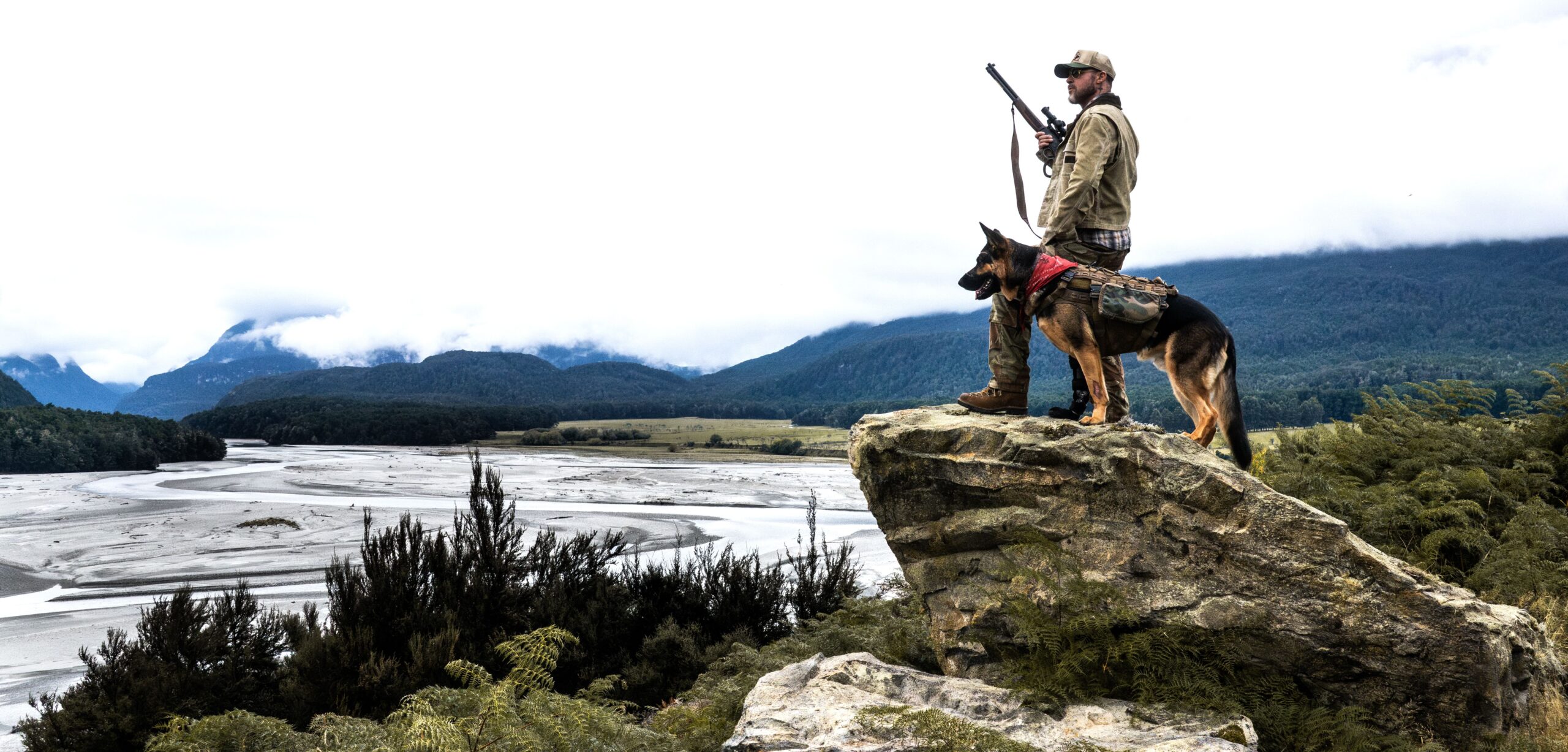
In these plots, the sled dog or canine companion is not a mere narrative device, but the emotional anchor preventing the protagonist’s dehumanization. The geography of the South Island, with its muddy terrains, freezing water currents, and impenetrable forests, tests both two-legged and four-legged actors alike, generating filming dynamics where complicity transcends the script.
The true test of survival lies not in conquering the cold, but in maintaining empathy when the environment demands sheer hardness.
Training and adaptation in the field
Preparation for this type of production involves months of acclimatization. Animal trainers and actors must integrate into the local ecosystem to understand the real risks of the terrain. The currents of alpine rivers, fed by sudden snowmelt, are notoriously dangerous. Set safety is a constant priority, managed by local mountain guides who know every rock and every sudden shift in wind direction.
This close coexistence with wild nature imbues performances with unmistakable verisimilitude. Expressions of physical exhaustion and awe before the landscape are not the result of acting craft, but the genuine biological response to the harsh working conditions in the field.
The tradition of grand filmmaking in Aotearoa
The transformation of New Zealand into other geographical worlds is not a new phenomenon. From epic fantasy blockbusters to intimate independent dramas, the country’s audiovisual industry has perfected a production model based on absolute respect for the environment and close collaboration with indigenous Māori communities.
Every location used on the South Island is subject to strict environmental protocols designed to protect endemic flora, such as silver ferns and beech forests. Production companies must work hand in hand with the Department of Conservation (DOC) to ensure the passage of cameras, cranes, and human crews leaves a zero footprint in these fragile alpine ecosystems.
Local economy and cinematic tourism
The economic impact of these productions extends far beyond the months of filming. Entire communities benefit from the economic spillover generated by production crews numbering in the hundreds. Hotels, transport services, light commercial aviation companies, and experienced local guides experience a significant boost.
Likewise, the release of these films triggers a cinematic tourism phenomenon. Travelers from around the world arrive on the South Island eager to replicate the framing of the big screen, keen to experience firsthand the thrill of traversing trails where their fictional heroes fought to survive against adversity.
The ethics of filming in natural sanctuaries
Shooting in environments of such fragile beauty raises necessary debates about the sustainability of tourism and the entertainment industry. The overcrowding of certain iconic spots has forced local authorities to implement access restrictions and special permits regulating commercial activity in protected areas.
The conservation of native biodiversity, historically threatened by introduced species, is a national priority. Film productions often act as involuntary ambassadors for these causes, financing reforestation and pest control programs in exchange for using natural spaces.
Filming wild nature is a privilege that carries the inescapable responsibility of guaranteeing its preservation for future generations.
The human factor: communities and hospitality
Behind the visual grandeur of the films lies the human fabric of the South Island. Small towns like Wanaka, Te Anau, and Glenorchy have seen their traditional economies, based on farming and forestry, diversify thanks to the film industry. The hospitality of their inhabitants and their willingness to collaborate in complex projects are fundamental pillars of New Zealand’s continued success as a global cinematic set.
Locals contribute not only their knowledge of climate and topography, but also a work ethic rooted in geographical isolation, where mutual aid is a matter of daily survival.
Practical guide
Planning a trip to explore the cinematic locations of New Zealand’s South Island requires a combination of adventurous spirit and logistical rigor. Below are the essential recommendations for navigating these routes safely and with environmental respect.
- Best time to visit: December to February (southern summer) offers the most stable weather conditions for alpine hiking, though shoulder months (March–April and October–November) guarantee fewer crowds and spectacular autumn foliage.
- Recommended transport: Renting a 4×4 vehicle is essential for accessing certain remote valleys and mountain passes in the Otago and Fiordland regions. Respecting warning signs regarding changing weather on alpine roads is critical.
- Accommodation: From luxury eco-lodges in Queenstown to Department of Conservation (DOC) managed campsites in rural areas. Advance booking is required during the high summer season.
- Permits and regulations: If planning advanced trekking routes, such as the Routeburn Track or Milford Track, you must book access permits months in advance due to strict daily quotas protecting the environment.
- Essential gear: Layered clothing, waterproof mountain boots, broad-spectrum sunscreen (due to the thinning ozone layer in the southern hemisphere), and satellite communication devices if venturing into areas without mobile coverage.
Traversing the South Island with an eye toward its capacity to embody the most extreme landscapes on the planet reveals that the true magic of cinema lies not in the falsehood of fiction, but in its ability to show us the genuine grandeur of our world through surprising new geographical mirrors.
Source in EN: Condé Nast Traveler (https://www.cntraveler.com/story/in-heart-of-the-beast-new-zealands-south-island-makes-a-compelling-dupe-for-alaska)