
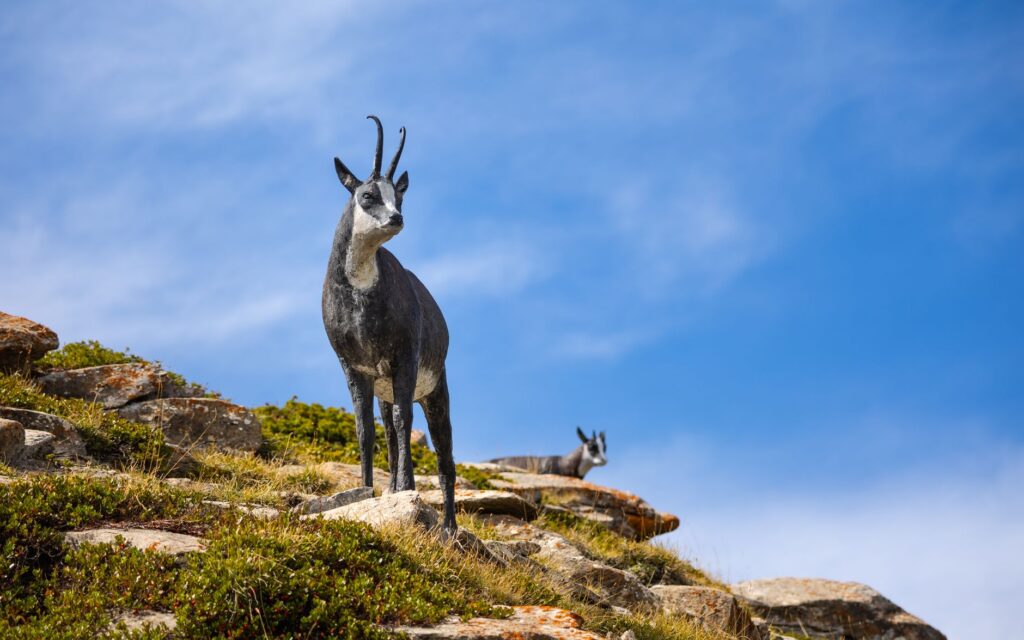
Dawn over the Gran Paradiso massif does not break gently; it strikes sharply against the gneiss ridges and permanent snowfields that form the natural border between Piedmont and the Aosta Valley. At over two thousand five hundred meters of altitude, the air is thin in its scarcity of oxygen and bites with a thermal rigor that tests any organism devoid of ancient adaptations. It is here, in the vertical realm where human laws vanish before the relentless alpine topography, that one of the continent’s most agile ungulates survives: the alpine chamois, known locally as the camozza. This territory, which once served as the royal hunting reserve of the Italian monarchy, today represents the foundational sanctuary of alpine conservation in Europe, a living laboratory where science and wildlife management attempt to anticipate the shocks of global warming.
Understanding the population dynamics of Rupicapra rupicapra in this environment requires stripping the landscape of its merely picturesque postcard image. The Orco and Cogne valleys are not simple tourist backdrops, but complex ecological frameworks where climate pressure constantly redefines the limits of winter survival. During the months of extreme cold, herds of females and kids descend to less exposed wooded buttresses, while dominant males remain on the wind-swept ledges, defying blizzards with a dense, dark winter coat known as the gamsbart. Field research conducted by Gran Paradiso park rangers demonstrates that the survival of these populations critically depends on the stability of the snowpack and the early availability of herbaceous shoots following the thaw.
The Geography of Verticality: Geology and Nival Refuge
The architecture of Gran Paradiso is the result of millions of years of tectonic compression and glacial erosion. Metamorphic rocks, primarily gneiss and schists, fractured by perpetual freezes, generate an infinity of ledges, shelves, and vertical cliffs that act as natural fortresses against large terrestrial predators. For the chamois, this abrupt topography is not an obstacle, but its main evolutionary advantage. Its hooves, equipped with an elastic central pad and sharp horny rims, act as biological crampons capable of adhering to bare rock or braking with millimeter precision on icy slopes exceeding sixty degrees.
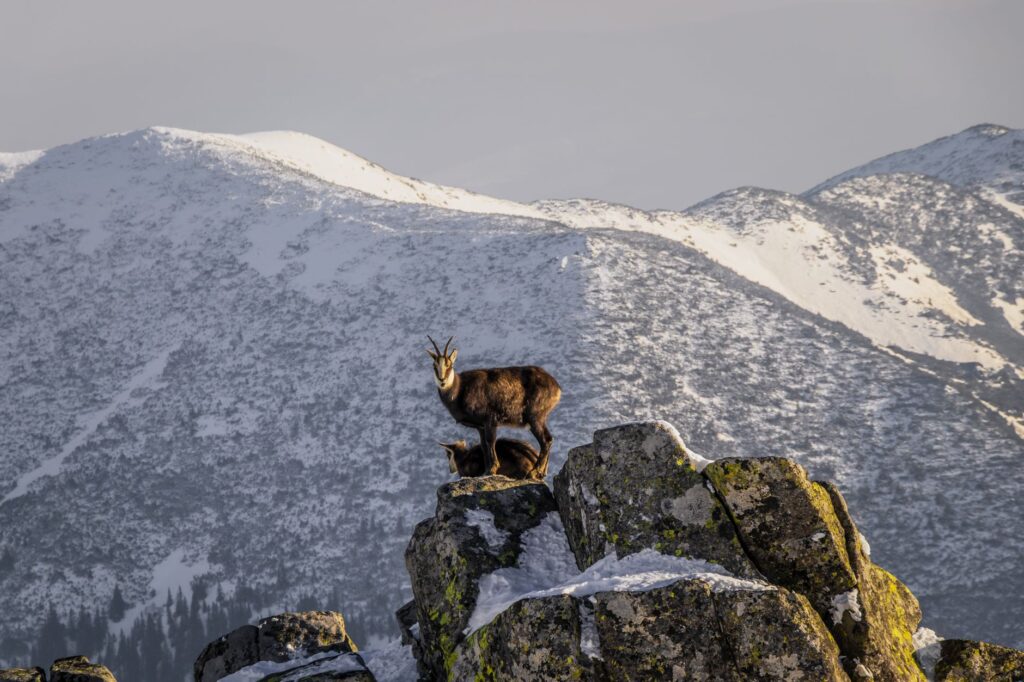
The phenomenon of alpine thermokarst and glacier retreat is drastically altering this geography of refuge. As the ice tongues recede, slopes destabilize, and unstable screes—known as active moraines—hinder the movement of herds along their seasonal migratory routes. Park biologists have documented how rising summer temperatures force animals to seek increasingly high shade zones, reducing the time available for effective grazing and increasing physiological stress during the lactation months.
Herd Dynamics and Hierarchies in the Rocky Realm
The social structure of the alpine chamois reflects its adaptation to the environment. For most of the year, females, kids born in spring, and young individuals up to two years old group into maternal herds that can exceed thirty individuals. These groups operate under constant collective surveillance; it is enough for an experienced female to emit a sharp, dry whistle—a breath of air expelled forcefully through the nostrils—to make the entire herd climb within seconds toward the most inaccessible cliffs.
Conversely, adult males adopt a markedly solitary behavior or form small bachelor groups during spring and summer. Their integration into mixed herds occurs exclusively during the rut, the mating period that takes place between November and December. In these weeks of intense cold, the valleys fill with the cracking of ringed horns colliding violently in territorial duels for access to females. Natural selection at this level rewards not only brute strength, but metabolic endurance at a time when energy consumption skyrockets and food becomes alarmingly scarce.
blockquote>The true thermometer of the Alps is not the valley weather station, but the silent pulse of the ungulates defying the abyss every dawn.
Trophic Interactions and the Return of Large Predators
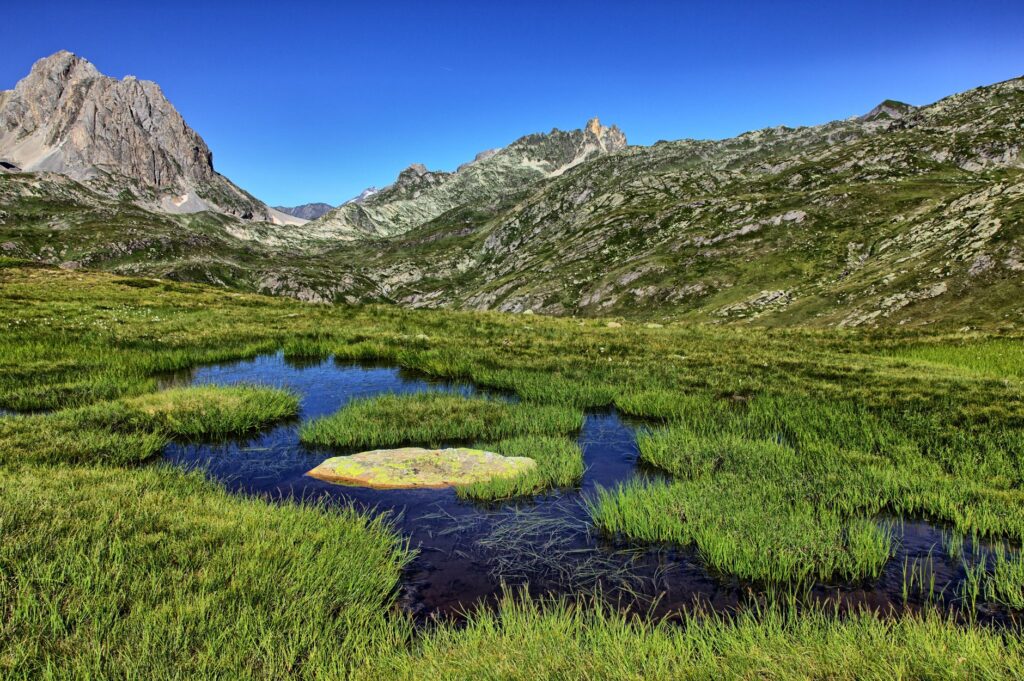
The health of Rupicapra rupicapra populations in Gran Paradiso cannot be understood in isolation without observing the complete trophic board. For decades, the near-total absence of large carnivores allowed demographic growth artificially stabilized by control hunting and climatic factors. However, the natural return of the gray wolf (Canis lupus) to the alpine valleys has reintroduced an evolutionary selective pressure absent from the region for over a century.
Necropsy studies and GPS telemetry collar tracking reveal that wolves preferentially select younger, weakened, or sick individuals, fulfilling an indispensable sanitary function that prevents the spread of epizootics such as sarcoptic mange or infectious keratoconjunctivitis. Despite initial concern from local farmers and traditional hunters, the presence of the wolf has been shown to increase vigilance in chamois herds, reducing overgrazing in fragile alpine meadow zones where endemic flora struggles to take root.
The Impact of Summer Tourism and Protected Area Management
With over seven hundred thousand annual visitors concentrated mainly between June and September, the Gran Paradiso National Park faces a delicate balance between publicizing its natural heritage and preserving wildlife tranquility. Hiking trails crossing ancient royal roads frequently intersect summer pastures where chamois nurse their young. The intrusion of off-trail hikers, the proliferation of drone photography, and the presence of unleashed dogs generate acute stress spikes in the animals.
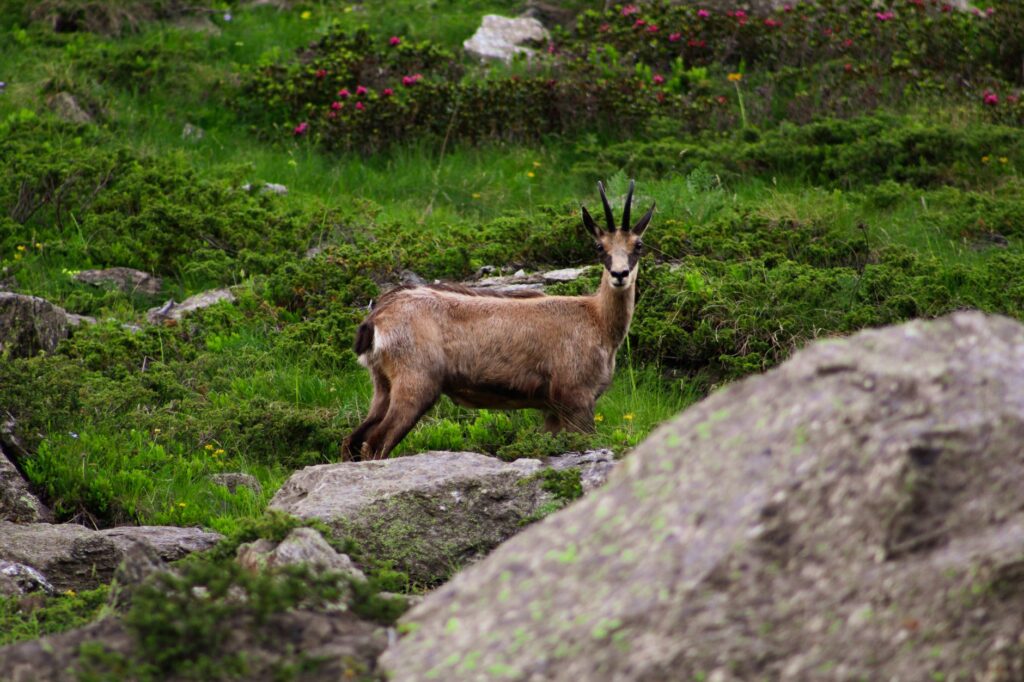
To mitigate this impact, park management has intensified active surveillance and environmental education programs, marking temporary detours in ecologically sensitive zones during the calving period. Modern conservation in alpine spaces requires regulating human access without criminalizing the enjoyment of nature, betting on an ecotourism model based on respectful distance observation through terrestrial telescopes and the use of public transport in valley bottoms.
blockquote>Protecting the high mountains does not mean sealing them off from man, but teaching him to travel through them with the humility of a temporary guest.
Practical guide
How to get there: The main access to the Piedmontese sector of the park is via Turin, taking the A5 motorway toward Ivrea and the turnoff to the Orco and Soana valleys. For the Aosta Valley sector, the optimal logistical base is Aosta, connecting with the Cogne, Valsavarenche, and Rhêmes valleys. Car rental or the local Arriva Italia bus network is strongly recommended.
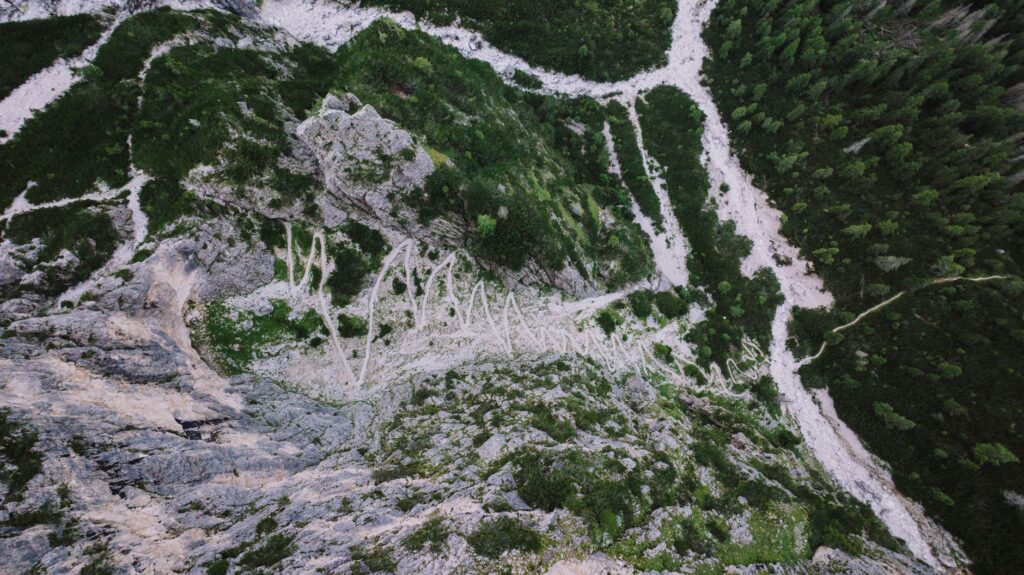
When to go: June and July offer the best combination of high-altitude accessibility, alpine bloom, and newborn wildlife viewing. To witness the rut and coat transformation, November and December are ideal, though they require winter mountain experience and appropriate snow gear.
Accommodation and gastronomy: Hotel offerings rely on small family-run hotels and mountain refuges managed by the Italian Alpine Club (CAI). The villages of Cogne and Ceresole Reale stand out. Local gastronomy includes high-mountain fontina cheese, valpellinentze soup, and game stews braised in Nebbiolo wine.
Recommended gear: Layered clothing with waterproof and windproof membranes, high-cut mountain boots with Vibram soles, telescopic poles, 8×42 binoculars or a spotting scope, broad-spectrum sunscreen, and category 4 high-altitude sunglasses.
Park regulations: Camping outside authorized areas, lighting fires, picking wildflowers, bringing dogs (even on leashes in strict reserve zones), and flying drones below one thousand meters above ground level are strictly prohibited.
Visitor centers: The park features several reference thematic centers, such as the Gran Paradiso Predators Visitor Center in Rhêmes-Notre-Dame and the Biodiversity Center in Cogne, essential for understanding the history of ibex and chamois rescue.
Health and safety: Weather conditions in the Alps can change drastically within hours. Consulting the regional nivometeorological bulletin and registering long itineraries at refuges or through official mountain apps is mandatory.
The sun begins to withdraw from the peaks, tinting the walls in a deep ocher tone that violently contrasts with the cobalt blue of the shadow cast across the valley floor. On an almost imperceptible ledge at two thousand eight hundred meters of altitude, an old female chamois stands motionless against the wind, flanked by her yearling kid. Her silhouette, cut with millimeter precision against the alpine sky, embodies the silent endurance of a world that refuses to vanish. As global climate dynamics continue to press upon the fragile balances of the summits, the survival of this dweller of the abyss will remain the truest indicator of our mountains’ health.