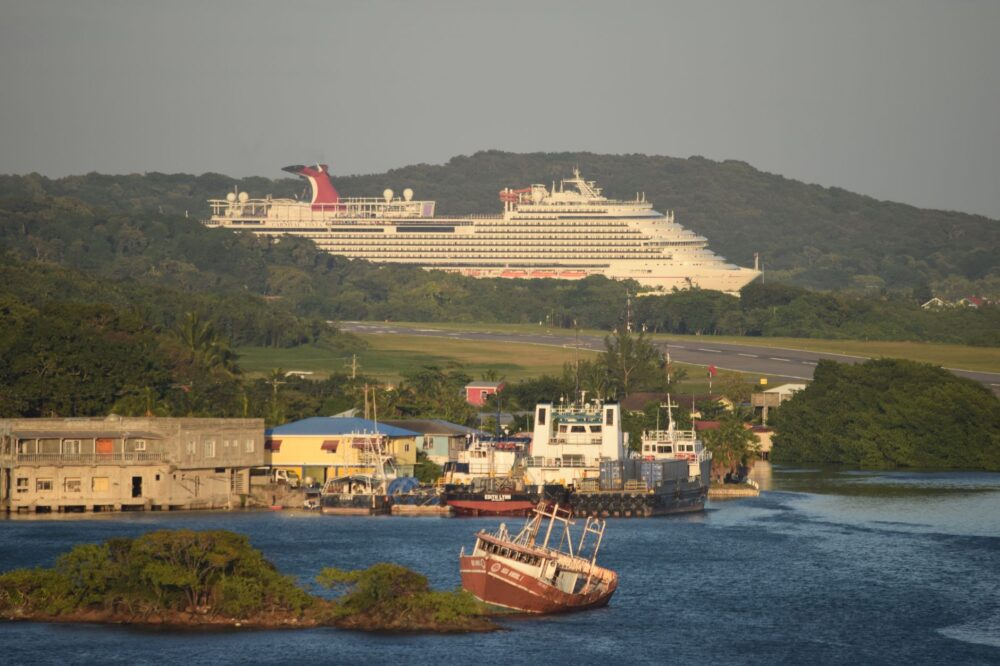
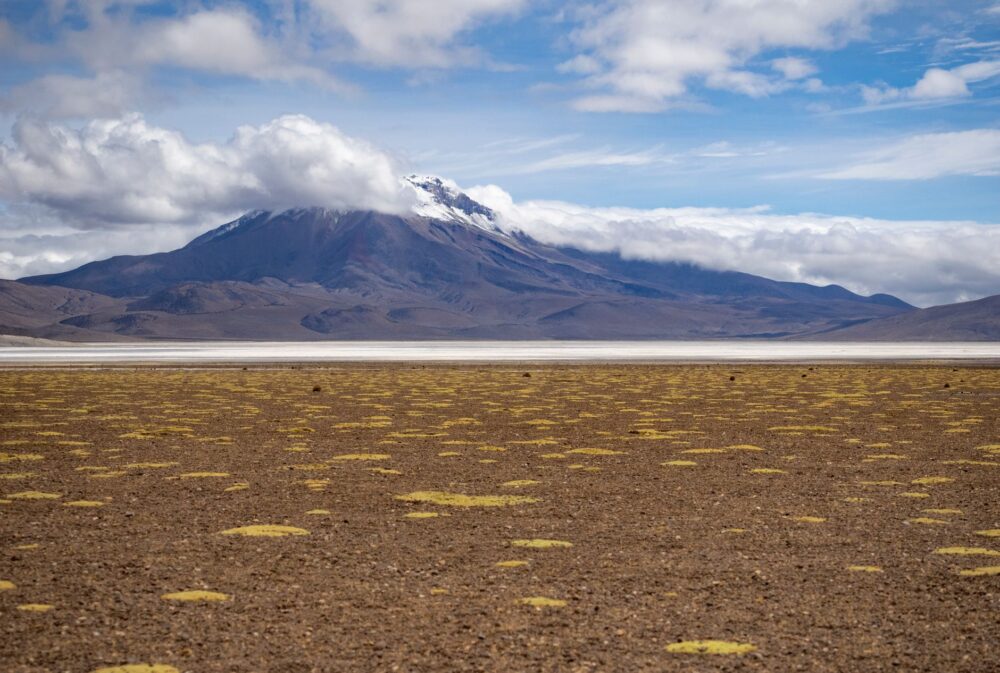
Green Patagonia does not reveal itself to those who travel along paved highways; it demands a different disposition, a surrender to geological time and the benevolent tyranny of the tides. In this southern outpost of Chile, where the Andes mountain range plunges abruptly into the Pacific Ocean, water is not a geographical accident, but the sole vector of existence. The channels, fjords, and marine inlets compose a labyrinthine map that for centuries has been navigated exclusively by expert sailors, capable of reading the shifting pulse of the weather in the color of the water and the behavior of birds. Here, travel acquires the dimension of a scientific and anthropological expedition, where every voyage aboard coastal vessels recovers the primordial meaning of displacement.
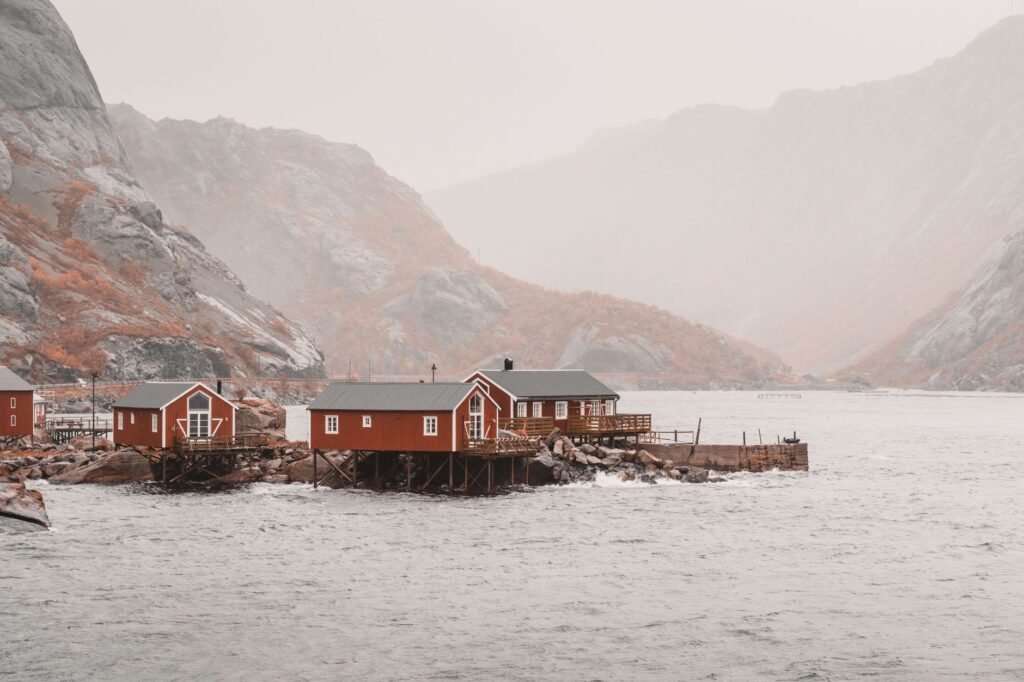
Throughout this fragmented territory, architecture responds with millimeter precision to the demands of a hyper-humid climate. Coastal communities, settled on terraces won from the native forest, display a constructive mastery based on the use of Fitzroya cupressoides (larch) and Guaitecas cypress. The shingles, hand-cut with axes and wedges by local master carpenters, clad walls and roofs in a scaly skin that stands immune to the onslaught of horizontal rain and Patagonian winds. This material heritage, inherited from ancient settlers and the Chilota traditions that crossed the Corcovado Gulf, constitutes a living testimony of adaptation to isolation, where every stilt structure and floating dock engages in a direct dialogue with the immensity of the marine landscape.
The Invisible Geography of the Southern Channels
Understanding the magnitude of Green Patagonia entails immersing oneself in the complexity of its hydrographic network and glacial fjords. The Gulf of Penas and the Puyuhuapi Channel act as main arteries through which both cold marine currents and the cargo and passenger vessels supplying isolated communities circulate. Unlike conventional tourist routes, navigation through these channels requires deep knowledge of local bathymetry and the katabatic winds descending from the ice fields. The logs of local captains record centuries of oral tradition and empirical observation, ancestral knowledge that is combined today with satellite navigation systems to navigate an aquatic labyrinth in constant mutation.
The geographical isolation of these areas has historically determined a subsistence economy based on artisanal fishing, kelp harvesting, and small-scale livestock farming in the scarce river valleys. In this context, coastal maritime transport is not merely a tourist or passenger service, but the umbilical cord guaranteeing food sovereignty and sanitary connectivity for entire hamlets. The barges and ferries plying these waters function as floating public squares, spaces of exchange where scientists, locals, and travelers converge in search of a travel experience devoid of artifice.
The Engineering of Timber: The Art of Larch
Ribshore carpentry and timber architecture constitute the most fragile and fascinating cultural heritage of the Patagonian channels. The use of larch, an ancient tree protected by its slow growth and longevity, has defined the constructive aesthetic of the region. Shingle makers, heirs to a nearly extinct trade, carefully select naturally fallen logs to extract flexible boards that, after being overlapped with millimeter precision, guarantee absolute waterproofing against rainfall records exceeding three thousand millimeters annually.
This vernacular architecture extends beyond single-family homes to define churches, schools, and port storage warehouses. Structures are raised on hardwood piles driven directly into the seabed or muddy shores, anticipating tide swings that can exceed six meters in amplitude within a few hours. The result is a floating urban landscape, where wooden walkways replace paved streets and the constant sound of water lapping against foundations marks the daily rhythm of its inhabitants.

Timber in Patagonia is not a mere material resource; it is the historical archive where settlers recorded their resistance against inclement weather, solitude, and the immensity of the ocean.
The preservation of these building techniques faces the challenge of modern building regulations and the scarcity of certified legal timber. However, community initiatives and heritage restoration workshops seek to revalue the trade of the ribshore carpenter, demonstrating that traditional bioclimatic architecture holds much more effective responses to the southern climate than synthetic materials imported from the continent.
The Route of the Fjords: Navigation and Biodiversity
Navigating the channels of Aysén and Palena means venturing into one of the purest biological sanctuaries on the planet. Granite rock walls, sculpted by ancient glaciers, plunge vertically into dark waters, creating microclimates that foster evergreen forests of coigüe, tepa, and mañío. This marine corridor is the natural habitat of marine mammals such as the Chilean dolphin, humpback whales, and colonies of South American fur seals that find safe refuge for breeding and feeding in protected inlets.
Stops in minor islands and secluded coves allow for the observation of exceptional avifauna, notably the rock cormorant, the southern tern, and the imposing Andean condor ruling the snow-capped peaks from above. The interaction between the cold rainforest and the ocean generates a unique ecological dynamic, where nutrients carried by rivers feed a rich marine food web sustaining both wildlife biodiversity and the economy of local communities.
Sustainability and the Future of Coastal Tourism
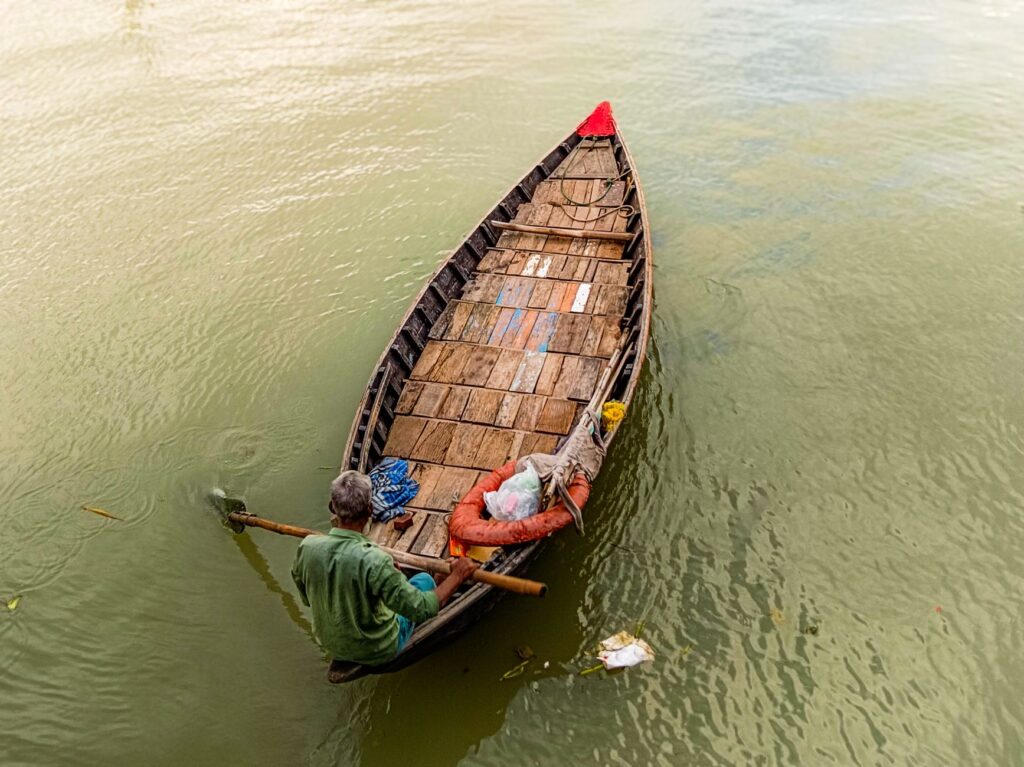
Faced with the growing pressure of global tourism avid for pristine destinations, Green Patagonia undergoes a profound debate regarding its development model. Unlike other mass-marketed enclaves, tourism infrastructure here is necessarily decentralized and small-scale. The challenge lies in articulating a maritime expedition offering that respects the fragility of marine ecosystems and the carrying capacity of small coastal communities, avoiding the denaturalization of their culture.
Environmental regulations demand strict waste management and anchoring protocols in protected areas from minor vessel operators, while local communities promote special-interest tourism based on responsible wildlife watching, guided hiking along ancient settler trails, and gastronomy based on sustainably harvested seafood. This approach seeks to ensure that the visitor acts as a respectful observer rather than a disruptive agent in a fragile millenary equilibrium.
blockquote editorial brief two: The true luxury in the southern confines does not reside in artificial comfort, but in the capacity to tune one’s own pulse with the unalterable silence of the channels and the sovereign slowness of the tides.

Practical guide
How to get there: The main access to Green Patagonia is by air to Balmaceda or Chaitén airfield, followed by land and maritime connections toward the interior channels. Ferry routes operated by state and private companies connect Puerto Montt with Puerto Raúl Marín Balmaceda, Melinka, and Puerto Cisnes.
When to go: The months between November and marzo offer the most stable meteorological conditions, with longer daylight hours, moderate temperatures (between 12°C and 20°C), and lower incidence of severe open-sea storms.
Where to stay: It is recommended to prioritize small mountain lodges and family-run cabins in towns like Puyuhuapi, La Junta, or Tortel, constructed with local timber architecture and focused on energy efficiency.

Requirements and equipment: It is essential to have high-quality waterproof and windproof technical outerwear, trekking footwear with high-traction soles, and waterproof storage systems for electronic equipment due to constant ambient humidity.
Connectivity: Mobile phone and internet signals are extremely limited or nonexistent across most channels and fjords. It is advisable to download offline maps and carry satellite communication devices for emergencies on remote routes.
When the last barge of the day shuts off its engines at the wooden pier of a southern cove, the sound of water regains absolute dominance over the territory. In that instant of stillness, beneath a sky shifting from lead to violet with the speed of the Patagonian wind, the true meaning of travel through the channels is understood: a reunion with human scale facing the untamed immensity of nature. The tenacious lights of stilt houses flicker in the gloom, reminding us that in these confines of the world, human life persists thanks to mutual respect among the sailor, the forest, and the tide.