
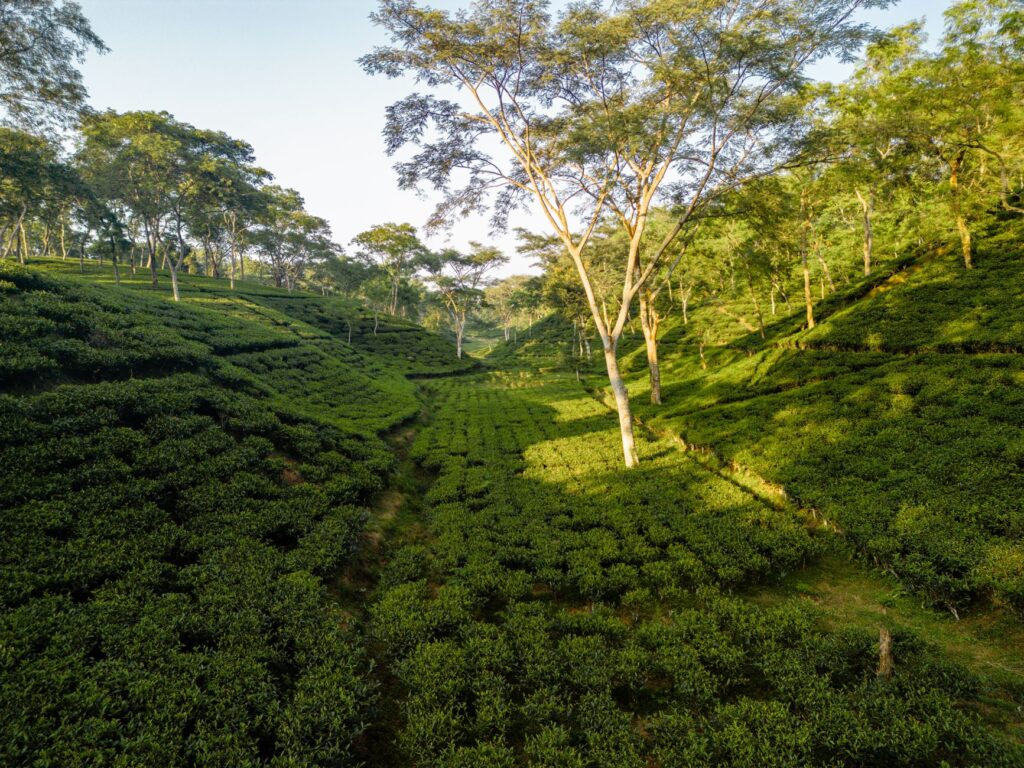
At over two thousand meters above sea level in the eastern foothills of the Indian Himalayas, the mountain range unfolds as a succession of green folds where the air thins and time acquires a different texture. In this rugged territory, where monsoon clouds embrace tea terraces and the snowy peaks of Kanchenjunga preside over the horizon like ice monoliths, operates one of the most extraordinary pieces of railway engineering on the planet. The Darjeeling Himalayan Railway, popularly known as the Toy Train, is not merely a nostalgic mode of transport, but a complex living machine that has defied the laws of physics since the late 19th century, connecting the plains of Siliguri with the misty summits of West Bengal.
Formally inaugurated between 1879 and 1881, this narrow-gauge track of two feet (610 millimeters) was born from imperial and commercial necessity: transporting tea harvests and supplying British sanitariums established in the heights to escape the scorching heat of Calcutta. However, what began as a British logistical project transformed over decades into a living cultural heritage managed by Indian Railways and recognized by UNESCO. Analyzing its current operation involves understanding a transport system where extreme topography demands mechanical solutions that seem anchored in another era, yet continue to operate with artisanal precision well into the 21st century.
Conquering the Slope: The Ingenuity of Loops and Reverses
The primary challenge faced by engineer Franklin Prestage when designing the line was not the horizontal distance, which barely exceeds eighty kilometers between New Jalpaiguri and Darjeeling, but the vertical elevation gain: overcoming more than two thousand meters of altitude without the benefit of deep-tunneling technology of the era. The solution consisted of embracing the topography through a pure adhesion layout that winds along the slopes, utilizing sharp curves, helical loops, and zig-zag reverse sections that allow the locomotive to gain altitude by reversing direction in a controlled manner.
The most celebrated stretch of this engineering is known as the Batasia Loop, located a few kilometers from the terminus station. At this point, the track describes a complete loop upon itself, crossing a circular viaduct that allows the train to descend in level while describing a 360-degree curve. From the traveler’s perspective, the sensation is akin to orbiting a natural amphitheater where tea valleys succeed one another in a constant rotating plane. This design is not only a visual masterpiece but an indispensable slope-dissipation tool that prevents carriages from derailing due to excessive speed on continuous descent sections.
Class B Steam Locomotives: Centenarian Boilers in Action
The soul of the Darjeeling railway resides in its fleet of Class B steam locomotives, manufactured predominantly by the British firm Sharp, Stewart and Co. in the late 19th and early 20th centuries. These compact machines, weighing barely a few tons and equipped with outside cylinders, are specifically designed to operate in confined spaces and ultra-short radius curves. Unlike the gigantic freight trains of the plains, these small mechanical jewels operate using coal and water supplied at multiple stops along the route.
The maintenance of these locomotives is an exercise in everyday industrial archaeology. In the Tindharia workshops, situated at the midpoint of the journey, a team of local mechanics turns parts by hand, adjusts pressure valves, and repairs boilers that have accumulated over a century of continuous service. There are no digital manuals or standardized factory replacement parts; everything is sustained through the oral transmission of technical knowledge from generation to generation. Coal combustion, the characteristic sharp whistle when approaching level crossings, and the unmistakable scent of hot oil and condensed steam configure a unique sensory experience that defines the line’s identity.
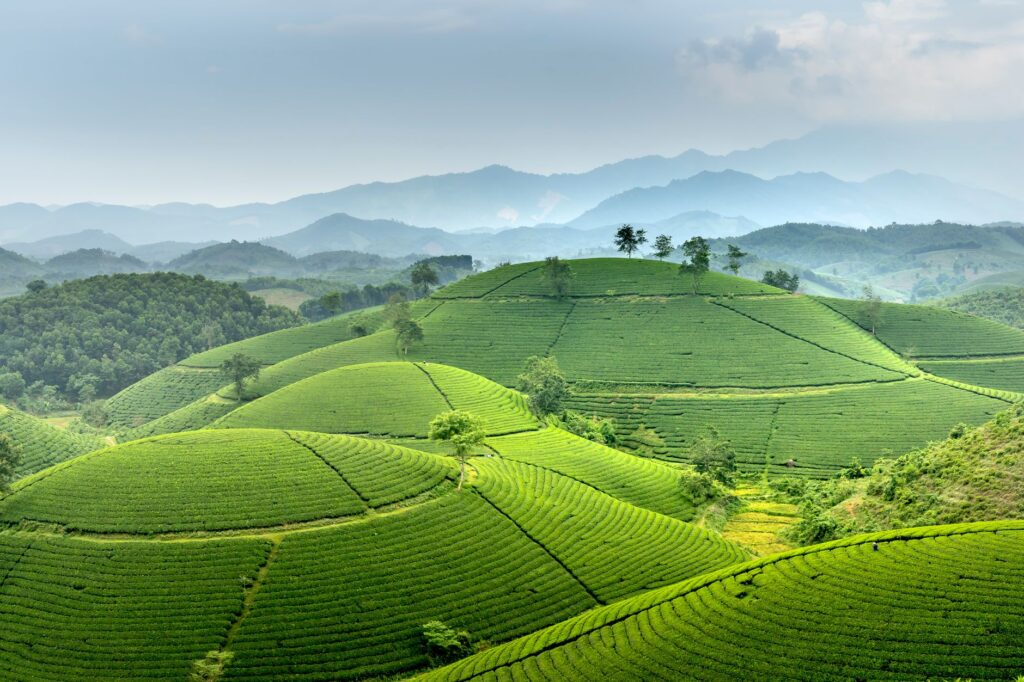
Monsoon Geography and Slope Vulnerability
Operating a mountain railway line in one of the regions with the highest rainfall on the planet entails constant exposure to geological risk. Between the months of June and September, the monsoon lashes the Himalayan slopes with torrential rains that saturate clay soils and trigger frequent landslides, known locally as landslips. These slope movements bury entire sections of the track, cutting rail communication for weeks and demanding a titanic effort of rubble clearance and stabilization by maintenance crews.
During these critical weeks, Indian Railways engineers implement strict surveillance protocols based on visual trackside inspection and slope monitoring using level stakes. The railway infrastructure thus acts as a barometer of the ecological stability of the valley. Modern interventions combine traditional containment techniques with dry-stone walls and masonry drains that respect the original historical layout, avoiding the massive use of reinforced concrete to preserve landscape integration within the Biosphere Reserve.
Colonial Architecture and High-Altitude Settlements
The passage of the railway not only modified physical geography but structured human settlement along the mountain range. The stations along the route—small wooden buildings with pitched roofs, glazed verandas, and cast-iron chimneys—reflect vernacular aesthetics adapted to British Victorian tastes. Stations like Kurseong or Ghoom are not mere halts, but social nodes where local residents, porters, and international travelers converge.
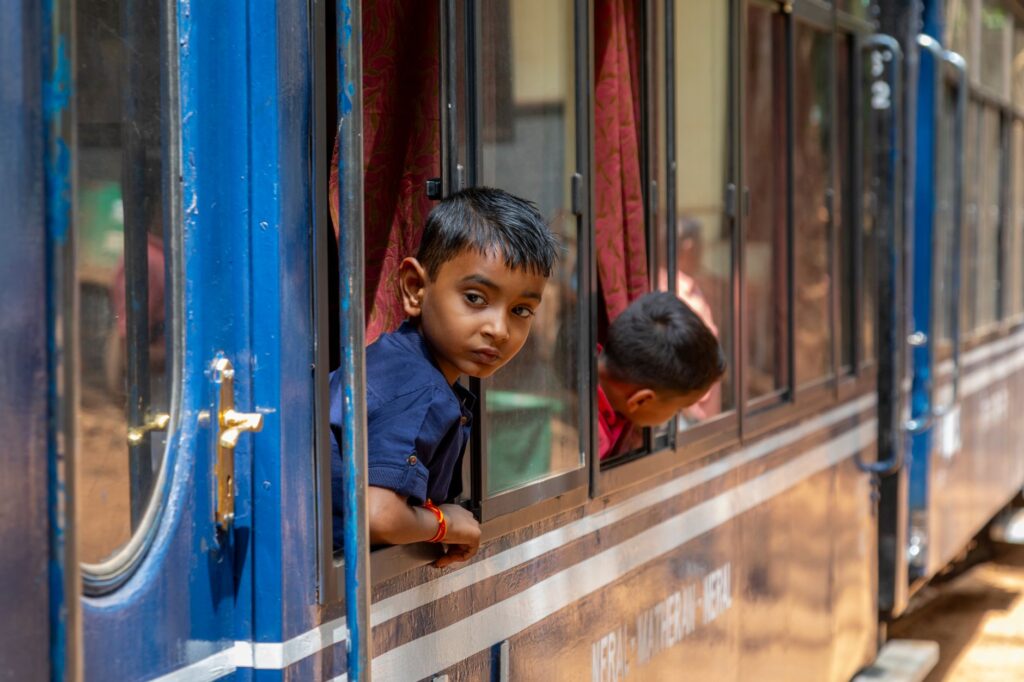
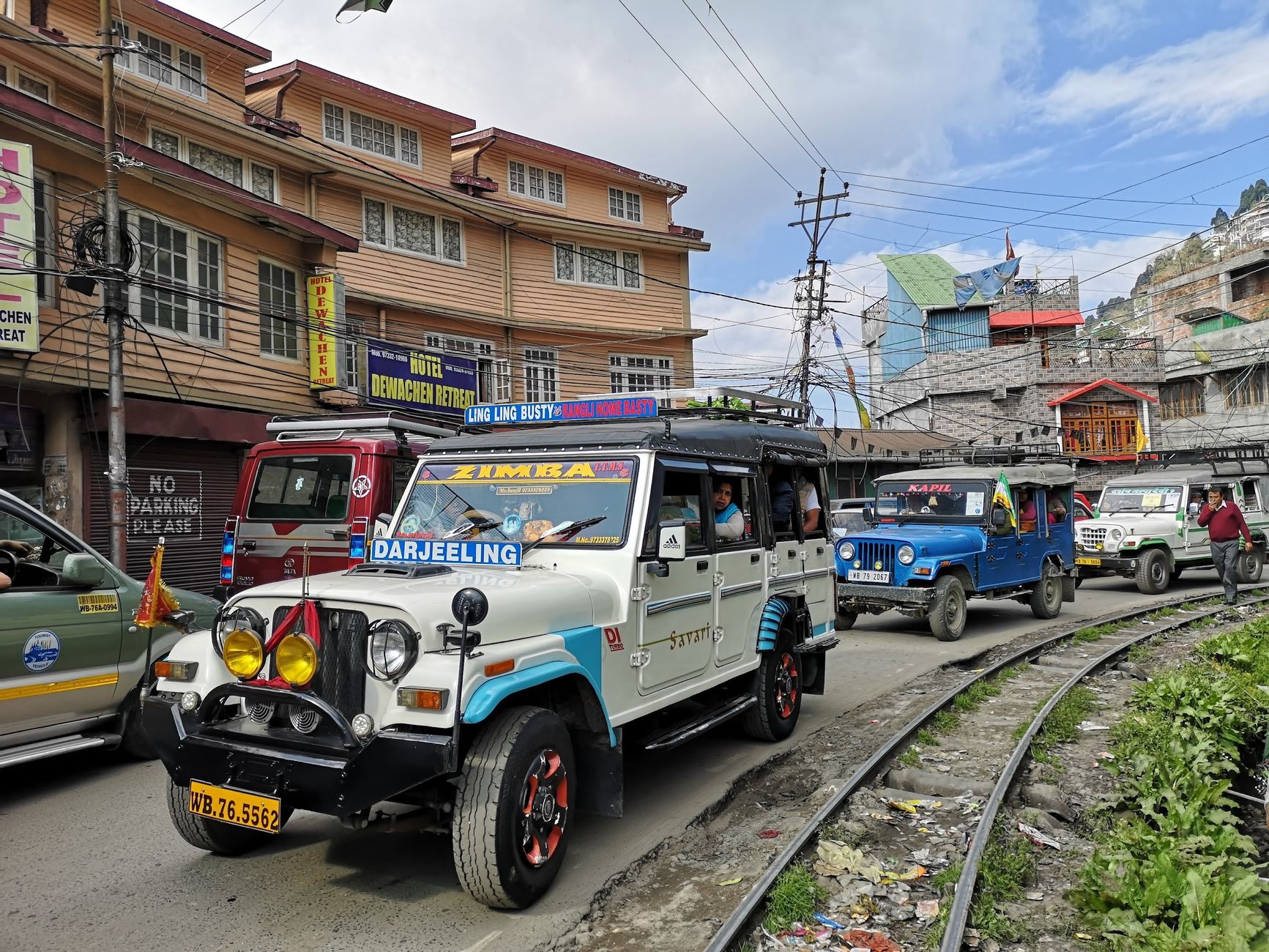
Around these stops, multi-ethnic communities formed by Nepalese, Tibetans, and Bengalis have consolidated, their economies revolving around the cultivation of Darjeeling tea—globally recognized for its muscatel aroma—and cultural tourism. The railway tracks run, in many stretches, mere centimeters from the facades of homes, sharing public space with street markets, schools, and Buddhist temples where the daily passage of the train marks the community’s daily rhythm.
The Darjeeling train does not advance against the mountain, but negotiates with it at every curve, turning the slope into a mechanical choreography of steam and iron.
Logistics and Planning: How to Travel the Mountain Network
Planning a journey aboard the Darjeeling railway requires understanding the operational limitations of a centenarian infrastructure. Currently, Indian Railways operates diverse services combining modern diesel traction for regular commuter runs and historical steam locomotives for daily tourist trains, known as Joy Rides, which operate a circular loop between Darjeeling and Ghoom.
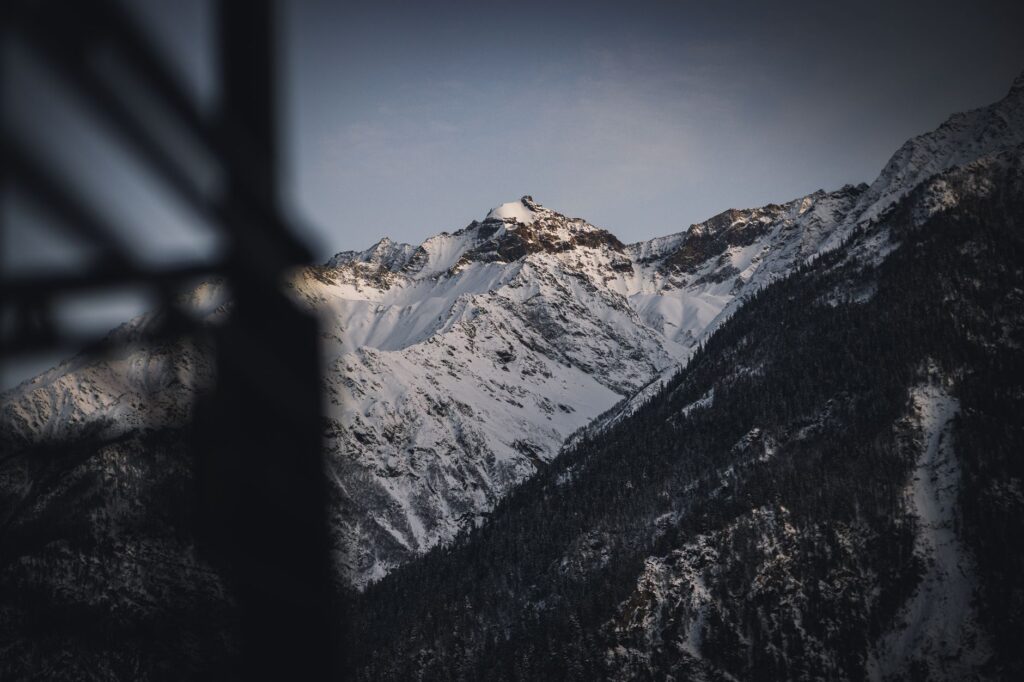
Ticket reservations must be made months in advance through the official IRCTC (Indian Railway Catering and Tourism Corporation) portal or at specialized ticket counters in Siliguri and New Delhi. It is essential to keep in mind that delays are common due to weather incidents, unforeseen maintenance work, or the congestion of the single track itself. The best times for the journey comprise the months from October to December and from March to May, when clear skies guarantee uninterrupted panoramic views of the Himalayan range.
Practical Guide
How to Get There: The main access point to the mountain rail network is New Jalpaiguri (NJP) station, connected via long-distance trains with Calcutta, New Delhi, and Guwahati. From NJP, travelers can choose to take the full historic line train (a journey of approximately seven to eight hours, subject to availability and track conditions) or use road transport to Kurseong to board the upper sections.
Types of Services: There are two main travel modalities. The daily regular trains connecting New Jalpaiguri with Darjeeling (train number 52539) and the steam-operated Joy Ride tourist services between Darjeeling and Ghoom. It is strongly recommended to verify the operational status of the entire line on the official Indian Railways website before initiating travel, as monsoon damage can interrupt specific sections.
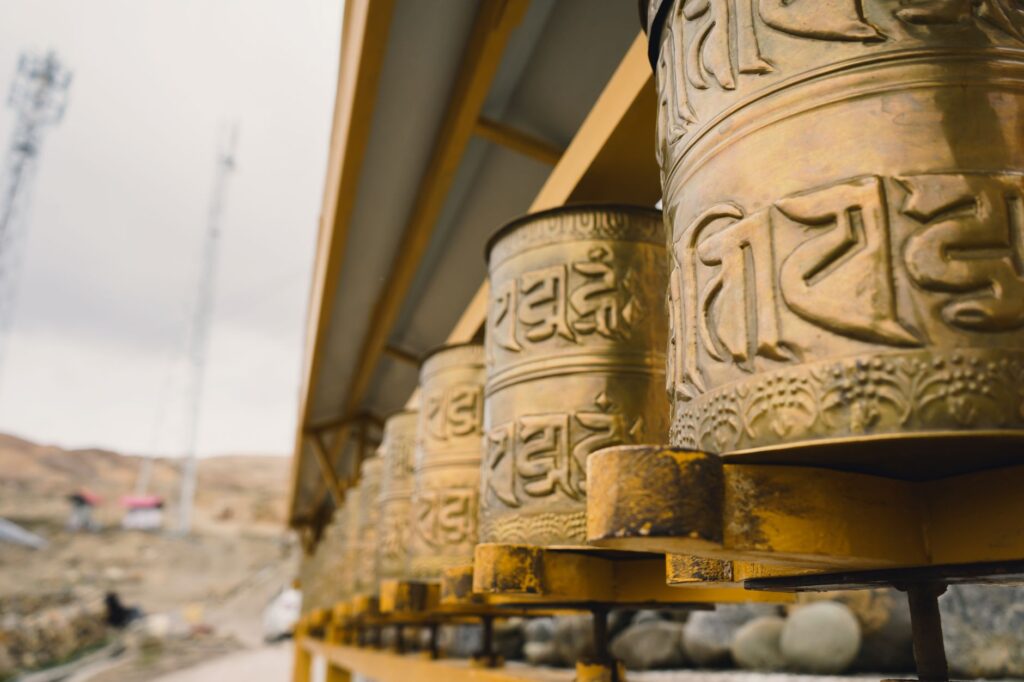
Accommodation and Acclimatization: Darjeeling is situated at 2,050 meters of altitude, so it is advisable to allow a twenty-four-hour margin for acclimatization to avoid mild altitude sickness. Accommodation ranges from historic restored colonial establishments to family-run guesthouses nestled in the surrounding tea plantations.
Safety Regulations and Photography: The train frequently runs very close to street markets and homes. It is imperative to respect safety distances from the tracks and avoid leaning imprudently out of windows or doors during steep gradient sections. Respect for local communities and heritage architecture is essential to ensure the sustainability of this fragile transport ecosystem.
At the upper terminus of the line, when the steam train finally comes to a halt at Darjeeling station after conquering the final incline, the metallic silence of the cooling boiler merges with the distant sound of liturgical chants from neighboring monasteries. The silhouettes of the mountains fade into the evening mist, leaving behind the certainty that this journey is not a simple geographical displacement, but an immersion into the physical limits of human will and classical engineering. As long as iron wheels continue to bite the centenarian rails, the vertical pulse of the Himalayas will keep its most beautiful and fragile connection with the world alive.