
An Archipelago at the Crossroads of Sustainable Mobility
In the heart of the Baltic Sea, between the coasts of Sweden and Finland, lies a fragmented archipelago of over six thousand islands and islets known as Åland. This Swedish-speaking autonomous region is celebrated not only for its red granite landscapes and pine forests, but also for hosting a bold experiment in maritime and land transport engineering. For decades, a reliance on traditional diesel ferries connected island communities while imposing a heavy ecological toll on a highly vulnerable marine ecosystem. Today, a radical shift driven by naval engineers, local authorities, and residents is transforming this aquatic labyrinth into a global benchmark for clean connectivity.
The central question guiding this transformation is fundamental: how can a densely fragmented archipelago maintain social and economic cohesion without sacrificing the health of its waters? The answer lies in an integrated decarbonization strategy combining the total electrification of short-distance fleets with the optimization of slow nautical routes and inter-island cycling paths. Far from pursuing an artificial speed that strips travel of its natural context, Åland champions a measured pace where the journey forms an undeniable part of the exploration, proving that efficient mobility and respectful tourism can go hand in hand.
The Silent Transition of Autonomous and Electric Ferries
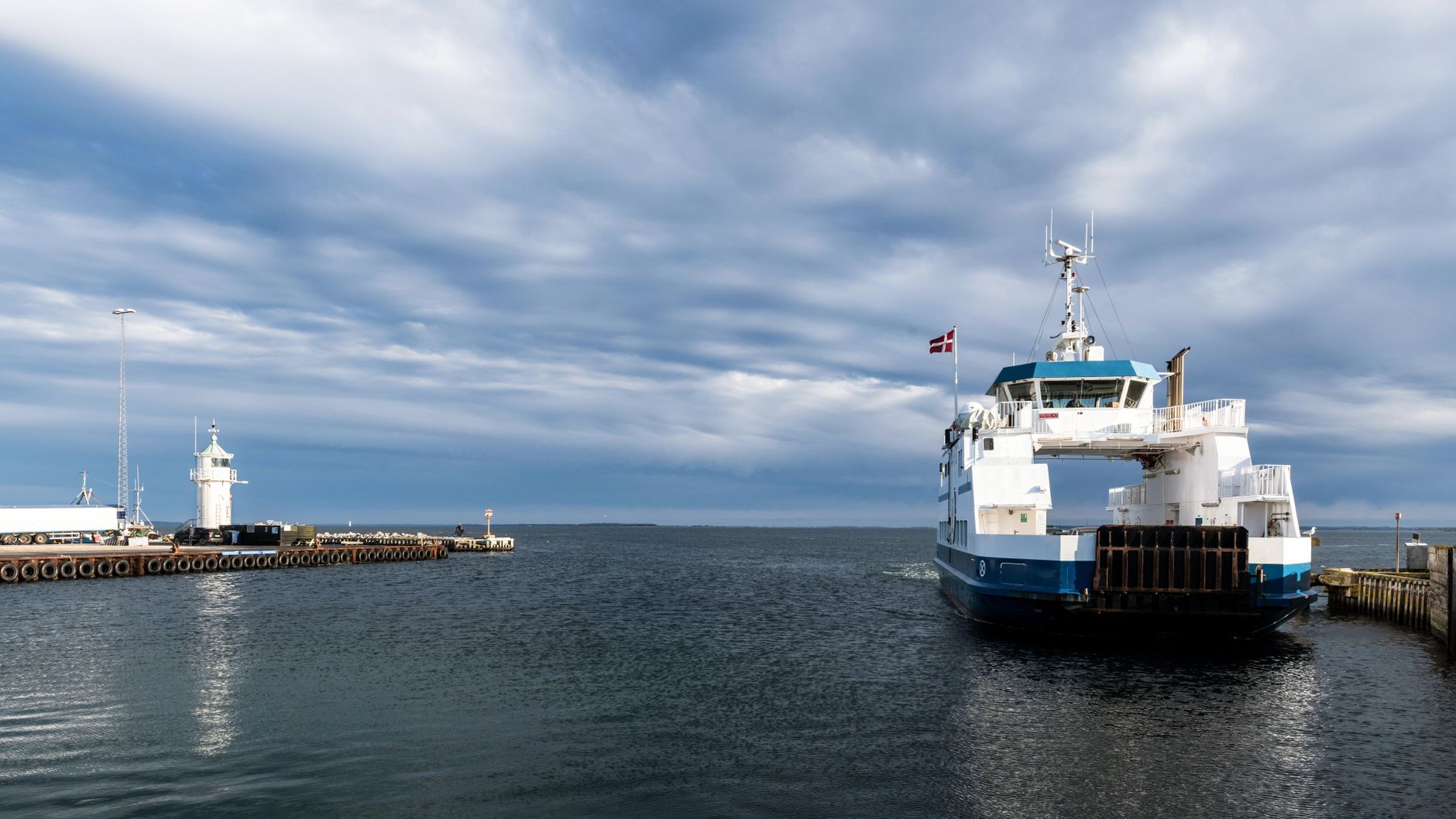
At the core of this transport revolution are the iconic ferries, known locally as skärgårdsfärjor. Until a few years ago, these vessels burned tons of fossil fuels daily to bridge the distances between the main islands like Fasta Åland and the more remote enclaves of the outer archipelago. Modernization has arrived via Scandinavian technology consortia introducing vessels powered by high-capacity batteries, recharged in ports using local wind and solar energy.
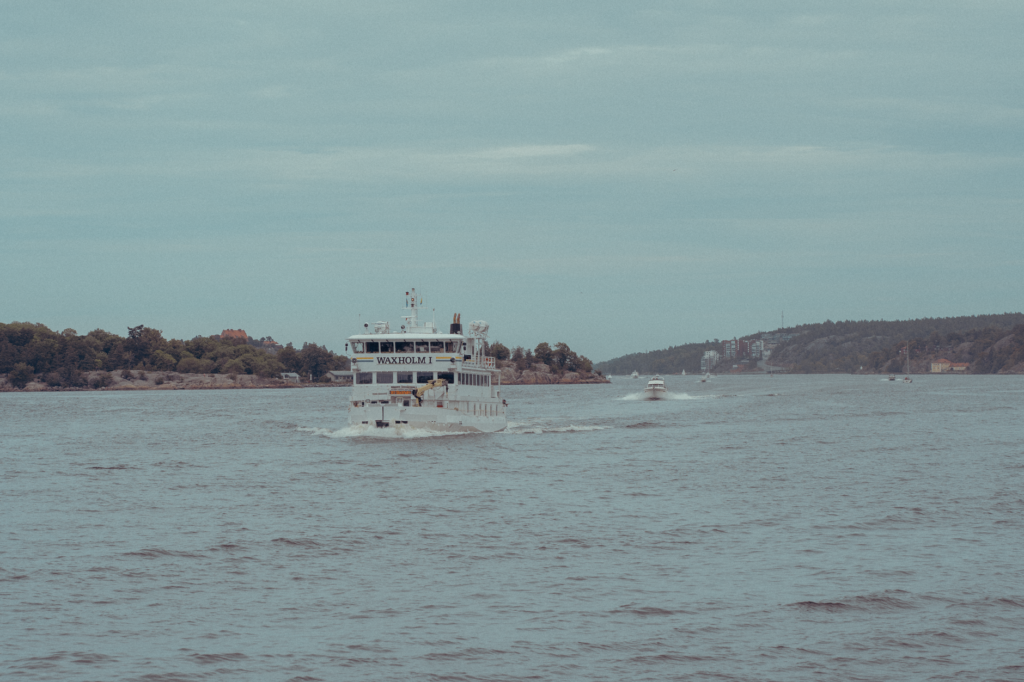
This technological leap goes far beyond swapping an internal combustion engine for electrons. The new vessels feature AI-assisted navigation systems that optimize routes based on currents and seabird traffic, cutting energy consumption by a third. Operational efficiency is no longer measured solely in saved minutes, but in kilowatts consumed per passenger transported. For locals, this translates to greater predictability in daily commutes to educational and medical centers, while for the traveler it represents a silent, respectful introduction to the fragile Baltic landscapes.
Multimodal Networks: When Bicycles and the Sea Share Routes
The decarbonization of transport in Åland extends far beyond the maritime realm. On land, the road infrastructure has been redesigned to prioritize active mobility and low-emission public transport. Former secondary roads, originally built for heavy freight traffic, are now complemented by an interconnected network of cycling paths utilizing floating bridges and low-impact wooden boardwalks.

The concept of intermodality here acquires a fluid, everyday dimension. Passengers can board an electric ferry with their bicycle, disembark on a smaller island, traverse coastal paths, and return on another vessel without stepping foot in a fossil-fuel vehicle. This decentralized transport model prevents the mass concentration of tourists in hotspots and fosters an equitable distribution of economic benefits among traditional fishing communities. Urban planners emphasize that the success of this system relies on simplified unified transport passes, combining light rail on the mainland, electric buses, and ferries into a single accessible digital platform.
The Socioeconomic Pulse of a Connected Island Community
Maintaining vibrant island communities in northern latitudes requires more than good environmental intentions; it demands economic viability. The brain drain of young people toward mainland urban centers has historically been Åland’s greatest challenge. However, improvements in the reliability and frequency—understood here as punctuality and consistency rather than sheer speed—of public transport have partially reversed this trend.
The true success of our transport network is not measured by how many people we move during peak hours, but by how many families choose to stay and live in the outer islands year-round.
This statement from an island council representative encapsulates the underlying philosophy. Local farmers, artisanal cheesemakers, and glass artisans now find more efficient and economical distribution channels to bring their goods to markets in Mariehamn and onward to Sweden and Finland. Sustainable transport has thus established itself as the connective tissue preventing demographic isolation and preserving the islands’ cultural heritage.
Naval Architecture and Port Design Adapted to the Ecosystem
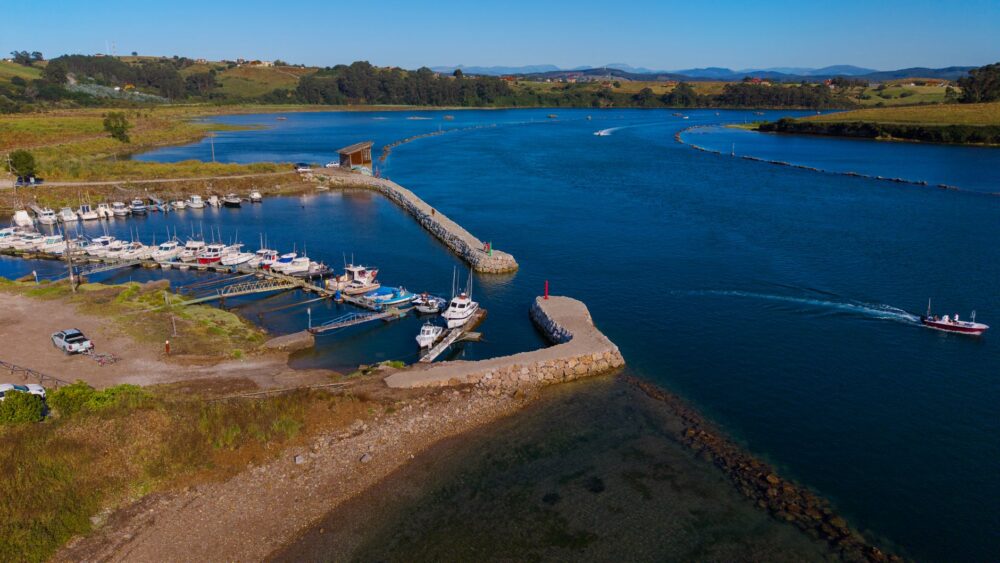
The transformation of transport in Åland has also forced a rethink of port infrastructure. Traditional concrete and steel docks have given way to biophilic, floating designs that minimize disturbance to the seabed and allow aquatic birds to nest near terminals. Engineers have prioritized local materials, such as chemically untreated timber and reused stone from abandoned regional quarries.
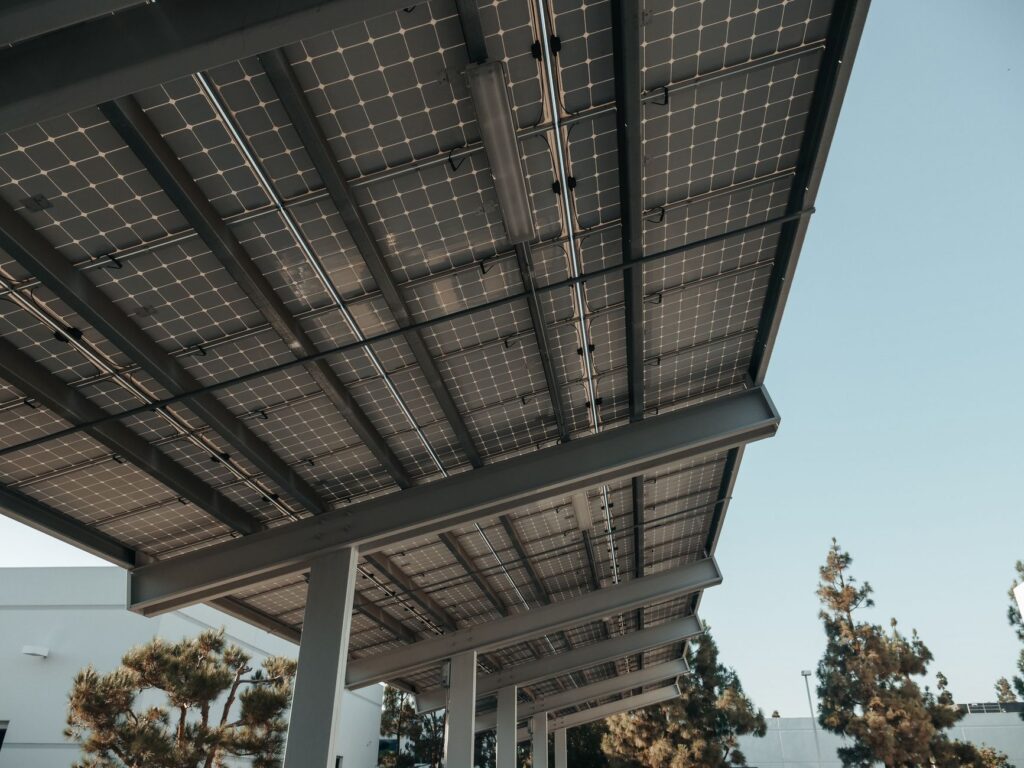
Furthermore, electric charging stations in ports are integrated with smart energy microgrids that store surplus onshore wind power. When a ferry docks, it automatically connects to the grid via robotic arms transferring necessary power within minutes, eliminating the need for auxiliary engines to run during loading and unloading. This technical deployment proves that ecological transition in island settings is entirely feasible when there is close collaboration between public administrations, the private sector, and marine research centers.
Pending Challenges: Seasonality and Mass Tourism
Despite remarkable progress, the Åland model faces complex structural challenges. Chief among them is the pronounced seasonality of tourism. During summer months, visitor influxes triple the resident population, testing the carrying capacity of routes and the electric ferry network. While the current fleet handles seasonal volume more efficiently than older diesel ferries, demand peaks occasionally force the activation of reserve units with lower environmental efficiency.
To mitigate this impact, authorities have implemented tourist flow management systems encouraging visits during the shoulder seasons of spring and autumn, periods when the archipelago reveals its most authentic, quiet face. This deseasonalization strategy not only reduces transport pressure but enhances the traveler’s experience, enabling deeper engagement with daily island life and boreal ecosystems.

Practical guide
- How to get there: Mariehamn, Åland’s capital, is accessible via electric and conventional ferries operating regularly from Stockholm, Kapellskär, and Turku. Local airlines offer low-emission air connections from Helsinki.
- When to go: May through September offers optimal weather for cycling and recreational sailing, though September stands out for its calm atmosphere and autumnal foliage.
- Internal transport: Utilize the integrated regional ferry system (Skärgårdsfärjor) and combine your journeys with the inter-island cycling network. Booking bike spaces in advance during high season is strongly recommended.
- Accommodation: Choose small eco-lodges and rural guesthouses run by local families participating in the archipelago’s environmental certification programs.
- Sustainable gastronomy: Seek out restaurants adhering to the Åland local food network, specializing in Baltic fish, heritage orchard apples, and raw milk artisan cheeses.
- Code of conduct: Strictly adhere to access guidelines for seabird nesting areas and use only marked trails to prevent the erosion of fragile granite soils.
The Timeless Pulse of a Balanced Sea
The journey through the Åland Islands concludes where it begins: facing the infinite horizon of the Baltic, where water and sky merge into a palette of pearl gray and deep blue. At dusk, as the last electric ferries glide silently into harbors amidst trails of white foam and the distant calls of seabirds, it becomes clear that this archipelago has found a different way of being in the world. Here, modernity is not measured by the speed with which space is conquered, but by the care with which its fragility is preserved. For the traveler seeking more than a mere change of scenery, Åland offers a masterclass in balance: tangible proof that the future of travel lies in the capacity to listen to the unhurried rhythm of land and sea.