
The threshold where the forest decides the measure of time
There are geographies where luxury is no longer measured by the accumulation of artifice, but by the density of the silence one is capable of inhabiting. In the foothills of the Kumaon Himalayas, a short distance from the Kosi River, the Taj Corbett Resort & Spa operates under a premise as demanding as it is elusive in the contemporary industry: disappearing to let the environment speak. Here, the deciduous forest and riparian woods are not a picturesque backdrop, but the main subject of a narrative where architecture and biodiversity attempt to forge a lasting truce.
The air arrives laden with resinous moisture and the distant echo of axis deer alarm calls, the primitive language that anticipates the stealthy presence of big cats. In this remote corner of northern India, high-end ecotourism faces its sternest test. It is not enough to reduce single-use plastics or turn off lights at dusk; the true proof lies in demonstrating that human presence, when cultivated and respectful, can finance the defense of a habitat that would otherwise succumb to the pressures of agricultural speculation and unchecked logging.
Vernacular architecture and the poetics of local stone
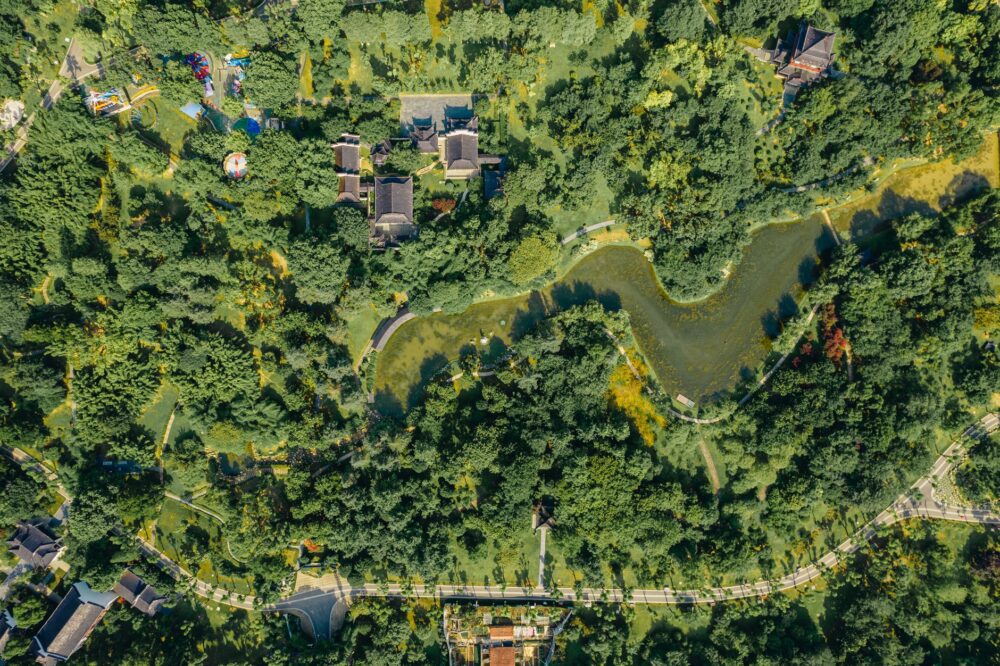
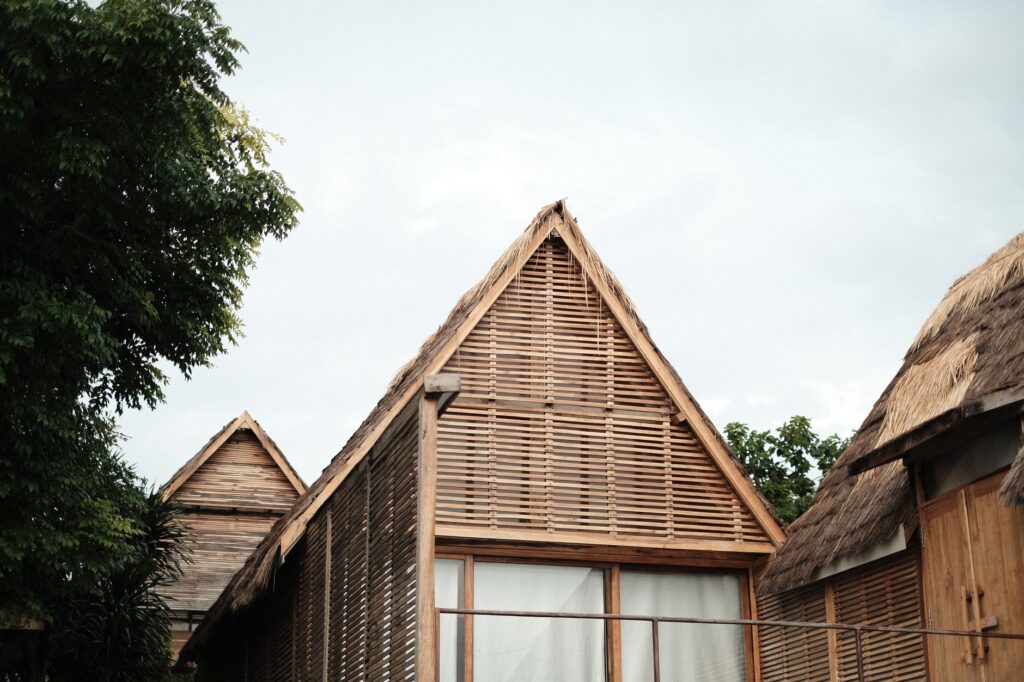
The constructive approach to the territory rejects the imposition of foreign volumes. The guest blocks and private villas are concealed among the foliage using river stone, reclaimed timber, and slate roofs that mimic the chromatic palette of the forest floor. Every line of sight has been studied so that the traveler, from their balcony, experiences the sensation of being suspended among tree crowns, an invisible observer in a constantly moving natural theater.
This bioclimatic approach takes advantage of natural air currents descending from the mountains, drastically reducing dependence on mechanical air conditioning. Design is not merely an aesthetic statement, but an ethical commitment to the thermodynamics of the landscape. The elevated walkways connecting public areas to the accommodations prevent soil compaction and allow the free passage of reptiles, small mammals, and pollinating insects, keeping the microarchitecture of the understory intact.

True luxury in the 21st century is the restoration of ecological equilibrium; a high-end hotel is only legitimate if it gives back to the ecosystem more than it extracts from it.
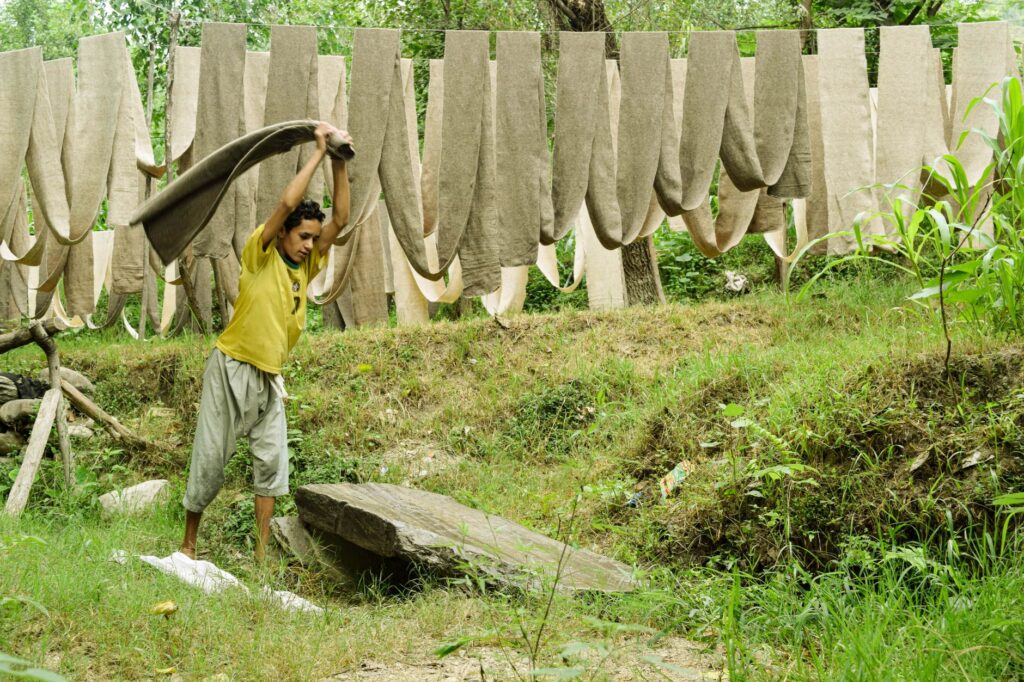
Interiors converse with traditional Kumaoni craftsmanship through hand-woven textiles from neighboring villages and woods treated with natural oils. Large glass panels act as living screens where the daily cycle of seasons is projected: from the floral burst of spring to the monsoon fog that envelops the valleys in a mantle of green melancholy.
The biological backstage: when tourism funds the tiger corridor
Beyond visible comfort, the raison d’être of this enclave lies in its silent contribution to the conservation of the Bengal tiger and Asian elephants. Jim Corbett National Park, established in 1936 as British India’s first protected reserve under the impetus of the famed hunter-turned-conservationist Jim Corbett, faces today the challenge of fragmented ecological corridors.
Responsible tourism initiatives in the area channel funds directly into community surveillance patrols, rural school environmental education programs, and compensation for local herders when livestock suffers losses from wildlife. Peaceful coexistence between human communities and apex predators is a fragile equation requiring constant economic resources. Without a rigorous ecotourism model, peripheral forests would quickly convert into agricultural fields or intensive grazing lands, isolating fauna populations and condemning them to genetic inbreeding.
The science of tracking and the ethics of viewing
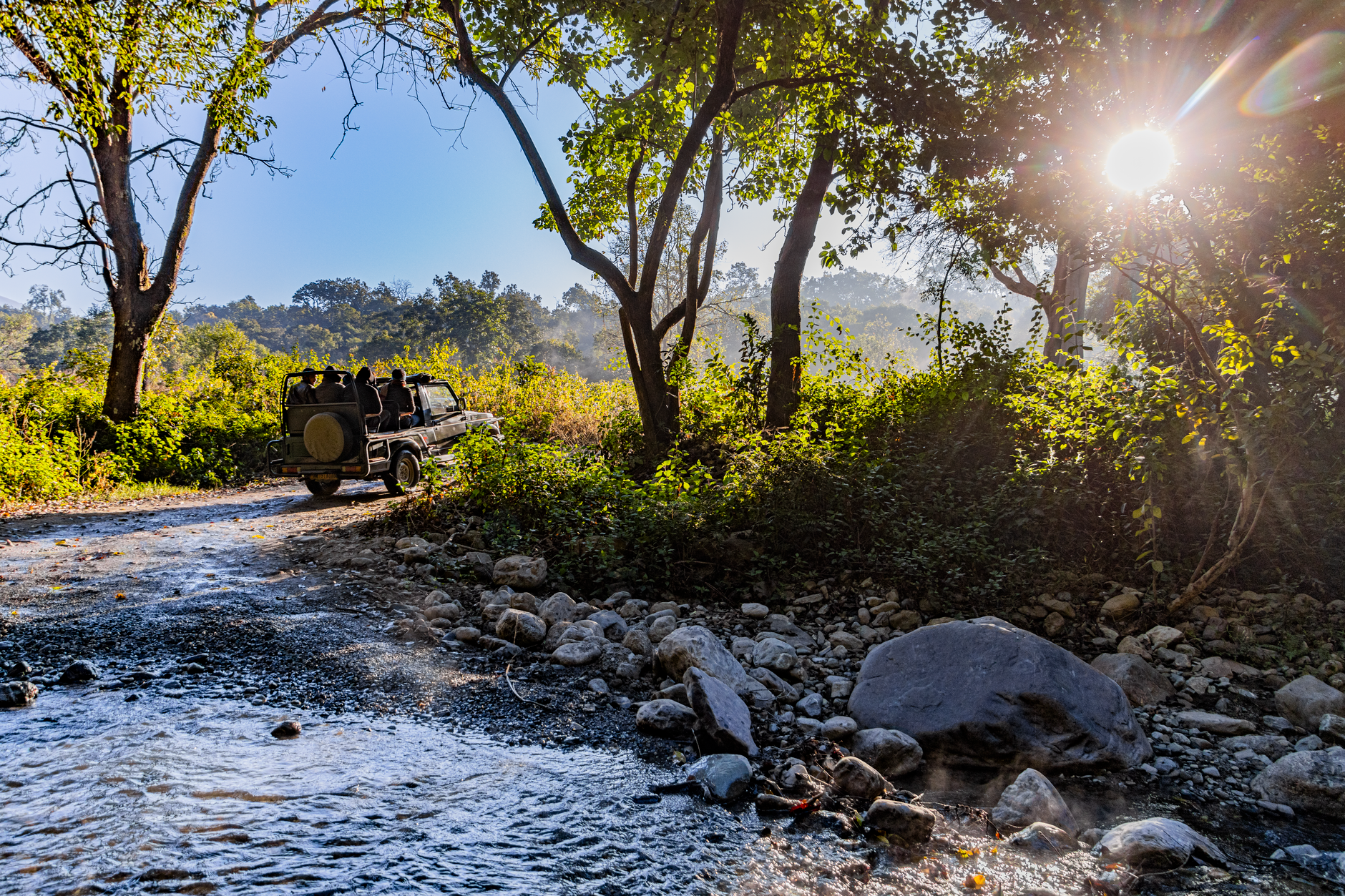
Venturing into buffer zones alongside local naturalists strips safaris of their purely recreational dimension. Here, the goal is not the quick satisfaction of rapid photography, but the deliberate reading of tracks left in the mud after a nocturnal storm. Guides teach how to decipher claw marks on tree trunks, the altered plumage of hornbills, and the imperceptible vibrations announcing a leopard’s proximity.
Internal regulations strictly limit noise, prohibit flash photography, and establish rigorous safety distances to avoid altering animal hunting or resting dynamics. This rigor turns every dawn excursion into an exercise of respect and anthropological humility, where human beings remember their status as transient guests.
Zero-kilometer gastronomy and the Himalayan pantry
The culinary experience at the resort flees from globalized standards to immerse itself in the roots of Kumaoni and northern Indian cuisine. The property’s own organic garden supplies a large share of the kitchens, while dairy ingredients and grains come from agricultural cooperatives located within a twenty-kilometer radius.
Traditional dishes like bhatt ki churkani—a comforting spiced local black soybean stew—or gahat ki dal are reinterpreted with contemporary techniques without losing their rustic soul. Eating here is also an act of agricultural conservation, as it encourages the cultivation of drought-resistant native grain and legume varieties that industrial farmers had abandoned in favor of commercial monocultures.

Water as a sacred and circular resource
In a region where seasonal water stress is a threatening reality, water management constitutes an exemplary chapter. All greywater is treated through biological phytoremediation systems and reused for irrigation of non-edible green spaces. The complex has completely eliminated single-use plastic packaging, replacing it with recycled glass and advanced purification systems installed on-site.
Conserving the water resources of the Kosi River is the sole guarantee for the survival of wild fauna and flora during the most unforgiving months of the Indian summer.
Roofs are equipped with rainwater harvesting systems feeding underground infiltration wells, recharging local aquifers before surface runoff causes erosion on the clay slopes.
The human pulse: artisans, guides, and oral memory
Integral sustainability cannot ignore the social fabric. The resort’s staff is composed overwhelmingly of inhabitants from surrounding villages, rigorously trained in hospitality, environmental management, and conservation. This local hiring policy transforms family economy: young people avoid forced migration to sprawling Indian megalo-cities and can remain on their land, keeping living traditions and the local dialect alive.
Evenings are often enriched by gatherings where elders from neighboring communities share stories about historical coexistence with tigers and leopards, passing down ethnozoological knowledge that textbooks typically ignore. These oral narratives weave an invisible bridge between the Western visitor and the deep memory of a territory shaped by the landscape’s bravery.
Practical guide
How to get there: The nearest airport is Pantnagar (approximately 80 km away), though most travelers choose to fly into Indira Gandhi International Airport in New Delhi and take a scenic train to Ramnagar, followed by a forty-minute road journey.
Best time to visit: Jim Corbett National Park opens its zones sequentially between November and June. The months from February to April offer a mild climate ideal for safaris and observing blooming flora. The monsoon season (July to October) remains closed to the general public for conservation reasons.
Requirements and bookings: Access permits for safaris within the national park must be booked several months in advance through the official forestry portal, given the strictly limited daily quotas to prevent tourist overcrowding.
Health and equipment: Neutral-toned clothing (khaki, olive green, brown) is recommended for photo safaris, along with comfortable trekking footwear and biodegradable insect repellent. It is advisable to consult a physician regarding vector-borne disease prophylaxis depending on the season.
The sunset over the Kosi River and the invisible footprint
When the sun dips behind the crests of the Himalayas, the sky ignites in coppery and violet hues reflecting off the calm waters of the Kosi River. In that moment of luminous transition, tree outlines turn geometric, and the jungle reclaims absolute dominance. Resort pathways are softly illuminated by solar lanterns minimizing light pollution, allowing guests to contemplate a night sky free from urban haze.
Standing on the terrace and listening to the distant, guttural roar of a feline in the dark recalls the fragility of our passing through Earth. It is not about dominating the landscape, but learning to withdraw in time. The Taj Corbett Resort & Spa proves that future luxury will consist in being silent witnesses to the planet’s wild resilience, leaving behind a footprint as faint as dew upon sal leaves.
Source: Safari India (safariindia.com)